► New Renault Clio driven
► Bigger and more sophisticated…
► …but is that a good thing?
The Renault Clio has been Europe’s archetypal supermini for decades and now a sixth generation is here. To keep its best-selling crown and nudge the car upmarket, the new car is bigger, bolder and better equipped than ever before — a comprehensive reboot rather than a mere facelift.
Renault is positioning it as a car that can deliver more bang for B-segment buyers but also tempt some C-segment owners away from larger models. But the Renault was always a great car to drive too – is a bigger, heavier model the end of Clio’s fun side?
At a glance
Pros: Spacious; premium-feeling cabin; efficient hybrid drivetrain; sophisticated ride and handling
Cons: Divisive styling; fussy interior; hybrid dulls the fun
What’s new?
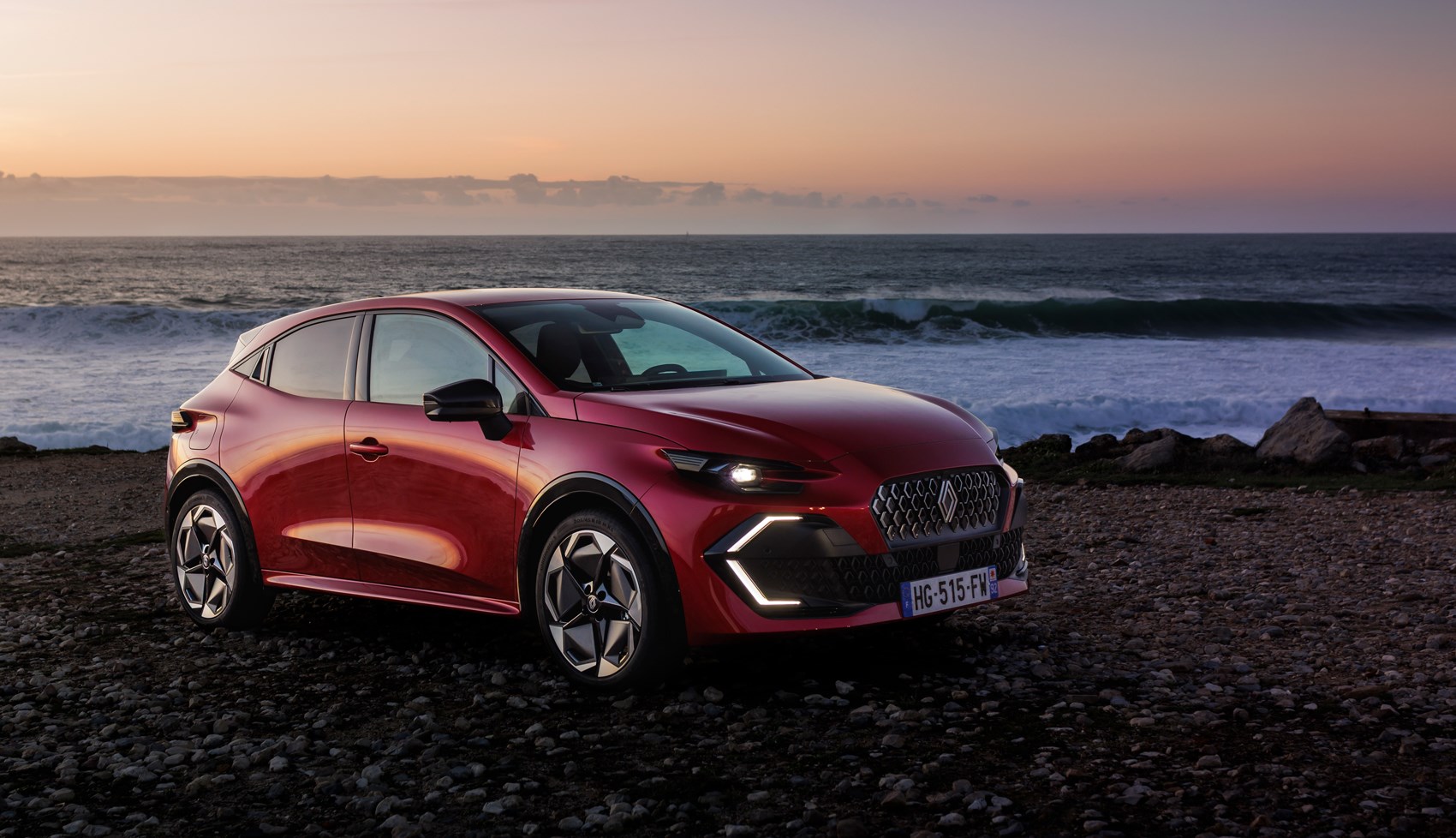
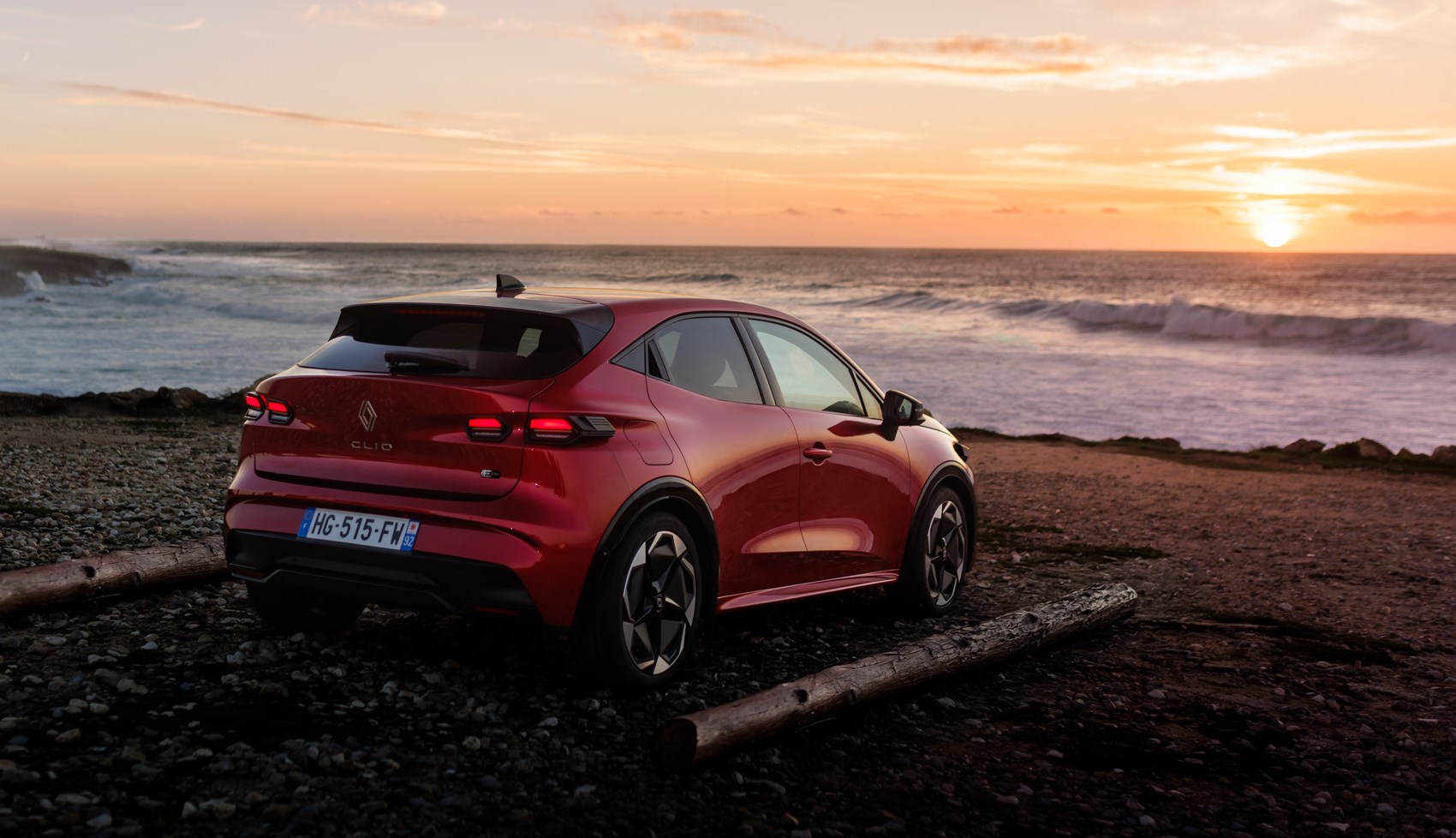
One look at the new Clio will tell you this is a generational change. The design language is much more assertive, with beady, staring headlights, pronounced arches and a sculpted bonnet gives the Clio a more purposeful, serious road presence than it’s had before.
It’s grown too, even though it’s on the same basic platform: it’s 7cm longer and 4cm wider, creating a noticeably firmer stance and more interior space.
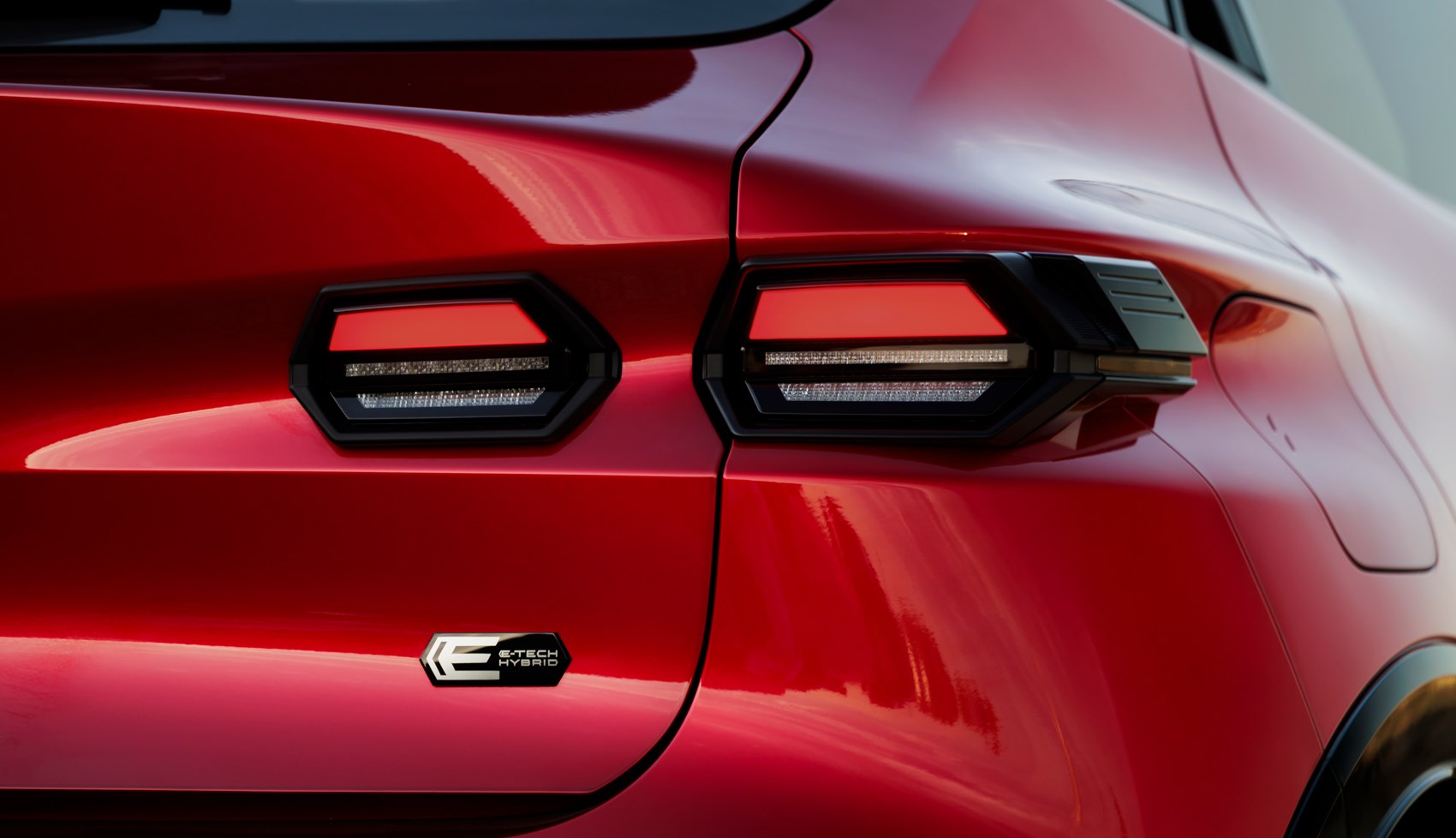
Mechanically, everything is bigger and more powerful – the headline hybrid specification is now a 1.8-litre four-cylinder petrol (up from 1.6 in the current model) with two electric motors and a 1.4kWh battery (up from 1.2) producing 158bhp and claimed fuel economy of 72mpg. The CO₂ emissions are the best ever for a Clio, at 89g/CO2.
The good news is there’s also an updated TCe 115 with a 1.2-litre, three-cylinder turbo petrol with a six-speed manual, for purists like me who prefer a lighter, less complex drivetrain. This is an update of the 1.0-litre three-cylinder model that we ran at CAR as a long termer for a while – and absolutely loved. That petrol-manual drivetrain wasn’t available at the launch – but fingers crossed it keeps some of that thrashy, revvy magic when it gets here.
What are the specs?
Because of changes to the British ZEV Mandate (specifically, the date when hybrids will be banned) Renault delayed the right-hand-drive version, so the UK won’t get cars until 2027. That means prices and specs are still TBC, but there were two trim levels available on the launch, Techno and the top-of-the-range Esprit Alpine.
Techno gives you standard equipment like automatic air conditioning, adaptive cruise control, a reversing camera and 16-inch alloys, while the Esprit Alpine version adds things like sportier seats, wireless charging, a slightly tweaked grille, and (for the first time on a Clio) 18-inch alloys.
What’s it like to drive?
We drive the E-Tech Hybrid Esprit Alpine on the launch, and it definitely feels bigger and heavier than the outgoing model – but that doesn’t mean it’s not responsive and agile. Overall, it feels sophisticated, grown-up, easy to live and a pleasure to be in, even if it doesn’t send the pulse racing.
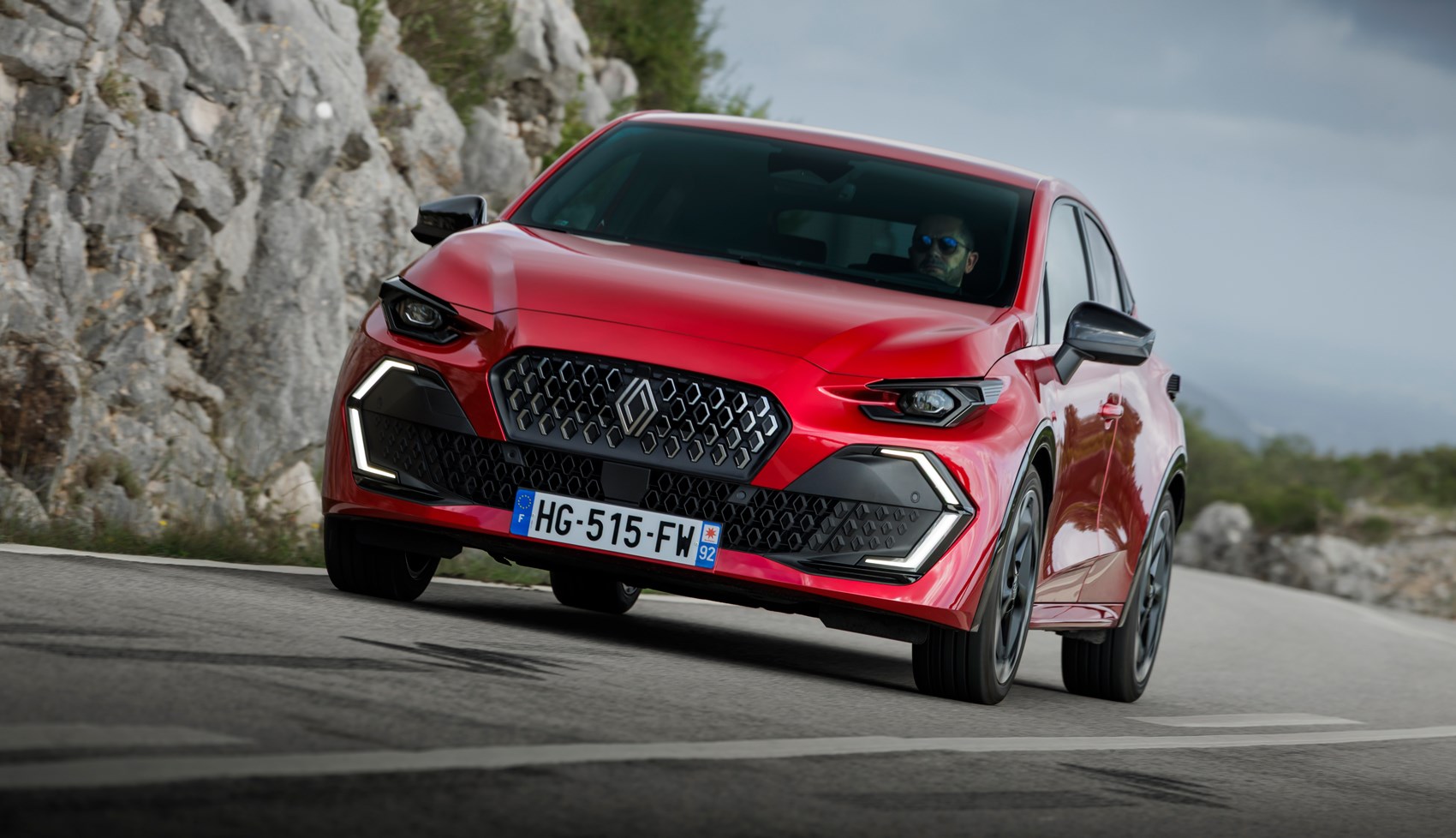
The increase in power means the 0-62mph time is quicker by a second, down to 8.3 seconds, and acceleration is brisk enough. The hybrid power delivery is now smoother and more consistently responsive than the previous E-Tech setups – the updated gearbox logic reduces the jarring transitions that afflicted previous hybrid iterations. Now you spend less time thinking about the drivetrain and more enjoying the driving.
Steering has been sharpened (with just 2.6 turns lock-to-lock), which makes the Clio feel more alert in town and on twisty B-roads. Ride with the 18-inch wheels is firm but importantly the sidewalls are the same as the previous 17s, so there’s no low-profile thump over cats-eyes or surface cracks.
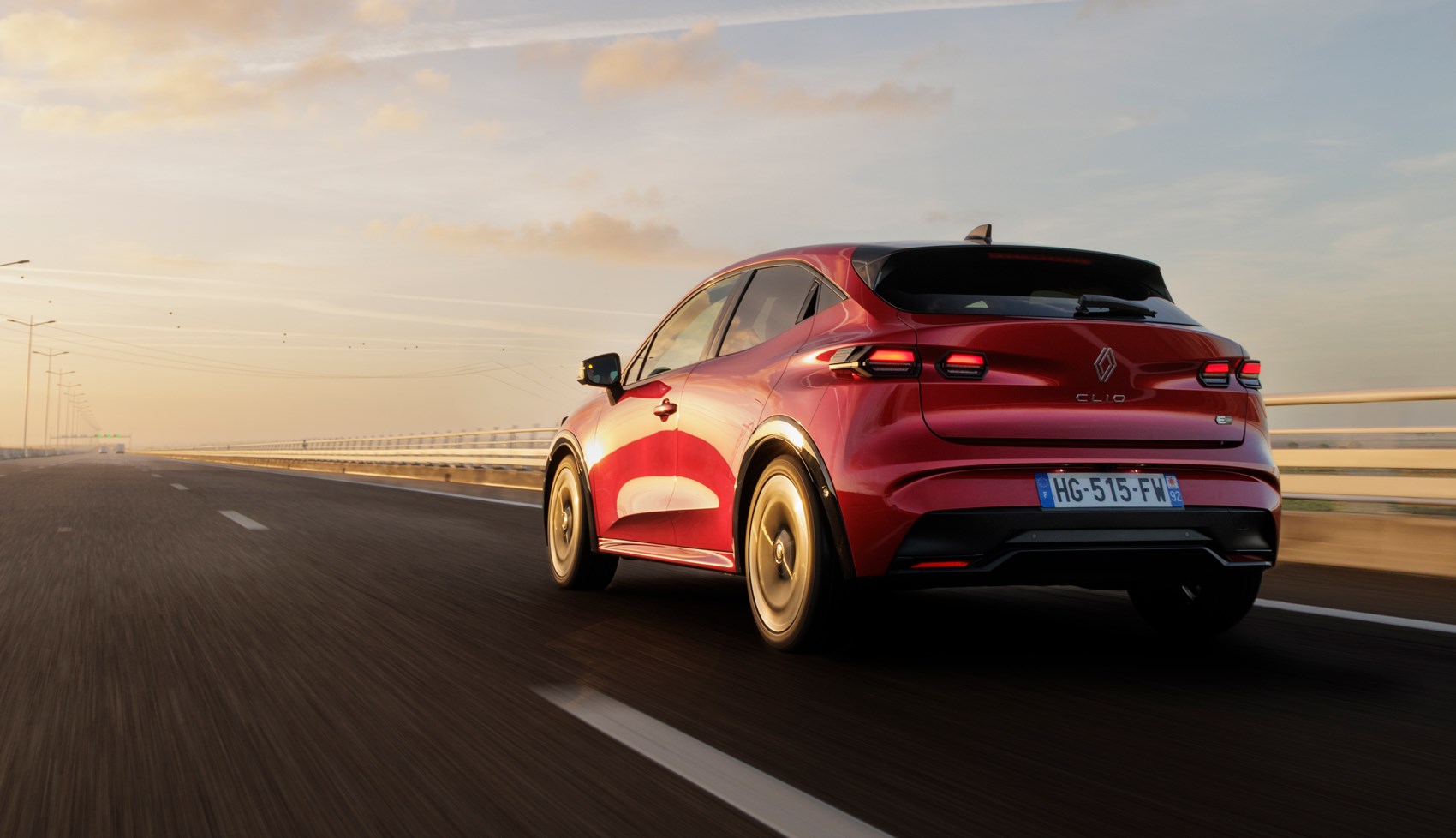
So when it comes to driving, no-one’s going to cheer the added weight and girth, but for most drivers the compromise between comfort, refinement and usable performance is well judged.
What’s it like inside?
The cabin is a clear step up from previous Clios. The widescreen dash — two 10-inch displays set within a gentle V — gives a modern, coherent feel, and the interface with Google Maps is great. I love Google Maps.
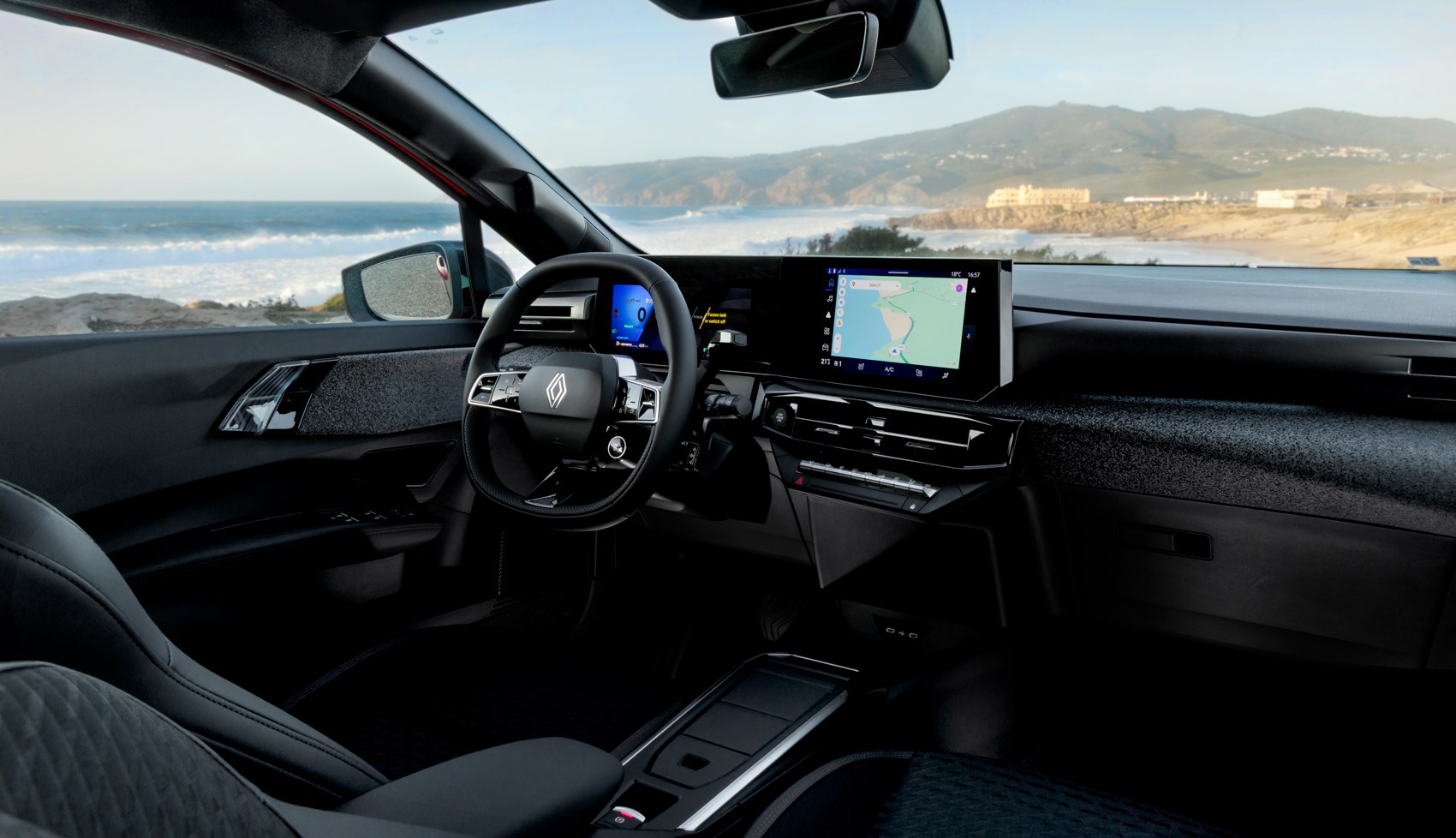
There are still plenty of physical controls where you need them, which helps usability, and the materials definitely feel upgraded and more premium. The steering wheel is chunky and satisfying to hold and the seats are supportive for long journeys. The only downside is the busy styling, with loads of fiddly details like contrast stitched trim, metallic accents and illuminated door blades.
Renault has also added Google on board, for mapping, voice assist and apps. A Google Gemini AI update is on the way, so you’ll be able to do things like add destinations to the sat-nav using normal conversation (and probably self-diagnose that runny nose and ask it to draft an email, and all the other things we ask AI to do).
Before you buy
The biggest issue with the new Renault Clio is the delay – 2027 is a long time to wait. And while exact pricing will be confirmed closer to launch, you can expect prices to be inflated over the current model. It’s bigger, more premium and with more tech, and as Renault readily admits, straddles the grey area between the B- to C-segments.
Verdict: Renault Clio
The new Clio is a confident evolution of Europe’s favourite supermini. It’s bigger, smarter and more refined than before, with an improved hybrid system and a genuinely premium-feeling interior. The styling may divide opinion, and keen drivers may miss some lightness and simplicity – but as an everyday car it’s impressively well rounded. Renault hasn’t exactly reinvented the Clio – but it’s morphed into a very grown up car.