► Renault Captur remains as competitive as ever
► In-built Google Maps and voice assistant
► Plug-in hybrid dropped from line-up
Renault has been a marque on a mission this year, fattening its product roster with what has felt like a launch every couple of months. It’s gone from having a handful of cars to a line-up fit to burst over the last few years, and it keeps growing. Last year alone, Renault offered up three electric models – the electric Scenic, 5 and 4 E-Techs – as well as the lesser-spotted flagship Rafale SUV and the Symbioz.
But Renault isn’t about to let its core models fade away. The Captur has been a best-selling model since the original’s launch, and so it’s also been kept fresh to stay on the pace. Despite all the change, it’s still Renault’s smallest ICE crossover, and sales continue to impress. Though the Captur has previously been among the best compact SUVs, it doesn’t have it as easy as it once did, with an onslaught of rivals, including the new Citroen C3 Aircross, Skoda Kamiq and Ford Puma to contend with.
Should you buy a Renault Captur? Yes, if you want a stylish, great-value small SUV with a strong cabin and very good real-world economy from the hybrid. If you crave performance or the smoothest electrified powertrain, many rivals have the edge. If you want to know how we came to our verdict, have a look at our how we test page.
At a glance
Pros: Stylish, great interior, solid value for money
Cons: Limited engine choice, hybrid isn’t the smoothest, ride firmer on 19-inch wheels
What’s new?
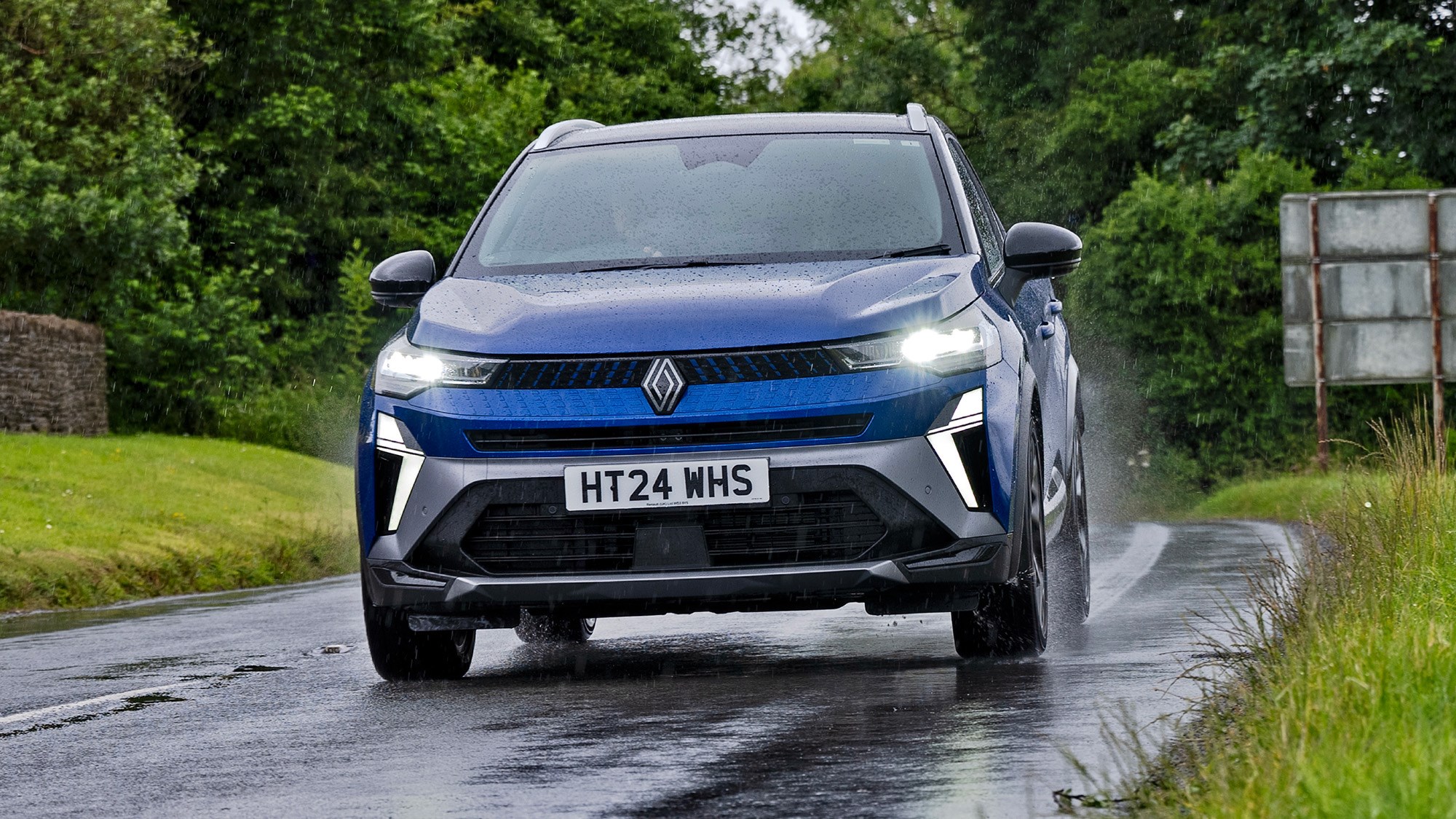
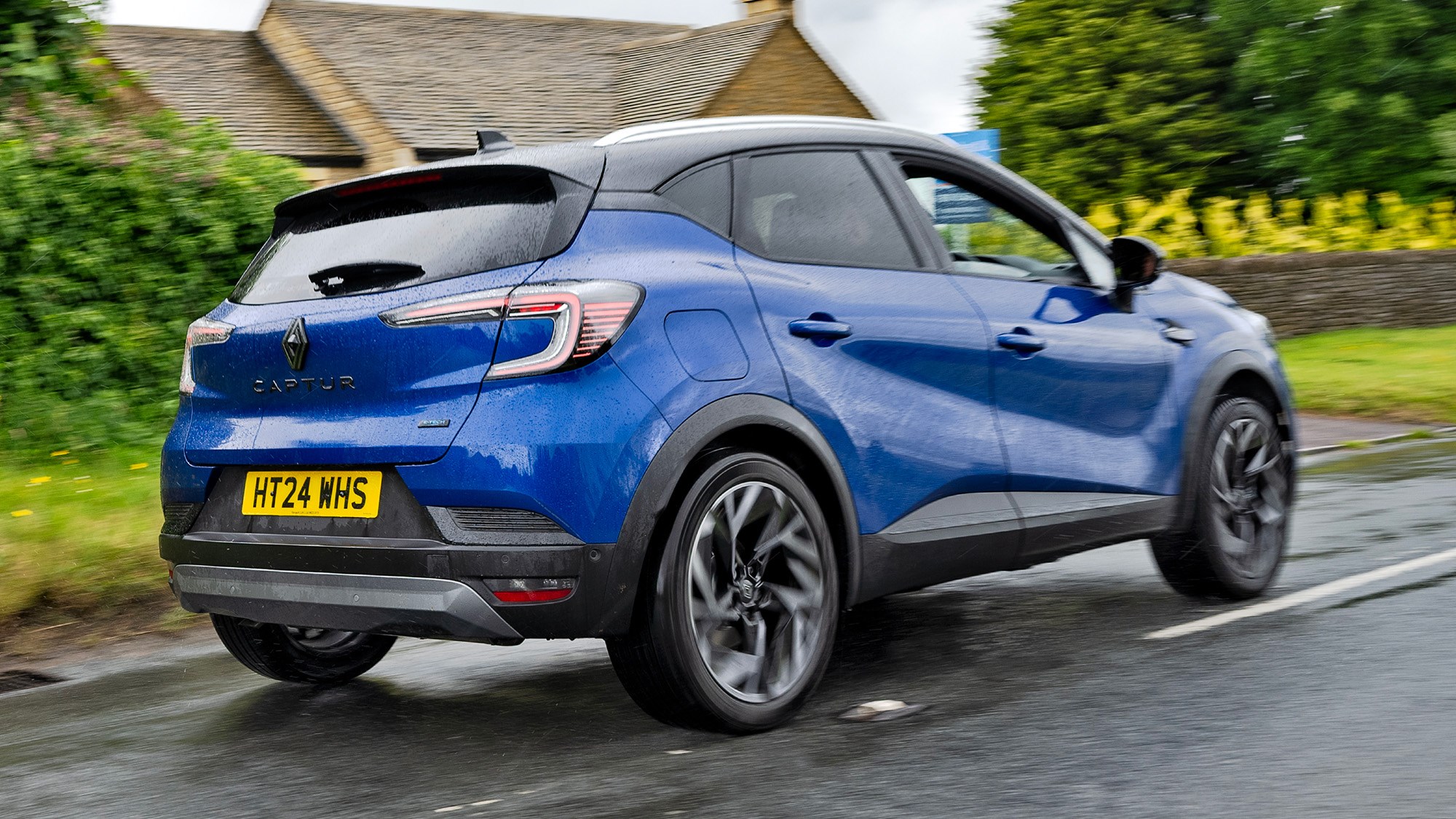
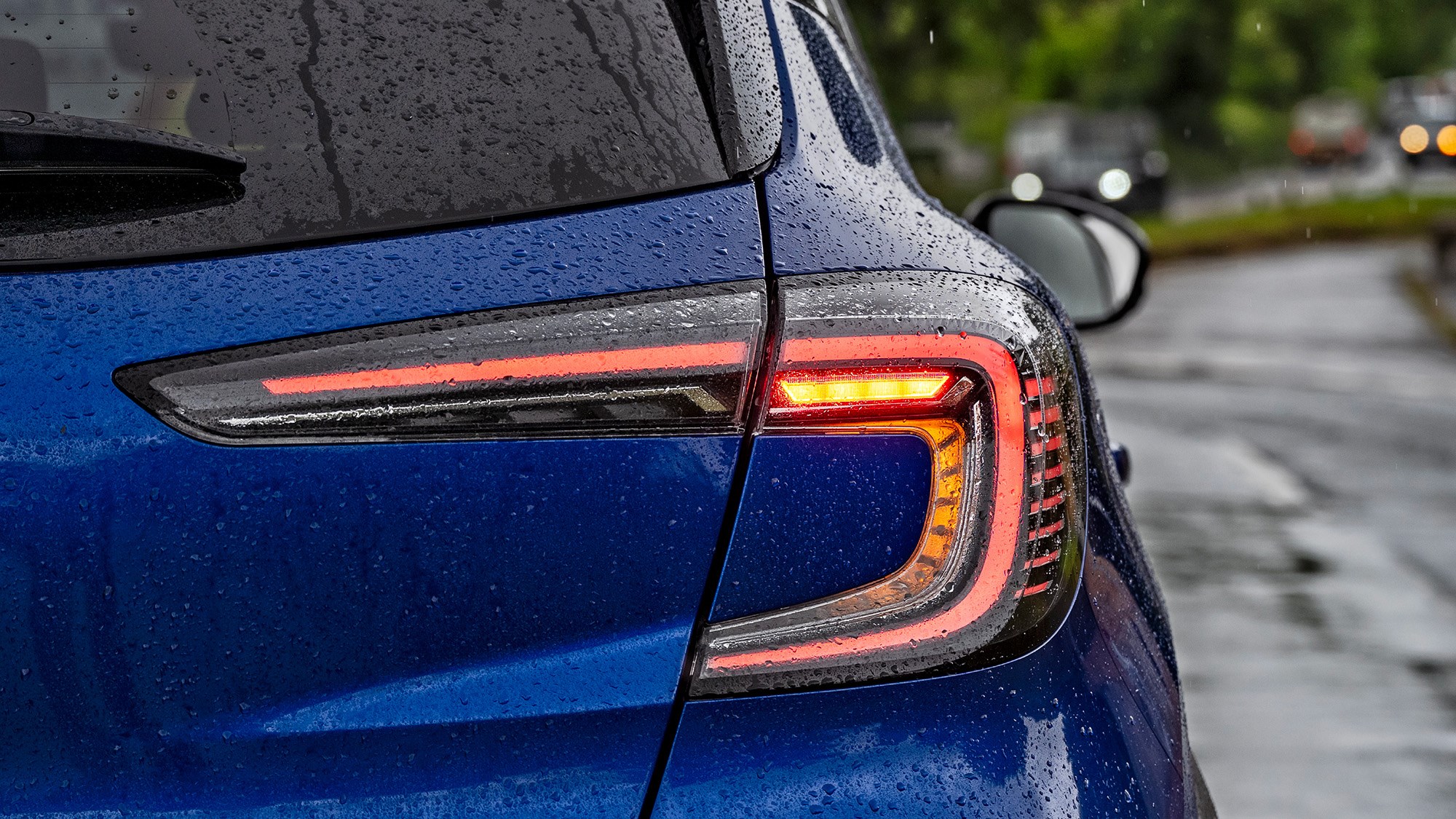
The 2024 update was primarily centred around the visuals, something the Captur has always been pretty good at. It now gets the firm’s family face, giving it a look similar to the Scenic and Symbioz. It plays on Renault’s lozenge-shaped logo, with the pattern making up the grille and daytime running lights.
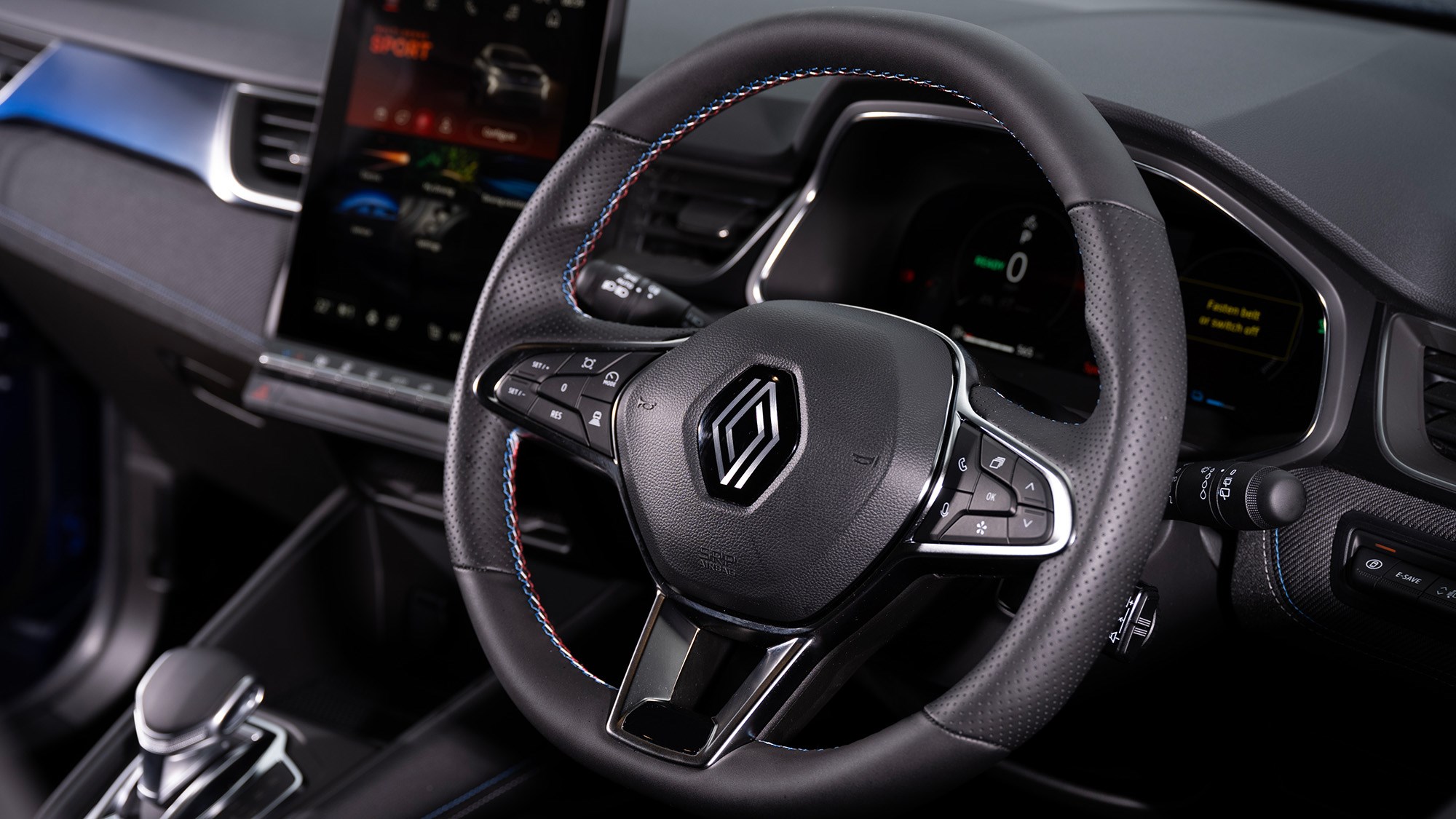
Moving inside, the Captur adopts Renault’s excellent ‘OpenR Link’ infotainment system which includes various built-in Google services – Maps and the voice assistant being the most useful. There are small changes made to the rest of the interior, with various new recycled materials introduced and all leather removed from the cabin. Sustainability box ticked.
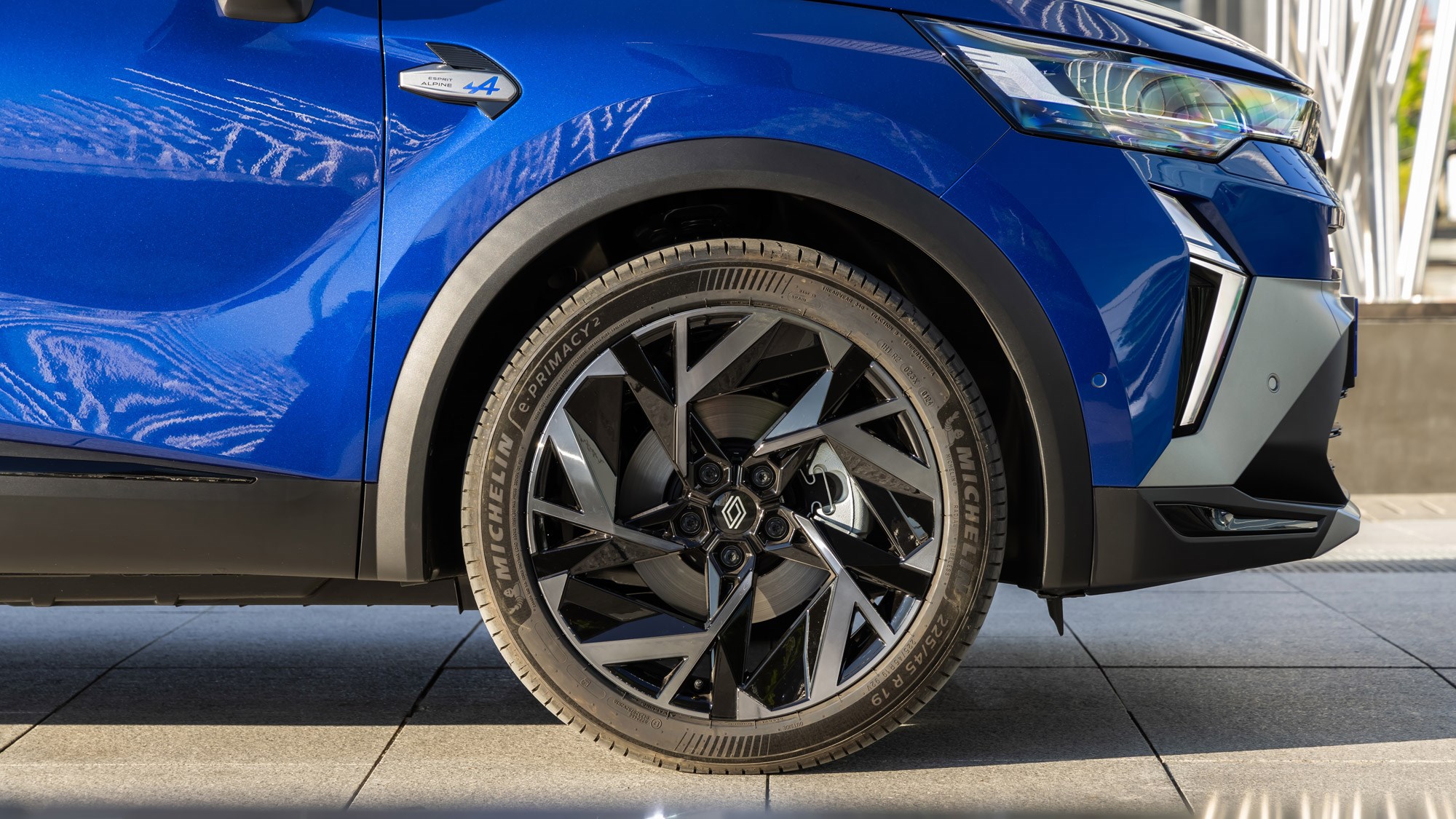
You also get an Alpine badge on a Captur for the first time courtesy of a new Esprit Alpine trim, as seen on the Clio and Austral, which gets larger 19-inch alloy wheels, though it does look rather good.
What are the specs?
Engine choice remains the same as the old Captur – and identical to the Clio supermini, for that matter – with a choice of one petrol and one hybrid. Renault previously offered a plug-in hybrid model but the firm acknowledges that it wasn’t right for the car, and only accounted for around three per cent of total sales, and is now resigned to the history books.
We’ve reviewed the hybrid model here, and you’ll find the same 1.6-litre petrol engine paired with twin electric motors setup on various Renaults these days, developing 158bhp. We tested it in the older 143bhp form for a 0-62mph time of 10.6 seconds and 106mph flat out. It also uses an advanced multi-mode gearbox and a 1.2kWh battery. Note that the 2026 versions have realigned the E-Tech full hybrid 160, with a quoted 158bhp system output – hardware and ethos remain the same – hopefully with more performance.
It’s more tailored towards fuel economy than performance, and that’s where it excels. Renault claims 60mpg, which is quite easily achievable, but far more is possible in careful driving. During a gentle drive on a mix of urban, rural and motorway, we saw 80mpg, which is quite exceptional for a self-charging setup.
The majority of buyers, however, are expected to opt for the entry-level petrol – a 1.0-litre turbocharged engine producing 89bhp and 118lb ft. You can only get it with a six-speed manual gearbox, so if you want an automatic you’ll need a hybrid. Performance figures aren’t anything to shout about – 0-62mph will take up 14.2 seconds of your life, and it’ll hit 104mph if maxed out.
How does it drive?
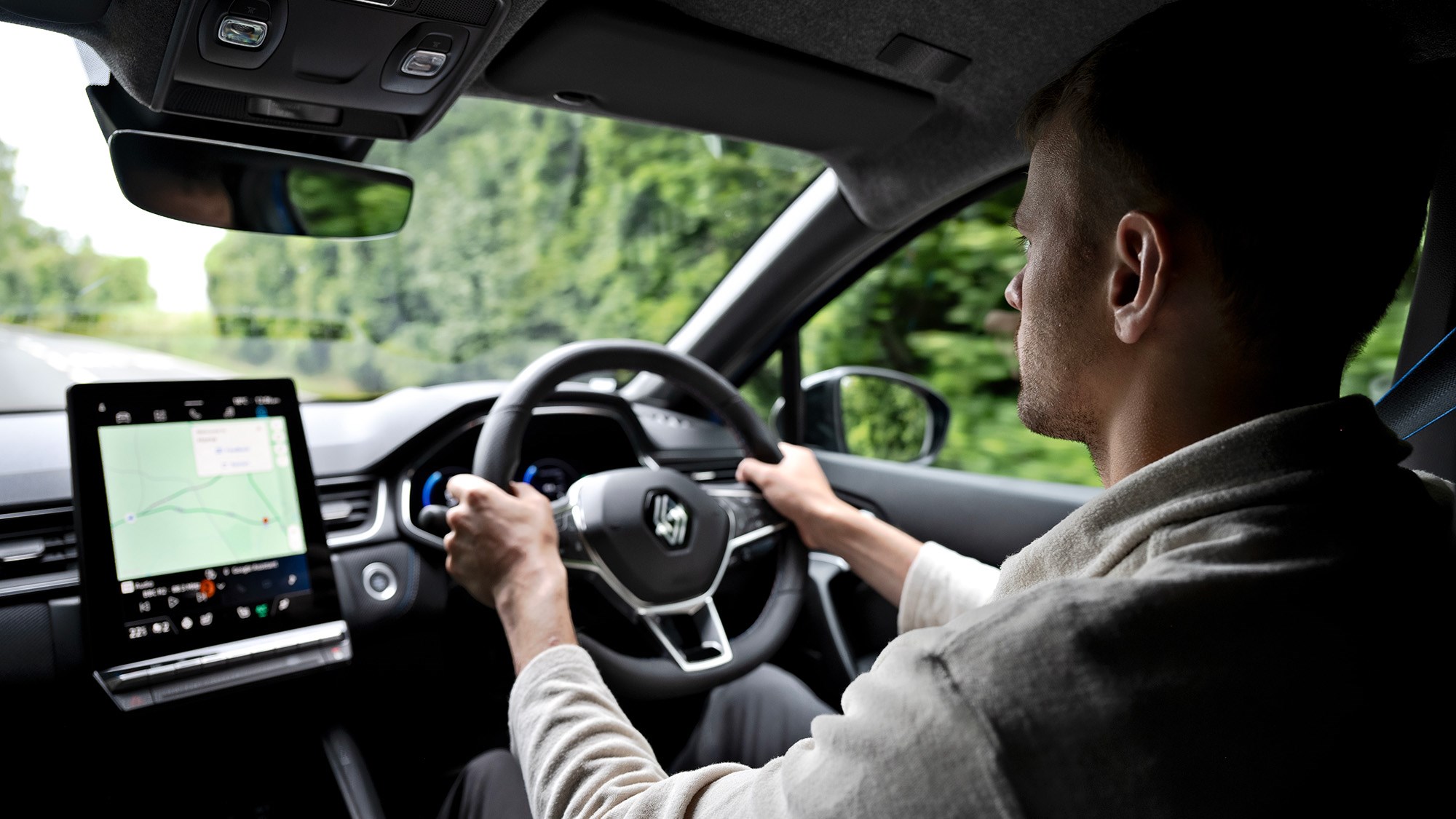
With its 2024-spec suspension setup and steering. It’s still not up there with the Ford Puma for driving pleasure, but the Captur is a very pleasant thing behind the wheel. The steering is direct and grip levels are plentiful, giving the confidence to push the Captur more than you likely would many of its rivals.
There’s a multitude of driving modes to circle through, but despite the changes made to make it feel a bit more ‘dynamic’, the Captur is still most at home in gentler driving, with ‘Comfort’ setting being our preference. We can report that ride generally seems comfortable and compliant, though we’d probably opt for the 18-inch wheels if you value comfort above all else. On the 19-inch wheels of the Esprit Alpine version, it can become quite unsettled at times, but certainly rides better than a Nissan Juke on the same set of wheels.
The Captur’s powertrains are a weakness, with the regular petrol seeming underpowered (on paper at least) and the hybrid not especially smooth. Though Renault has continued to evolve its E-Tech hybrid setup over time, and it’s a dramatic improvement compared to when it first debuted, the sheer complexity of the gearbox means the car is often fumbling about to find the right mode when you put your foot down.
This is especially apparent when going up an incline or heavier acceleration, it can be quite unpleasantly noisy and not as smooth as you’d hope. Despite this, its ability to run as an ‘EV’ is highly impressive, and even at motorway speeds, helping make it very cheap to run.
What about the interior?
The interior of the second-generation Captur has always been one of its highlights, and it’s only improved on this latest car. Renault is playing big on the sustainability focus, and on Techno cars you get a fantastic grey wool-like material that’s used across the seats, door cards and even the headlining. It looks fantastic and the added green credentials are only a bonus.
Material quality is generally excellent, other than on the door cards where some hard plastic is used whereas many rivals have soft-touch materials. It seems like a missed opportunity. Overall it’s a very pleasant cabin, if a little lacking in imagination. Even when spangled in Alpine decoration, the interior is still a little bit bland and can feel like quite a dark room at times. Only a small gripe.
The 10.4-inch touchscreen is standard across the range and with in-built Google Maps and Google Assistant, as well as easy access to lots of apps via the Google Play store, it’s one of the best you’ll find in this segment. The Maps navigation can even be displayed within the digital instrument cluster. Yet physical climate control buttons remain, and it’s a near-perfect balance between tech and usability. One gripe is that the reversing camera seems very decade-old.
Though the Captur might be Renault’s smallest SUV, it’s still usefully spacious, and more so than the Clio. Rear space isn’t as generous as a Volkswagen T-Cross, but there’s room in the back for adults and the 422-litre boot is a decent size, though smaller on the hybrids as that’s where the battery is fitted.
Before you buy
Renault has been pretty aggressive with its pricing of late and the Captur is no different. Current UK list prices peg the Techno TCe 90 from £23,995 and Esprit Alpine E-Tech full hybrid from £28,795, with Evolution below that and finance offers varying by dealer.
The entry-level Evolution trim is crammed with equipment and includes 17-inch alloys, the full-size touchscreen and a digital instrument cluster. Add to this a wireless phone charger, keyless entry and a reversing camera.
We’d be tempted to splash for the Techno as this gets the various onboard Google services, along with ambient interior lighting, a larger digital instrument cluster and roof bars. At the top of the tree is the Esprit Alpine, which majors on style with its 19-inch alloy wheels and two-tone paint, though you also get heated front seats and adaptive cruise control.
Renault UK
Key rivals include the facelifted Ford Puma, Nissan Juke, Toyota Yaris Cross, Skoda Kamiq and Volkswagen T-Cross, all of which have been updated or remain freshly competitive.
Verdict
The Renault Captur has long been one of CAR’s favourite compact SUVs and it firmly retains its place on that list. It looks the part and the interior changes give it perhaps the best cabin in this class from a quality and technology perspective.
The hybrid powertrain system, despite its superb fuel economy, could be smoother still – Toyota and its Yaris Cross do things much better – and there feels room for a more powerful turbocharged petrol engine. Yet the pros massively outweigh the cons as the cherry on top of the cake is its keen pricing and likely strong finance deals. Considering all those factors, the Captur is up there with the very best this class has to offer, and it remains firmly in production in the UK with petrol and full-hybrid choices.
Renault UK
Specs as tested: Renault Captur Hybrid 145 Esprit Alpine.