► A facelift for the Vauxhall Corsa
► ICE engines remain unchanged
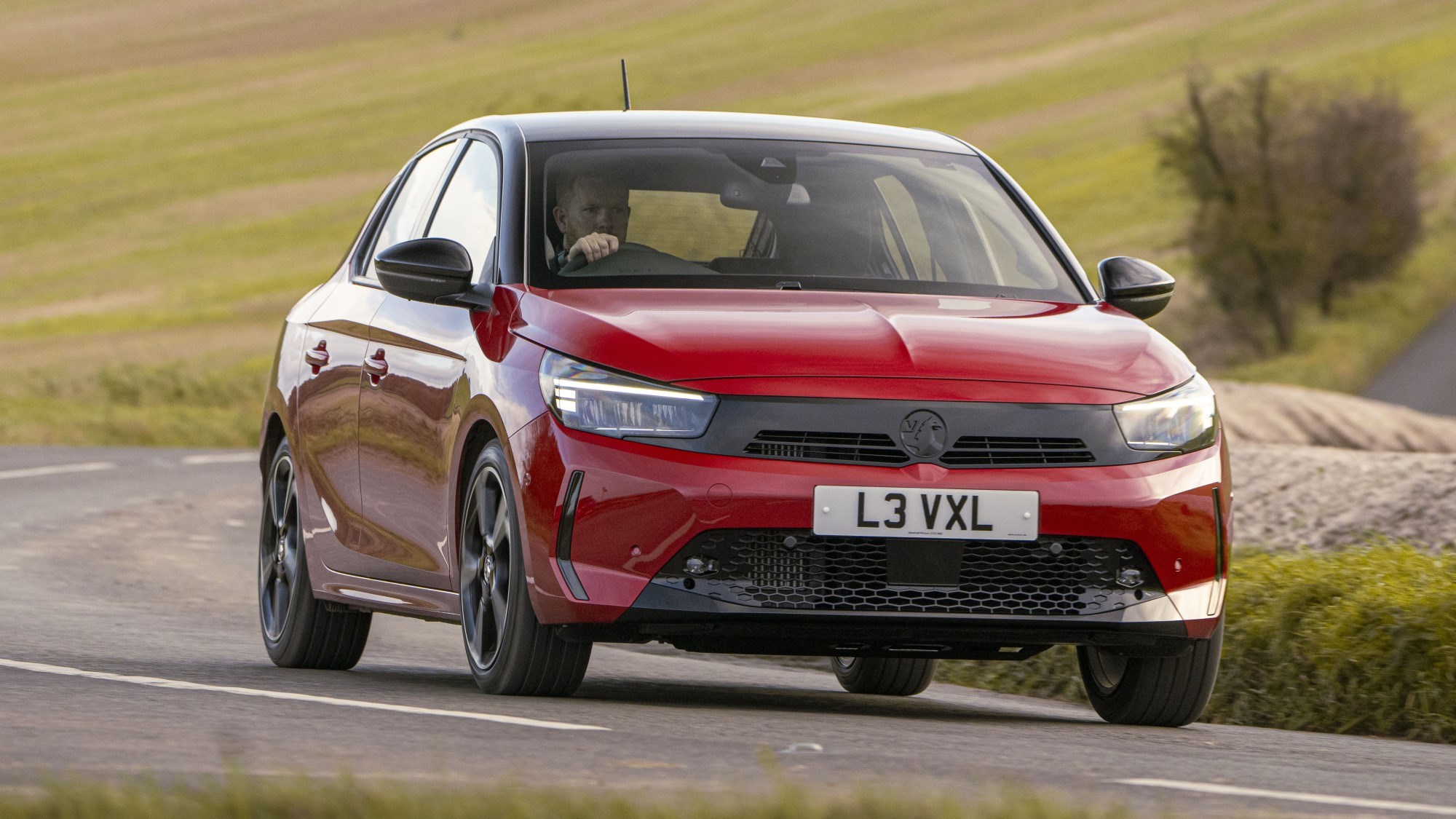
► Gains the Vauxhall Vizor front end
The Ford Fiesta may have been retired, but that doesn’t mean the supermini class completely dead. That’s right, we’ve still got its arch nemesis, the Vauxhall Corsa – it recently underwent a facelift. The Corsa’s got some other competition too: the Fiesta is gone, but the Renault Clio, Peugeot 208 and Seat Ibiza are still very much around and worthy of a look.
So, is the still Corsa still one of the best superminis you can buy, or has it lost its edge now the Fiesta has gone. A bit like Tom and Jerry, without Jerry. To find out we drove the latest iteration of the new Vauxhall Corsa.
Should I buy a Vauxhall Corsa? Yes. It’s still solid, though less of a bargain nowadays.
At a glance
Pros: Smart new Vizor grille, refined drive, better infotainment.
Cons: Mild-hybrid system feels surplus, cabin can feel cheap.
What’s new?
The 2023 facelift changed things, but not too much. For example, the interior hasn’t changed dramatically. It still feels sturdy but still a little subdued next to the plusher and snazzier 208’s cabin. And Vauxhall’s not made any mechanical upgrades to the petrol models (the Corsa Electric versions have enhancements, including a better range and faster charging) but there’s added zestiness here and there to keep the Corsa fresh.
We’re talking small trinkets, such as the redesigned steering wheel, to grander additions, including a new Qualcomm Snapdragon infotainment system with a 10.0-inch screen and over-the-air updates. There are also LED headlights across the range.
What are the specs?
Outright, it’ll do 0-62mph in 9.9 seconds and, with a welcome dose of low-end grunt, you can make decent progress even when you’re not leathering it. If you need more potency there’s the 128bhp version, which hits 62mph from rest in 8.7 seconds, but the 74bhp naturally aspirated model is likely to remain as asthmatic as it was in the outgoing model.
The 75bhp engine comes with a five-speed gearbox, while the turbo versions have six speeds (and the option of an eight-speed auto for the 99bhp; that’s standard on the 128bhp).
How does it drive?
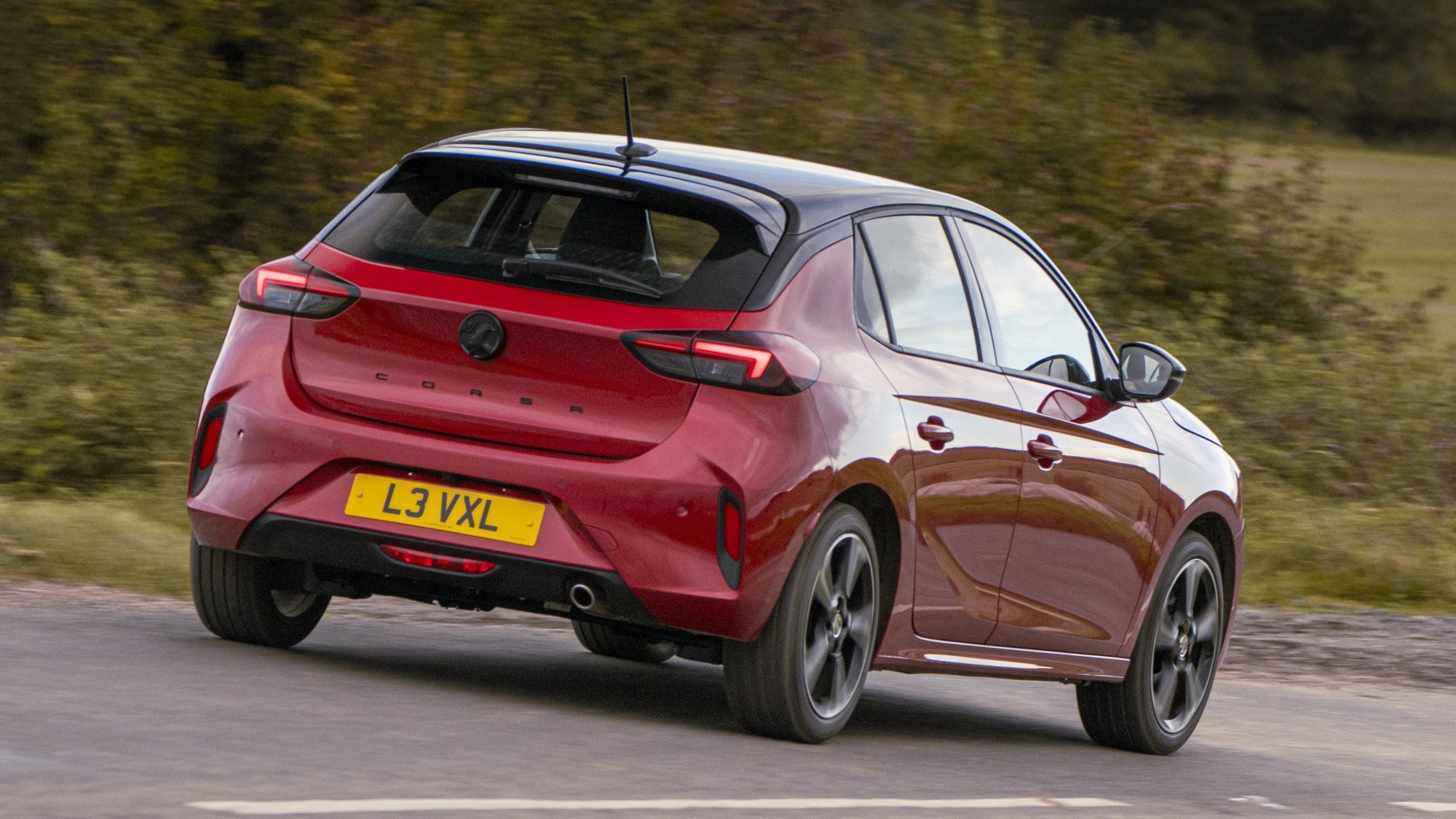
Does it still oversteer? No, but you can trim its mid-bend attitude with a little lift of the throttle if the front end starts heading for a hedge. Overall, it’s a grippy and nicely balanced supermini, and Vauxhall’s stiffer set-up (compared with the 208) is better at limiting lean and keeps more composure over undulating roads to give you confidence. That’s a tick if you prefer something sportier.
The Corsa’s steering is also changed over the 208, but that’s less good. It’s slow and a little vague over the first few degrees, then ramps up in speed suddenly thereafter. Combine those two traits and its initial lightness (GS and Ultimate trims have a sport button to add weight) and it takes some time to gel with. So for something that handles with more Fiesta-style verve, try the Renault Clio or Seat Ibiza.
Because it’s firmer, the Corsa doesn’t ride with the 208’s soft-edged panache, but it’s far from jarring. Jiggly is about as niggly as it gets, especially at low speeds, because it’s markedly more settled as you up the mph. That’s something you can do easily enough with the smooth yet thrummy 99bhp 1.2 turbo triple we tried.
The pedals are offset to the right, and when combined with the lack of resistance at the top of the brake pedal, it means heel and toeing isn’t easy. If all you desire is to potter about town, it’s fine.
Venture onto faster roads and you’ll hear some wind noise coming from the door mirrors and B pillars, plus some tyre noise – although it’s arguably quieter than the Clio in that respect. Suspension noise is generally well suppressed.
What about the interior?
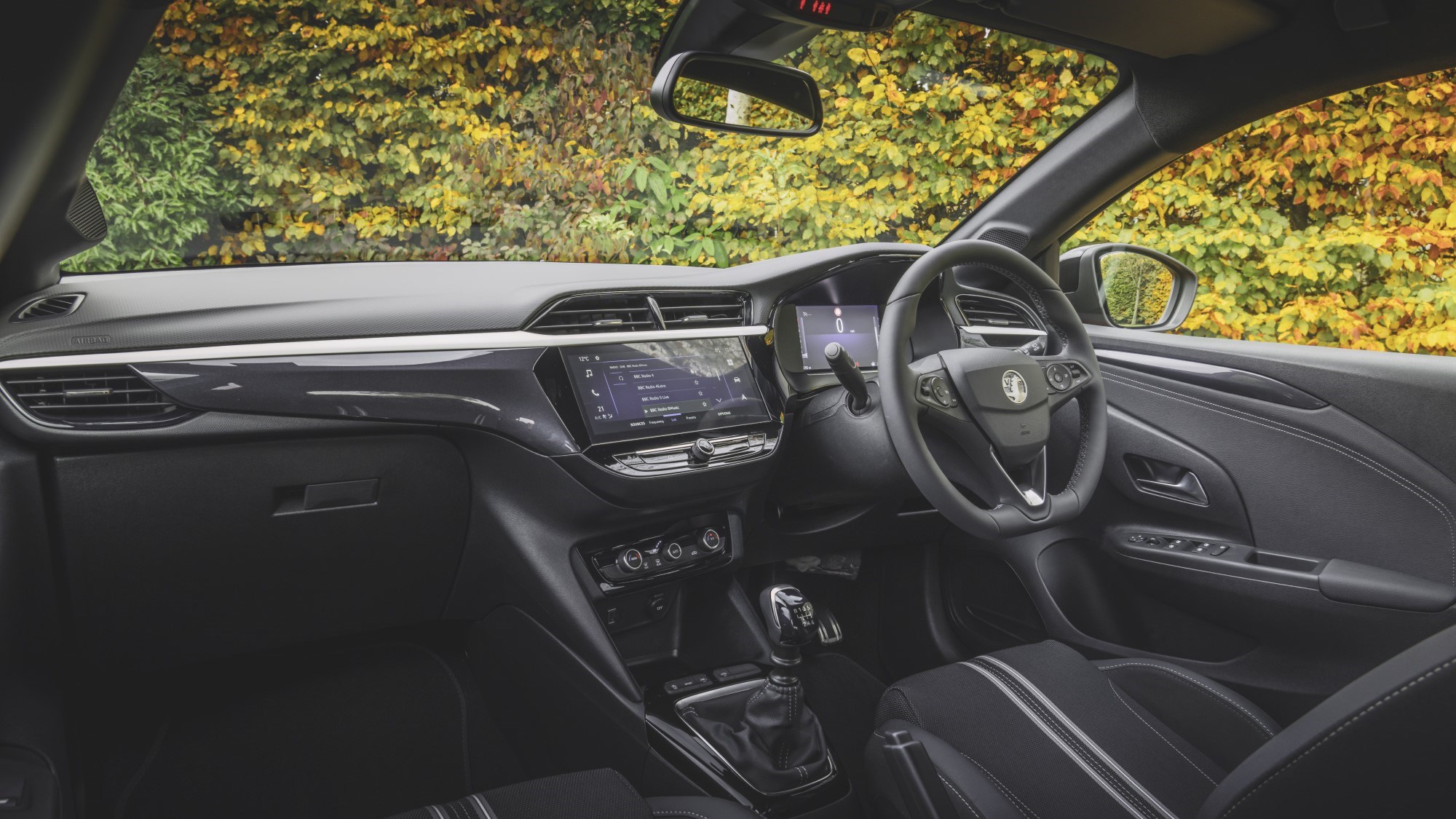
Inside, the Corsa has matured. High-gloss trim and satin chrome add sophistication, and digital screens are easier to use. Physical climate controls remain—a welcome practical touch compared to touchscreen-only rivals. Build quality feels more solid, though a few hard plastics remind you of its low-cost origins. Rear‑seat space is modest, and the boot is smaller than that of some rival superminis.
We’re talking small trinkets, such as the redesigned steering wheel, to grander additions, including a new Qualcomm Snapdragon infotainment system with a 10.0-inch screen and over-the-air updates. There are also LED headlights across the range, and that range has been streamlined to just three trims: Design, GS and Ultimate.
Before you buy
The range has been streamlined to just four trims: Yes, Design, GS and Ultimate.
Yes starts off at £19,410 while Design starts at £21,275 and comes with rear-parking sensors, auto wipers and cruise control, but you have to make do with the previous (PSA-derived) infotainment package – so a titchy 7.0-inch screen and no over-the-air updates, but wireless smartphone mirroring is included.
GS gets you 17-inch alloys, climate control, blind-spot warning and a rear camera, plus a sportier look thanks to privacy glass, a black roof and black door mirrors. That costs from £23,655 and also lands the bigger 10.0-inch screen and that fancy new software, which, it must be said, is more responsive than the older tech in the lesser trim.
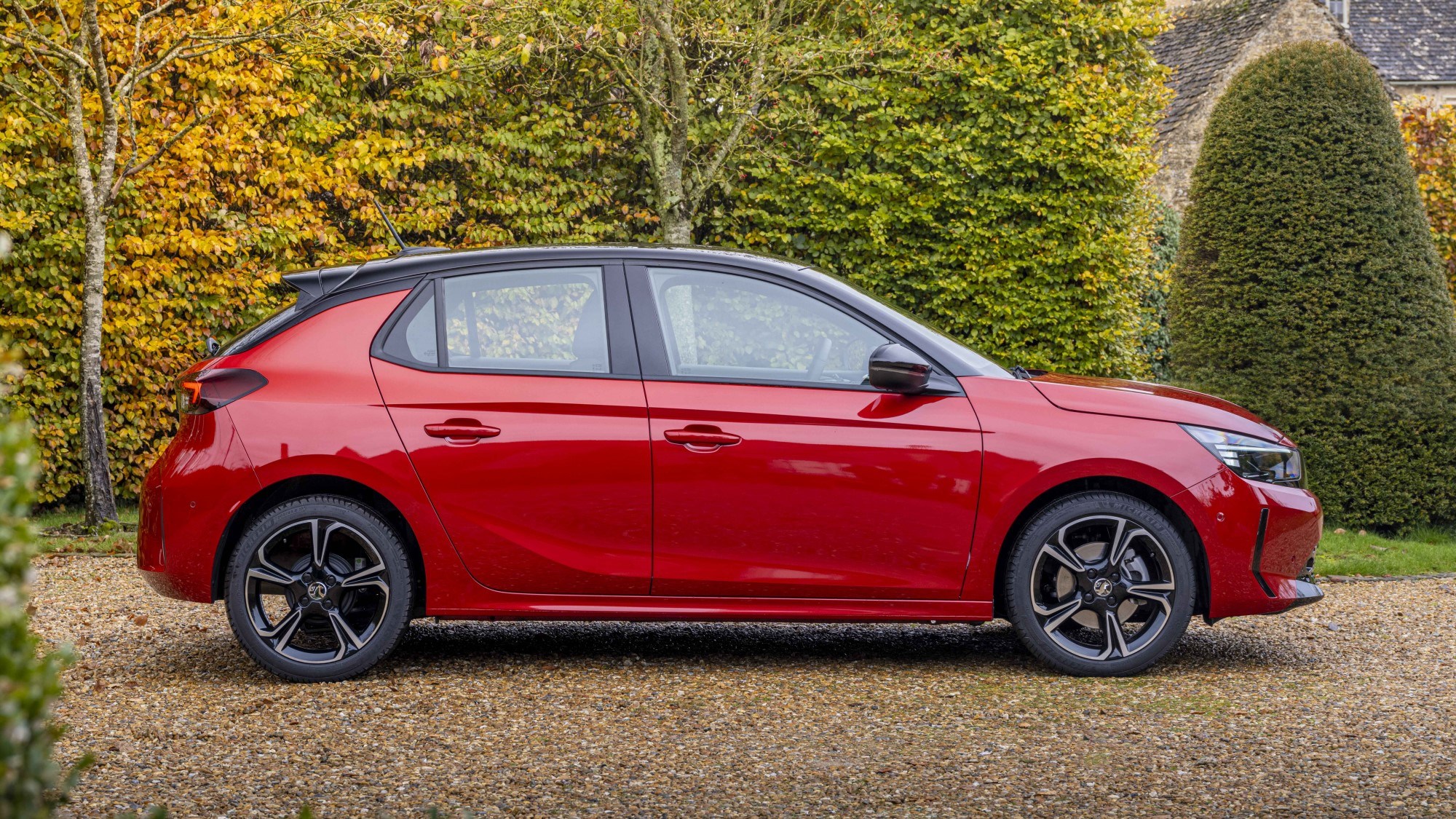
The price of the Ultimate is a bit spicy at £26,435, but its Swiss Army Knife equipment tally includes keyless entry, electric driver’s seat, adaptive cruise, and IntelliLux LED Pixel adaptive headlights.
Verdict
The new Corsa isn’t vastly improved so it’s still no class leader. Instead, it remains a good all-rounder. The ride and handling balance is a good compromise, the 100hp engine proves frugal and performs well, and, for a supermini, there’s enough space inside – even if it’s still tricky getting in and out of the rear seats with those narrow rear doors.
No doubt with its sharper looks, new infotainment and new features it has added showroom appeal, but that’s tempered by higher prices that make it less of the bargain it once was.