► We’ve driven the prototype Volkswagen ID. Polo
► And it’s a big one, the first ID. model to use a heritage nameplate
► Part of Volkswagen’s new MEB+ platform
It’s always been easy to overlook the Volkswagen Polo, hasn’t it? It’s not through any fault of its own either. It’s diligently performed the job of dependable supermini for the last 50 years, but it’s always sat in the shadow of the Volkswagen Golf. The Volkswagen ID. Polo could change this though.
It’s a tall order for the ID. Polo. It has the herculean task of being the first heritage nameplates to be brought into the electric age, in the same way the ID.4 will become the ID. Tiguan in 2026.
Ahead of its reveal in early next year, we managed to take a camouflaged prototype for drive to gauge whether Volkswagen’s take on a small electric car is worth waiting for. Read on to see if the VW ID. Polo is one to watch for 2026 or learn why you can trust us by reading our how we test cars page.
At a glance:
Pros: Excellent brake feel, keen handling, nippy performance
Cons: We’re still waiting for UK pricing, more wind noise than expected
What’s new?
A lot, including the underpinnings. The ID. Polo sits on the new MEB+ platform that’s shared with the Cupra Raval, Volkswagen ID. Cross, and Skoda Epiq, collectively known as the ‘Electric Urban Car Family’. MEB+ is also set to underpin a host of substantial facelifts for existing VW EVs in 2026.
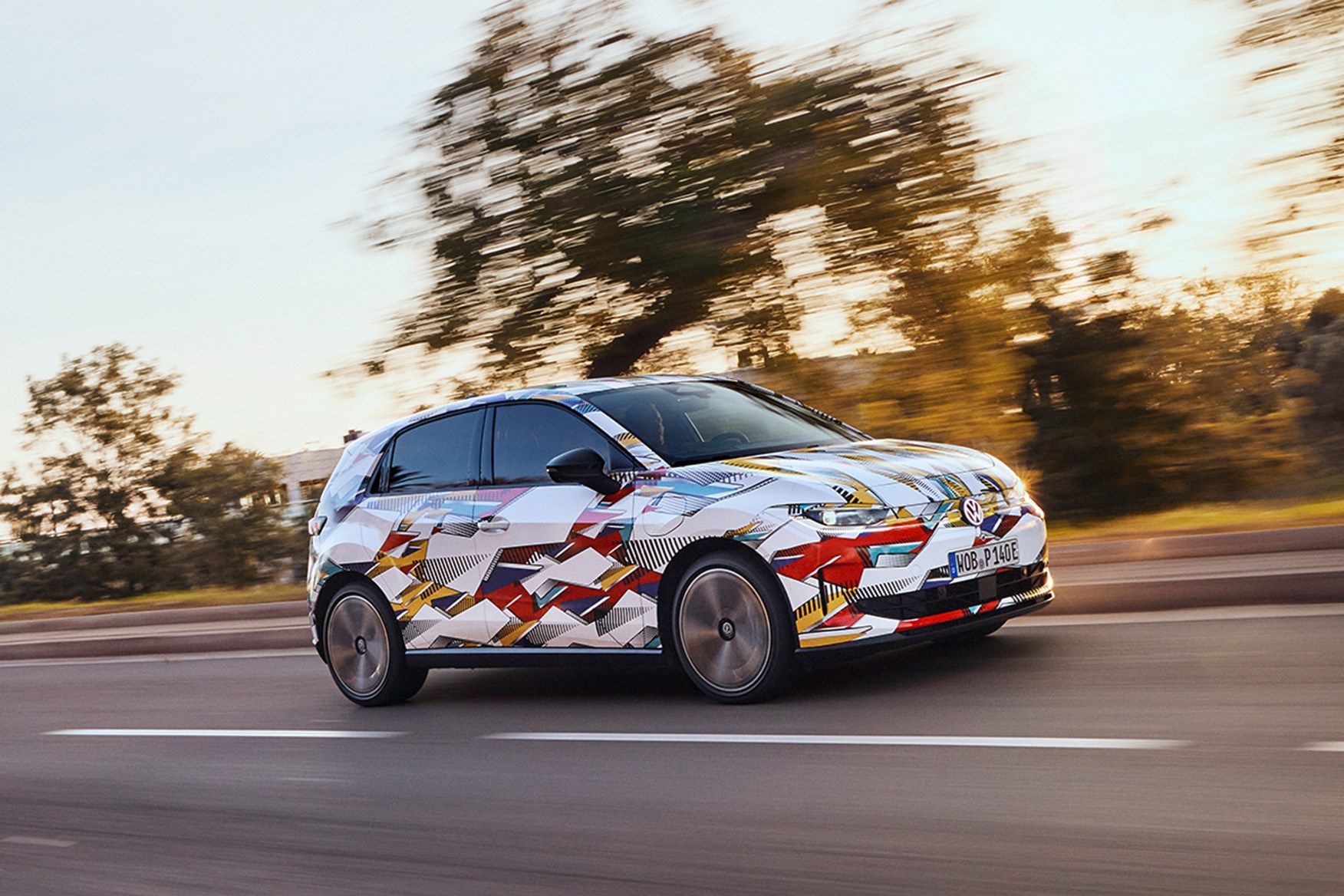
For my prototype drive I’m accompanied by Bastian Werner, spokesperson for the Urban Electric family in Whole Vehicle Development, who compares the developments from MEB to MEB+ to MQB and MQBevo – internally nicknamed ‘MQB perfect’. That’s fighting talk for a platform that didn’t have the easiest of births.
What are the specs?
I’ll start with the big one, batteries. There are two options to pick from, starting with the smaller 37kWh lithium iron phosphate (LFP) option that’s capable of an official range of 186 miles. The larger 52kWh lithium nickel manganese (NMC) battery, meanwhile, manages 279 miles on a charge.
And despite the difference in size, both batteries are within three kilograms of each other, which means there isn’t any extra engineering involved to account for the different batteries and all ID. Polos sit at just north of 1,500kg. ‘A happy coincidence,’ Werner points out.
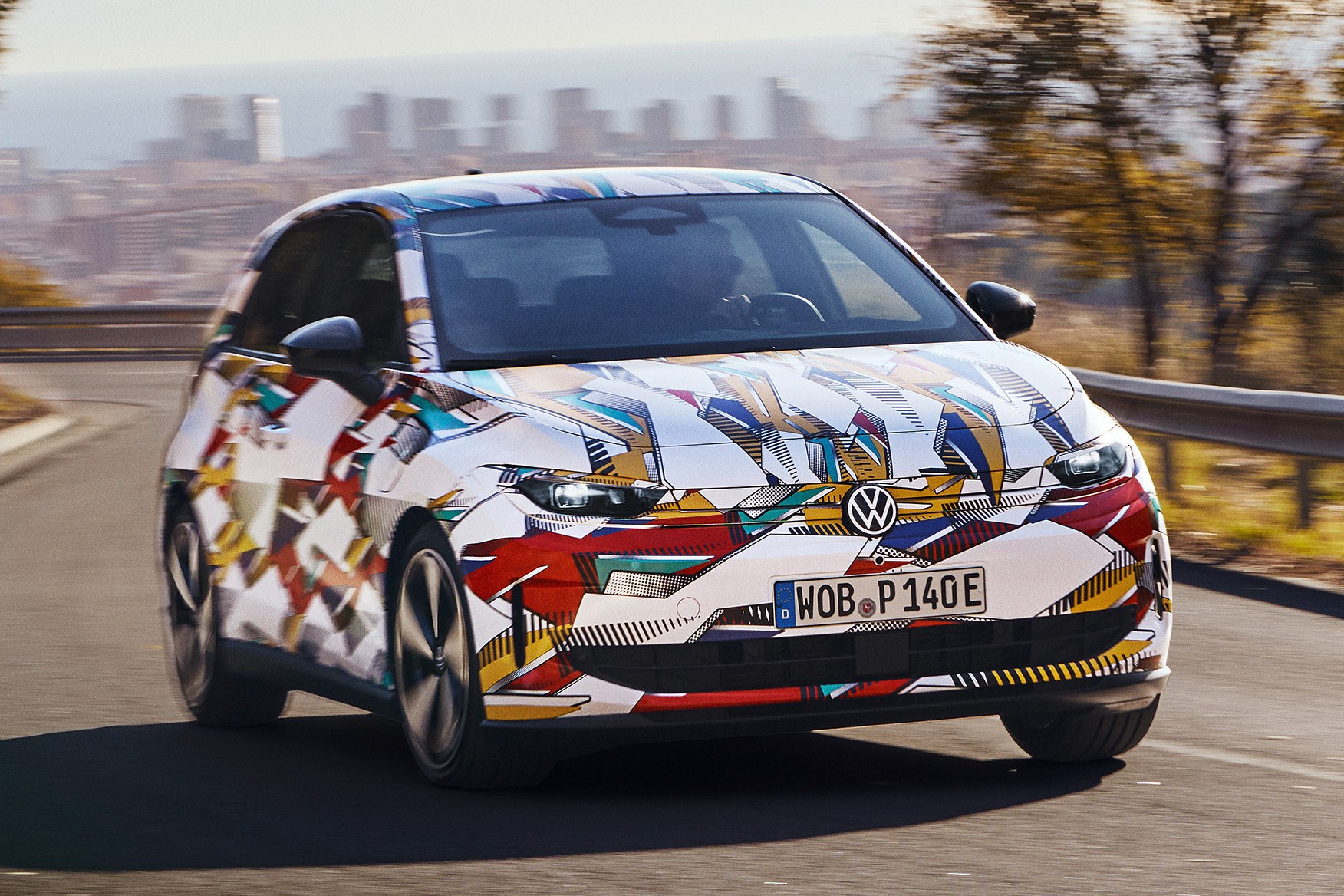
Charging performance looks promising too. The 37kWh battery supports DC fast charging at up to 90kW, allowing a 10–80% top-up in just 27 minutes. The 52kWh option has a peak charging speed of 130kW, meaning the same charge window is cut to 23 minutes.
Buyers will also have a choice of four power outputs in total, with two versions available for each battery size. ID. Polos with the smaller battery will be available in 114 and 133bhp guises, while the larger battery comes in 208 and 223bhp flavours. The most powerful of these will be badged as the ID. Polo GTI – the first use of the iconic performance nameplate for an EV. My time behind the wheel was spent in a 208bhp example.
UK prices aren’t confirmed yet, but Volkswagen did confirm that the base model will come in at less than €25,000 (£21,935), which is slightly less than the Cupra Raval and pits the ID. Polo squarely against the Renault 5 E-Tech.
What’s it like to drive?
With the Renault 5-Tech a natural benchmark of electric small cars, it’s going to have to be a nice car to drive, and this prototype is pointing to good things.
The brakes are the biggest and most impressive development for anyone who’s experience a current electric Volkswagen. They’re a pleasure to use thanks to an accurate pedal feel and good weight. Part of this step up comes from the inclusion of disc brakes front and rear, ditching the drum setup still found at the back of every current MEB model, and a new one-box brake system.
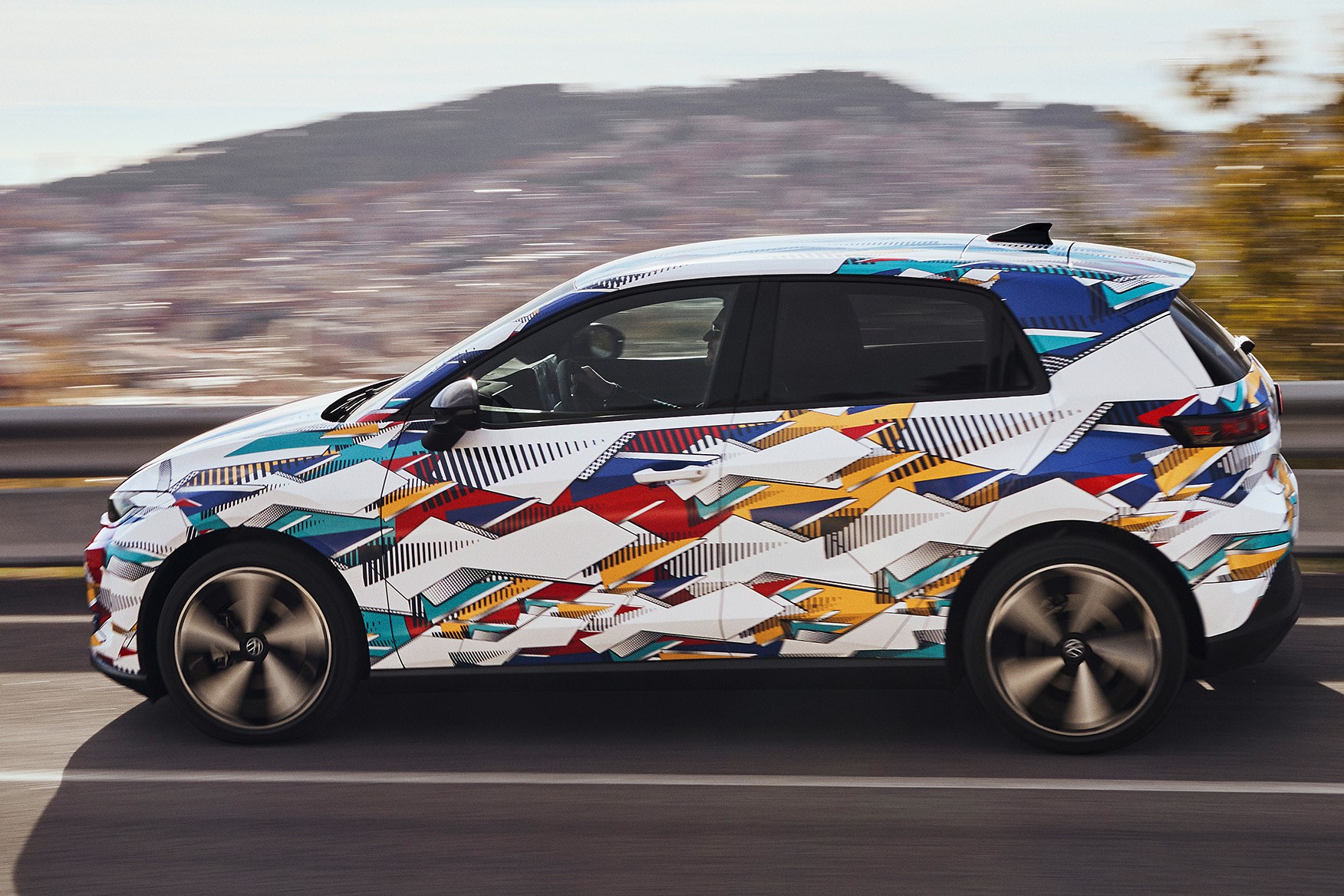
Brake regeneration is equally impressive. It’s intuitive and never grabby or clumsy in its response. Werner recommended I give the mode a go on the twister roads of the Spanish hills, and it proved to be sage advice with how alert it helped the car feel.
The steering also came into its own on these tight hairpin corners. It’s nicely weighted at speeds and accurate too. Combine that with a planted yet agile front end and it proved a lot of fun. The fact the ID. Polo is front-wheel drive – now possible with MEB+ – also helps with this old-school small car feel.
Most of my route was on well-surfaced roads, but a 500-metre section of dusty tracks more suited to a rally car didn’t rattle anything lose, either on the car or my body. While there’s a clear firmness to the setup, it never strayed into discomfort. The only real issue that cropped up was more wind noise from the door mirrors than I’d have liked.
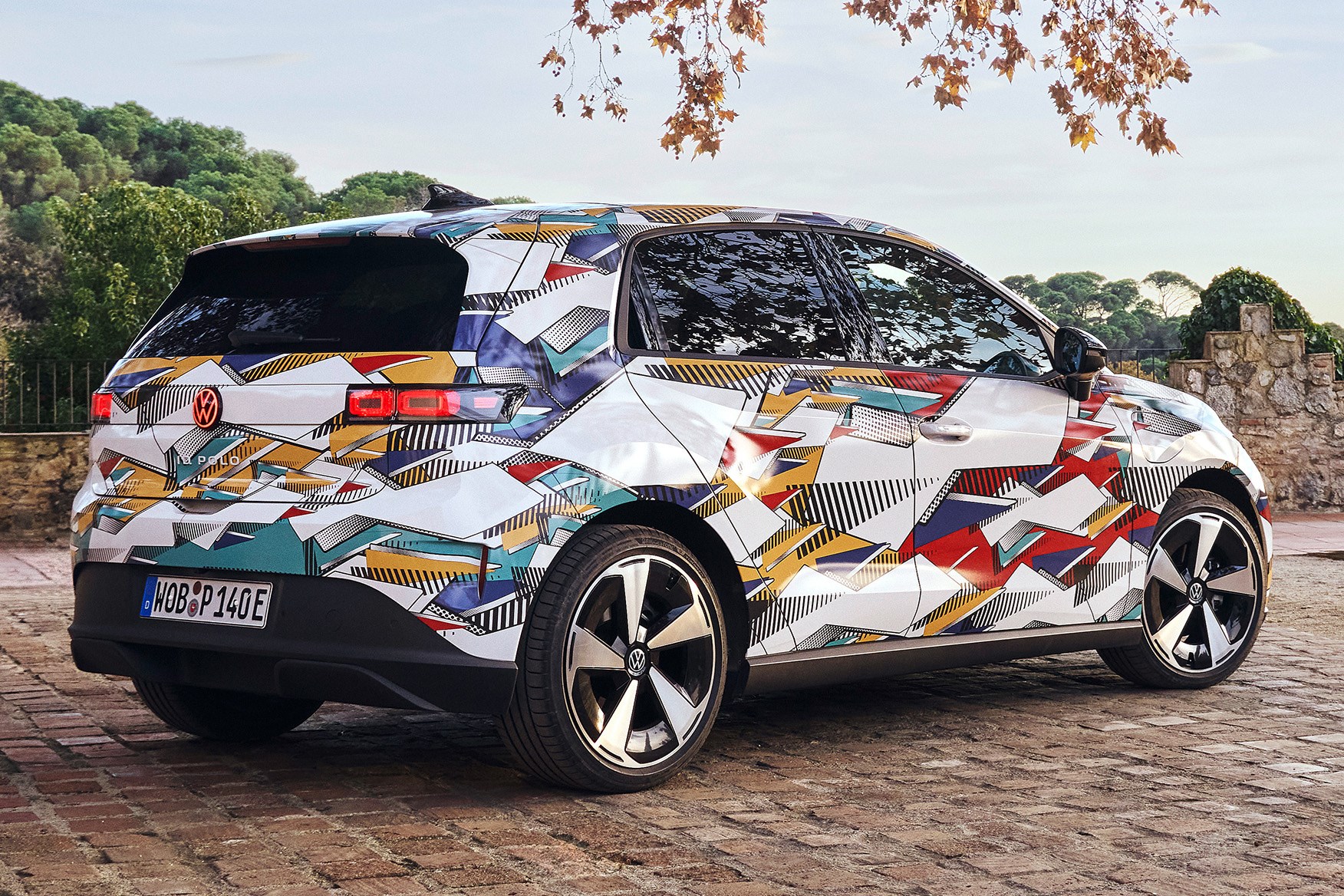
Performance from the 208bhp example was well-calibrated too. It’s not silly levels of fast, but is nippy enough for motorway traffic and darting up short slip roads without getting a sweat on. And despite a few attempts to upset the tyres with a sharp burst of acceleration, power delivery was always smooth and linear. Good stuff.
What about the interior?
That I can’t say. The ID. Polo I drove had every square inch of its interior disguised by black cloth.
Verdict
This is all very promising. If the VW ID. Polo can continue the momentum this prototype has started, it deserves to sell well. MEB+ does a lot to refine and work out the teething problems MEB faced, so this could be the starting pistol for a VW renaissance.
There’s still the matter of the interior, boot, equipment levels and UK pricing to get past before I can conclusively say the ID. Polo is worth recommending, but the bones of the car are exceedingly solid. I’d be keeping a close eye out if I were Renault…