► BYD’s PHEV-only estate driven in the UK
► Two battery sizes, both under £40k
► Unpolished driving dynamics
After blitzing us with electric cars, BYD has read the market and started its plug-in hybrid attack. The Seal U is proving popular in company car circles, so now it’s time for something that has become something of a niche, the conventional saloon and estate car. Here, we’re focussing on the BYD Seal 6 Touring, with the Seal 6 saloon getting its own separate review.
Both are designed to undercut everything from the Skoda Octavia iV to the BMW 330e – and BYD hopes to drag buyers into its showrooms on the merits of its intelligent hybrid system and strong standard equipment levels. On paper, it’s a tempting choice.
Unusually there are two battery sizes offered, and we’ve now experienced both on UK roads. Keep reading for our full review, and check out our how we test page to discover our processes.
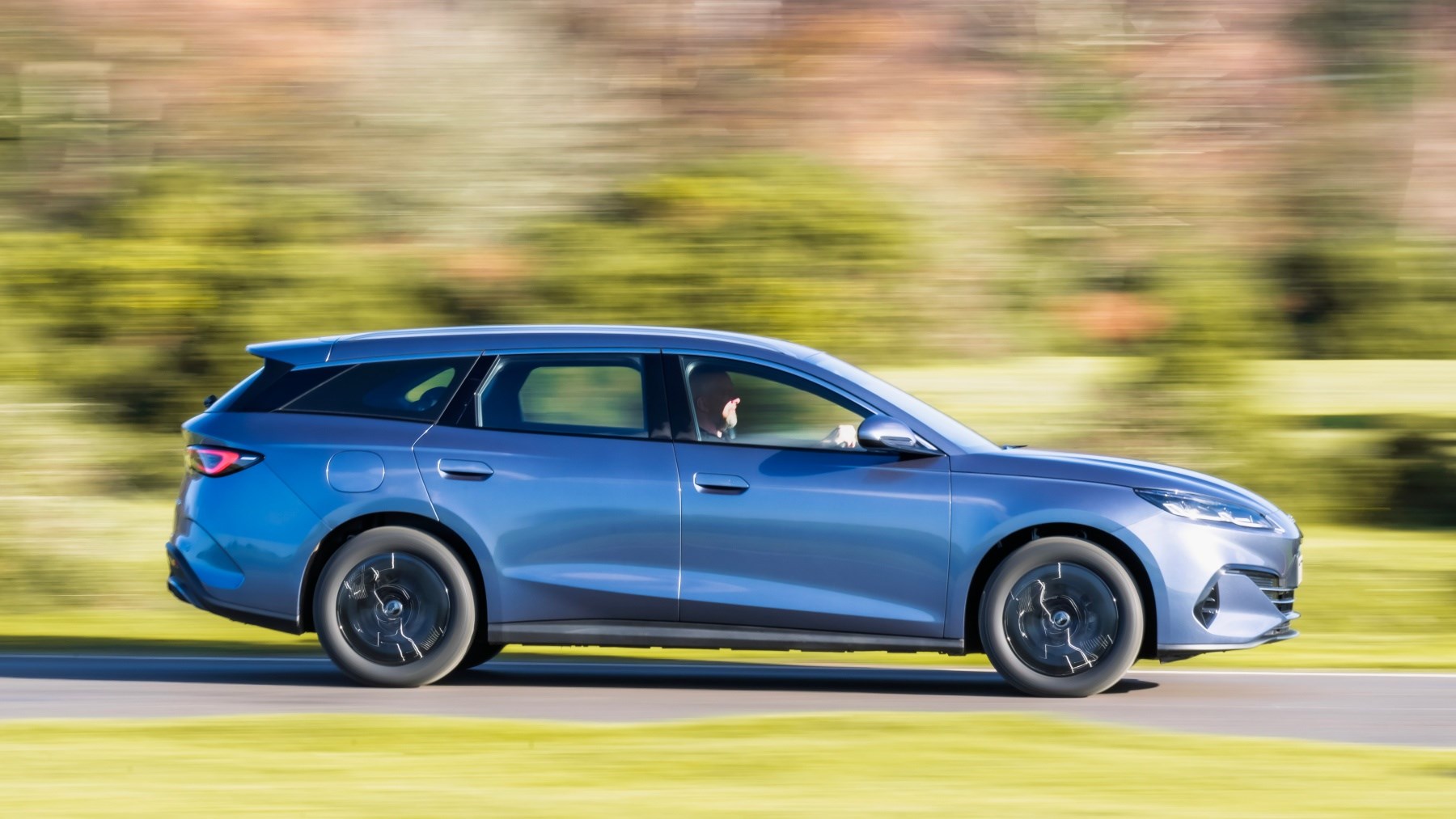
Should you buy a BYD Seal 6 Touring? If you remotely like driving, run a mile. If you can put up with the disappointing dynamics though, this is a well-equipped and spacious plug-in estate that has some appeal.
At a glance
Pros: Loads of passenger space, plush interior, attractive price
Cons: Firm ride, woeful steering, sluggish at motorway speeds, noisy engine
What’s new?
At face value, not loads. It shares a platform and hybrid system with the Seal U DM-i, albeit with a smaller battery pack to suit the packaging constraints of this car’s smaller footprint. There are hints of Seal EV to the shape, albeit on a far less well-proportioned body.
But BYD says the Seal 6 represents an incremental improvement over its current range of cars. So, the hybrid system is a little more efficient. The cabin is a little simpler. The infotainment system is a little more approachable – and the price remains attractive.
You’ll pay a £1,000 premium over the saloon for a starting price of £35k, rising to £38k for Comfort with the bigger battery. That’s makes it around £10,000 less than the BMW 330e Touring and Volkswagen Passat e-Hybrid.
What are the specs?
The Seal 6 is powered by BYD’s augustly named ‘Super Hybrid’ system. It blends the brand’s own 1.5-litre four-cylinder petrol engine with a pair of electric motors – and there are two different battery packs and power outputs, depending on specification.
Entry-level Boost models have a 10kWh battery, a maximum electric driving range of 34 miles and a combined output of 181bhp. Comfort Lite and Comfort models have larger 19kWh batteries, longer 65-mile EV driving ranges and punchier 209bhp outputs. 0-62mph takes 8.9 seconds for the lesser system, and 8.5 for the more powerful one.
These stats are pretty average where PHEV estates are concerned, but BYD insists its powertrain has the edge over its rivals on long journeys. That’s because, instead of blowing all its EV range in one go, the Seal 6 has been programmed to ration out its battery power slowly. In theory, the motors spend more time supporting the petrol engine – and you spend less time dragging around the dead weight of a depleted hybrid system.
We’ve seen 50mpg on a mixture of French A and B roads with plenty of charge showing, but our UK drive highlighted much less impressive economy if you don’t charge up. With the battery hovering around 15% charge, we saw mid-30s mpg. Charge before you set off and it makes it an interesting option for long-distance drivers, as its 65-litre tank and 65-mile electric range gives the car a theoretical maximum range of almost 800 miles.
How does it drive?
Reasonably inoffensively if you’re mooching along, getting progressively worse the harder you drive it. Regardless of your pace, there are a number of underlying niggles that just wouldn’t fly with the brands we’re more familiar with. For starters, the ride is rather jiggly.
It’s not like the Seal 6 is particularly stiffly sprung, dealing with large but smoothly surfaced speedbumps gently. However, the suspension just can’t react quickly enough to deal with the pockmarked roads so common in this country, and it’s not like there’s tight control of body movements, either.
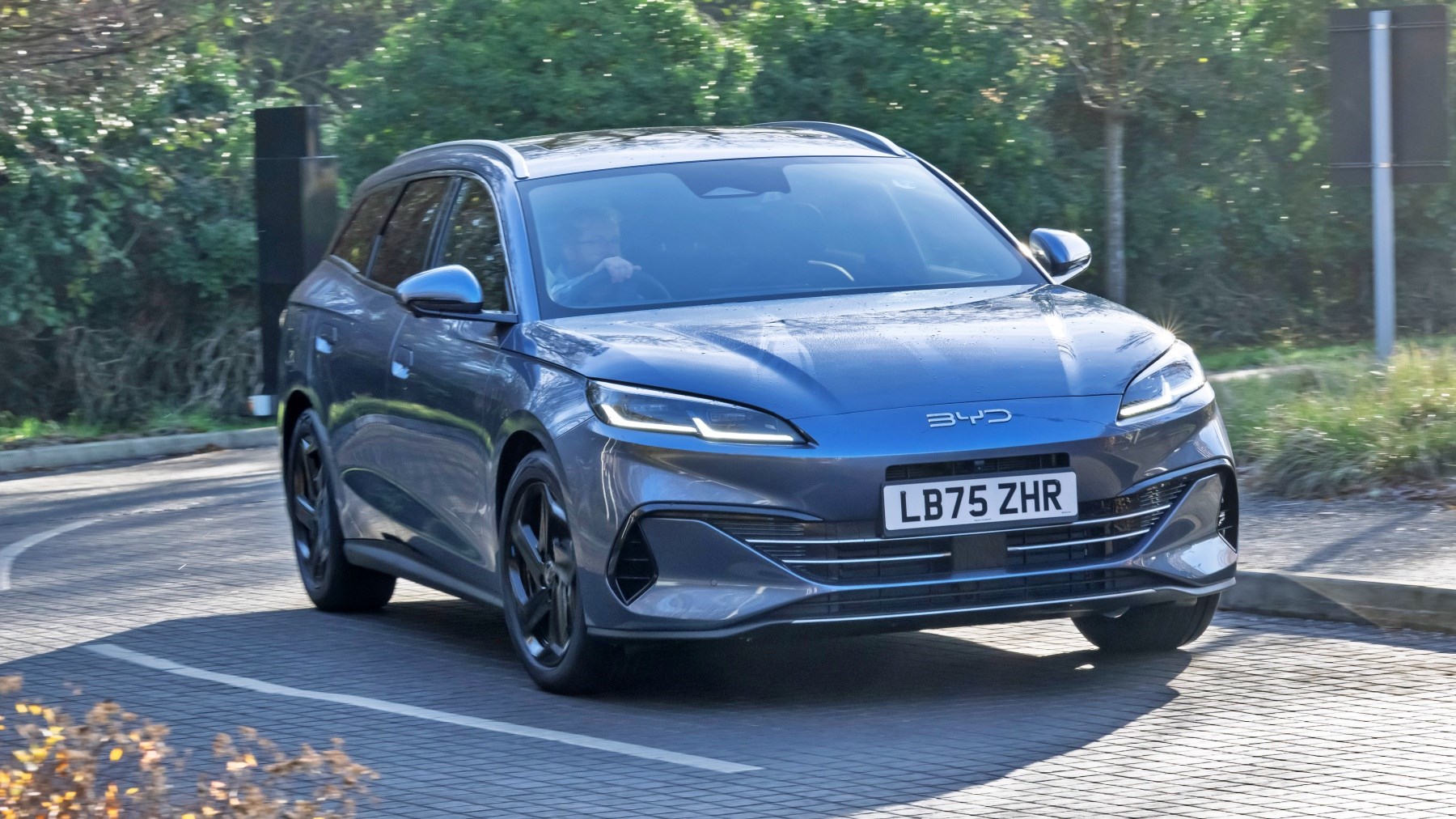
That makes it quite tiring to drive on a country lane, as the chassis is constantly nudging you around in your seat and the numb, vague steering always seems to need some sort of correction to keep you tracking straight. Relatively low grip levels, a nose-led balance and the odd bit of scrappy wheelspin out of tight bends mean you won’t be having any fun.
Mercifully, the chassis settles down into a refined cruise once you steer onto a major road – and it’s here where the Seal 6 DM-i finds its rhythm. On well-surfaced Tarmac, this is a decent tool for covering obscene distances in. Keep to a gentle pace and the cabin is remarkably quiet for a combustion-engined car.
Wind and road noise are stifled admirably and, because the electric motor is powerful enough to move the car around by itself, the engine spends most of its time barely ticking over in the background. It only makes its presence known when you mash your right foot into the firewall, at which point the revs scream to the redline like a CVT-equipped hybrid.
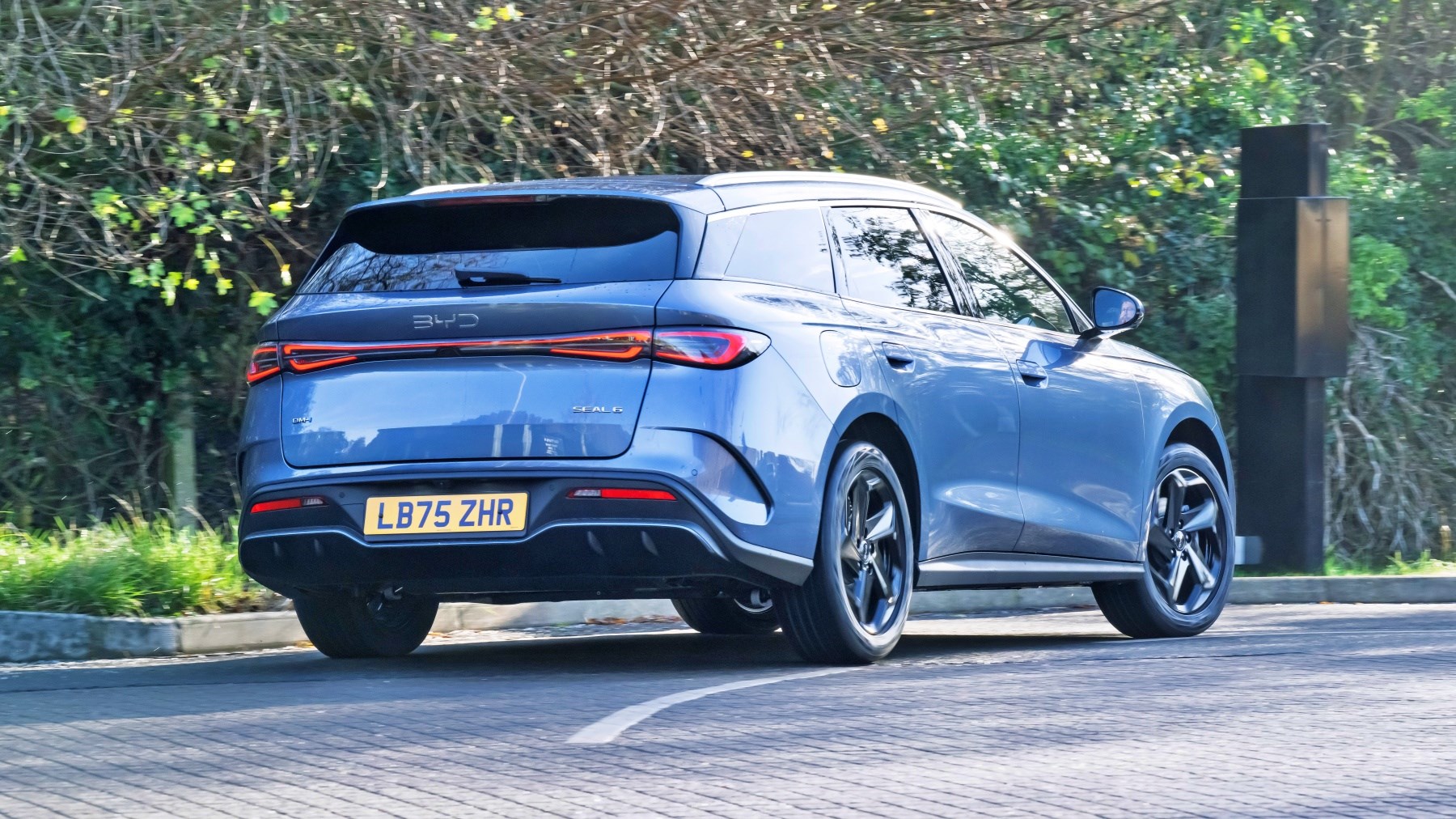
There’s a big delay between you mashing your foot into the firewall and the car lurching forwards, too. It feels like old school turbo lag – you need to wait a couple of seconds for the engine to wind itself up before you can make an overtake or exploit a gap when joining a motorway. So, you need to be quite good at planning. Performance is fine up to 60mph, but it does tail off noticeably at motorway speeds, especially in the smaller battery model.
What about the interior?
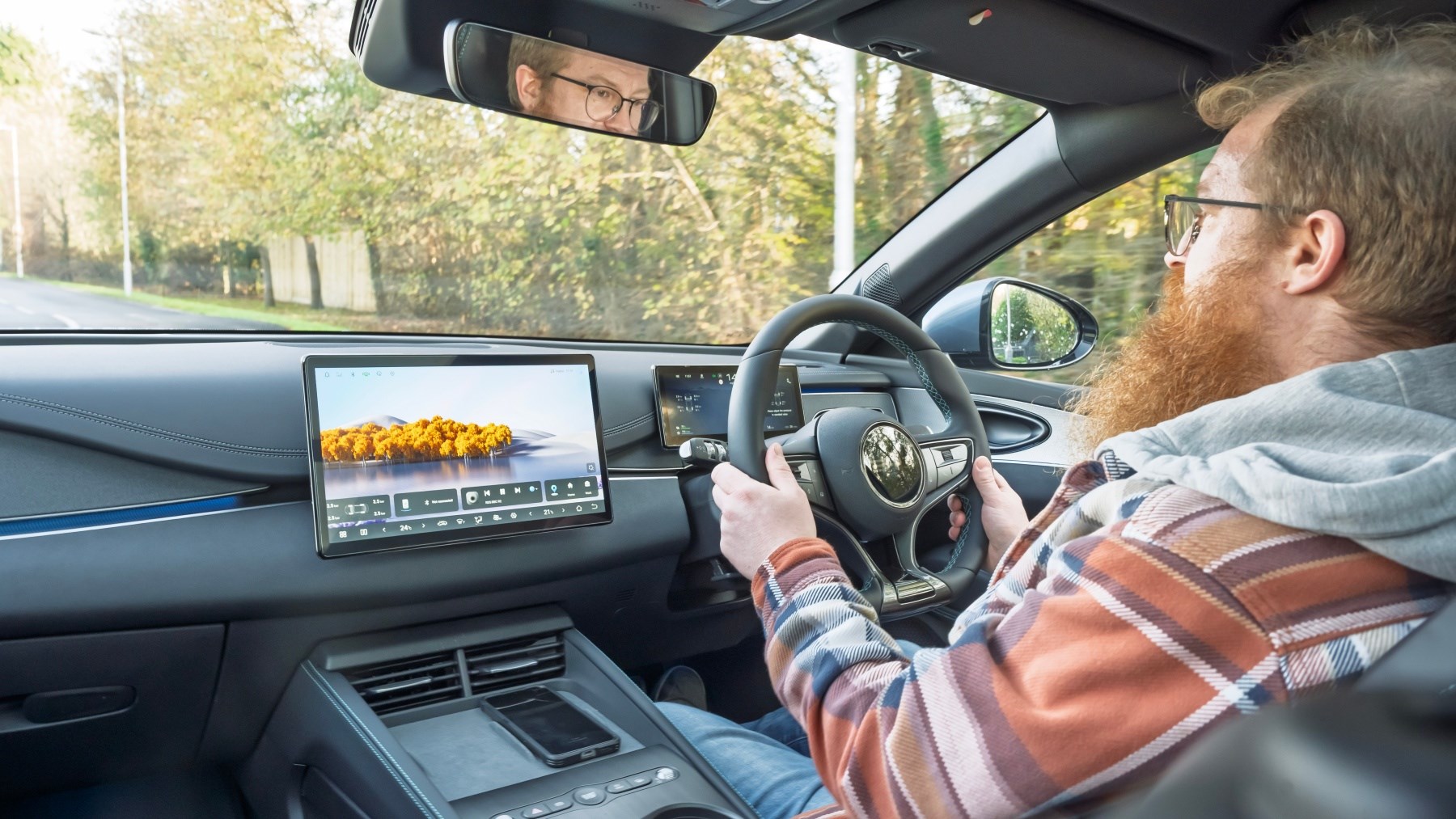
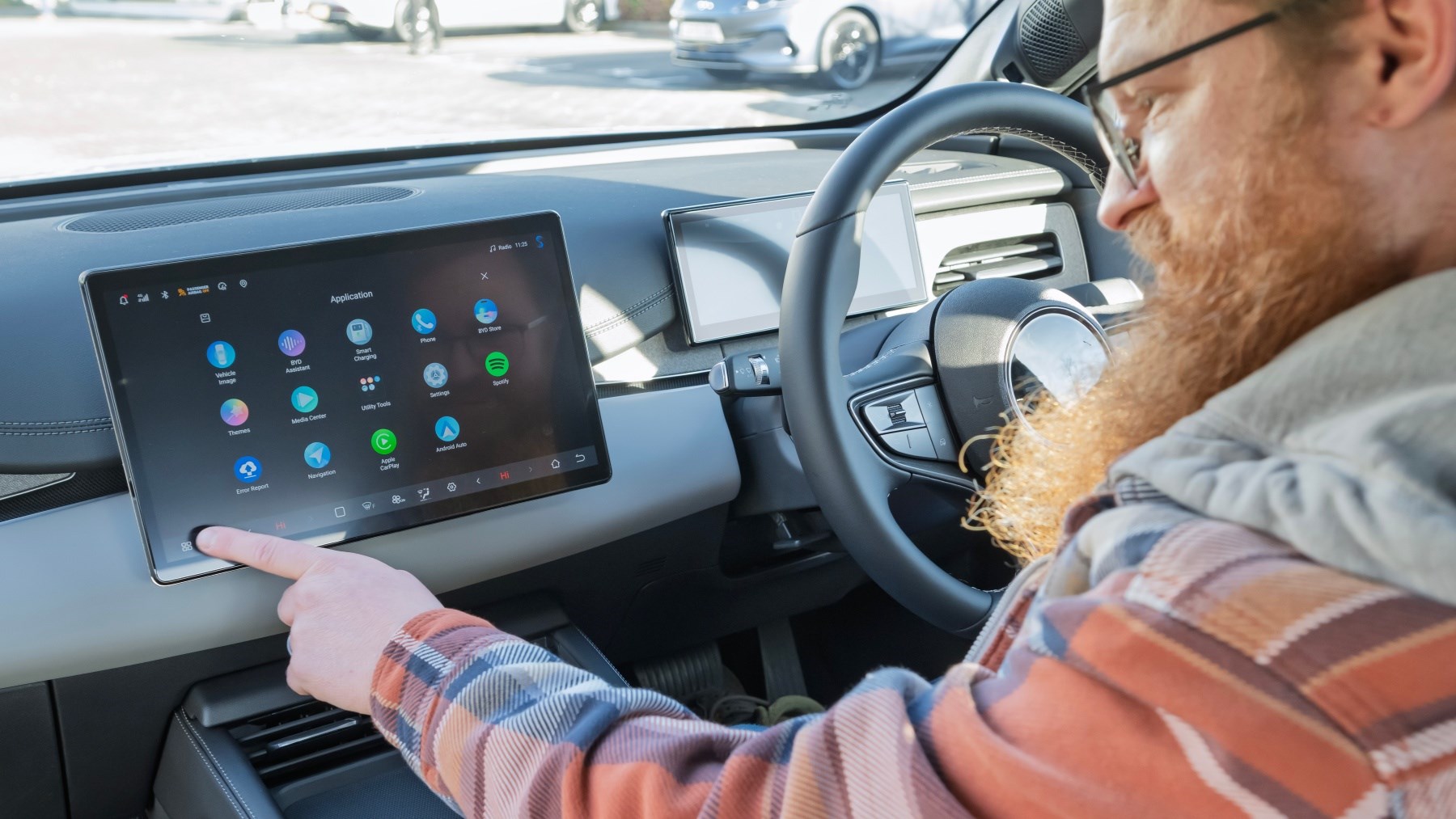
BYD has changed tack with the Seal 6 DM-i’s interior design. In a first for any of the brand’s European cars, its infotainment system – sharp and responsive but fiddly to use – is fixed in place rather than mounted on a revolving stand. We welcome the change, as you can’t use Apple CarPlay or Android Auto with the Seal EV’s screen in portrait mode – but tech-savvy buyers might miss this unique selling point.
BYD’s designers have made up for this loss in other areas, though. Take the wireless charger. It has a built-in cooling vent built to prevent your phone from overheating when charging – a common problem that plagues almost every western car manufacturer. And it works well. You can leave a phone on it all day and it won’t boil over once.
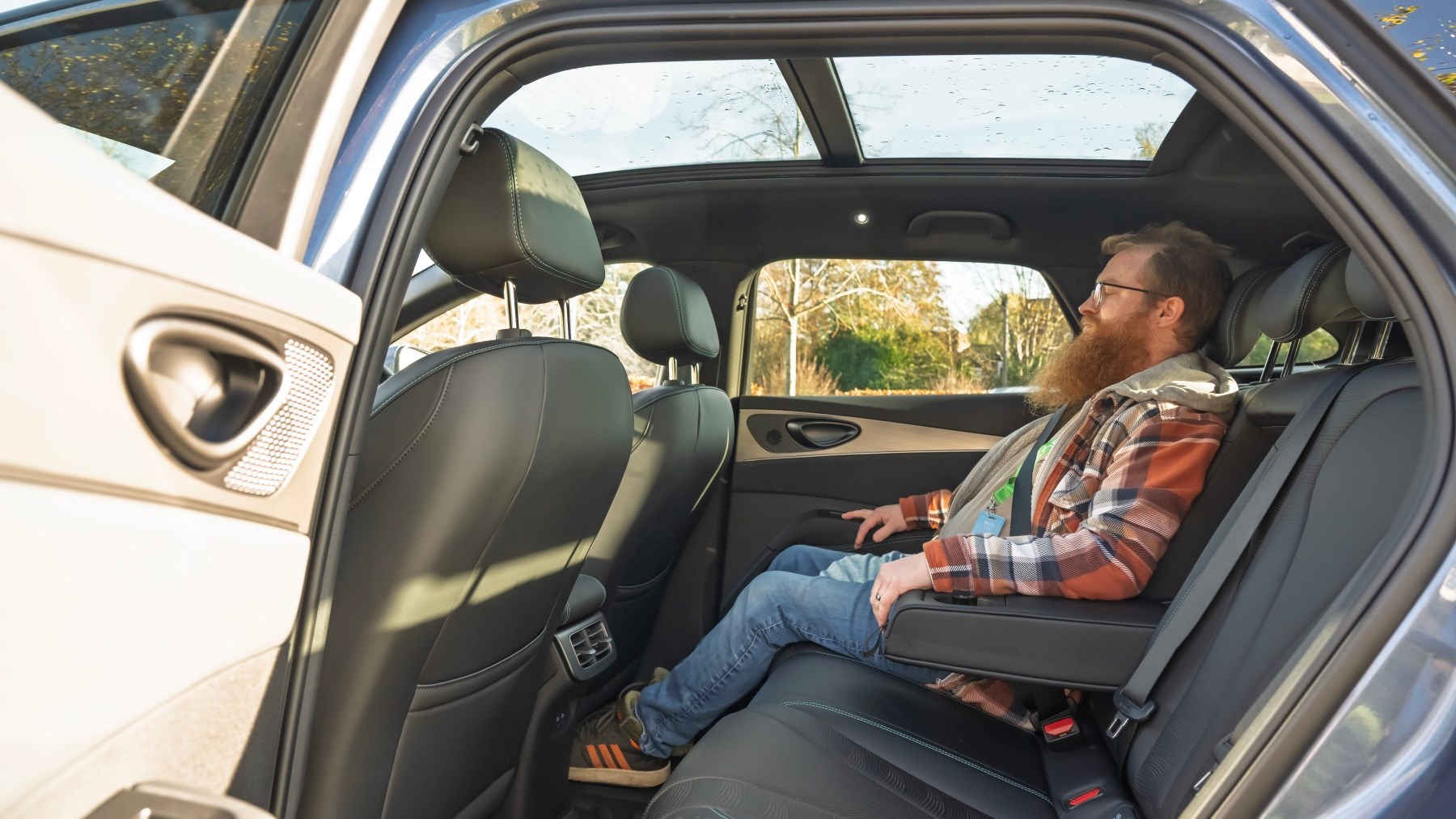
Rear legroom is also fantastic for a C-segment car. Even with a tall driver ahead, a six-foot two tester had a good four inches of space between their knees and the front seat backs, and I ample foot room thanks to the lack of a transmission tunnel. Headroom is also slightly more generous than the Seal 6 saloon – and neither are no worse than an Octavia. Just bear in mind our shortest 5′ 3.5″ tester is in the pictures here.
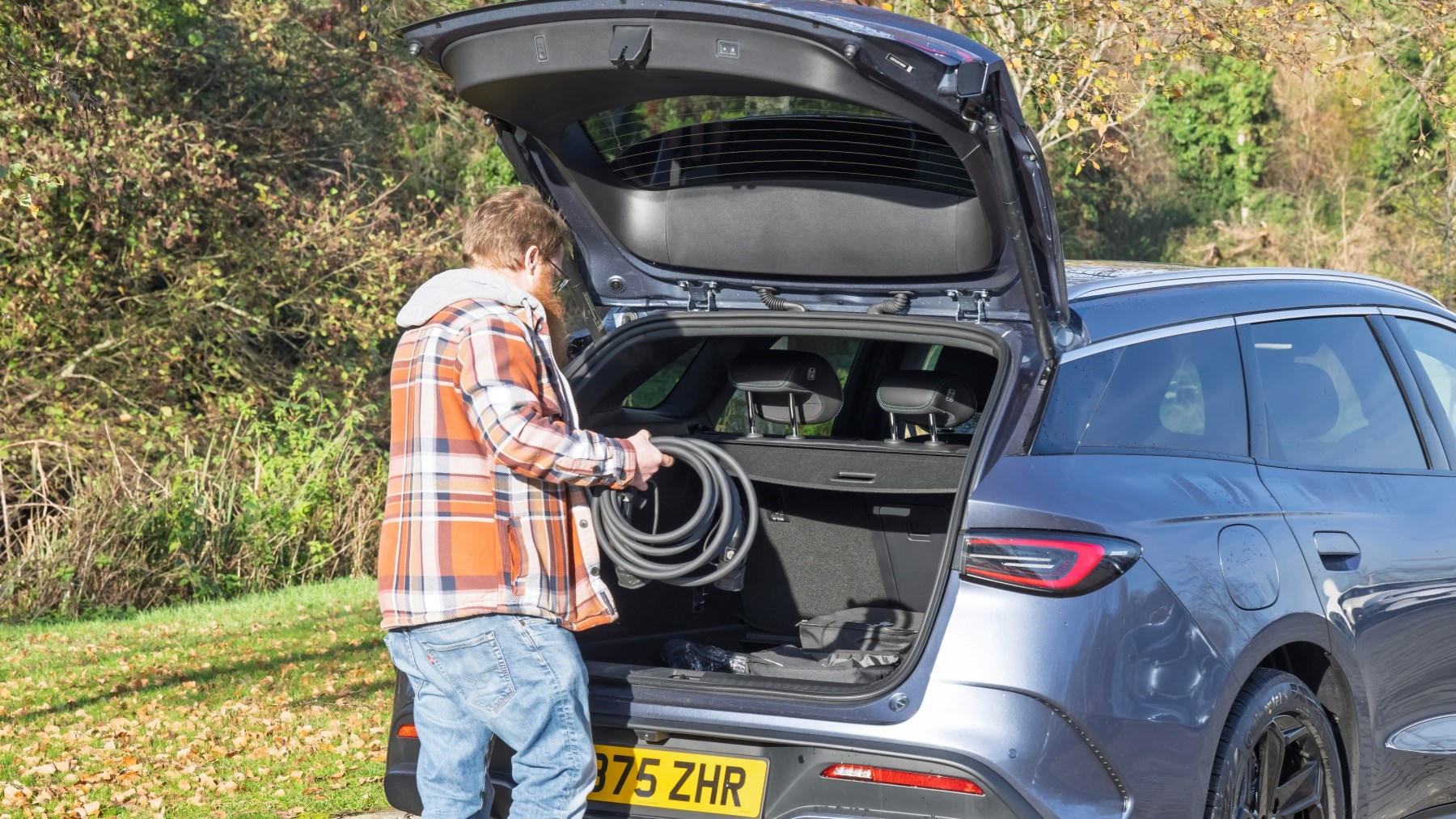
This plentiful passenger space comes at the expense of luggage capacity, though. You get 500 litres with the rear seats in place. That’s not exactly terrible, but it’s a whopping 140 litres less than the benchmark Octavia estate. Fold the seats down and maximum space increases to 1535, which is still a long way behind the 1700 litres of the Skoda.
Sadly, BYD still hasn’t got its driver assistance tech sussed. Its lane assist system will scream at you if you so much as breathe on the white lines (not easy on a narrow B-road), while its traffic sign recognition system chimes every time the limit changes. It’s quite an annoying car to drive through town.
But BYD’s driver monitoring system is even worse. It shouts regularly for such heinous offences as checking my mirrors, reading navigation instructions off the touchscreen and scratching your head. Further calibration is needed.
Before you buy (trims and rivals)
Non-PHEV rivals like the Passat and Octavia are much more spacious, but the plug-in versions are also a lot more expensive and no better for carrying cargo. If you’re still on the fence about taking a gamble on such a new brand, it’s also well worth comparing the Seal 6’s spec sheet against its European competitors.
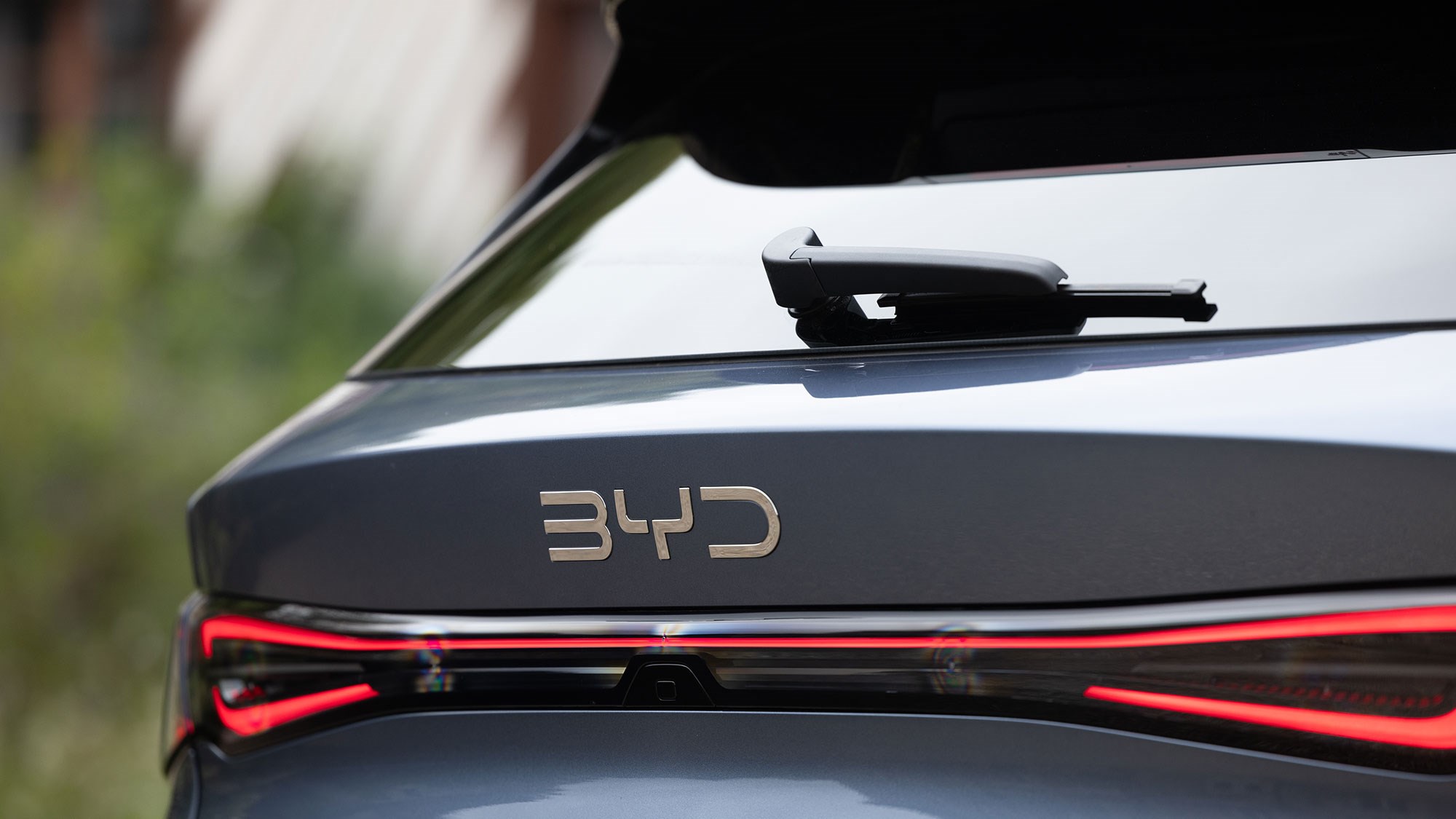
The top spec model comes as standard with a 15.6-inch infotainment screen, a panoramic sunroof, a punchy 50W wireless phone charger, an automatic tailgate and more safety equipment than a HSE inspector’s van. For £6,000 less than the cheapest Passat PHEV. That’s phenomenal value.
Verdict
We came away from the European launch with signs of promise, but sadly the Seal 6 disappoints in the UK. Its fidgety ride annoys on poorly surfaced roads and the vague steering means your frequently making small corrections to your line. While it’s quiet and comfier on the motorway, its here the hybrid system feels pretty weak.
However, it’s impossible to ignore the keen pricing, quality interior, good electric range and practicality that is on par or better than direct PHEV rivals. If you’re an undemanding driver who’s just stepped out of a baggy old estate car that’s past its best, we can certainly see the appeal. Until an extra layer of polish is applied to the mechanicals and infotainment, we’d say spend the extra on a traditional brand’s offering, though.