► BYD’s bargain PHEV driven in the UK
► Spacious and well equipped…
► …But not very good to drive
Now major manufacturers are leaving classes in their droves, Chinese manufacturers are flooding in to fill the gap. BYD is getting very good at this, with the Seal 6 DM-i saloon providing a traditional repmobile alternative to the hoards of SUVs. We appreciate the Seal 6 is quite an anonymous compared to family SUVs such as the Kia EV3 and Peugeot 3008, but there are two reasons why you should care about it.
The first is its price. The cheapest model is less than £35,000 or around £2,000 less than the cheapest Volkswagen Golf e-Hybrid and a whopping £19,000 less than the entry-level BMW 330e.
The second is efficiency. BYD has wired the Seal 6’s electric motors up a little differently to your average PHEV so, instead of blowing all its battery power in one hit at the start of your drive, it rations out its power slowly. That’s better suited to long-distance driving. Even so, Comfort models are still officially good for over 60 miles of electric-only running.
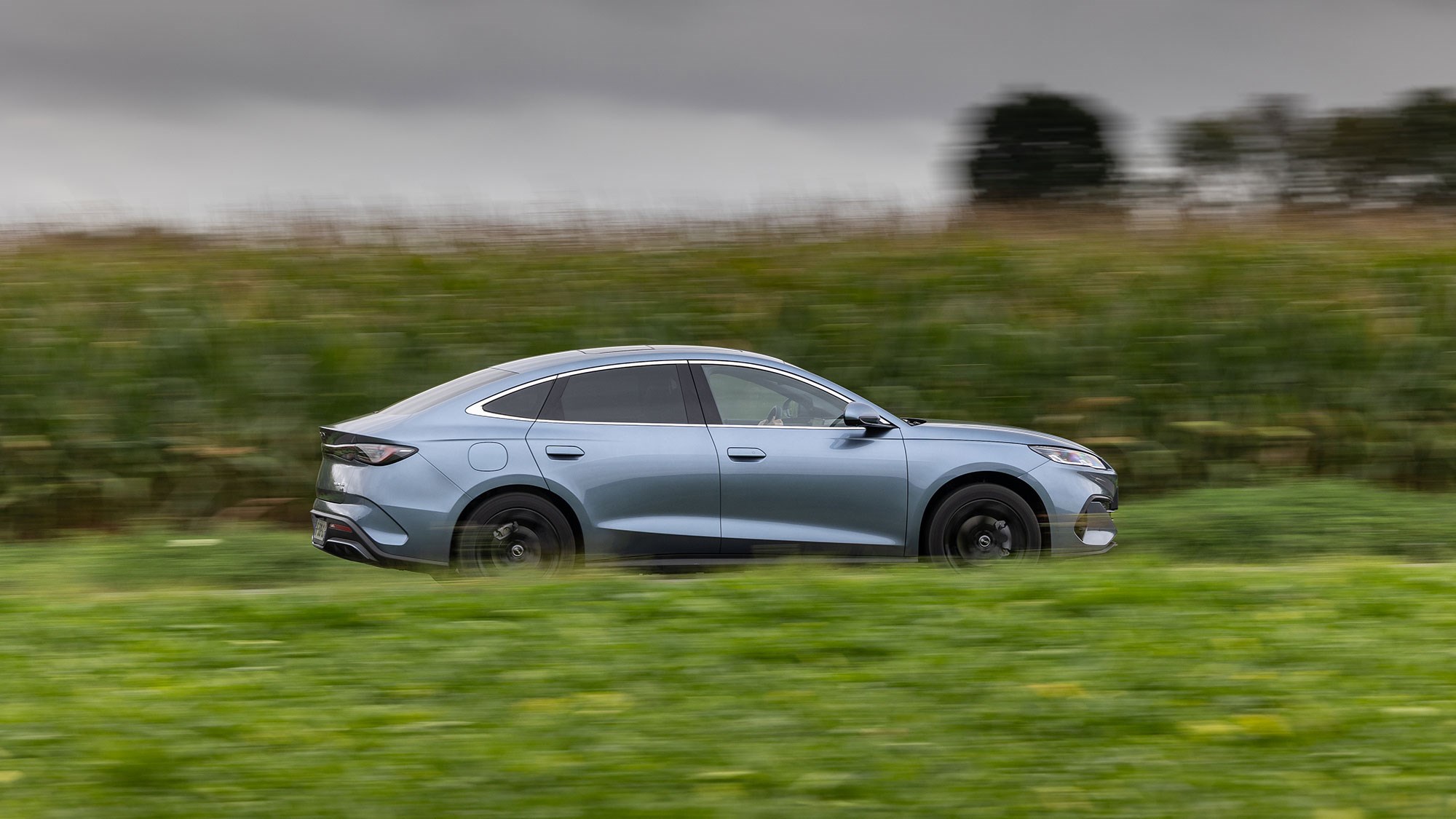
The question is whether these two merits are enough to encourage buyers to step away from established European saloons (and liftbacks). To find out, we’ve driven a top-spec Comfort in France, and the smaller battery Boost in the UK. Read on for our full review, and check out our how we test page when you’re done to discover our processes.
Should you buy a BYD Seal 6 saloon? If you’re reading this website, almost certainly not. Price, practicality and equipment levels impress, but it’s just not very pleasant to drive.
At a glance
Pros: Generous rear legroom, impressive e-range for the money, well equipped
Cons: The ride, steering, brakes, powertrain and infotainment lack polish
What’s new?
At first glance, the BYD Seal 6 DM-i’s bodywork and interior look an awful lot like the Seal EV’s, but it actually rides on a different platform shared with the Seal U DM-i SUV. That’s why it doesn’t look as athletic as its electric sibling. The Seal 6’s hybrid system is also roughly the same unit you’ll find in the Seal U, albeit with a smaller battery to fit within the saloon’s smaller body.
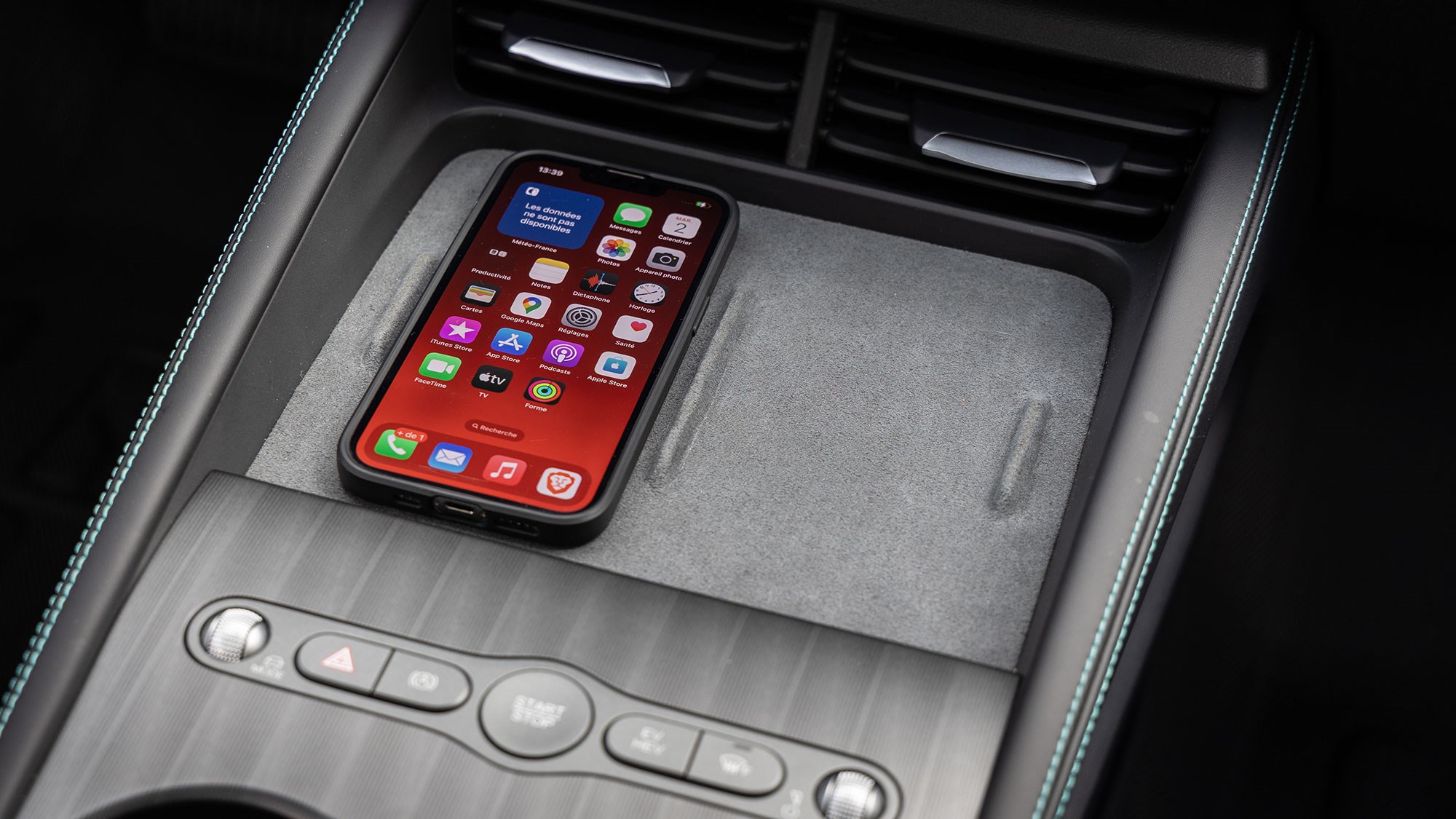
BYD has made a few important changes to its design language, most of which are inside. The Seal 6’s cabin is a little simpler than the electric Seal’s, with fewer colourful materials and more hard plastics. The brand has also junked its trademark revolving infotainment system for a new static unit in the centre of the dashboard.
What are the specs?
The Seal 6 is powered by BYD’s ‘Super Hybrid’ system, which blends a 1.5-litre four-cylinder petrol engine with a pair of electric motors – and there are two different battery packs and power outputs depending on which trim-level you opt for.
Entry-level Boost models produce have 181bhp and a 10kWh battery pack that offers a maximum electric range of 34 miles and 0-62mph in 8.9 seconds. Interestingly, that e-range is better than the 31 miles you get from the cheapest version of the Seal 6 DM-i estate.
Above that are the Comfort Lite and Comfort variants, both of which produce 209bhp and manage 0-62mph in a moderately brisker 8.5 seconds. They also have larger 19kWh battery packs to bump their maximum ranges up to 65 miles.
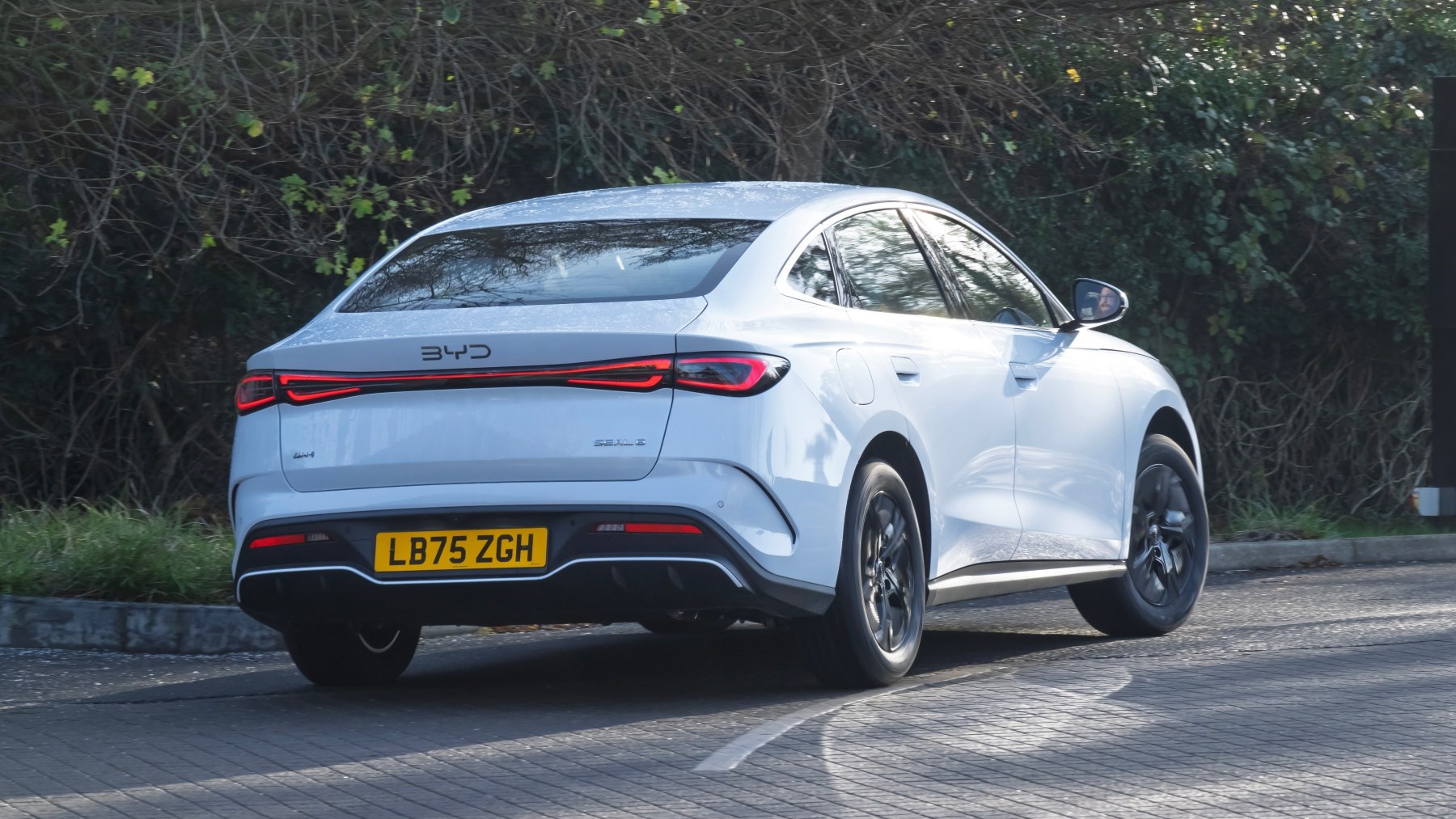
Charge times also vary depending on the model. The Boost trim can only accept up to 3.3kWh AC, meaning it takes three hours to fully recharge its battery. Comfort Lite and Comfort cars double that AC speed and add support for 26kW DC charging, the latter of which slashes recharge times down to 23 minutes.
Plus, all cars offer standard support for vehicle-to-load, allowing you to use the electricity in their batteries to power external devices such as laptops and coffee machines. That’s a natty feature you don’t get on the plug-in hybrid versions of the Golf and 3-Series.
It’s also worth noting just how efficient BYD reckons the Seal 6 can be. It has maximum WLTP driving range of around 900 miles – a claim we found to be quite accurate with a full battery. We achieved more than 50mpg in France, with 65 litres of fuel on board and the 65 miles you’d get from a full battery, that’d put the car’s theoretical maximum range at almost 800 miles. That makes this car an interesting option for long-distance drivers. However, don’t charge the battery and economy dips below 40mpg.
How does it drive?
There seems to be a general trend with BYDs. Pick an EV and it’ll drive at the very least well enough – the Dolphin Surf – and at best it’ll be good – the Seal EV. Go for a hybrid and things feel far rougher round the edges.
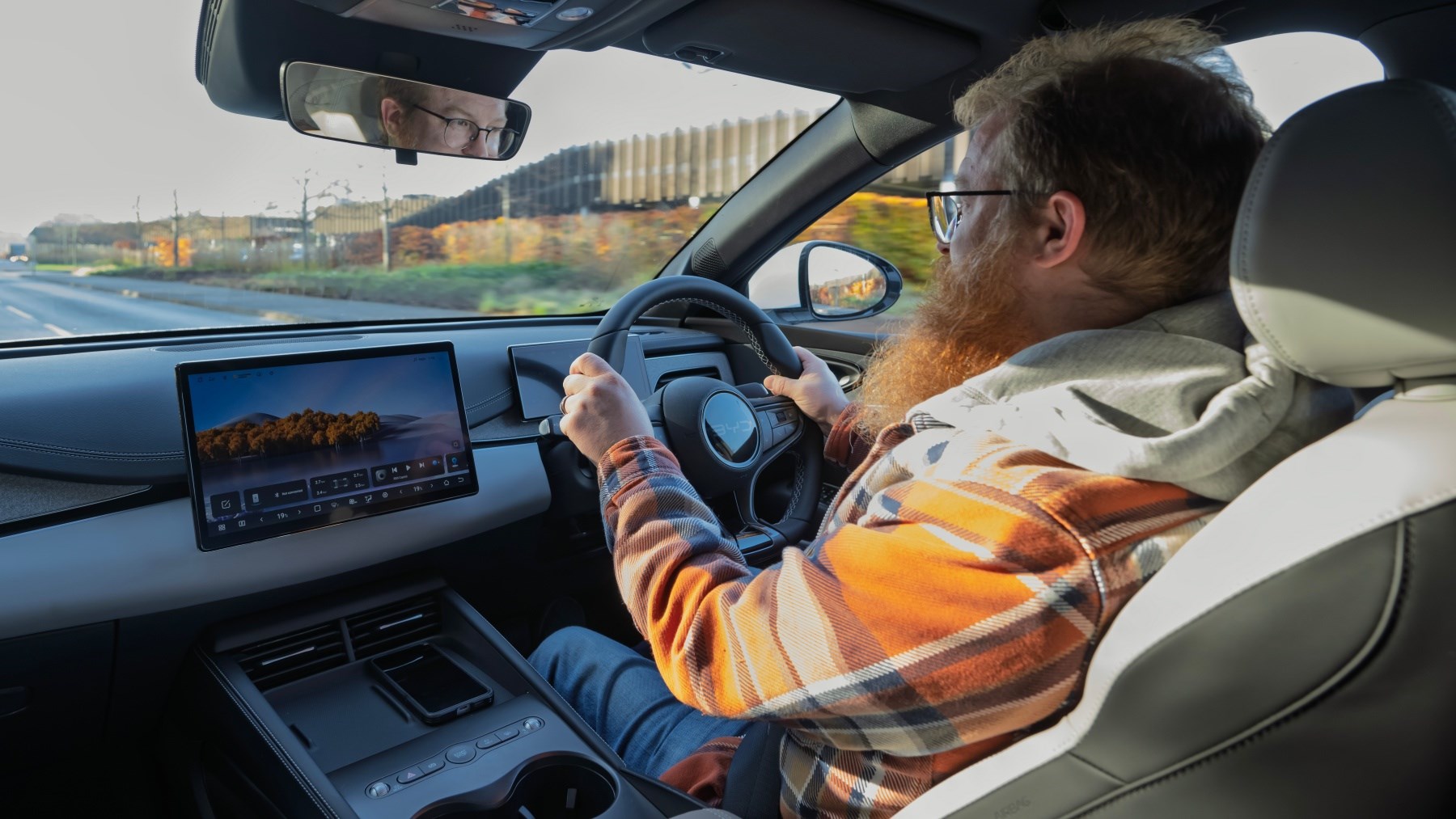
Our first issue with the car is the way it rides. It isn’t bone-shakingly stiff by any stretch of the imagination, but it’s always a little unsettled. It’s especially noticeable on pockmarked B-roads and tatty urban streets, where the poorly resolved damping will be constantly jogging you around in your seat. An Octavia iV will be a much comfier companion.
The trade-off for this is the Seal stays surprisingly flat when you chuck it at a corner. The trouble is its numb, vague steering doesn’t exactly encourage you to explore the limits of the chassis’ capability.
Mercifully, the Seal settles down into a more refined cruise once you steer off the back roads and onto the motorway, correcting your line frequently thanks to the seemingly elastic connection between steering wheel and tyre. At least the ride improves as you build pace and, once you’re tearing along at motorway speeds, it’s quite a refined environment.
Road and wind noise are kept well in check and, because the electric motors are powerful enough to move the Seal around on their own, the engine spends most of its time barely ticking over. It only makes it presence known when you mash your foot into the floorboards, at which point the engine will scream like you’ve trapped one of its valves in a door. It happens infrequently enough if you’re happy to go with the flow, but a more urgent pace delivers an insistent thrashy revfest.
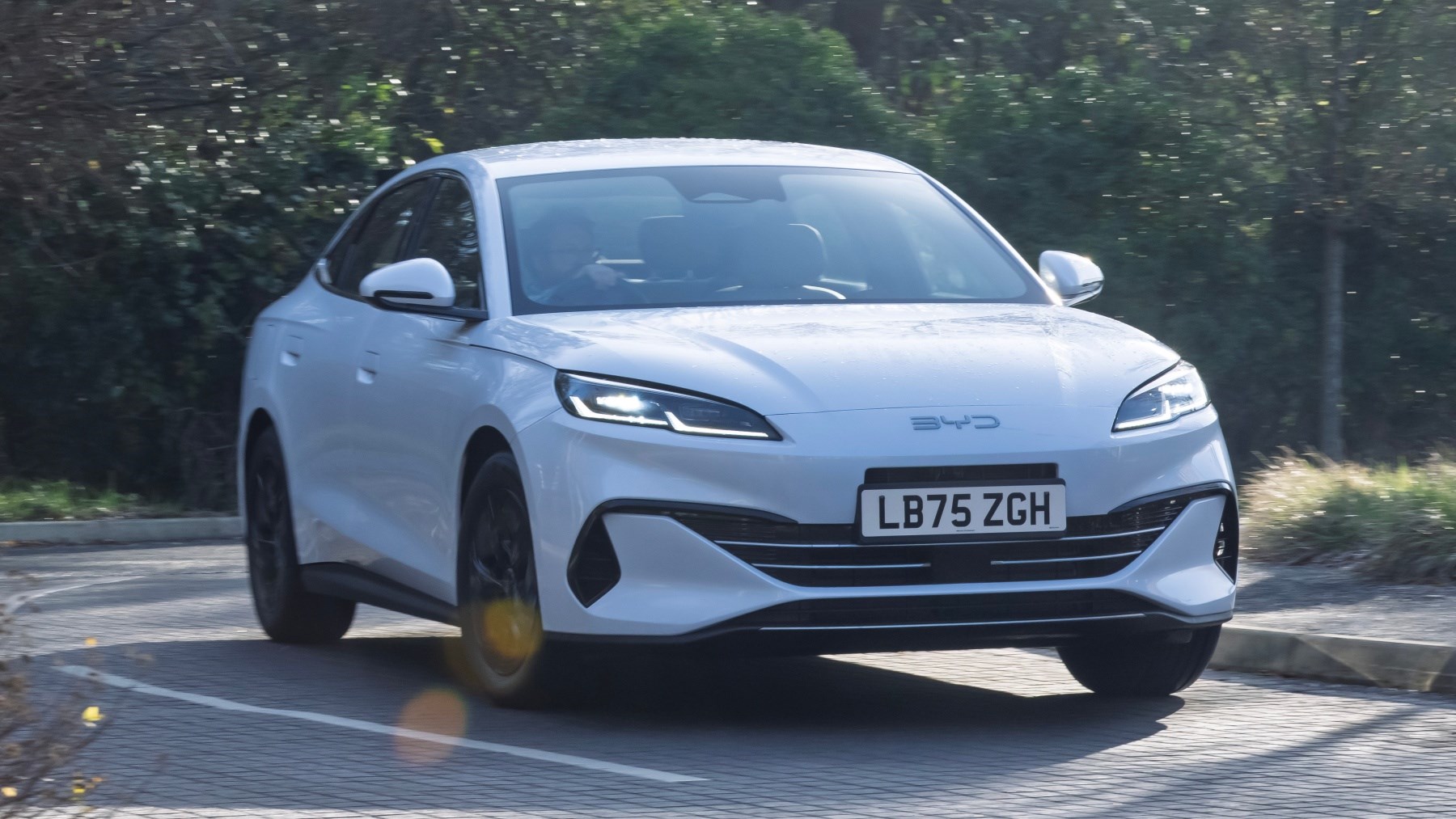
What’s even less forgivable is the length of time between you pressing the throttle and the engine responding. Syncing the motors with the direct drive from the engine is quite a delicate operation – and BYD hasn’t implemented it very elegantly. It takes a good two seconds for the engine to deliver its performance, which is just long enough to lose your window of opportunity for an overtake. Honda’s e:HEV system is far more sophisticated.
Sadly, BYD still hasn’t managed to nail its driver assistance technology. Its lane assist system will panic if you so much as graze the white lines (which isn’t easy on a twisty road), while its traffic sign recognition system will chime every time the speed limit changes. Plus, we didn’t find it to be very accurate. It often disagreed with signs and would scorn us for speeding, even though we were behaving. It’s particularly annoying to drive through town.
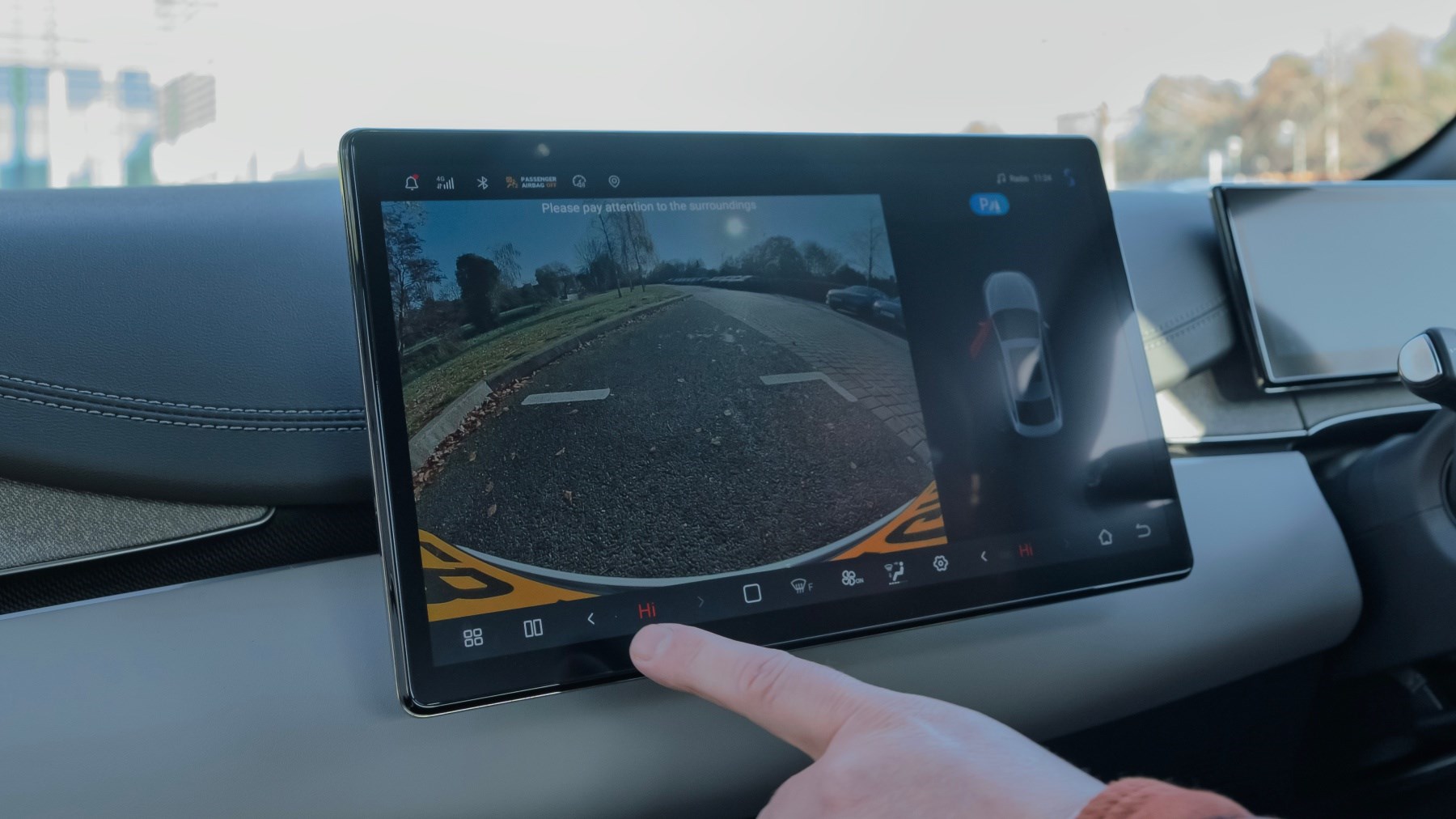
But these niggles were completely overshadowed by BYD’s driver monitoring system. It reprimands regularly for such heinous crimes as checking mirrors, reading navigation instructions off the touchscreen and scratching your head. Much more calibration is needed.
What about the interior?
As mentioned above, BYD has slightly altered its interior design language for the Seal 6. Gone is the company’s revolving infotainment system – in its place, you now have the choice of two static-mounted touchscreens measuring either 12.8 or 15.6-inch.
We welcome the change as we’ve always found BYD’s rotating screen to be a bit of a gimmick. It’s a clever party trick, but the fact you can’t use Apple CarPlay or Android Auto when the screen is in portrait mode wrote it off for us. It’s not like phone mirroring doesn’t work on portrait screens, either. Volvo figured it out, so why couldn’t BYD?
For its most tech-savvy buyers, BYD has tried to compensate for this loss in other areas. Take its new wireless smartphone charger. It can deliver a healthy 50W of power to your device and, to make sure it doesn’t melt under the pressure, it has a built-in cooling vent that actually works.
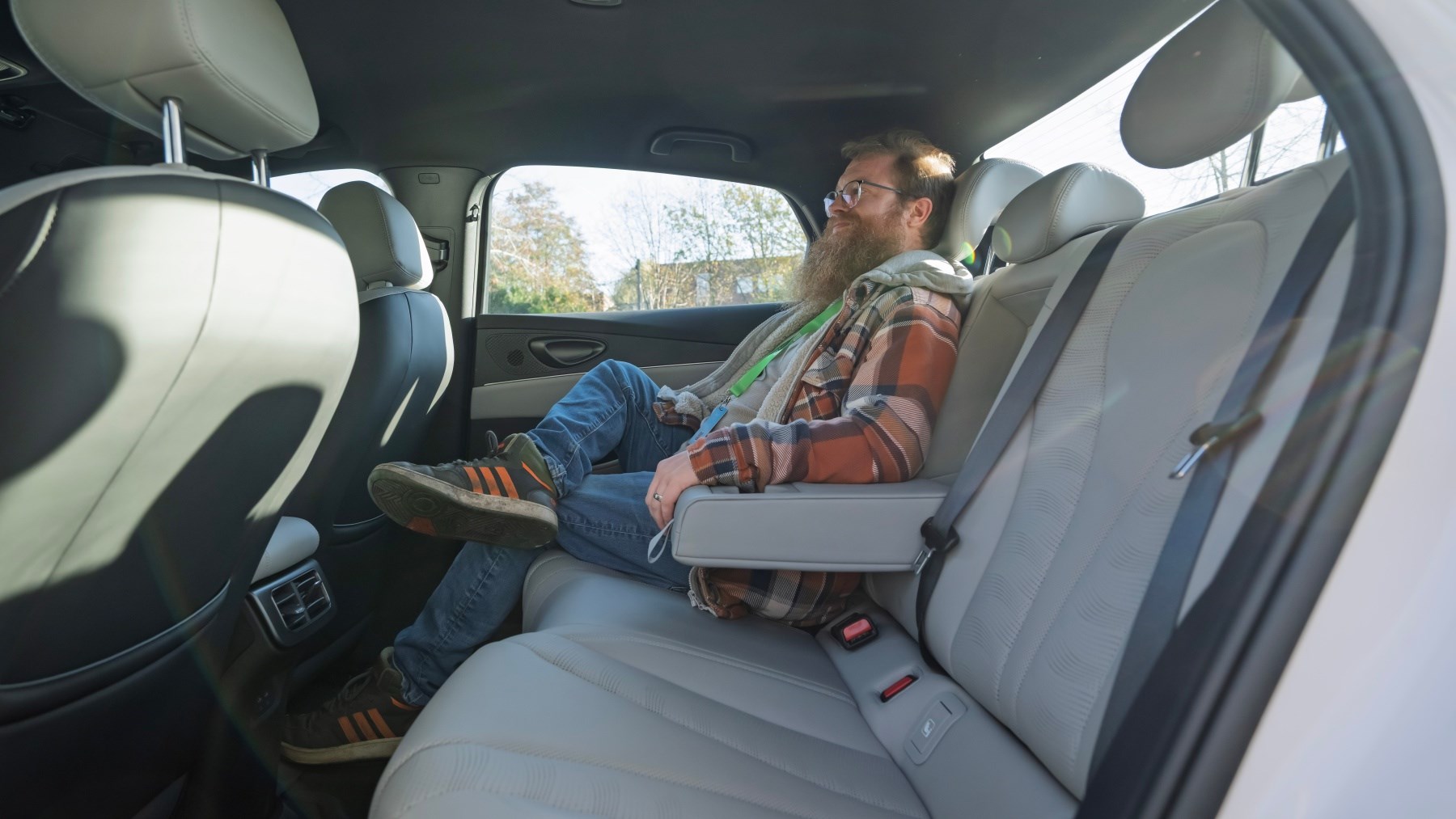
Rear legroom is also fantastic for a C-segment car. A six-foot tester had plenty of space to spare, although our shortest at five four is pictured. Headroom is sufficient, but more generous in the Seal 6 Touring. Plus, foot space is generous for all three rear passengers as BYD hasn’t carved a hump out of the Seal 6’s floor for the exhaust. God knows where its engineers put it – but it certainly doesn’t encroach on passenger space.
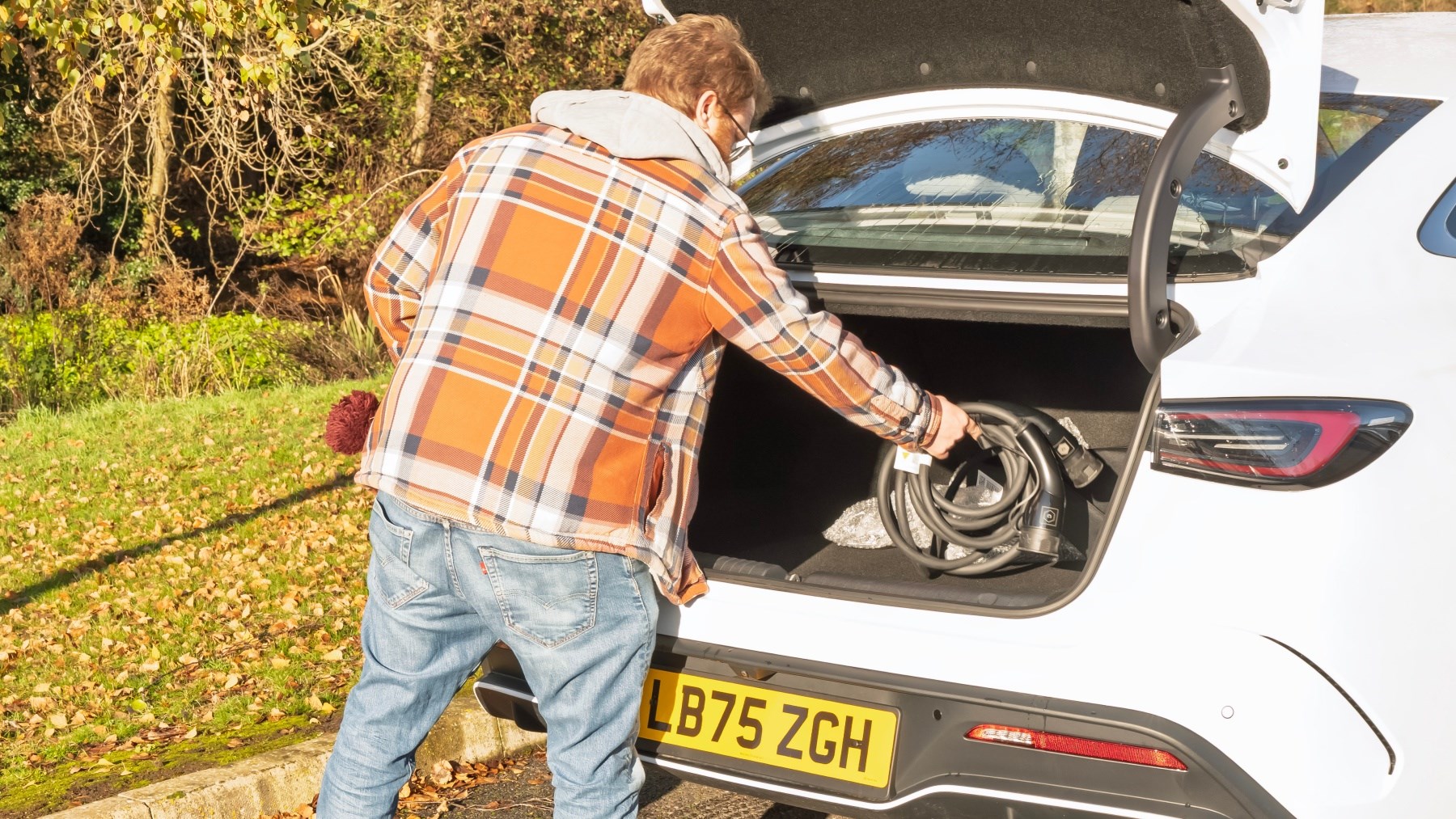
Boot space is also much better than the class-leading BMW 330e. The Seal 6 has a 491-litre boot, which looks cavernous when compared to the 375 litres of the Beemer. That’s because BYD tucks the battery underneath the passenger floor, not the boot’s.
Before you buy (trims and rivals)
Traditional saloons are an increasingly rare sight these days. Big names like Mondeo, Insignia, 508 and the Mazda 6 have all gone, and the Passat is estate only. And while the Seal 6 feels similar in size to these cars, it’s priced to compete with the Astras, Golfs and 308s of this world. A BMW 330e is significantly more expensive and smaller inside, but all of the aforementioned Euro rivals drive significantly better.
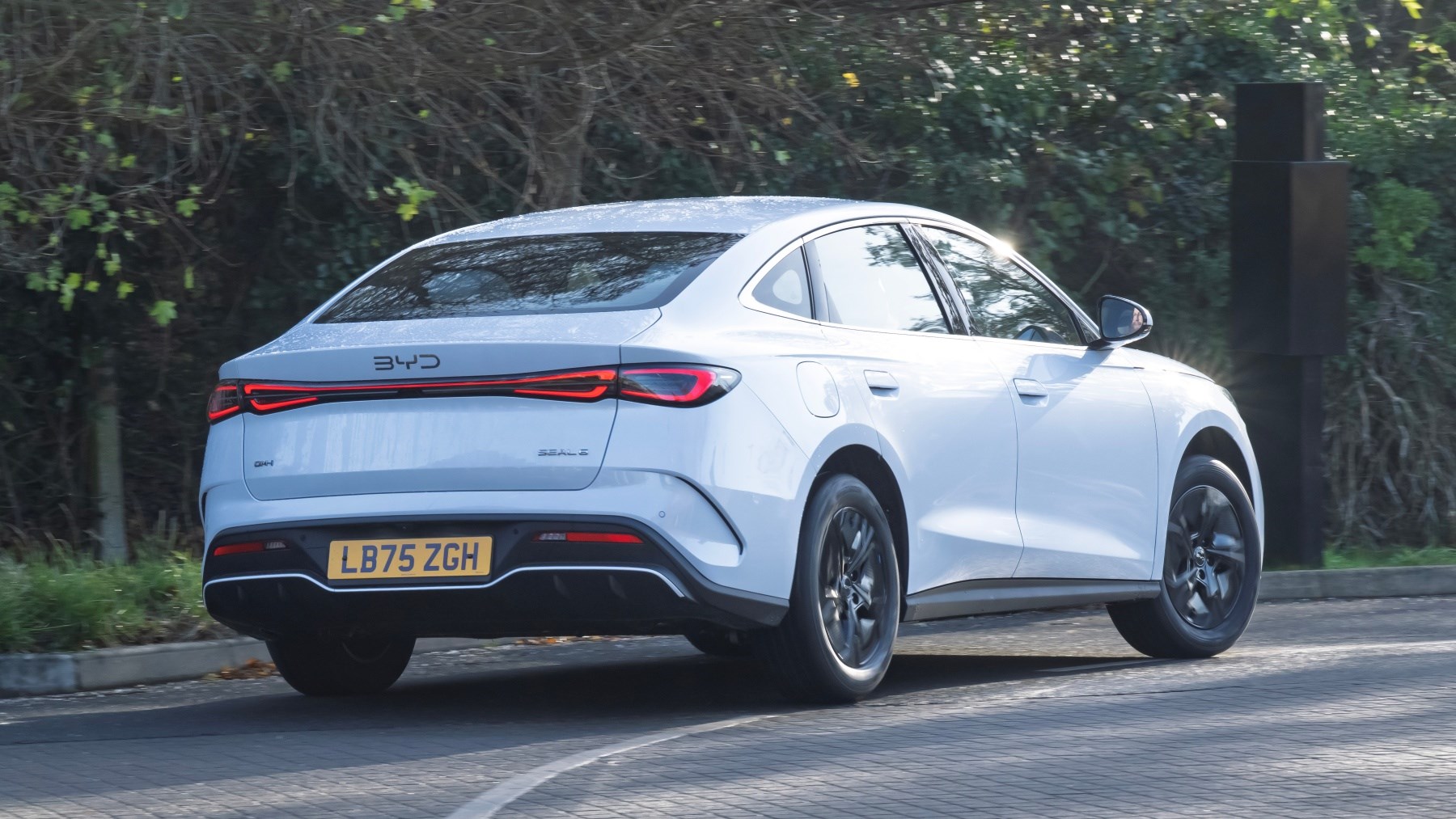
However, the Seal 6 gets loads of standard equipment that would normally require you to raid the options list or climb an expensive trim ladder. Entry-level Boost costs around £35k but gets metallic paint, 17-inch alloys, a 12.8-inch touchscreen, auto wipers and LED lights, heated electric front seats, rear parking sensors, a rear camera and vehicle-to-load.
Comfort gets the bigger battery with faster charging, a 15.6-inch screen, heated steering wheel, 18-inch wheels, a heated steering wheel, 18-inch alloys, tinted rear windows, ambient lighting, an auto-dimming rear mirror, wireless smartphone charging and an upgraded eight speaker stereo. Comfort Lite just swaps the touchscreen for the smaller one.
Verdict
We can certainly see the appeal of the Seal 6, but it’s just not for us, to be honest. While there’s no arguing with the price, especially given the equipment and tech on offer, practicality and all-electric range, it desperately needs to go back to finishing school.
If, like us, you actively enjoy the process of driving, the Seal 6 will be a major disappointment. The only car we’ve experienced this year with less accurate steering was an Ineos Grenadier, and the damping feels half baked and like it had never seen a UK road before being shipped over.
If that doesn’t stop you pushing on, the powertrain will. While fine at doddering speeds, it becomes thrashy and unpleasant when you poke it with a stick, but only after an unacceptably long delay. A more European-friendly tune for the oily bits can’t come soon enough, and would no doubt lift the Seal 6 from deeply flawed to fine.
Specs are for a BYD Seal 6 DM-i Boost