► The Land Rover Discovery’s saga continues
► And, unsurprisingly, it’s still a story worth reading
► Comfortable on road and utterly unstoppable off it
Land Rover’s been making an awful lot of fuss about its Defender and Range Rover line-ups in recent months. And I guess that’s fair enough. The OCTA has pushed the Defender’s off-road ability even further, while the electric Range Rover is poised to change the luxury EV landscape. But this media hype has somewhat shrouded its older cars from the spotlight.
That’s a real shame because, having recently spent a week with the Land Rover Discovery, I’m struggling to understand why average drivers would opt for one of the company’s poster cars. Yes, the Disco isn’t quite as trendy as its siblings – the first Discovery 5 hit the market almost 10 years ago – but it’s still an immensely practical tool for family life. Crucially, it’s also a lot cheaper.
The Discovery has been consistently updated throughout its life, with Land Rover’s most recent tweak marking the car’s 35th birthday with a special Anniversary Edition model. But is that enough to keep it attractive? Or should Land Rover allow the car to finally take its retirement and push its customers towards its other cars? Scroll down to find out.
At a glance
Pros: Space inside for seven adults, fantastically user-friendly interior, superb D350 engine
Cons: Only one engine, expensive when compared to its road-biased seven-seat SUV rivals
What’s new?
Less than you’d expect. The Discovery’s fundamentals haven’t really changed since the car was introduced in 2016. It’s had a few cosmetic tweaks over the years to keep it looking youthful, but the bones are still nearly a decade old. I don’t think that’s a bad thing, though.
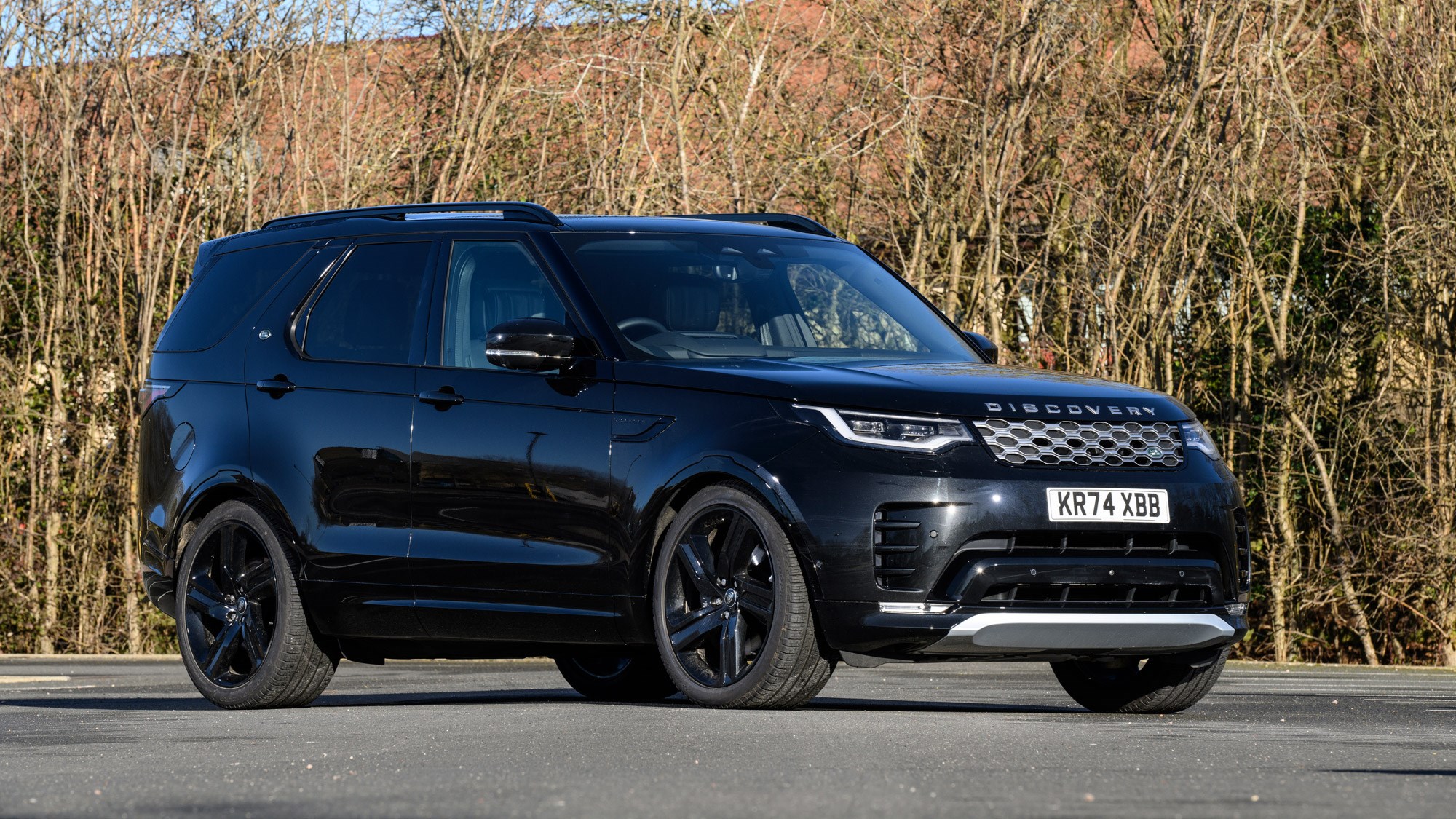
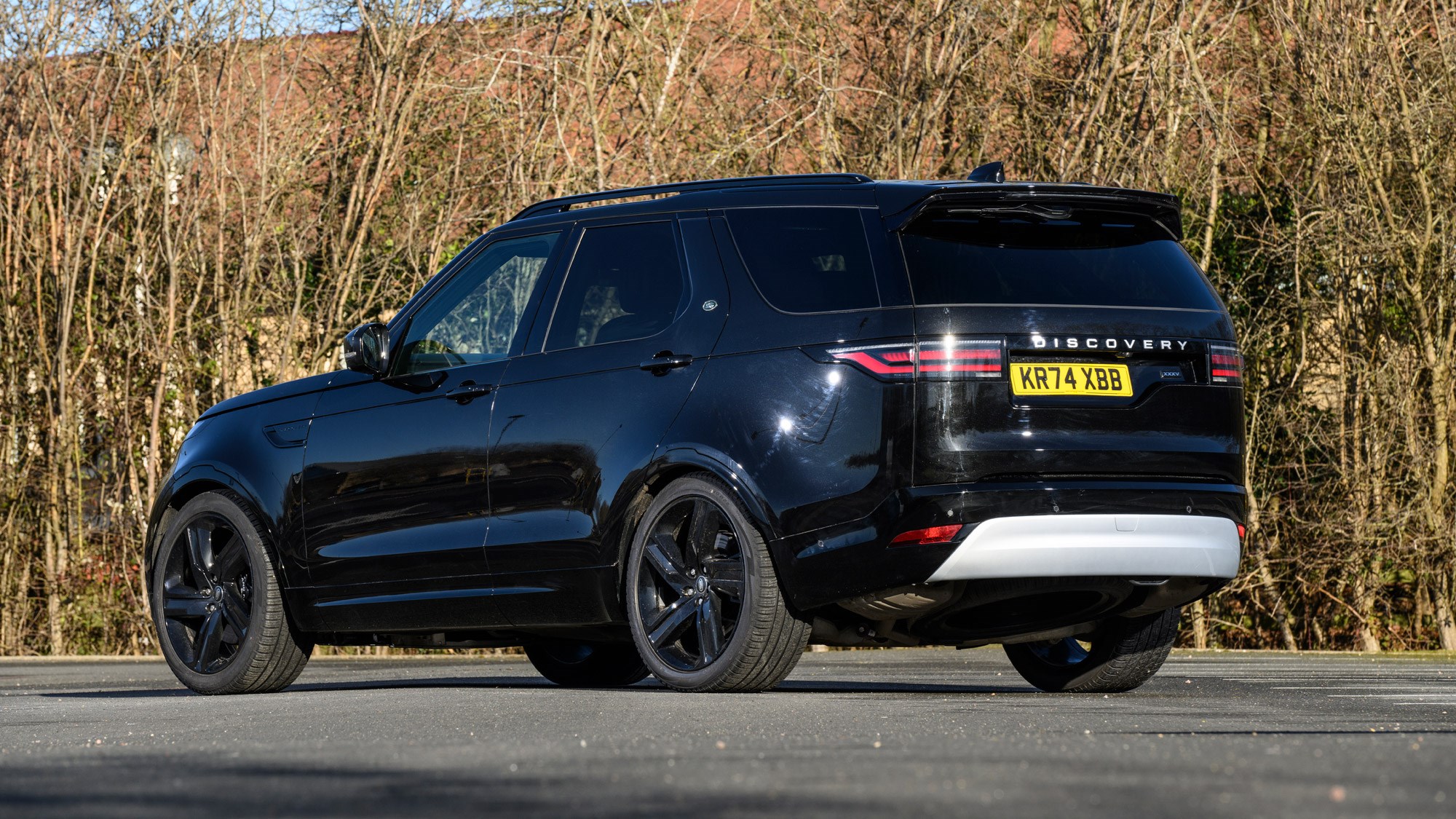
The last bout of big changes was in 2021. Land Rover fitted a mildly reprofiled grille and some new headlights with scrolling indicators and matrix LED technology. It also added a handful of fresh paint finishes and alloy wheels, along with a full width trim panel at the rear to tie the lamps together.
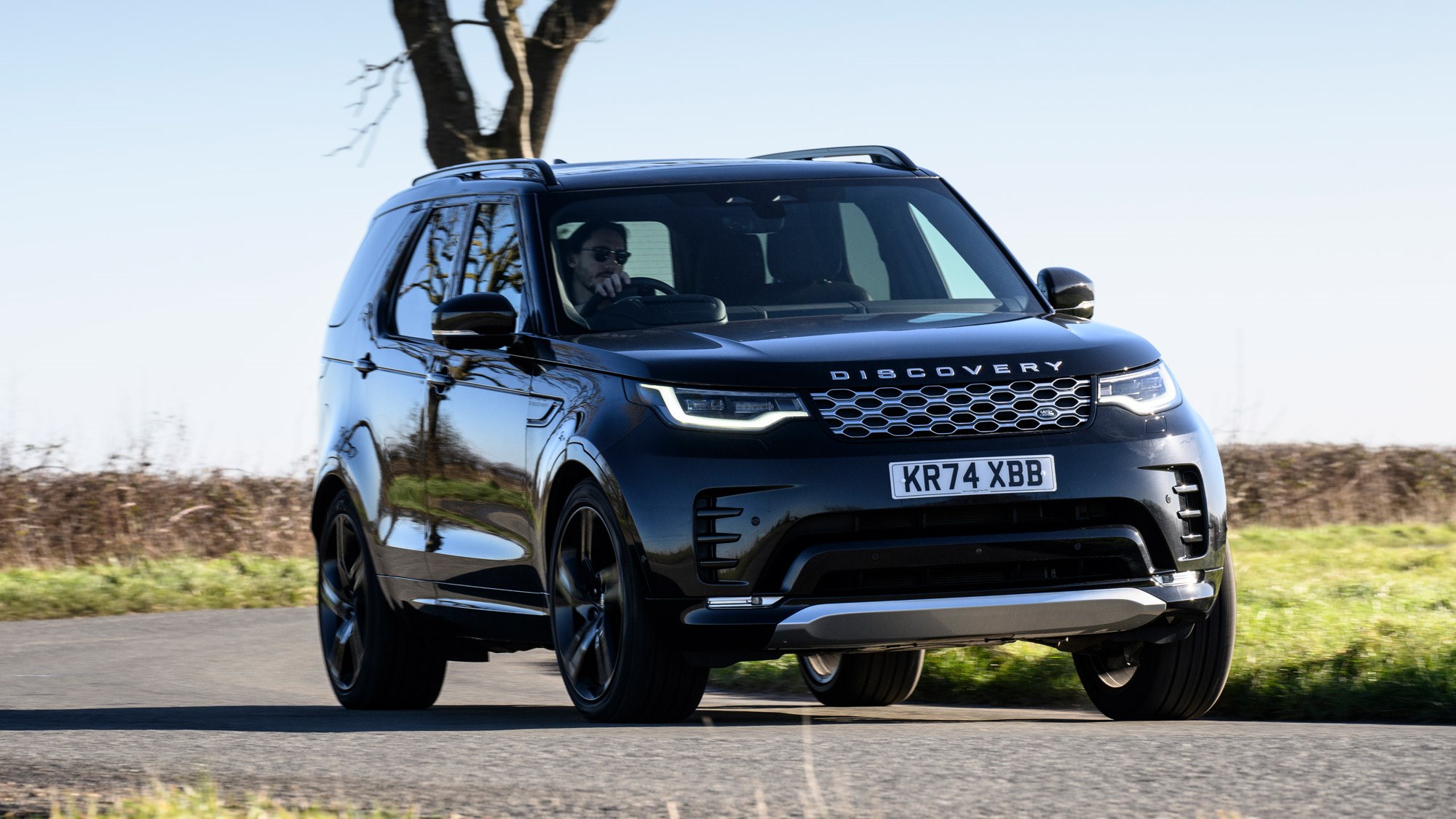
Of far greater note were Land Rover’s interior adjustments. It plonked its 11.4-inch infotainment system in the centre of the Disco’s dash and loaded it with its latest Pivi Pro software. That really brought the cabin up to date. Now, it’s basically the same inside as the Range Rover Sport, albeit with a few more physical buttons.
The centre console also received an update with a more traditional automatic gear selector in place of the original car’s rotary dial. Plus, the entire panel is now clad in soft touch plastic, which feels more befitting of a £60,000-odd SUV.
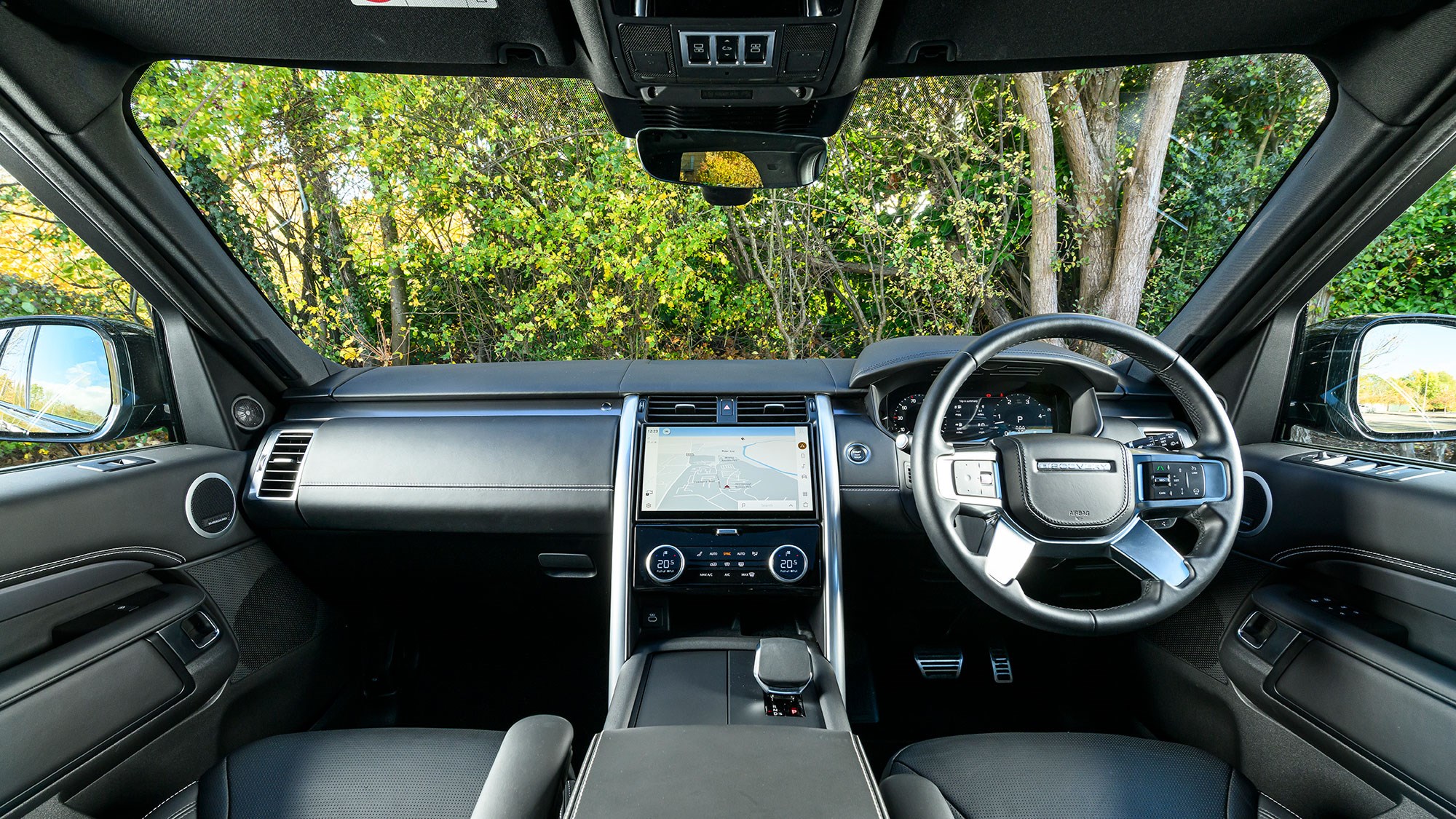
We’re also pleased to report the Discovery’s interior remains delightfully simplistic, with physical climate controls even remaining. These have been counter-intuitively eradicated and moved onto the screen in Range Rovers, although they have survived on the Defender.
More recently, Land Rover introduced its D350 six-cylinder diesel engine to the Discovery range, following its success in the Range Rover and Defender line-ups. It has mild hybrid assistance and is now the only engine you can spec in the car.
What are the specs?
They couldn’t be more straightforward. Every new Discovery gets the same turbocharged 3.0-litre straight-six diesel engine. It produces 345bhp and a very healthy 516lb ft of torque. It’s backed up by a barely noticeable 48-volt mild hybrid system and yoked to an eight-speed automatic gearbox.
Performance is quite impressive. Considering the Disco weighs just shy of 2.5 tonnes, the fact it can get from 0–62mph in just 5.9 seconds is staggering. To put that into perspective, that’s the same as the current Volkswagen Golf GTI – but the Disco has space for two extra passengers or an extra 750 litres of luggage. It’s a sports tank.
More importantly, it has a maximum towing capacity of 3,500kg, largely thanks to the immense pulling power of that diesel engine. I didn’t get the chance to tow with the Disco – but I recently towed my old Mini down south using a mechanically identical Range Rover Sport and I could barely tell I had trailer hitched up.
Fuel consumption is surprisingly low, too. Land Rover claims it’ll get 33.4mpg, but you can easily improve those figures on a gentle motorway cruise. I drove the car in these images from Peterborough to Doncaster and averaged 40mpg. Granted, your fuel economy will plummet into the 20s when you’re pottering town. But the Discovery doesn’t exactly scream ‘city car,’ does it?
The lack of a plug-in hybrid option is perhaps what dates the Discovery the most, as you’ll find this option on almost every one of its rivals, including the Defender PHEV. If you need seven seats, set-square looks and a PHEV system, might I suggest the Hyundai Santa Fe?
What’s it like to drive?
Wonderful. Land Rover worked incredibly hard to make the Discovery as usable on road as it is halfway up a mountain – and its driving experience far outclasses its price tag. Its ride and refinement match that of the far pricier Range Rover Sport, but you can save at least £12,000 by opting for the Discovery.
Granted, the body control isn’t as tight as rivals such as the Audi Q7, which means it will wallow around if you throw it at a set of corners like an ape. Hell, even a Defender handles better. But cornering isn’t really what the Disco is for. What it does best (on the road) is waft and float like a luxury SUV. It’s a very easy car to cover frankly obscene distances in.
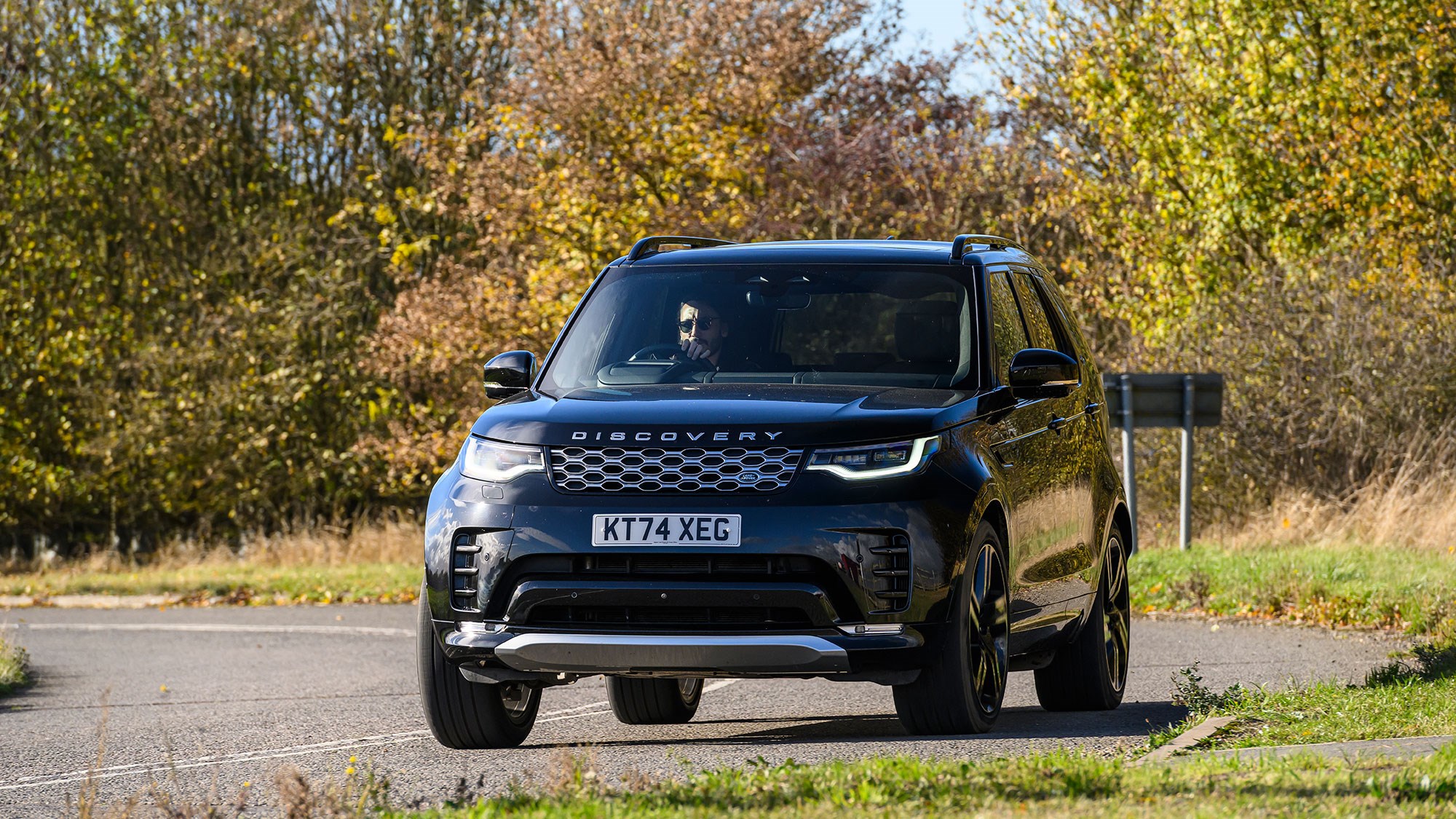
I’ve got a lot of time for Land Rover’s D350 engine, too. It has a seemingly endless supply of low-down grunt, which really suits the car’s laidback nature. It also makes it a doddle to drive on the motorway, as you barely need to flex your toe to zip past dawdling traffic.
What’s more, it’s delightfully smooth. It doesn’t feel like it’s fuelled by something as coarse and industrial as diesel – it sounds like it’s running on molasses. At low speeds, it’ll tick away in the background like a perfectly balanced Swiss timepiece and, when you put your foot down, it revs cleanly and effortlessly. It’s easily one of the best diesels on sale.
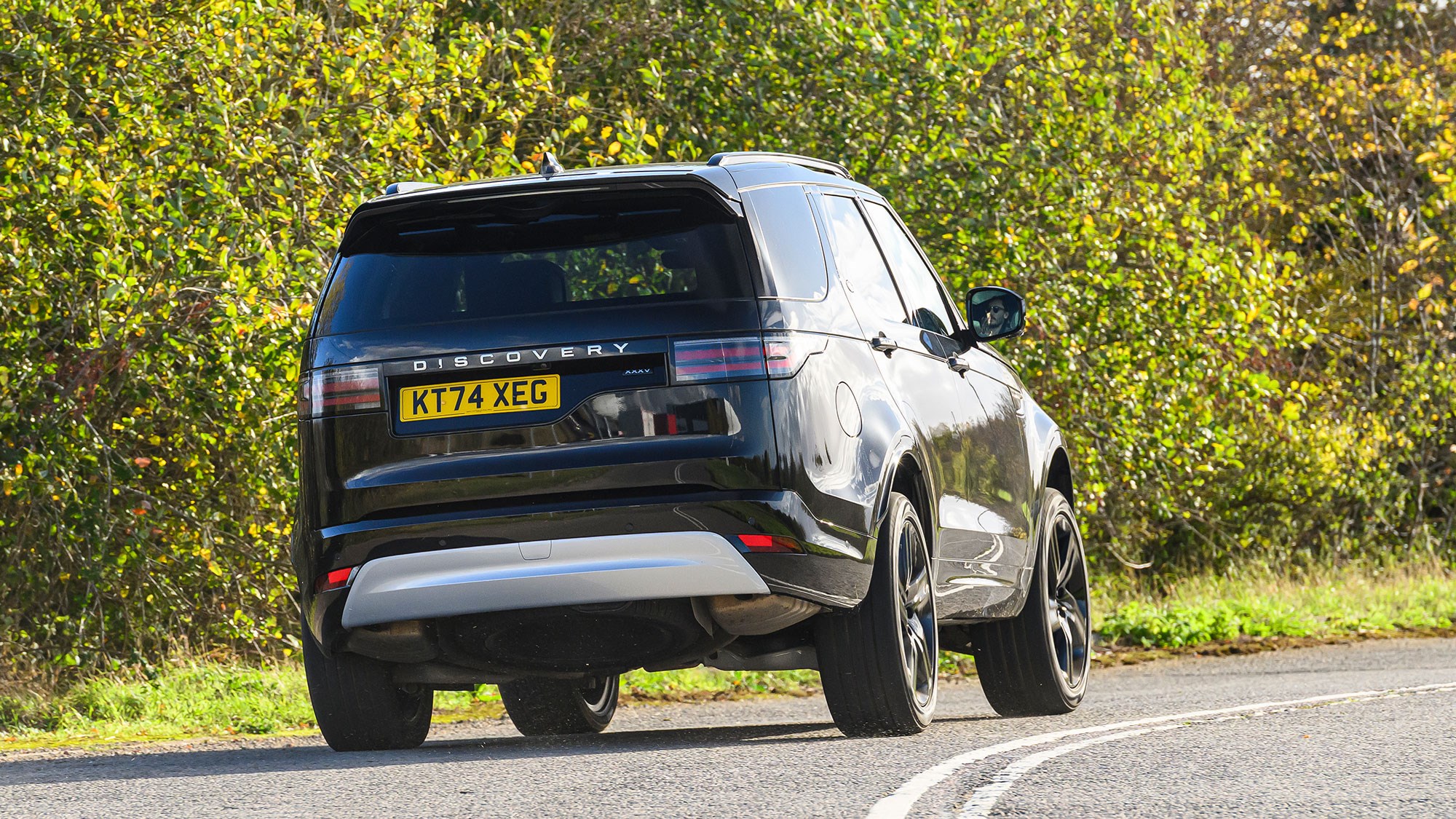
The gearbox is paired well to the engine, too. The eight-speed auto slurs changes together quietly and it does a good job of keeping the engine spinning slowly at high speeds (which, in turn, makes the cabin more pleasant). In fact, the only dent in refinement is the wind noise. The Discovery’s blunt face whips up a bit of bluster, but it’s acceptable.
Then there’s the off-road ability. I live somewhere semi-rural – and I like to use my county’s narrow rabbit runs to avoid the worst of the traffic. In a normal car, if something comes the other way, you need to dive into a passing place and wait for the road to clear. But in the Discovery, I just stuck the chassis in Off-Road mode and careened onto the grass verge. And it never batted an eyelid.
The Discovery will always stand in the Defender’s shadow as far as off-roading is concerned, but you mustn’t forget how accomplished it is off the beaten track.
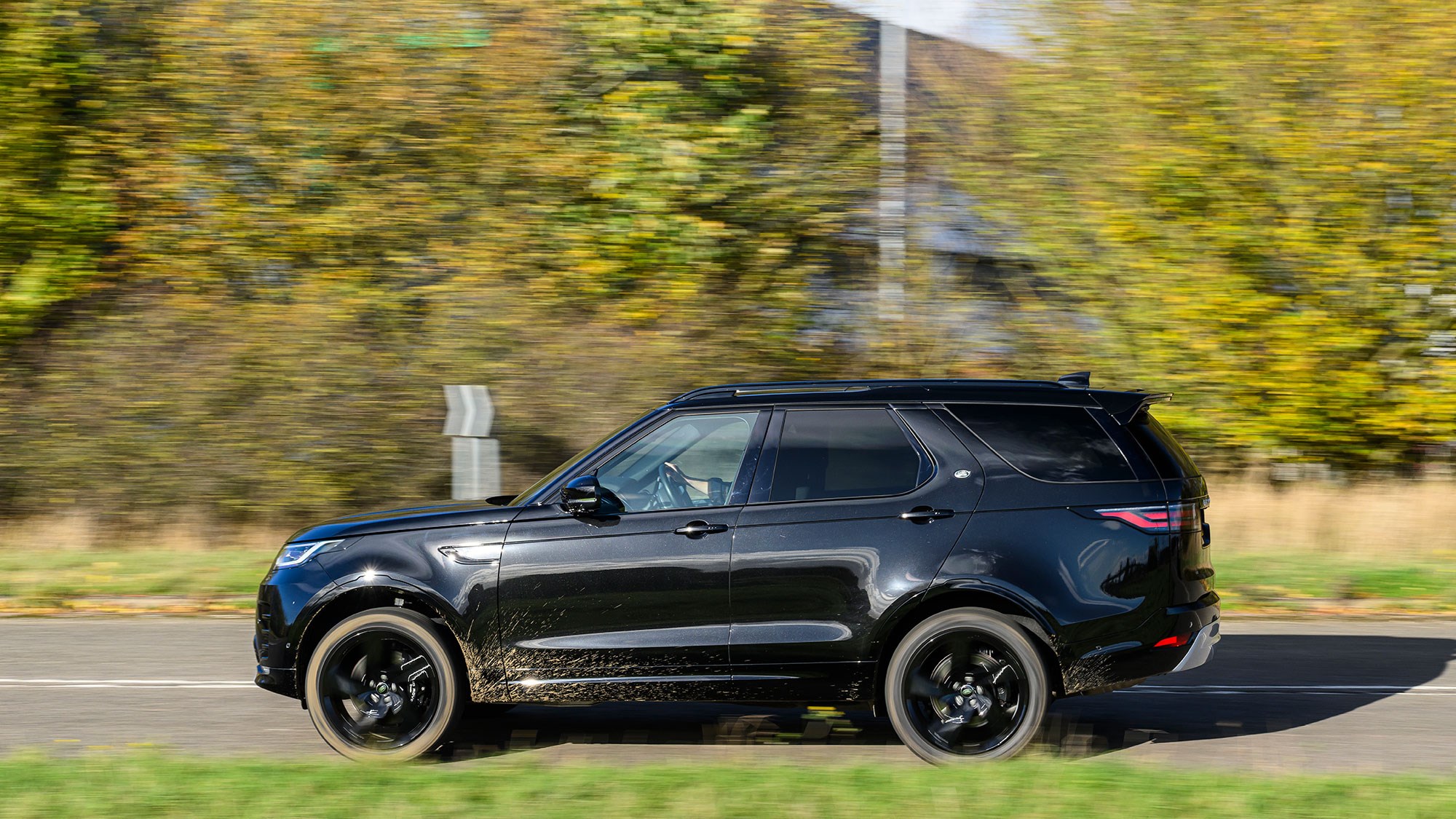
You still get a wealth of off-road tech, including Land Rover’s Terrain Response drive modes, hill-descent control, height adjustable suspension and low-range. And even though the Discovery’s approach and departure angles are a bit poorer than the Defender’s, it can still wade through the same 900mm of water.
Most drivers won’t ever realise a tenth of the Discovery’s capability, but that untapped potential is oddly comforting. During my test, we had some of the worst weather of the year. Roads were flooded. Trees were felled by nature. Flocks of sheep were consumed by boggy ground. But the Disco steamed through it all like a half-track. So, if you’re comparing the £60,000 Discovery to the £40,000 Skoda Kodiaq and wondering what you get for your extra money, there’s your answer.
What’s it like inside?
Compared to the touchscreen-led interiors of the Defender and Range Rover line-ups, the Discovery’s button-heavy dash layout looks a bit old fashioned. But it’s better. Much better.
The screen largely handles media and nav functions, leaving the physical buttons beneath to operate the climate controls. That’s safer, because it means I don’t need to divert my attention away from the road to change the cabin temperature or adjust my heated seat. Plus, you can use the buttons while wearing gloves which, because it’s an outdoorsy car for outdoorsy people, will be a common scenario.
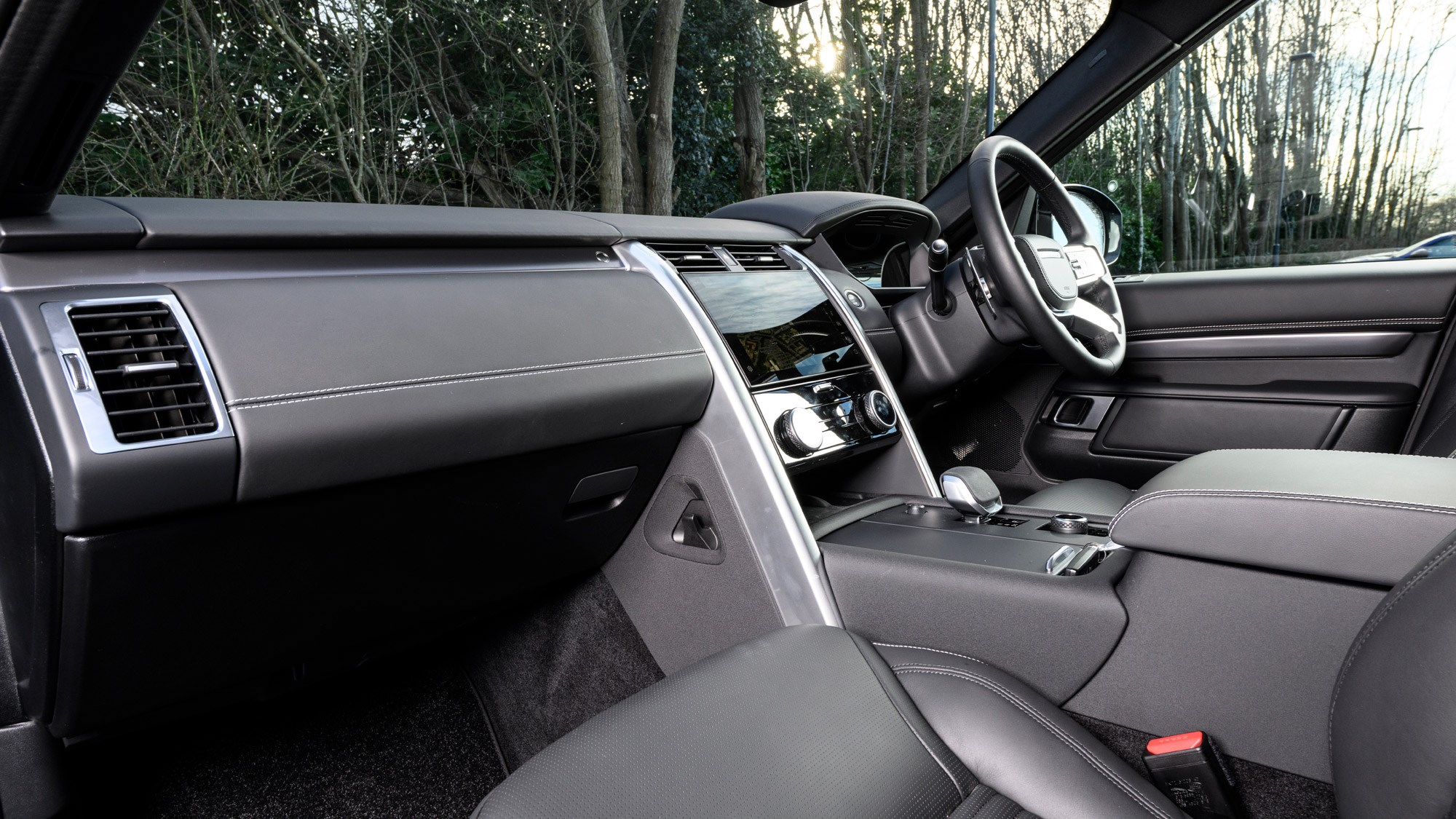
Quality is top-notch. Land Rover mixed the plushness of the Range Rover with elements of the Defender’s ruggedness to create a cabin that straddles luxury and functionality well. Some people have complained that the Discovery now feels a bit too posh, but I feel more comfortable jumping into it with a pair of muddy boots in a way I wouldn’t with a proper Range Rover. That carpets are that little bit easier to hoover and the plastics are a slightly harder wearing. It’s still a workhorse. It just has a fancy saddle.
You’ll also want to buy the Disco if you plan on regularly using the third row. It’s one of very few seven-seat SUVs that can genuinely accommodate seven adults without risking broken limbs or severe discomfort. It’s certainly more spacious than the Defender 110 back there, and its five Isofix points ought to keep even the most prolific breeders satisfied.
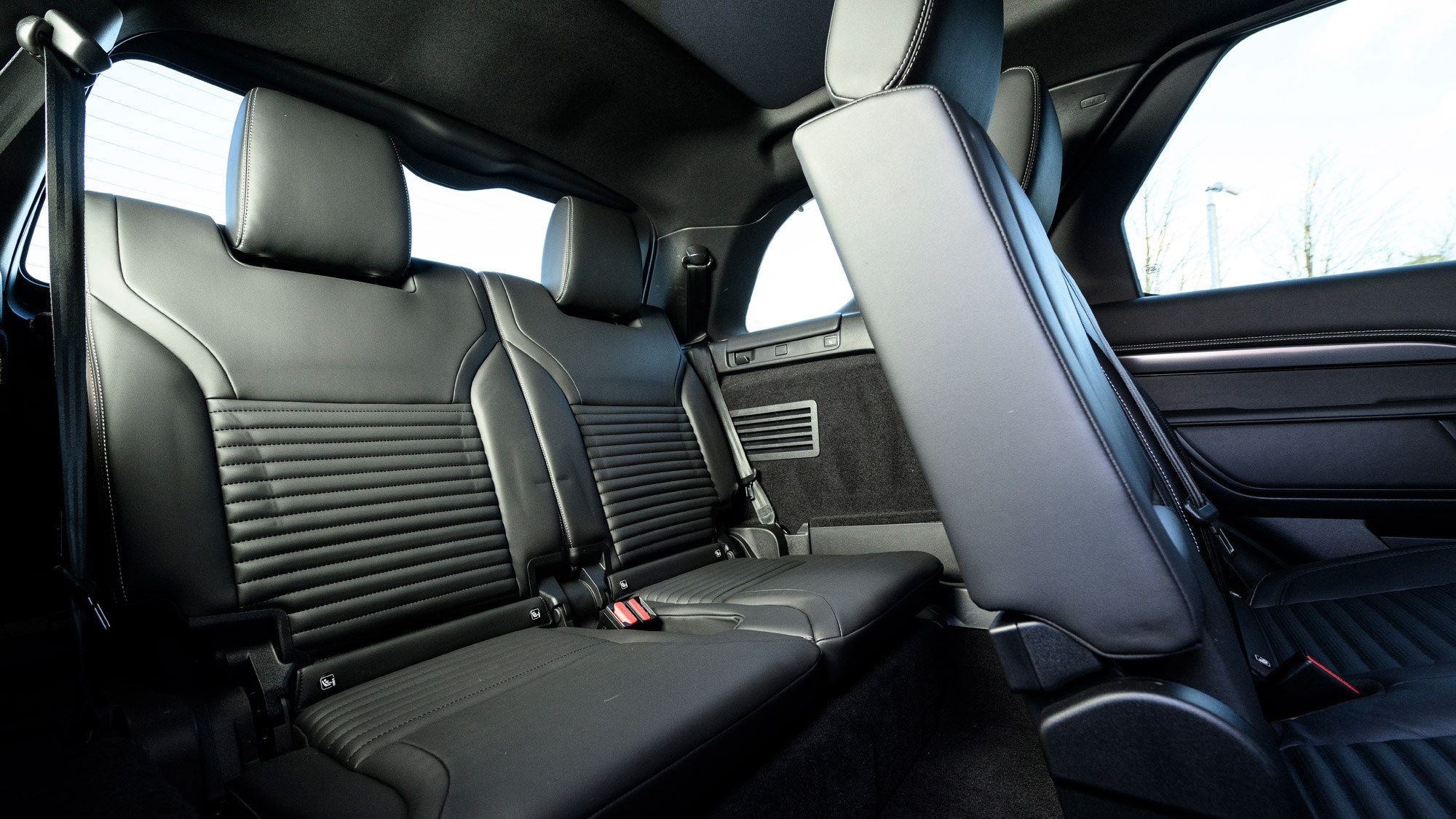
Granted, there is the eight-seater Defender 130 to solve that issue but, at 5.4m long, it’s just unnecessarily big unless you have your own private estate to moor it in. A Discovery feels like the best large family car solution from Land Rover.
Before you buy
Prices for the Discovery have shot up in recent years, partly thanks to the fact that it now only comes with the most expensive engine. Prices for the basic Discovery S now start from £64,810. Standard kit includes 20-inch alloys, electric front seats, leather upholstery, adaptive cruise control and a 3D surround camera.
That looks like a lot of money on paper but, when you consider the sheer amount of car you’re getting, it starts making better sense. Not least because you can spend almost the same amount of cash on a Santa Fe these days – but the Hyundai can’t get close to offering the same unstoppable driving experience. And while A Defender 110 starts from £62,000, if you spec it anywhere close to that of the Discovery’s standard kit list (with extras like the D350 engine and air suspension), it becomes considerably more expensive.
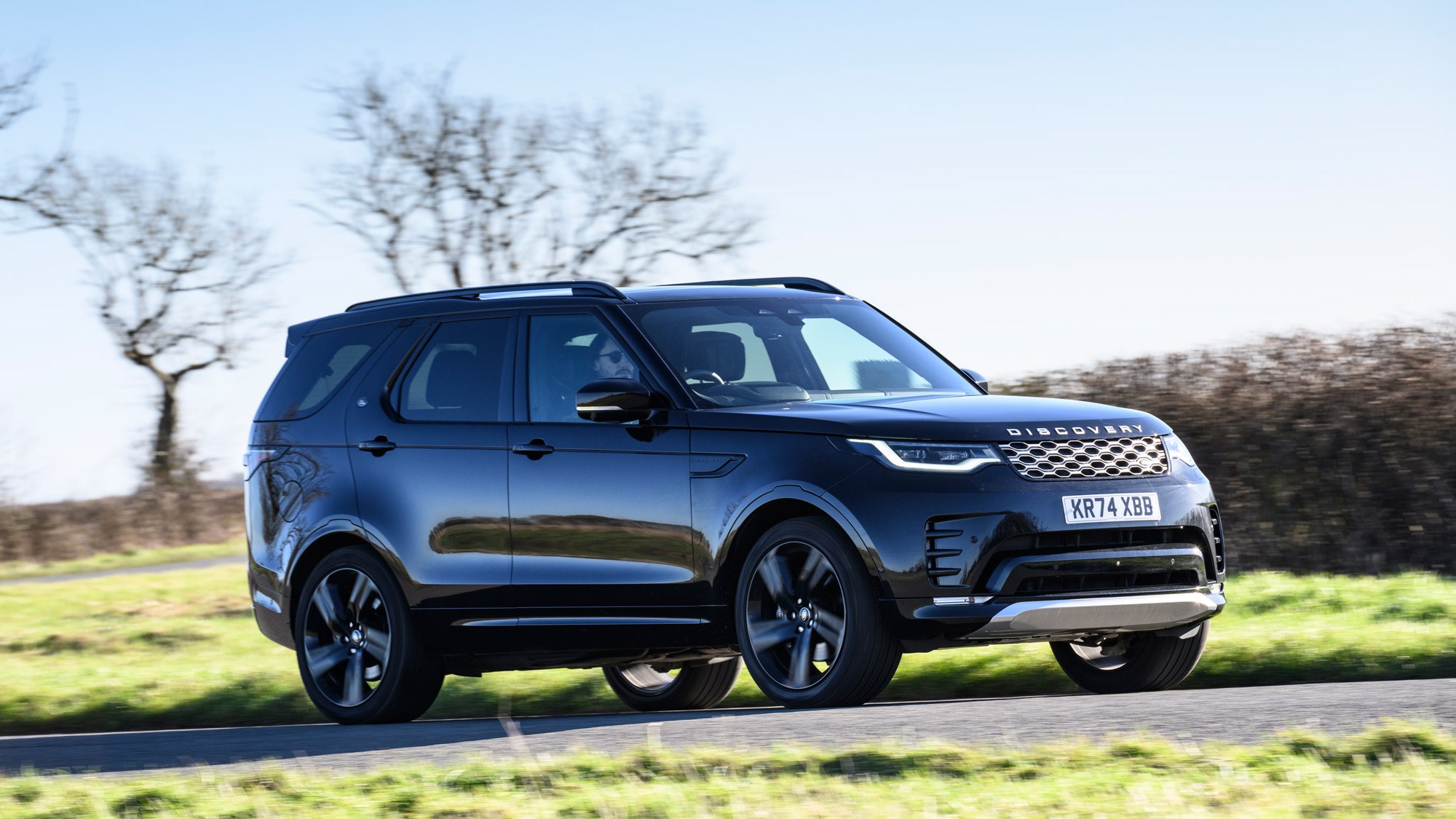
The Discovery’s price jumps up as you climb the trim levels. The SE specification starts north of £70,000, although it gets 21-inch alloys, a Meridian sound system and a panoramic sunroof. For £75,000, the popular Dynamic HSE trim brings Matrix LED headlights and cooled front seats, while the top-spec Metropolitan Edition features four-zone climate control, an electrically adjustable third row and a head-up display for a fraction under £80,000.
As is often the case when a car nears the end of its life, Land Rover offers the Discovery in a variety of special editions. Along with the 35th Anniversary model pictured here, (which is no longer available to order new), there’s the Gemini trim (that gets more standard kit) and the Tempest trim (painted in matte black). With every option box ticked, it’s possible to spec a Discovery to almost £90,000.
Verdict
The Discovery is a business-class cabin on wheels, with room for the whole family to go wherever takes their fancy – whether that be on the road or miles off it. There are few more useful large family SUVs, and I include the Defender in that assessment.
It might not be quite as capable as a Defender, and doesn’t have the same cult appeal, but there’s something about the Discovery’s fuss-free nature and lack of ego that makes it the car I’d choose overall. So, while it might be getting a bit old, it’s still one of the best SUVs you can buy where sheer usability is concerned.
*Specs are for Land Rover Discovery D350 Metropolitan Edition*