► Hybrid Lexus CT hatch no longer on sale
► Brilliant build quality (used cars still look good)
► But disappointing in other ways
Lexus introduced the CT 200h back in 2011 as its first attempt to break into the competitive premium hatchback segment – and even then, it was an oddity. Competitors like the Audi A3 and BMW 1-Series traded on driving engagement, but Lexus offered electric gliding in town, a posh cabin – and the tax breaks of hybrid tech.
The unusual hatchback has been knocking around for a while now, having been through two facelifts (the latest of which landed in 2017) and a smattering of trim updates. And although the market around it has evolved dramatically, the CT is still relatively sought after.
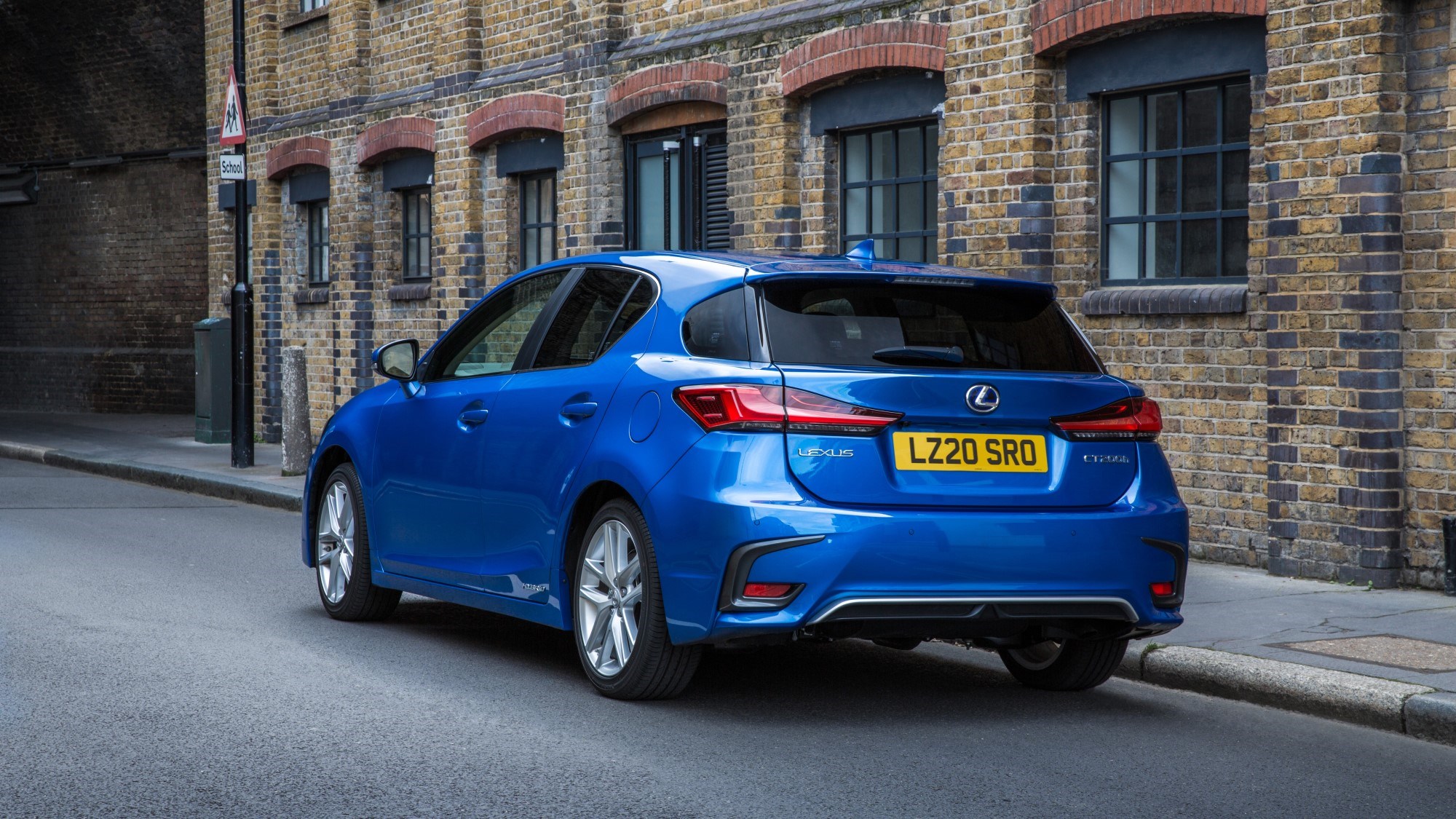
It was facelifted in 2014 and 2017 before eventually being retired in 2020 and replaced by the Lexus UX SUV. But if you are looking for a used CT, keep reading for our full, thorough review of the last incarnation.
Should I buy a Lexus CT200h? It’s showing its age now, but it’s hard to argue with the premium feel and sheer economy of the Lexus,
At a glance
Pros: Excellent fuel economy, solid build quality, low running costs
Cons: Lacks fun and refinement of newer rivals, Interior feels outdated
What’s new?
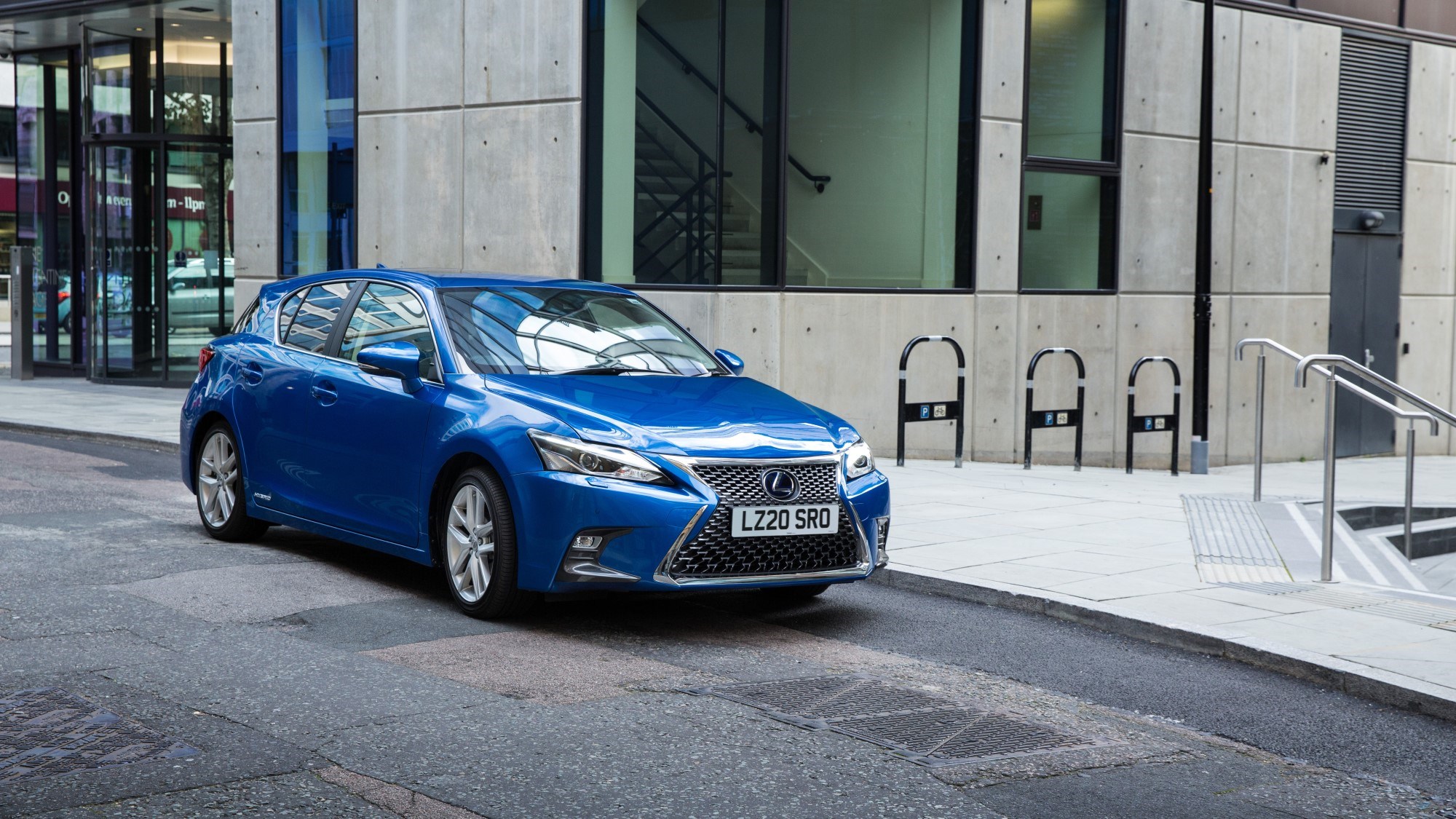
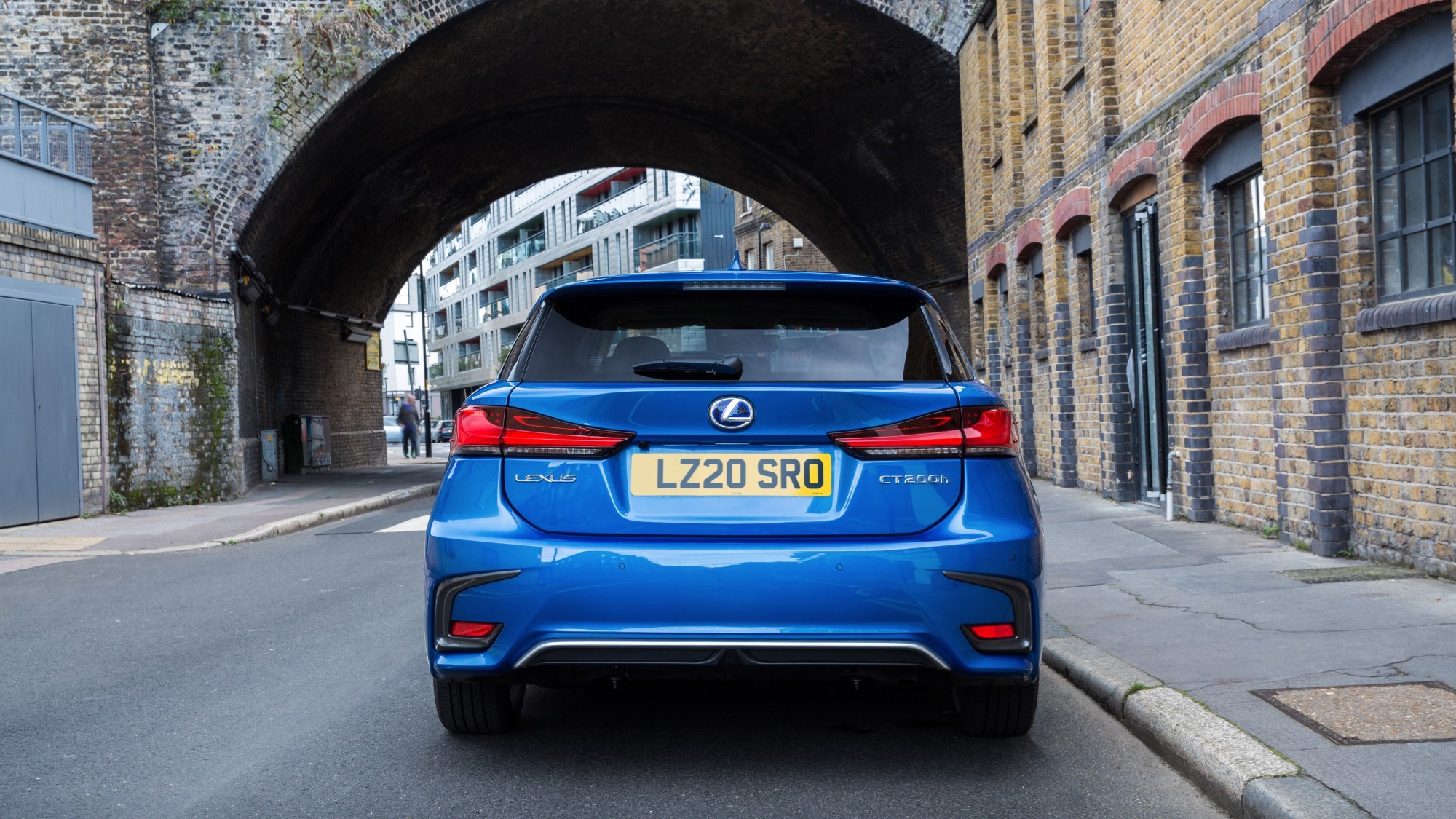
The Lexus is a compact hatch at 4355mm long – a match for the BMW 1-Series or Audi A3 Sportback. As you’d expect, there’s been nothing updated since the CT’s last refresh in 2017, but that was a big refresh to be fair: it got a bolder spindle grille design, updated headlights with L-shaped daytime running lights, and smoked LED tail-lights that tidied up the rear. The end result made the Lexus look a little more modern, if not conservative.
The facelift had improvements inside, too: top-spec cars gained a 10.3-inch display and upgraded navigation, while F Sport versions got sportier trim inserts and detailing. Mechanically, though, the 2017 update didn’t add anything.
What are the specs?
The Lexus’ hybrid system combines a 1.8-litre Atkinson-cycle petrol engine with an electric motor and battery pack. It’s the same setup you’ll find in earlier Prius models and is geared for smoothness and economy rather than speed. More on that later.
With that in mind, the CT’s powertrain delivers a combined output of 134bhp, acceleration from 0–62mph takes 10.3 seconds, and top speed is limited to 112mph.
What the CT lacks in performance, it makes up for with impressive fuel efficiency – this is the cousin of the Prius after all .Lexus quotes 64.2mpg, and in everyday use 50–55mpg is perfectly realistic – especially in urban settings where the hybrid system can spend more time running on electric power alone.
Finally, CO₂ emissions start at 101g/km, keeping both tax and company car rates low. There’s a reason the CT is still sought after among fleet and taxi drivers.
How does it drive?
The CT is Lexus’ take on the Toyota Prius, and it drives every bit like a combination of the two. Around town, it eases away from a stop in near silence, and at low speeds the electric motor does most of the work. The transition to petrol power is generally smooth – although it can groan or moo under load when the revs rise.
That ‘mooing’ is a characteristic of vehicles with a CVT (continuously variable transmission) but it’s a problem that you’ll only occasionally notice. In traffic it’s well behaved, but put your foot down and the CT’s engine note will have an air of torture about it. Of course, it’s a signature many hybrid Toyotas and Lexus cars share, but it feels particularly old-school here.
Performance is best described as leisurely. Even with the CVT making the 1.8-litre powertrain howl, there’s never a real sense of urgency. In Sport mode, throttle response is sharper and feels more direct, but the actual pace isn’t all that different.
Handling, too, is tidy rather than thrilling. The CT’s suspension is tuned more for composure than excitement, and while body control is decent, the steering feels light and distant. Sadly, comfort levels are none too impressive. The CT’s stiff springs weight mean you feel every bump in the road, even though the standard 17-inch wheels are small by modern standards.
What about the interior?
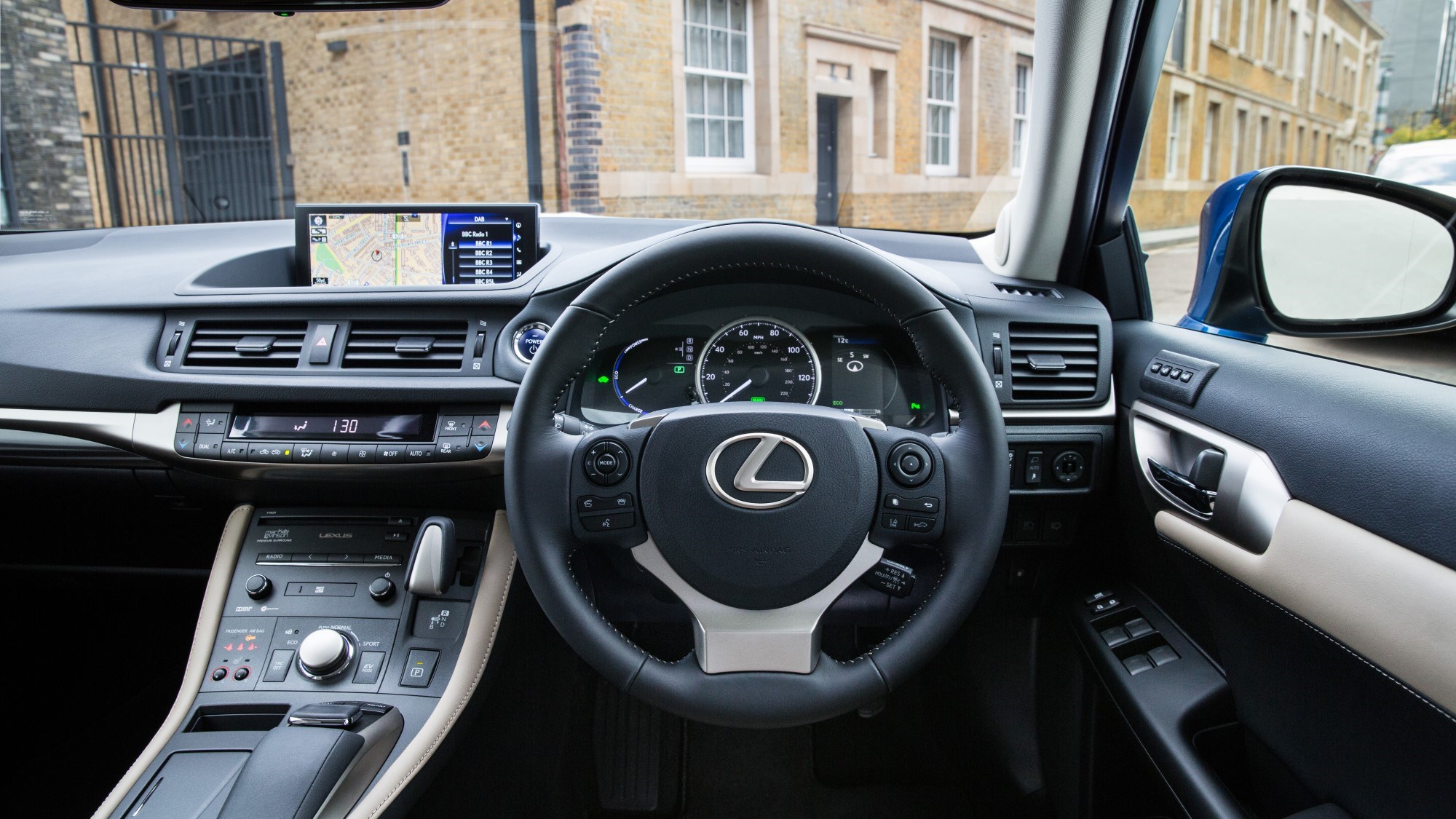
Step inside the CT 200h and you’re greeted by a cabin that, while nicely put together, shows its age in design and layout. Materials are impressive, with soft-touch surfaces and solid switchgear, but the dashboard architecture is clearly a generation behind rivals. Still, the seats are also wonderful – another typical Lexus highlight – and audiophiles will love the impressive Mark Levinson sound system on top-spec models.
The build is beyond reproach, then, but what about the CT Hybrid’s other qualities? Unfortunately, elsewhere things feel a little overcomplicated. The dials and climate control interface are pleasingly designed and intuitive but the seat-heater controls are fiddly, as are the knobs for controlling the audio system.
The facelift introduced a widescreen infotainment system on higher trims, which helps modernise the look, but the interface – a laptop-style trackpad – remains frustrating to this day. It’s fiddly to use and requires far too much concentration, especially on the move. Thankfully this has been ditched by Lexus since it arrived in the CT.
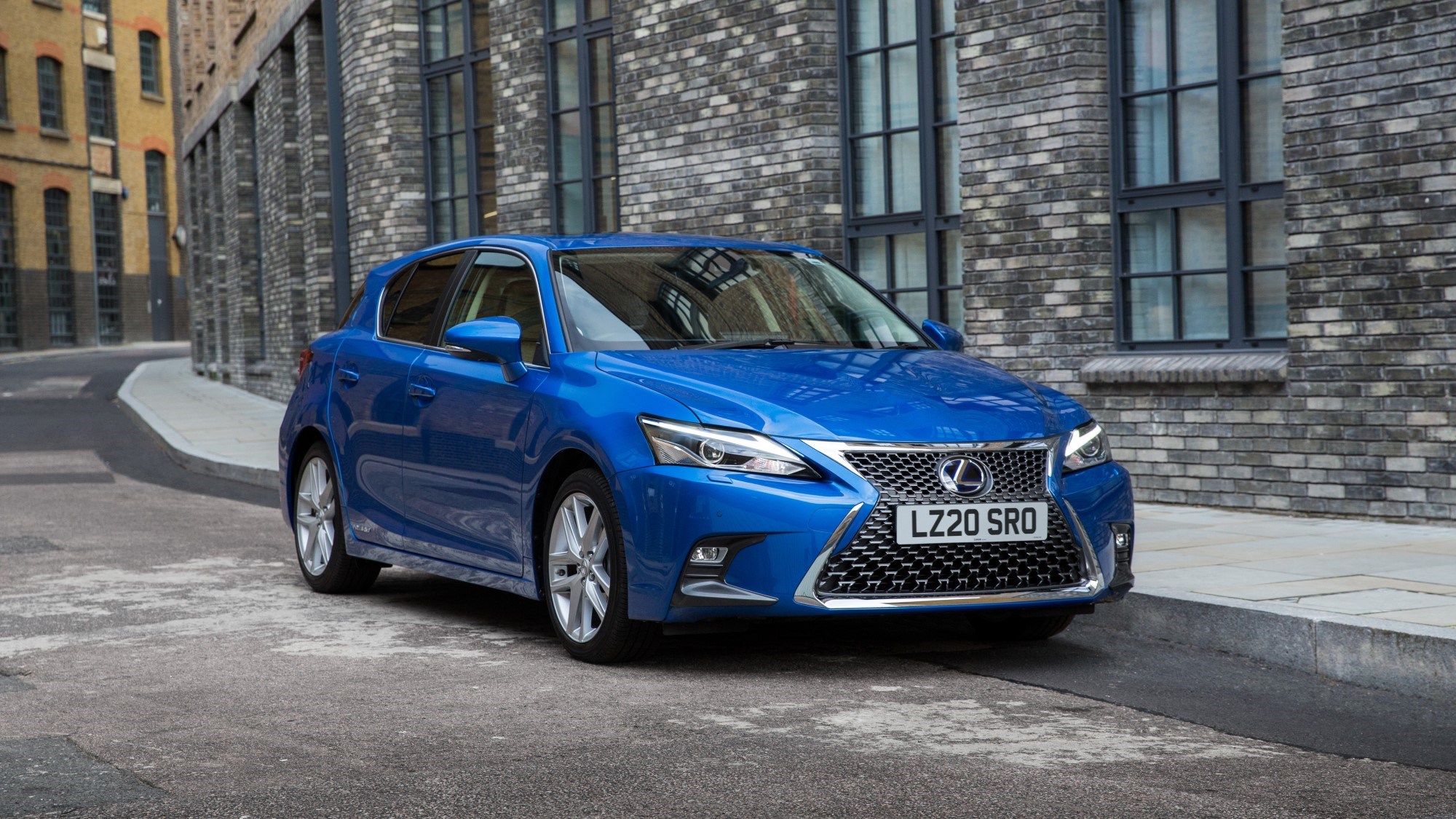
But back to the positives: the driving position is low and supportive, and visibility is decent. Front-seat occupants fare well for space, but the rear is tighter – especially headroom, which is limited by the sloping roofline. It’s usable for kids or shorter adults, but longer journeys might expose its shortcomings.
Boot space, at 375-litres, is about bang average for the class but trails modern hatchbacks like the Skoda Scala or Toyota Corolla. The load space is well-shaped and easily accessible at least.
Safety kit is obviously not as extensive as in a new car, but nowadays that may not be such a bad thing. Either way, the CT gets the Lexus Safety System+, with adaptive cruise control, lane departure warning and auto emergency braking – standard on all versions. That’s probably the perfect amount safety tech if we’re honest.
Before you buy (trims and rivals)
The Lexus CT range is relatively simple. Entry-level cars come well-equipped, while F Sport and Takumi trims add even more luxury and tech, including heated leather seats, upgraded sound system and full LED lights.
CTs can be had from below £20,000, which undercuts many premium hatchbacks. But top trims will command more, at which point you’re into more modern hybrid or plug-in territory.
Rivals? Few offer quite the same combination of strengths. The Toyota Corolla Hybrid is newer, more spacious and better to drive – and for a little more cash you can look at the current-gen Prius. Similarly aged Audi A3 and BMW 1-Series examples bring dynamics but lack a full hybrid system. That is, unless you stretch to plug-ins, with the added price and second-hand risk that involves.
Verdict
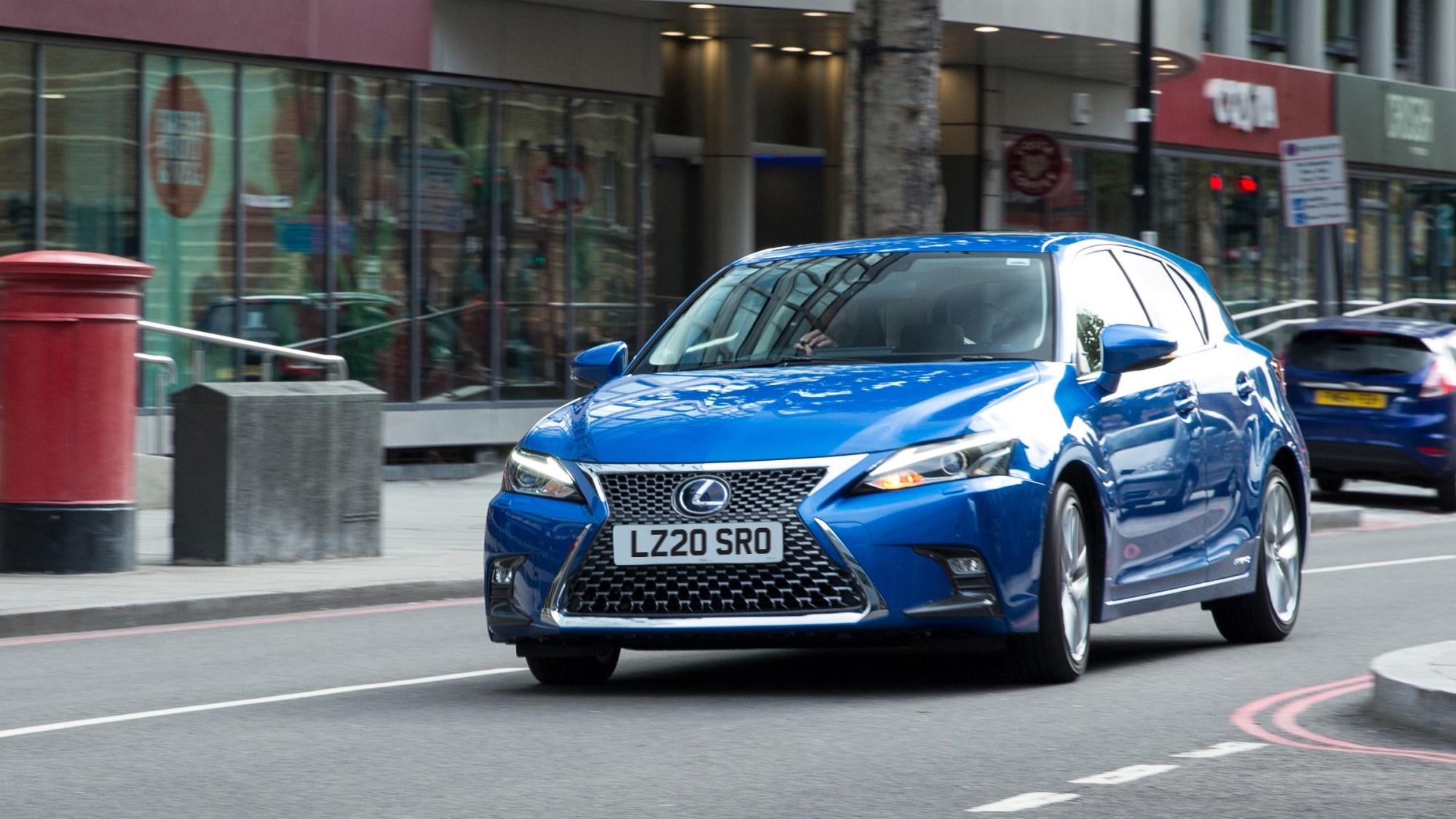
The Lexus CT 200h might be old, but it still brings some genuine strengths to the table. It’s economical, refined and exceptionally well built. And unlike most cars it’ll only get cheaper every year.
The hybrid powertrain is proven and dependable, and for some buyers, that alone will be enough. Yet there’s no ignoring the age of the platform, the dated interior tech, or the leisurely performance. As the car industry moves to plug-ins and full EVs, the CT feels increasingly from another era. Just look at the Prius that Toyota just brought to the UK.
Still, if you’re looking for a no-nonsense, low-emissions hatch that goes big on reliability and cost-saving, the CT remains a unique and quietly appealing option.