► The best Polestar you can buy?
► Now in rear-wheel drive
► Is it good enough to beat the BMW i4 and Tesla Model 3?
The Polestar 2 has been around for about five years now, but even in its current form it’s still an unusual alternative. It’s not the fastest, nor the flashiest electric car but it has Scandinavian style in spades; from its minimalist interior to its clean Jony Ives-inspired lines.
Polestar has been busy improving the 2 since its debut, and although the tweaks are subtle on the outside underneath there’s been some big improvements. The most notable? A rear-driven chassis and more range than ever before.
So, is the Polestar 2 as good as it looks, or is there a reason it’s still a quirky – albeit sophisticated – EV choice. To find out, we drove the latest 2 at length. Keep reading to find out what we thought.
Should I buy a Polestar 2? The newest 2 keeps the same crisp design and techy cabin but adds better dynamics and a more feasible range. It’s no i4 beater, but it’s worth a look.
At a glance
Pros: Clean design, impressive range, Google infotainment
Cons: Firm ride, limited rear headroom
What’s new?
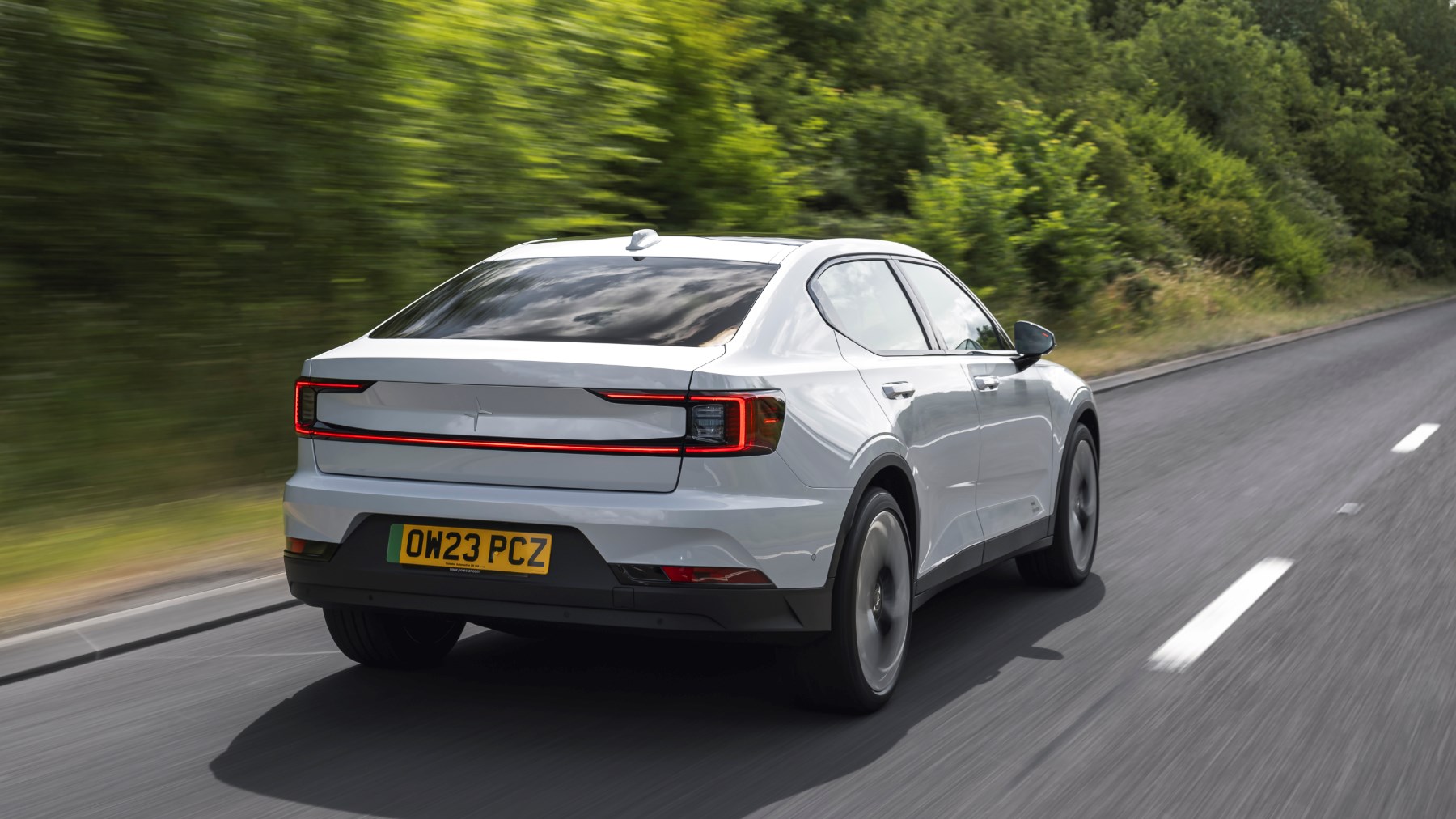
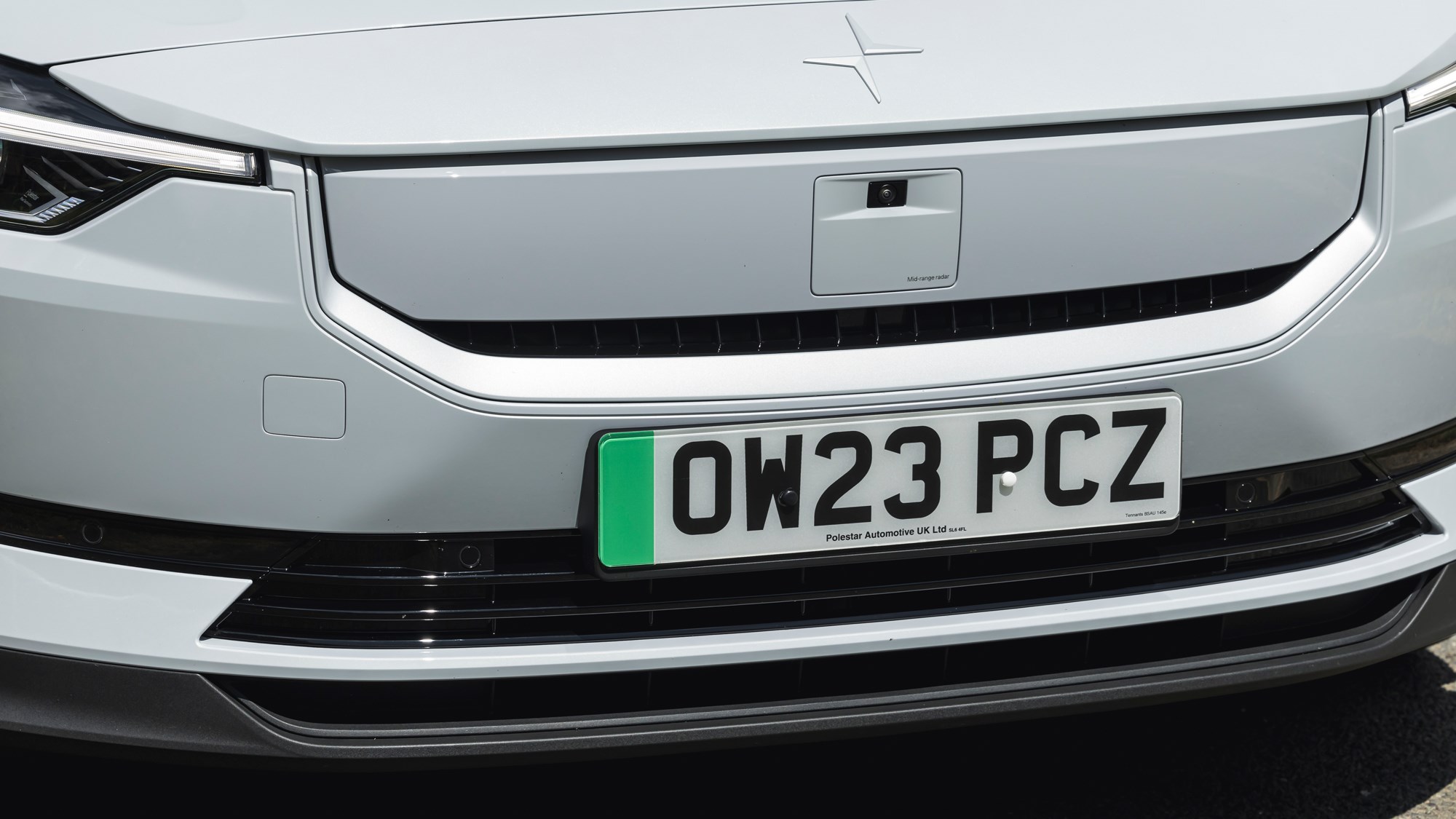
The latest Polestar 2 is similar, but different. For one, the grille is now blocked out in the body colour for a cleaner, more futuristic look. Look around the car, and the entire design has just been tidied up a little.
More significantly, the 2 switches from front- to rear-wheel drive for single-motor variants, which should make for a more dynamic, engaging drive. Additionally, there’s an increase in battery capacity for an extended range figure.
Polestar hopes these changes have kept the 2 competitive in the rapidly evolving EV market. After all, new entrants like the BYD Seal and updated versions of the Tesla Model 3 and BMW i4 are already raising the bar in terms of performance, range, and technology. The Polestar 2 must keep moving to stay still.
What are the specs?
The latest Polestar 2 is available in a few configurations: two single motor trims – now rear-wheel drive – and two dual motor trims.
The standard range single motor delivers 268bhp from a 70kWh battery and is capable of a 0-62mph sprint of 6.2 seconds and 344 miles of range. The long-range single motor gets a larger 82kWh battery for a 0-62mph sprint in 5.9 seconds. It makes 295bhp but can go the longest, with a range of 409 miles.
Then you have the dual motor versions, with the long-range dual motor making 416bhp, a 0-62mph of 4.3 seconds and a range of 370 miles. Opt for the top of the range Performance pack with the long-range dual motor, and things get even faster: power goes up to 469bhp, 0-62mph arrives in just 4.0 seconds, though range is down to 352 miles. Top speed is a limited 127mph across the range and all range mileage quoted here is WLTP.
All trims use 400-volt systems, with the standard range cars capable of 180kW charging and the long-range cars capable of 205kW charging. It doesn’t make a huge difference in practice though, the short range batteries will charge 10-80% in 26 minutes and the larger ones will charge the same amount in 28 minutes.
What’s it like to drive?
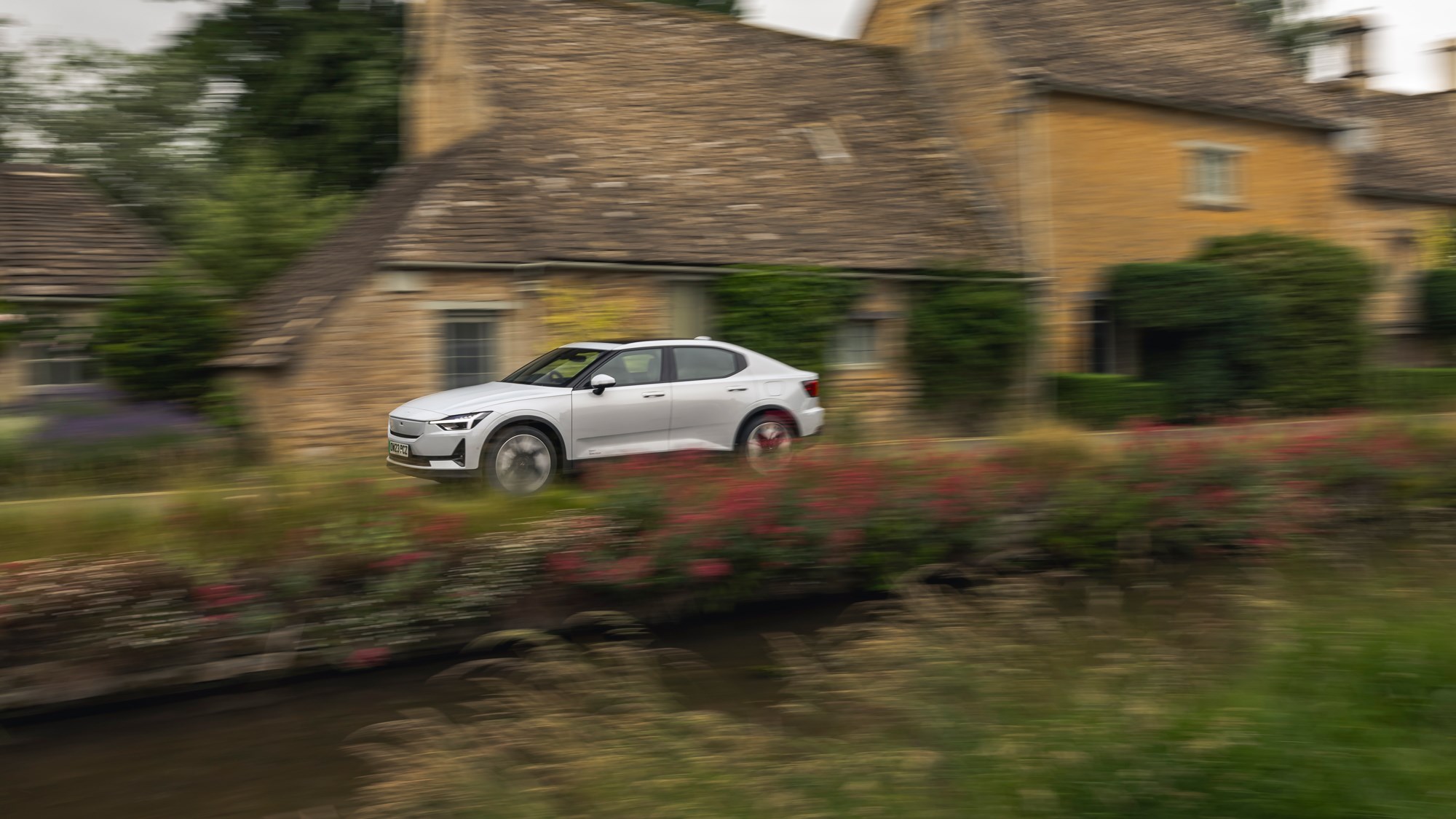
The transition to rear-wheel drive in single-motor variants has improved the Polestar 2’s handling characteristics, offering better balance and a more engaging driving experience. But the Polestar is still not as keen as an i4. There’s a tonne of grip and traction out of bends is prodigious. You really need to load it up at a roundabout to feel much rear-wheel drivenness going on.
Better to drive than a Tesla Model 3? Sure. Than an i4? Sadly not. It still lacks in involvement and communication when compared with the Bimmer, especially through the seat and steering wheel. The 2 also feels a good few hundred kilograms heavier, despite the i4 weighing virtually the same.
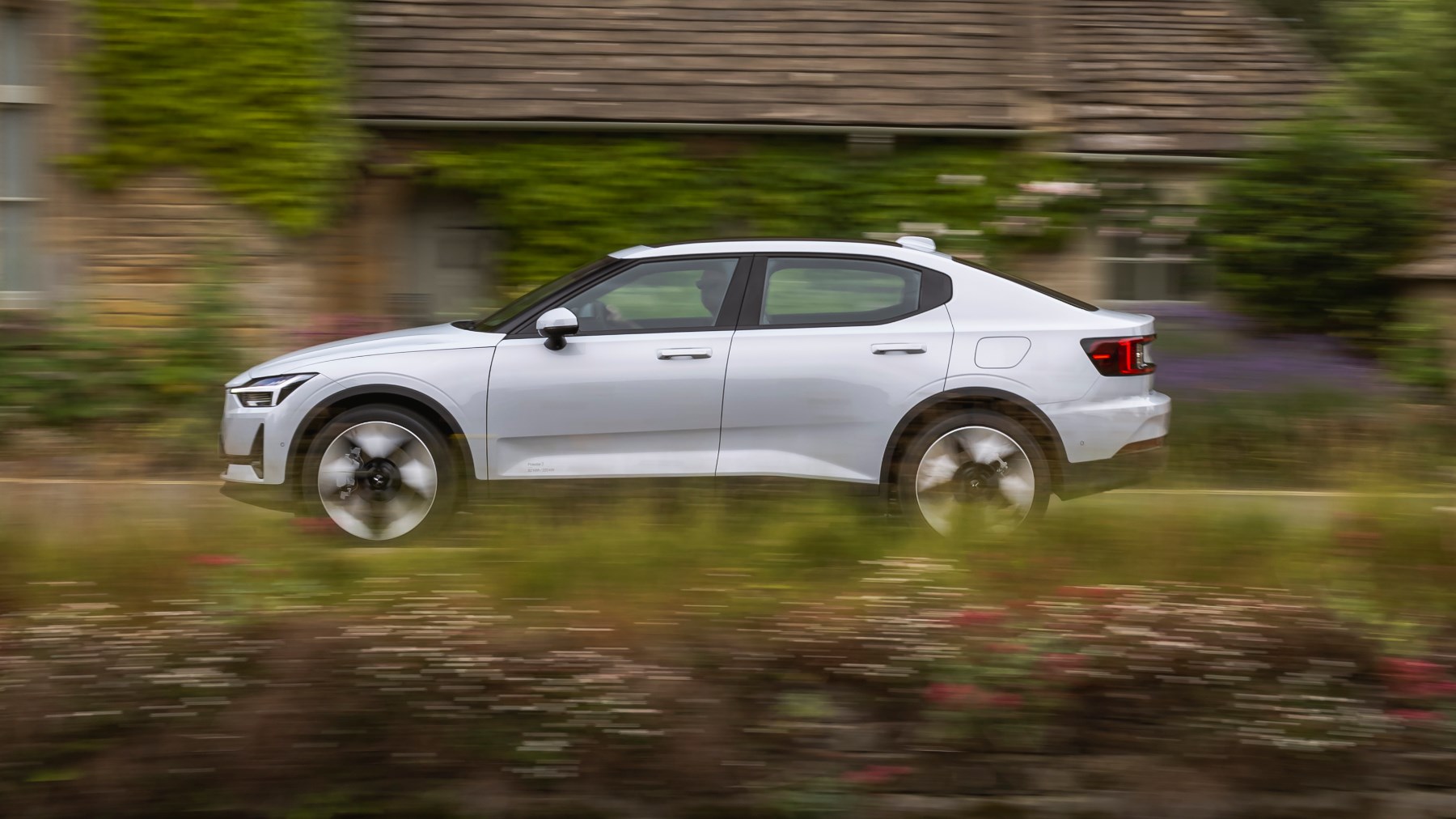
The ride is sadly lacking in finesse too. Our test car had the optional 20-inch wheels attached, and we’ve been assured that the standard 19s are slightly better. But it’s bad.
Our main beef is with the chassis. It feels extremely rigid and the result is a car that’s jittery. On anything remotely rural it jiggles from bump to bump and dives deeply into potholes. It feels even worse in the rear as passengers back here sit nearly directly over the rear axle.
At town speeds it’s stable enough and on the motorway it’s pliant and easygoing. But anything in between those extremes is jarring.
What about the interior?
The cabin of the Polestar 2 wows. Build quality is impressive thoughout, with tight shutlines, lustrous paintwork and neat detailing like frameless door mirrors.
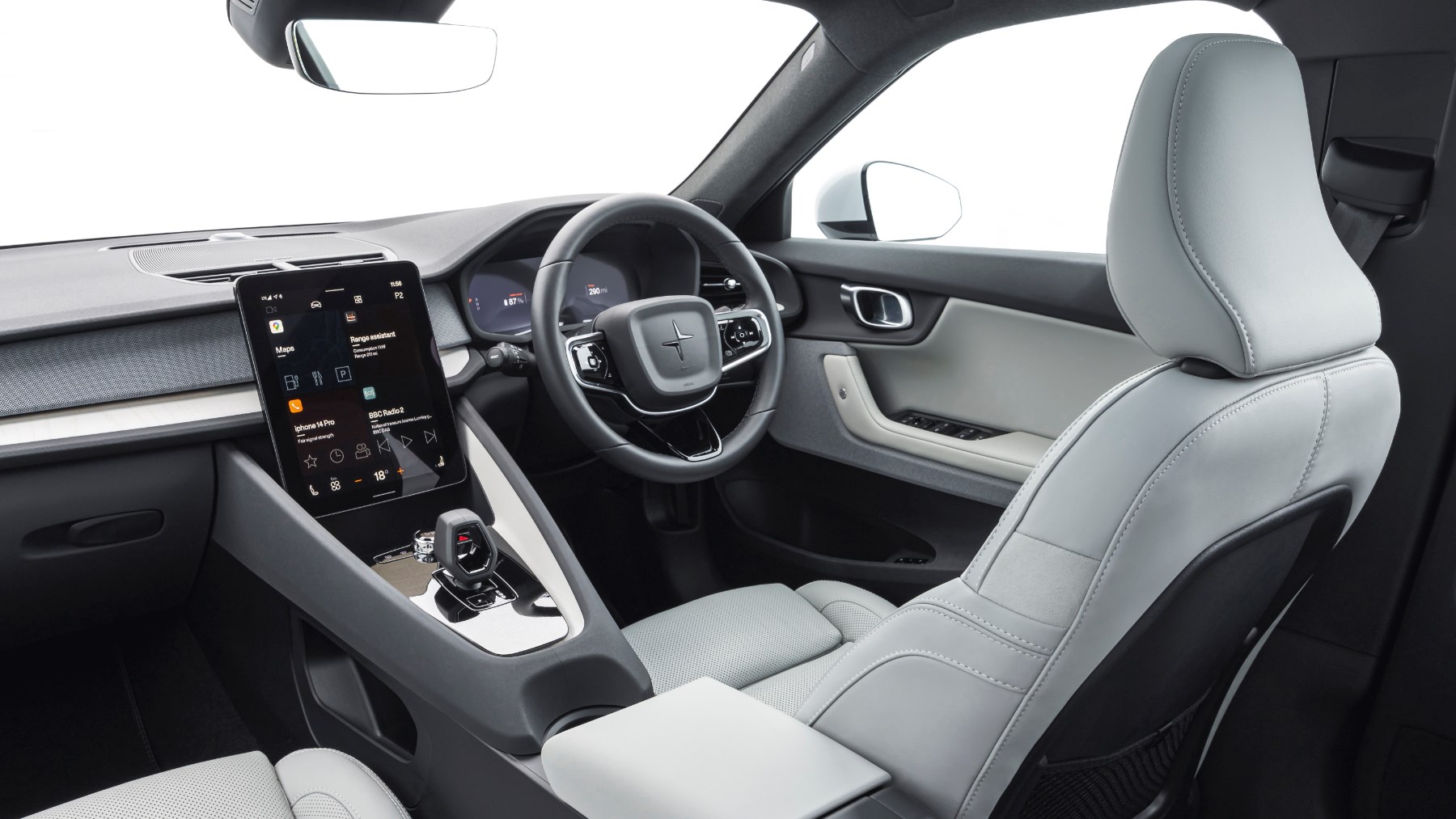
Settle in and you’ll be at once familiar with the Scandi chic and Volvo overtones, yet surprised by the sheer modernity and freshness of the Polestar 2’s cabin. Materials and build quality are top-notch regardless of whether you’ve got a basic version or a top-spec car – it feels on a par with Volvo interiors, and they’re from the top drawer. Yes, you’ll spot a few telltale parts shared between Polestar and Volvo (steering wheel controls, electric window switches and suchlike), which is just fine by us.
A large panoramic sunroof is optional, bathing the cabin with soft, diffused light; there is no sunblind and Polestar says a UV layer removes the majority of heat soak – and at nighttime the brand’s North Star motif is projected onto the glass overhead, a typically neat design touch. There’s a lovely, calm, Scandinavian ambience throughout.
It’s a decent package for front-seat passengers, but things are more cramped in the back row. The rear doors are rather small and watch out for a large ‘transmission tunnel’ bisecting the rear floor, making this effectively a four-seater.
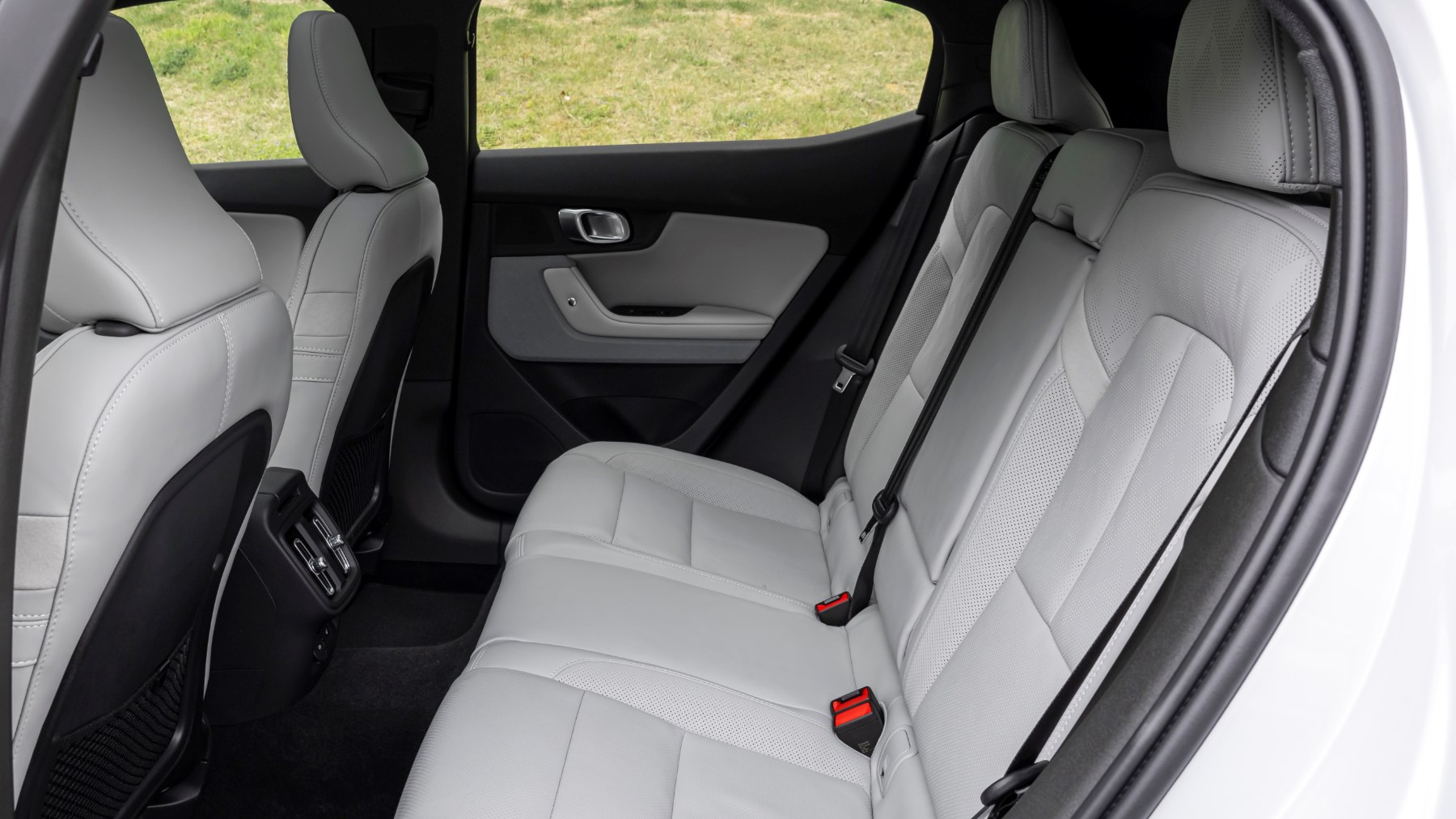
You’ll appreciate the supportive seats that continue the decades-long Swedish love affair with comfort, and the ergonomics are largely spot-on. There is a terrible over-the-shoulder view, however, thanks to that pillarbox rear window from the notchback silhouette, but a standard rear-view camera and three well-positioned, frameless mirrors mean you never really worry, even when parking. The bird’s-eye-view panoramic parking camera really helps here.
The Google-based infotainment is a joy to use in its ease and its integration of Google Maps is genius, allowing you to easily plot routes that involve charging stops. The voice recognition is spot on, too. Clever bits of software, such as the Range Assistant app, are designed to improve efficiency, save money and generally make things a little better.
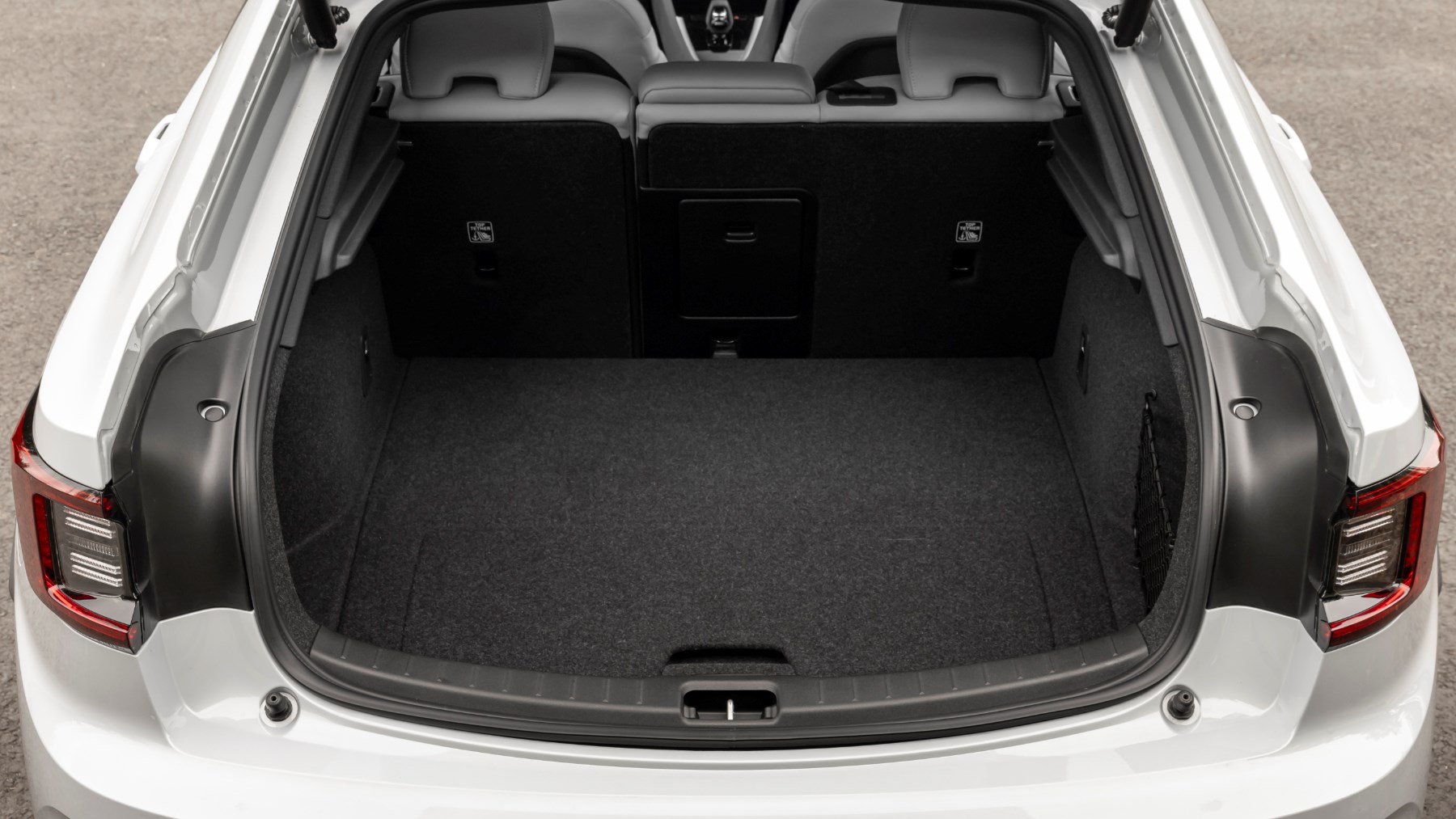
The sensibly shaped boot is 405 litres in capacity, which is about the same as the BMW i4. Theoretically the Tesla Model 3 has a similarly sized boot, but remember, that’s a saloon. The 2 also comes with a 35-litre ‘frunk’ (or front trunk) for storing your cables and charging paraphernalia under the bonnet.
Before we even get into rivals it’s worth looking at the Polestar 2’s own line up. Priced from £45,160, the standard range, single motor car isn’t cheap, and it gets more expensive when you opt for the longer range one at £49,160. After that, the two dual-motors will set you back £53,160 and £58,160 when you add the performance pack. With that in mind, we’d go for one of the two single motor versions.
Both will offer more interesting dynamics (if you really push them) and both are more practical on the range side of things. They’re also under £50k, which is a relatively sensible budget cap for a car of this size and sector.
Outside of Polestar, there’s the Model 3 which is one of the best-selling cars for a reason. It beats the Polestar on everything but style and build quality, but both of those factors can be deal breakers for some.
The BMW i4 should worry the Polestar the most, because it offers a more engaging driving experience and a luxurious interior. It’s not got the same unusual ‘aura’ as the 2, but it does all the premium saloon things better, and it’s more fun to drive.
The BYD Seal is like a cut price Tesla and is therefore still worth considering. It’s from a newcomer, but BYD is serious about the UK and there’s nothing to suggest the Seal won’t be a solid car to run in years to come.
Hyundai’s Ioniq 6 is another car to consider. Streamlined, unusual but with an airy cabin and decent range – it should be on your shortlist. We particularly prefer the newer, facelifted model, too.
Verdict
The Polestar 2 is quite an achievement. Volvo decided to spin off the company as a standalone unit to rival Tesla – a progressive, performance brand highly attuned to the zeitgeist.
And those values feel on point right now, as we all question our way of living. We predict positive interest in Polestar’s vegan interiors, clean-fuel EV status and focus on low environmental impact.
It’s just a shame this latest model doesn’t quite gel properly due to the stiff chassis and suspension. It feels like it’s just a few setup changes away from being a class leader.