► Fisker Ocean driven in Europe
► New all-electric SUV, coming to UK
► Massive range, ropey handling
It was all going so well. The Fisker Ocean landed at a time when electric car sales and SUV demand were both skyrocketing, and the latest product of Henrik Fisker, this moderately-sized electric SUV looked set to threaten established marques on both sides of the Atlantic.
Alas, despite promising initial results, Fisker the brand is now more. But the five thousand or so Oceans floating (sorry) around exist as proof for just how great this SUV model was. So should you consider buying one of these cut-price SUVs, now that the company has gone into liquidation?
Let’s look back to when we subjected the then brand new Fisker Ocean to a thorough CAR test.
Should you buy a Fisker Ocean? First things first, there are no new Oceans on sale because of the brand’s demise. And used ones no longer have a manufacturer warranty for the same reason. But – and this is significant – there are cars on the market for well under £20,000, meaning for those of us who can stomach the risk of no manufacturer support, you can bag yourself a lot of car for the money. Oceans started at £35k, but many of the initial production models were sold for more than double that.
But should you buy one? If you want a practical and technically impressive electric SUV with great real-world range, and you’re comfortable with making a hefty saving in exchange for taking a risk when it comes to long-term serviceability, then yes. This might just be the car for you. For everyone else, there are still many other brands that are actually alive…
At a glance
Pros: Looks, handling and tech features are genuinely impressive. The range is brilliant. They’re rare…
Cons: No manufacturer updates, and only non-OEM garages can service the car. Low speed ride isn’t the best.
What was new?
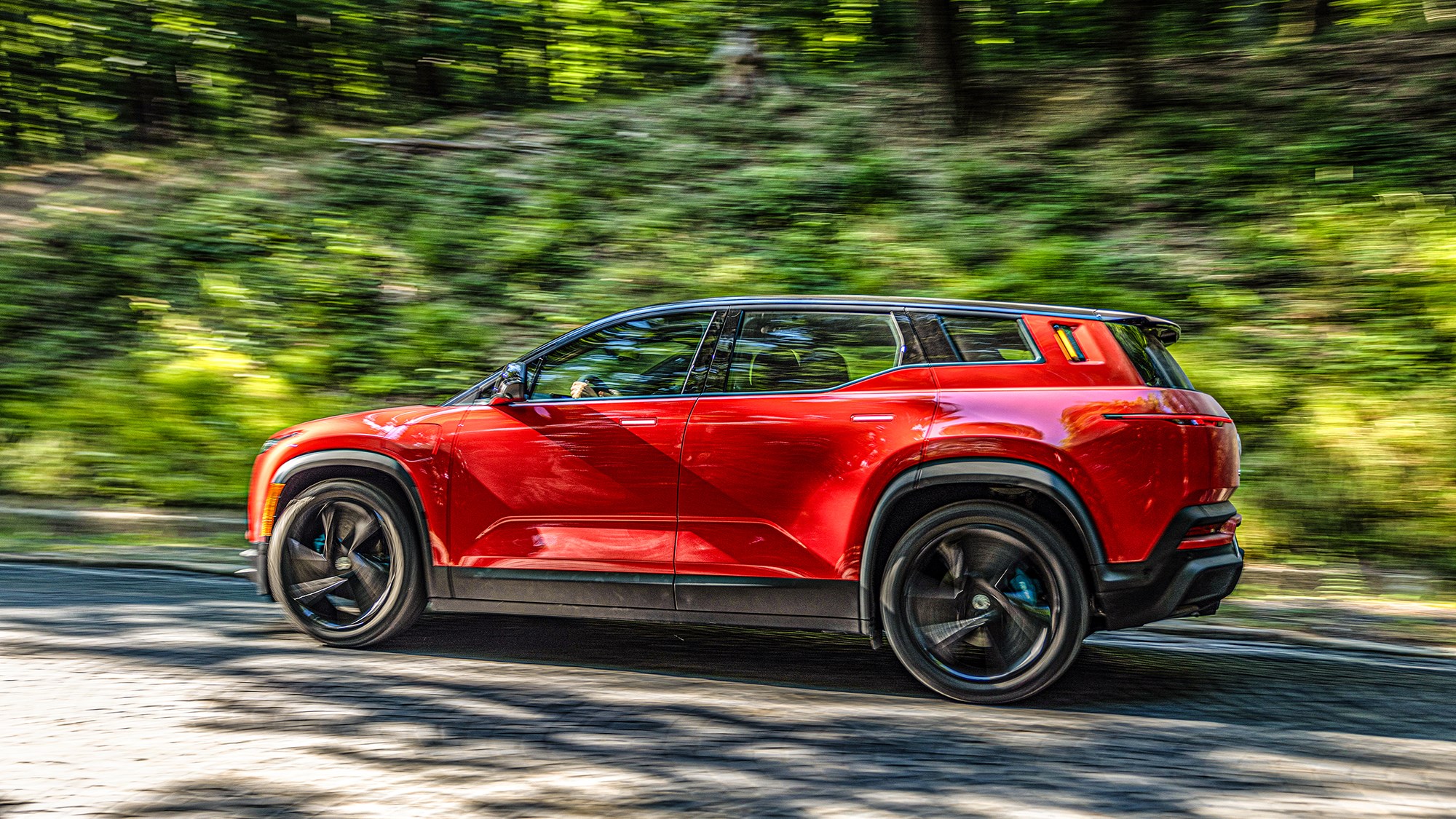
Well, the whole car was new, because this was Henrik Fisker’s first foray into the electric SUV world. That means the base of the Ocean is bespoke, and it’s enabled some pretty big numbers (more on those in a minute) to go with a unique exterior and interior design. In fact, most to have driven an Ocean have liked that it’s totally different from the competition – many examples of which share components, ensuring they’re less interesting. Or at least more familiar.
What are the specs?
When we first drove the Fisker Ocean, we sampled a top-of-the-line Fisker Ocean Extreme which retailed at £60,880. That bought you the big, 106.5kWh (net) battery and two motors good for a combined 556bhp and 544lb ft of instant torque, plus all-wheel drive and the ability to accelerate from zero to 62mph in 4.0 seconds. Sub-5.0sec launches have become ubiquitous in the new era of EVs, but back in the real-world that’s very quick for a car this size.
The entry-level Sport was priced from £35,970 when it was launched, and it uses a 75kWh battery, front-wheel-drive and 271bhp. That means it’s more than three seconds slower to 62mph, and top speed will be limited to 100mph. With a WLTP efficiency figure of 3.65 miles per kWh, its range will be 273 miles, according to Fisker’s figures.
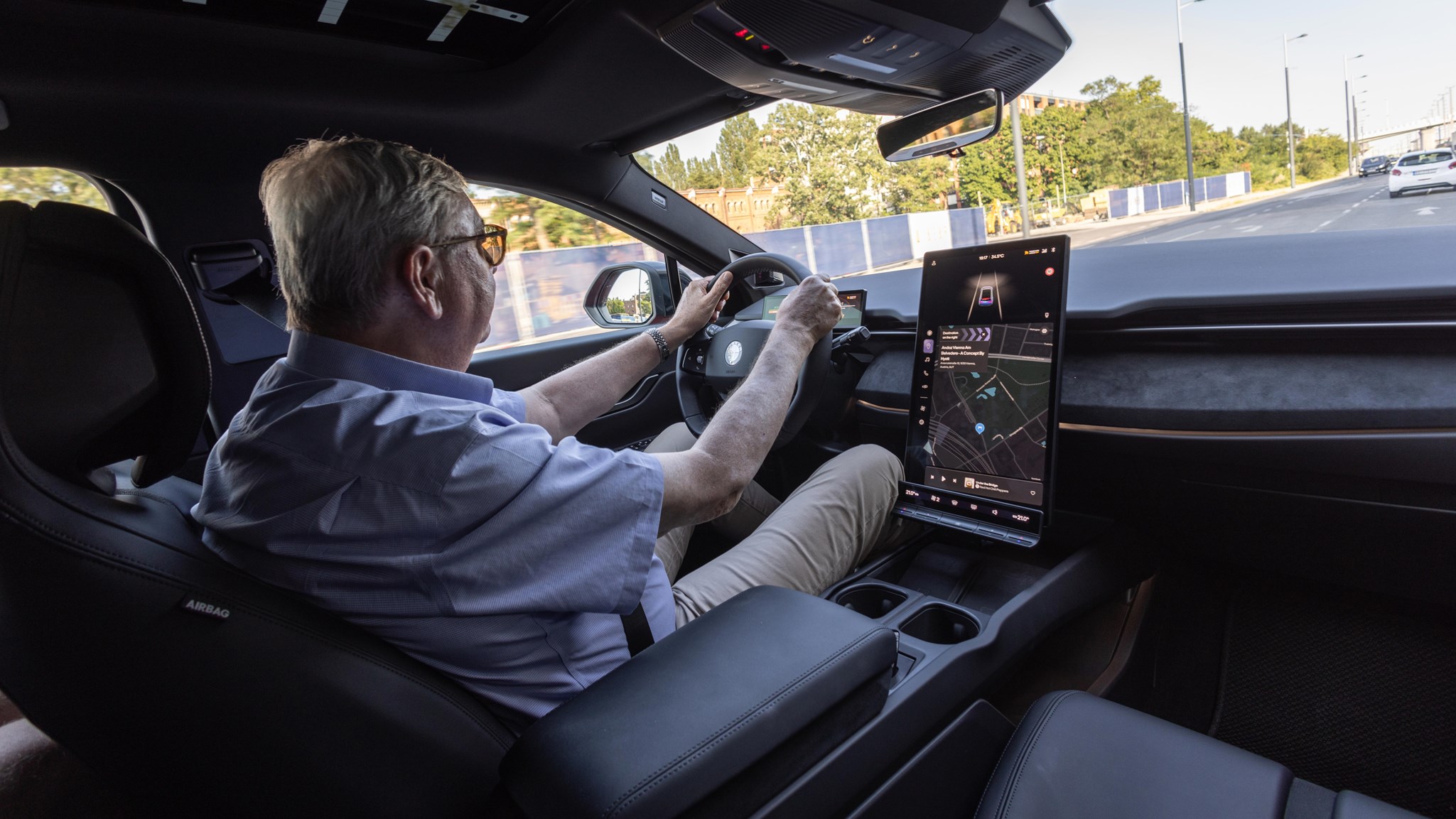
Fisker made big claims about the Ocean’s efficiency, but they’re backed up by WLTP figures: two hours into day one of our drive, with the state of charge an indicated 85%, the estimated range reads 380 miles.
On the S5 dual carriageway between Vienna and Krems where the launch took place, the Ocean briefly hits its top speed on our drive, and even that barely dents the anticipated distance to empty. It’s impressive stuff.
After 230 miles of inspired driving through the high promontories close to the border with Czechia, the power pack still relays the theoretical willingness to cover 200 more miles before the next high-voltage fix.
Even months after Fisker’s demise as a business, it’s been clear from the Ocean’s launch, that the model was and still is a serious challenge to German, American and even Korean rivals for outright efficiency.
How does it drive?
On the motorway, we got a chance to properly sample the Ocean. The vehicle offers multiple driving modes – the cheesily titled Earth, Fun, and Hyper – each tailored for different driving conditions.
Earth is an eco mode, while Fun mode tries to be the best of all worlds, mixing and matching dynamic ambitions with efficiency. Hyper is about prompt feedback, instant action and no-holds-barred torque feed.

It speeds up the throttle response, further reduces brake-energy recuperation and sharpens the steering feel. Buried within Hyper is the Boost function, which counts down 500 full-throttle launch-control standing starts before the car is due for a battery check.
Get into something twisty and the Ocean’s weight, slightly more than some of its competitors, can be felt. The Ocean is no lightweight, at almost 400kg more than the heaviest Tesla Model Y. The Ocean’s skateboard battery platform means most of that weight is low and between the front and rear axles – but it’s still there.
The extra body fat is most noticeable when you put the hoof down between 60 and 100mph, as the acceleration feels lacklustre compared with rivals from Tesla and elsewhere. What’s more, the ride is similarly underwhelming.
Our first drive of this car revealed a relatively poor ride: low-speed compliance was wooden and brusque, there was too much tyre and road noise, the steel suspension felt undersprung and overdamped.
New tyres fixed things somewhat, but not enough. The fixed 50:50 torque split front and rear also still needs attention, as does the calibration of the traction control, and unfortunately with Fisker gone as a brand, there’s no hope of these things being improved with over-the-air updates.
What about the interior?
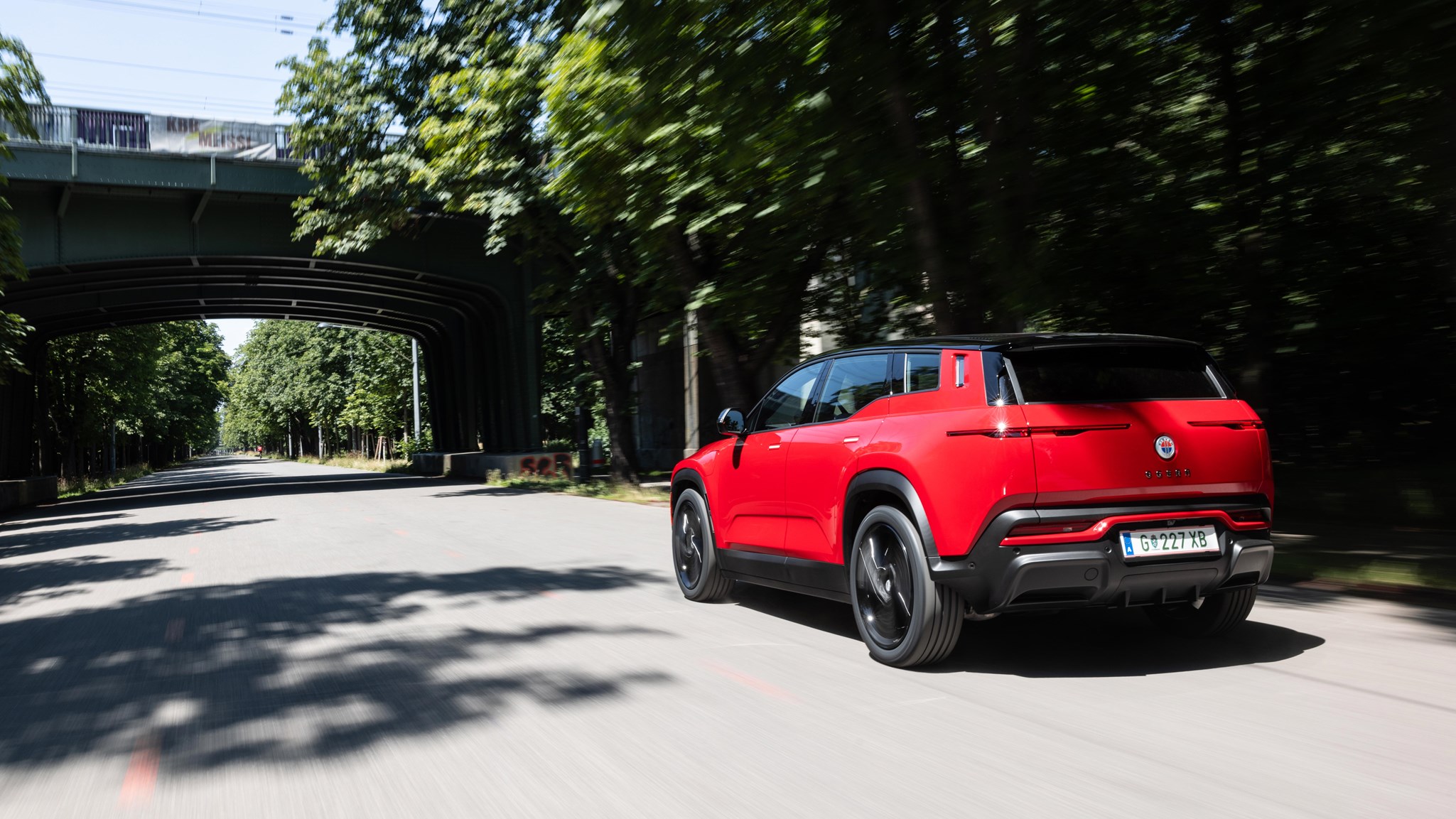
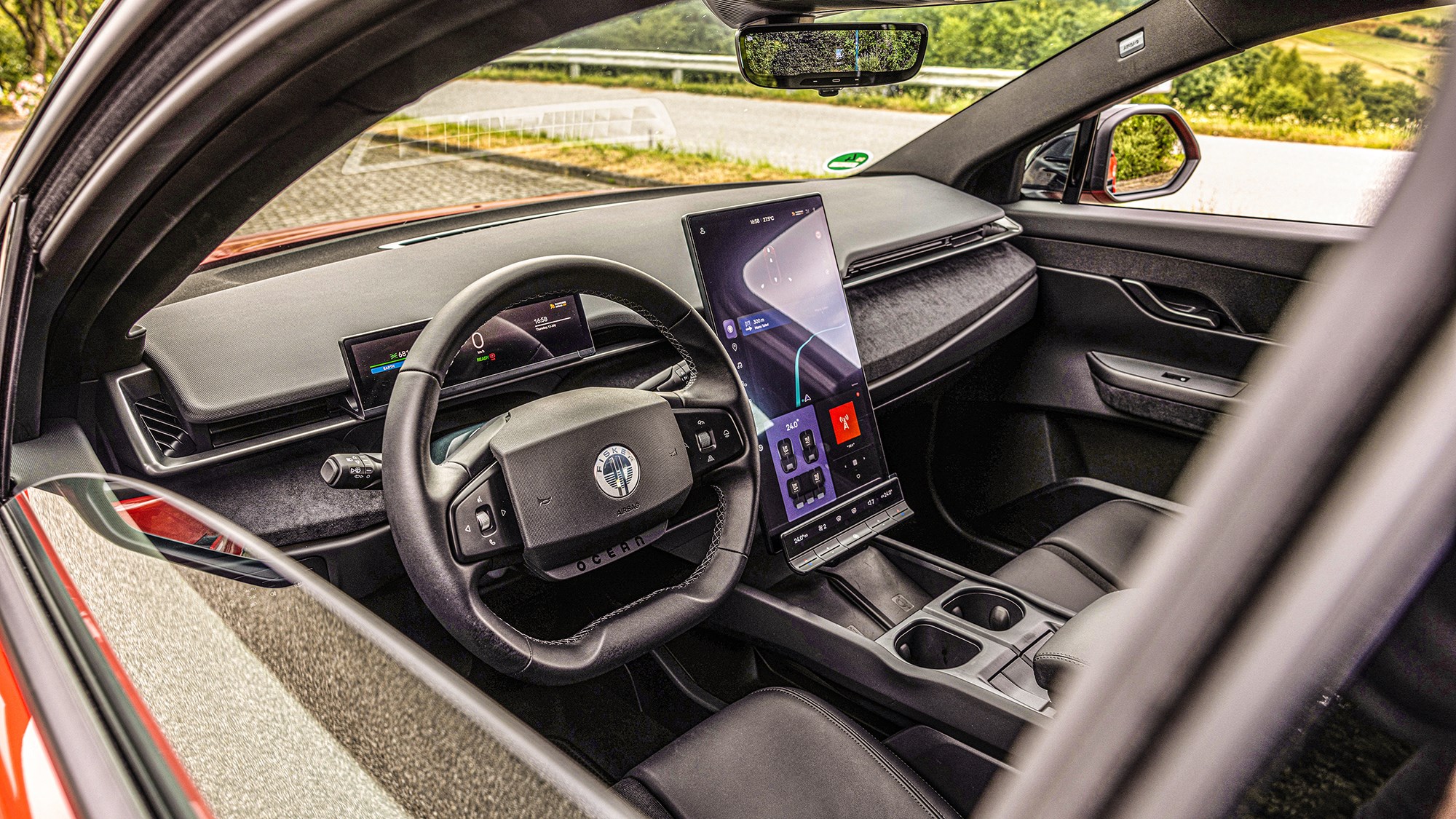
The Fisker Ocean’s interior features man-made trim, ergonomically designed seats, and two high-resolution monitors. While the design is modern, it might not match the luxury levels of some high-end German competitors.
The infotainment system is functional but lacks integration with some popular platforms. And the Intelligent Pilot system – which includes various assistance tools – is a step towards autonomous driving, but its real-world effectiveness will need further evaluation.
Before you buy
The electric vehicle market is competitive, with offerings from established brands like the Model Y Performance and BMW i4 M50 xDrive. The Ocean, with its bespoke features, aimed to find its own place among these giants. While its performance and efficiency are noteworthy, it was clear areas like ride comfort, driver appeal, and tech integration weren’t to be its strongest. Now, without manufacturer support, the tech issues feel especially significant. That said, as a used buy for under £20k with next to no miles on the clock, Oceans are downright bargains.
Verdict
Fisker was a gifted designer – BMW Z8, Aston DB9 – before he turned into a fully-fledged industrialist virtually overnight, and the Ocean is one of his most convincing works. While his brand barely got off the ground once the car was launched, let alone reached anything close to his ambitions of selling 45,000 Oceans per year, there’s no denying the talents of the car.
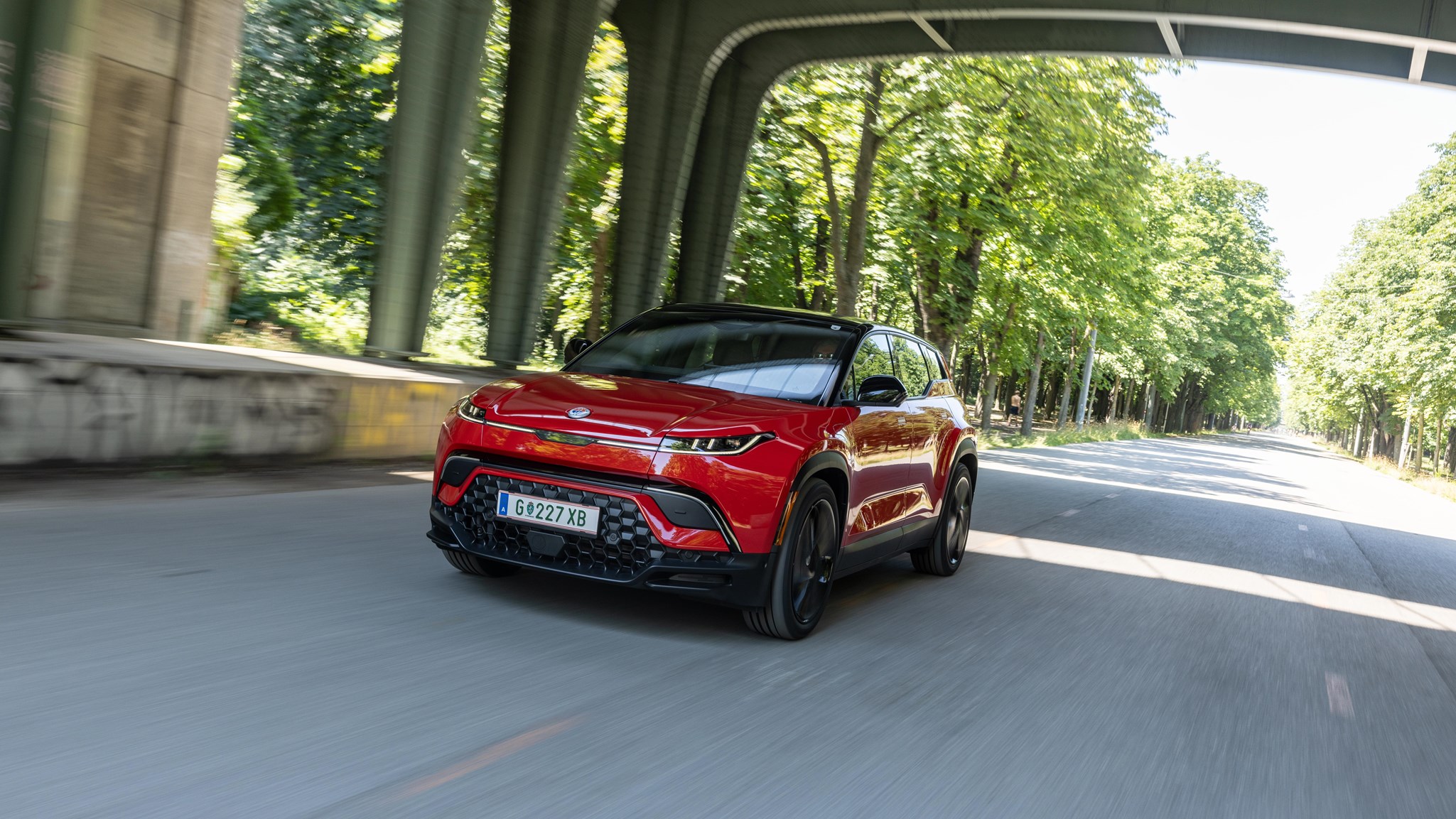
It’s a shame the brand is no longer around to add improvements, because with only a handful of tweaks, the Ocean could have seriously shaken up the class. Now, it’ll remain a rare but respected sight on roads.