► We drive a 1990 Volvo 960
► Elegant, bricky, honest
► It’s peak Volvo
The modern Volvo line-up is shifting – and fast. Out go elegant estates like the V90, and in come electric SUVs such as the EX30 Cross Country and the upcoming ES90 – a high-riding hatch straddling about three different bodystyles. The age of the big, blocky, practical estate seems to be over, and I’ve come to Sweden to drive the last of Volvo’s flagship V90 estates.
Still, there’s a silver lining to all this – for me, anyway. Before driving the final Volvo V90 off the production line, I also got to drive a 960 – the car that became the first V90 and began the story. It’s a pleasing bookend, and one that neatly sums up Volvo’s flagship estates.
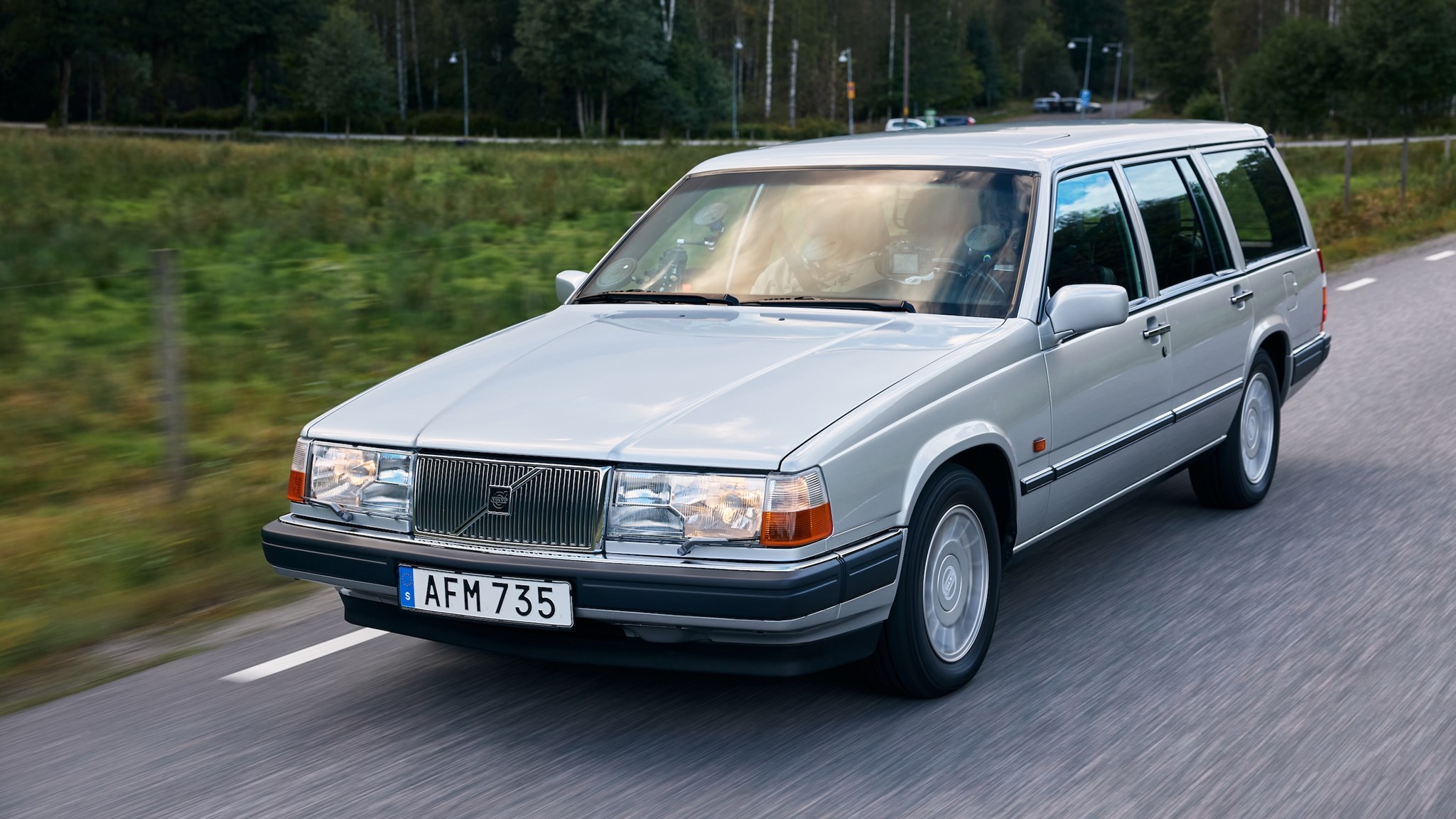
If the 240 was the blueprint, and the 850 the modern front-wheel drive one, then the 960 was the luxury flagship – a wagon that combined all the robustness of Volvo with genuine plushness and refinement. It’s the successor to the 740 – a car I have fond memories of – so for me, it’s something of a grail. Should you meet your heroes? Read on.
Should you buy a Volvo 960? Well, obviously. Both this and the 240 I recently drove give quintessential Volvo vibes – but the 960 is so much more refined and luxurious. A practical wafter.
At a glance
Pros: Elegant anti-design, boot space, interior
Cons: No sat-nav, used prices are rising
What was new?
Essentially a modernised version of the 740 before it, the 960 sold around 230,000 units in its eight-year production run and was one of the last rear-wheel-drive Volvos ever made. From around 1997, it became the V90 (or S90 for the saloon) and was eventually discontinued in 1998.
The example I drove wasn’t just any 960 – it was a 1990-built car from Volvo’s heritage fleet, hand-finished for then-CEO Pehr G. Gyllenhammar. Finished in clean metallic silver with a plush cabin reminiscent of Volvo’s current oxblood interiors, it feels every inch the Swedish limousine.
What are the specs?
The 960 I’m driving has the 3.0-litre, 24-valve DOHC ‘white block’ engine, which was cutting edge for the time. It produces 204bhp and 197lb ft (at 6000rpm) of torque, giving a 0–62mph time of 8.8 seconds. Significantly, it sends all that to the rear axle only.
I’m driving the four-speed automatic, though the 960 was also offered with a five-speed manual and a smaller 2.5-litre engine. Volvo fitted all-round hydraulic disc brakes as standard, too.
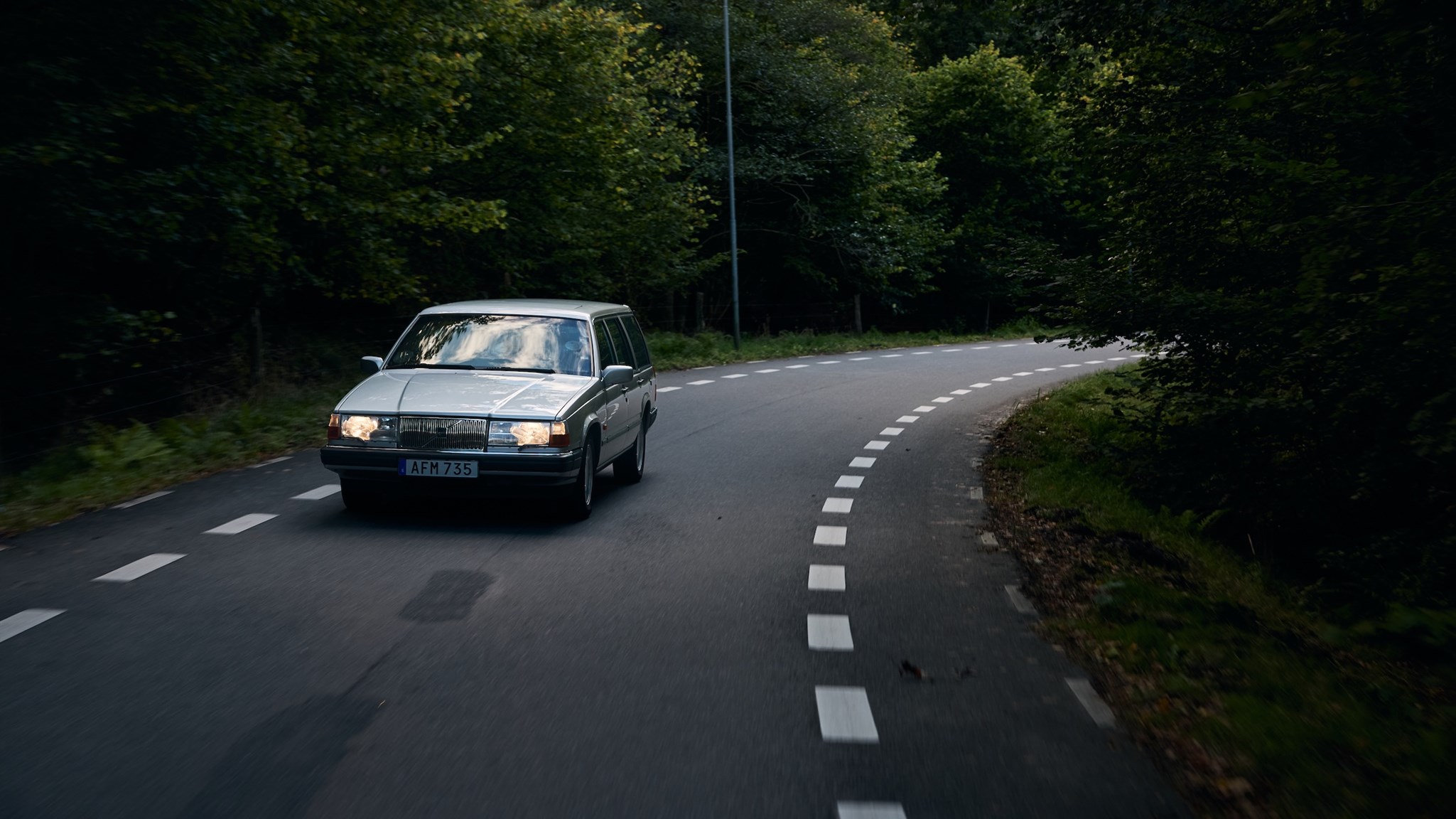
Compared with today’s puffed-up SUVs, the 960 manages to look both svelte and slightly ungainly at the same time – though its 4870mm length and 2770mm wheelbase explain why it feels so substantial.
When new in the UK, prices started at around £28,000 to £30,000 – equivalent to roughly £60,000 today.
What’s it like to drive?
The 960’s 1990 production date means it sits squarely in the ‘young-timer’ modern-classic bracket – though this example feels incredibly fresh. Despite 152,000km on the clock, it could have rolled out of the Gothenburg factory just hours before I got behind the wheel.
Select Drive with the blocky but perfectly shaped gear selector, and the 960 gently rumbles into life. After just a few metres I notice its otherworldly way of gliding over the tarmac, offering a level of ride I wasn’t expecting in a car this old or this practical.
Switch the auto box into Eco mode and the 960 has that silky ‘power in reserve’ delivery typical of large-displacement luxury engines. Combined with a normal-sized steering wheel and perfectly weighted steering, it’s easy to manoeuvre around town and utterly relaxing everywhere else.
Opt for Sport mode and things become less refined, with the 960 keen to surge forward, kick down and make use of its torque. It’s here you feel the limitations of its dynamics, and before long I’m back in Eco. There’s a Winter mode too, naturally, designed to reduce wheelspin on icy Swedish roads.
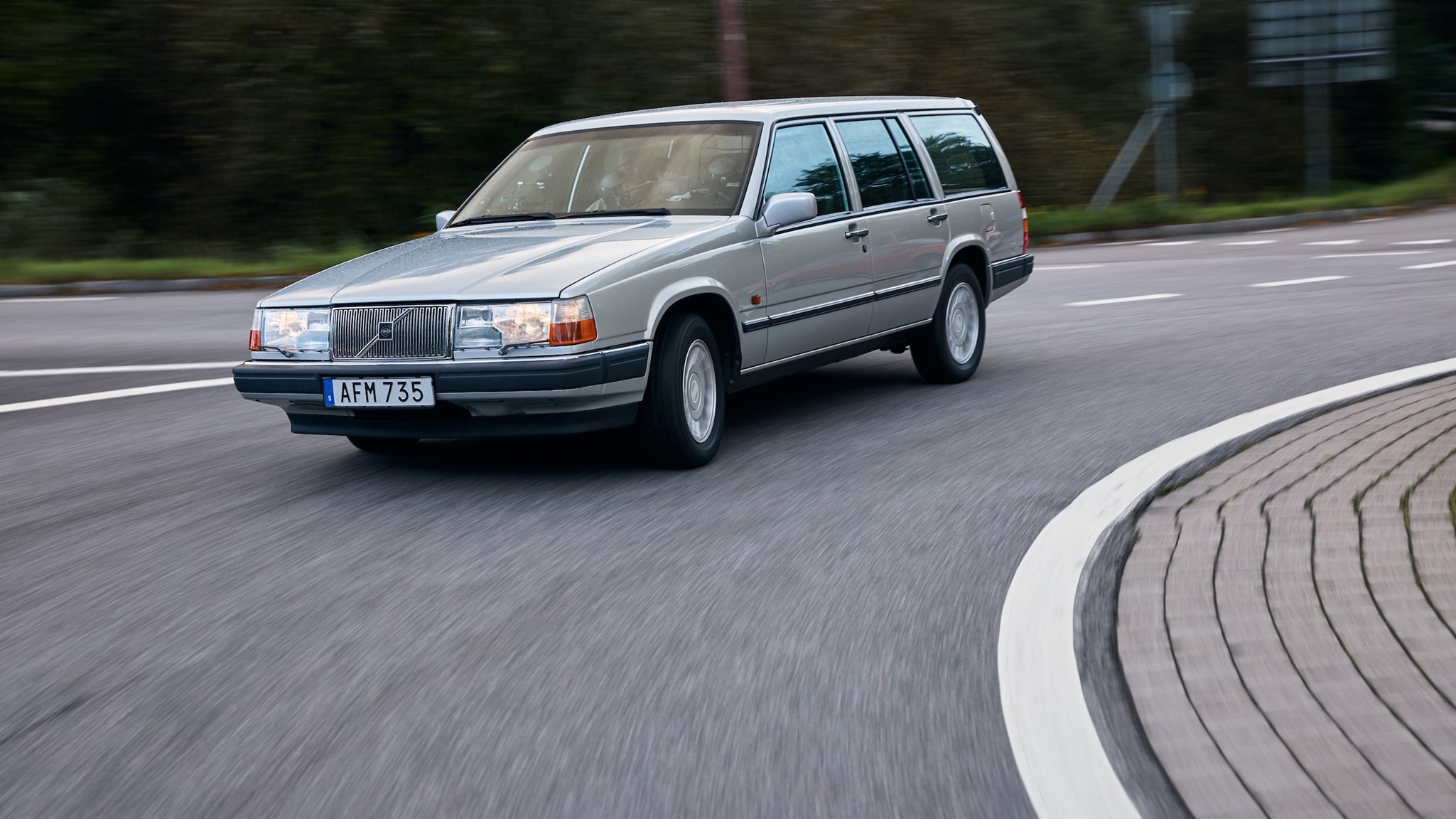
If there’s one area that betrays the car’s age, it’s the brakes. Predictably weak, they take some getting used to – but given the illuminated ABS light, I’ll let it off.
The whole experience is deeply calming rather than stressful – a total contrast to the digital, hurried feel of modern Volvos like the EX30 Cross Country. There’s no lane-keep buzz, no proximity alerts, no artificial urgency. Everything just works as you’d want, leaving you to drive in peace.
Visibility is exceptional. The beltline sits just above my hips, and everything above is glass – like a Swedish Popemobile. At the same time, the 960’s elevated seating and huge glasshouse give a commanding view of the road, making it easy to place. We praise modern SUVs for their driving positions – yet here’s a 35-year-old estate that does it effortlessly.
What’s it like inside?
Exquisite rather than aged. This 960 is finished in a rich burgundy tone, with matching trim, felt and carpet that give the cabin an instant air of quality. The details feel meticulous and intricate rather than fiddly or outdated: the electric window switches are tactile and edged in white for an extra flourish.
The dashboard layout is simple and logical too. The air-conditioning can be adjusted by physically moving the vents – something I’d love to see return in modern cars like the Polestar 4 I’m currently running. And the seats? Still comfortable after 35 years.
Look ahead and everything in the centre console is stacked and arranged like vintage hi-fi separates, with no touchscreens in sight. This car is also fitted with an aftermarket engine heater – a reminder that cars like this were built to endure Nordic winters. And no, I don’t miss the touchscreens.
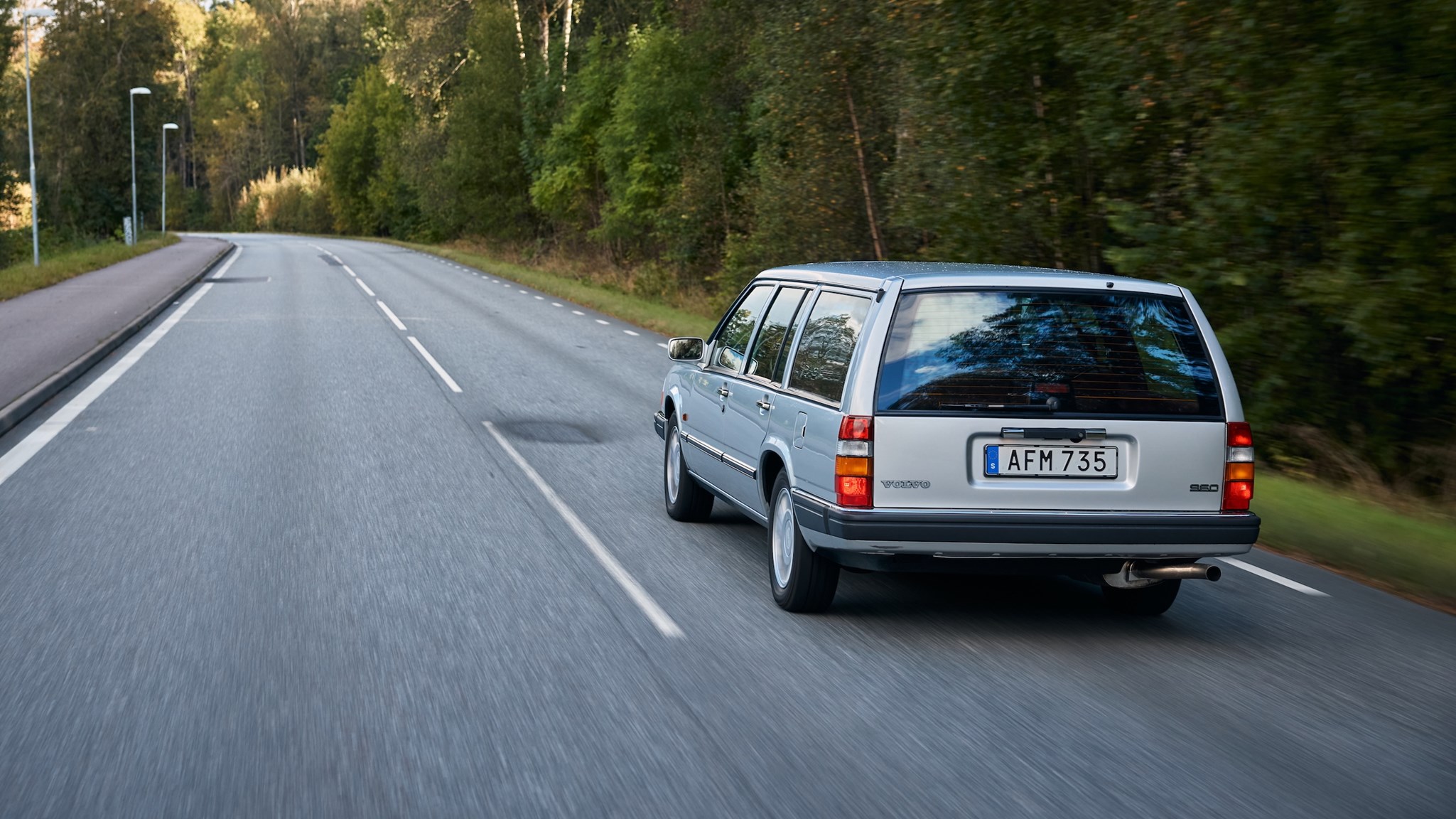
Walk around to the rear and the 960’s silhouette is pure utility: a vast, low box with rear lights plopped on the corners. Gothenburg may be flexing its design muscles in 2025, but 35 years ago, practicality was the only design brief. The boot is cavernous, not compromised by cables or batteries, and its brutal simplicity feels refreshing.
Before you buy
Inspired by this story to go and buy one? I don’t blame you. However, there are a few things to consider before taking the plunge. Firstly, the 960, as opposed to the 940, is the one to have – it’s effortlessly strong, especially in later 24-valve form. The 940 shares the same structure and driving appeal, but feels a little more old-school. The turbo versions perk things up, yet none can quite match the refinement of the six-pot. For usability and running costs, the 2.3-litre LPT (light-pressure turbo) strikes a decent balance, though.
Trim hierarchies can confuse even committed Volvo fans, but aim high: SE or GLE for the 960, or one of the later 940 Celebration or Classic models for the best kit and finish. All came with strong safety credentials – twin airbags and Volvo’s SIPS protection were standard fare – and reliability remains first-rate if the servicing’s been kept up. Expect the occasional worn turbo or tired suspension bush, but well-cared-for cars wear their miles lightly. Buy wisely and you’ll own one of the last truly indestructible family estates.
They’re well priced, especially compared with the earlier 240/260. In today’s market, a sound Volvo 960 is likely to cost you between £2000 and £6000, with well-kept estates commanding the upper end. The 940s generally fetch lower prices, with average listings around £3500, though basic examples are sometimes found for a few hundred pounds – and top-spec Celebration or turbo variants pushing into the £4000-£5000+ range.
Verdict
Driving the Volvo 240 was rewarding, but the 960 builds on that with refinement and just enough technology to make it both engaging and relaxing. It feels like a modern-classic luxury car yet retains that left-field character and single-minded practicality that defines the Gothenburg brand. There’s also an ease and effortlessness to the way it moves that’s not always present in modern Volvos.
My trip to Sweden might have marked the end of a chapter – but it also began a new one: my hunt for a well-priced, classic Volvo estate.