► New Tigan eHybrid introduced with facelift
► Uses same 1.4 petrol as existing GTE models
► Makes for a convincing hybrid SUV
The Volkswagen Tiguan eHybrid is a plug-in version of one of Europe’s best-selling SUVs, adding a partly-electrified powertrain to one of the market’s most practical SUV bases. Since it was launched in 2021 until it was succeeded in 2024, the second-generation Tiguan eHybrid has promised to be as cheap to run as it is practical.
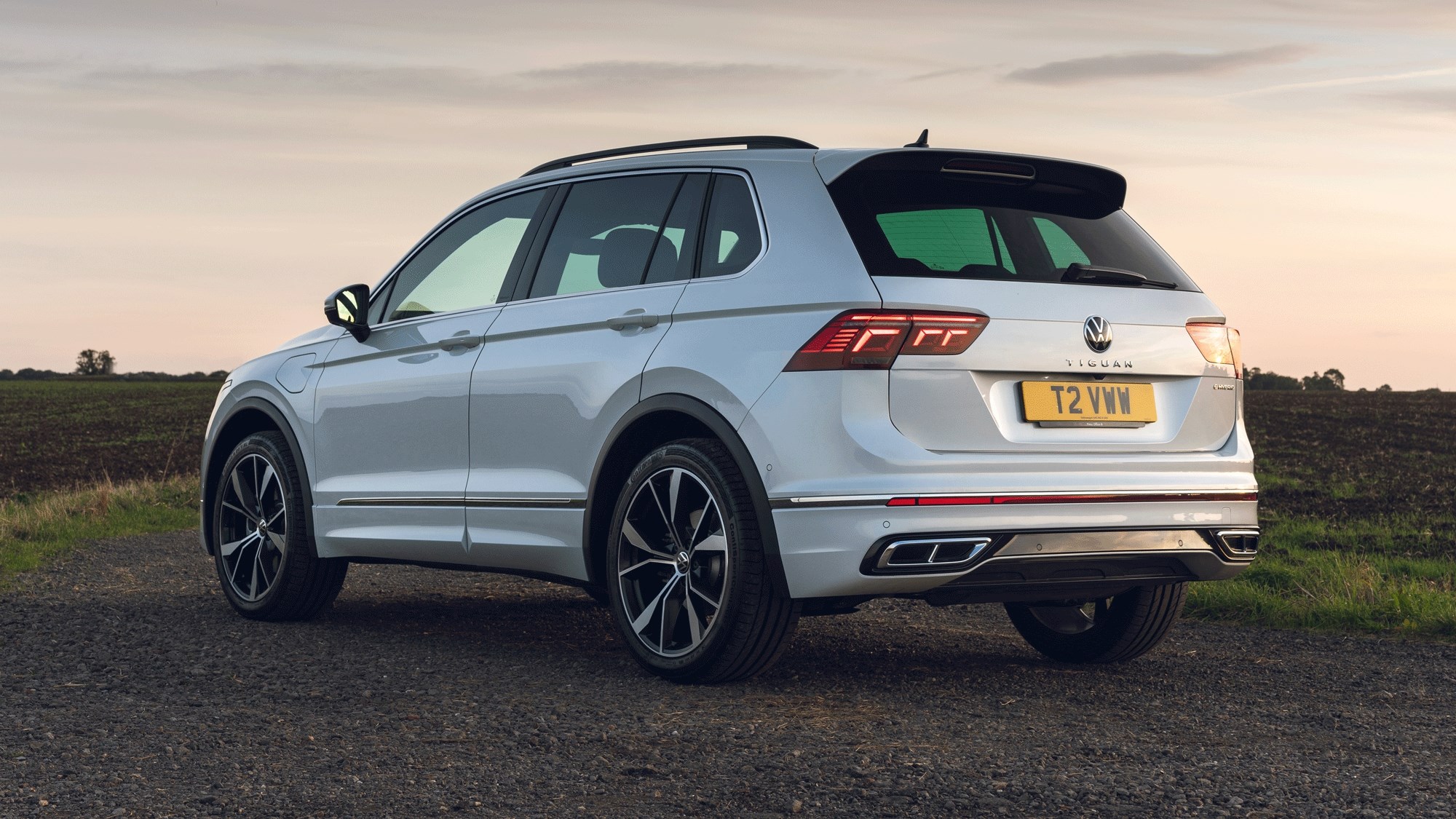
For a buyer looking for a used example, the eHybrid powertrain was handily offered in almost every trim, meaning there’s plenty of choice. While the latest eHybrid model that’s based on the 2024 onwards third-gen Tiguan is a darling of company car buyers looking to save on tax, the earlier model ranks as an excellent step into the world of electrified motoring for private buyers. As our thorough CAR test reveals below.
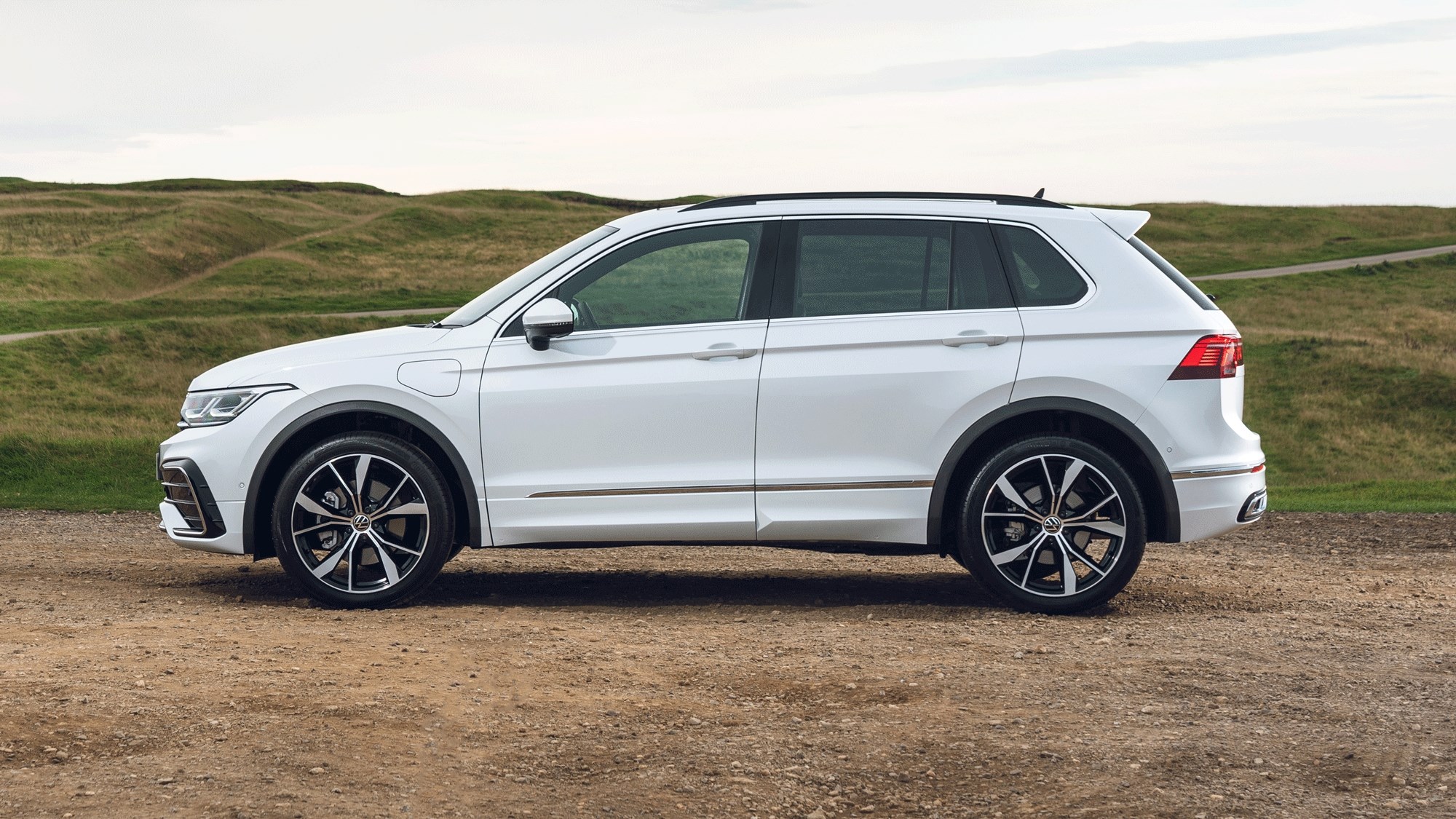
Should you buy a Volkswagen Tiguan eHybrid? This previous generation Tiguan might not have the flashiest of infotainment systems like its successor, but arguably, its exterior design is more defined. It’s aging well and even since its replacement (which arrived in 2024), it still looks modern. Which goes some way to explaining why prices remain strong, with £20,000 only just getting you.
At a glance
Pros: Handsome looks, an interior that’s aging well, and genuinely low running costs. Decent electric range means plus-50 real-world miles per gallon.
Cons: Volkswagen badge means used values aren’t the lowest. 30-mile EV range is far below latest equivalents.
What’s new?
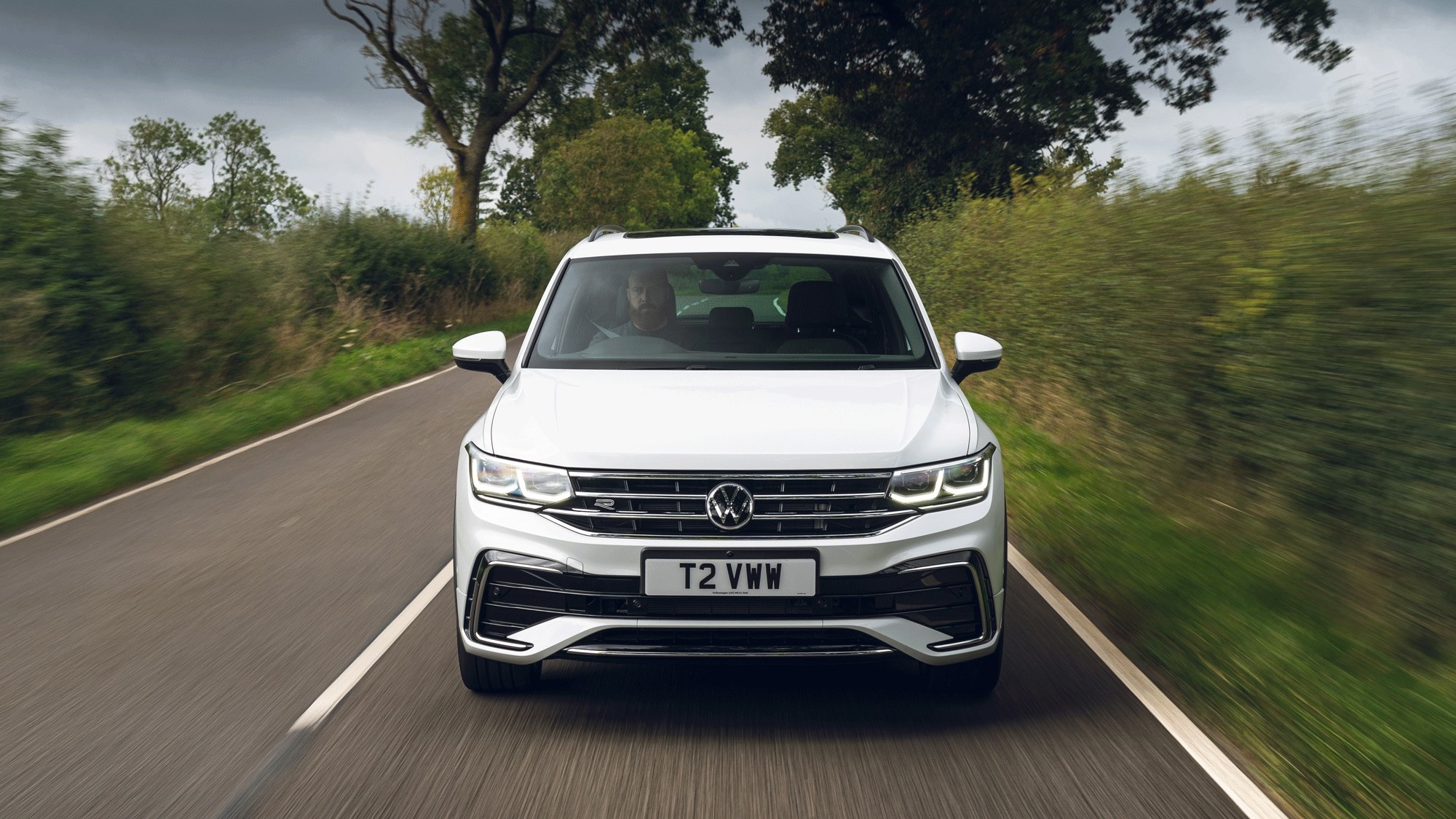
The Tiguan is now in its third generation, but the second-generation car we’re reviewing here remains an excellent SUV. Its design is arguably even more striking than its successor’s, while the interior has aged well especially in higher-rank trims, thanks partly to their use of both an infotainment screen and a digital driver’s display, meaning they still feel contemporary.
What are the specs?
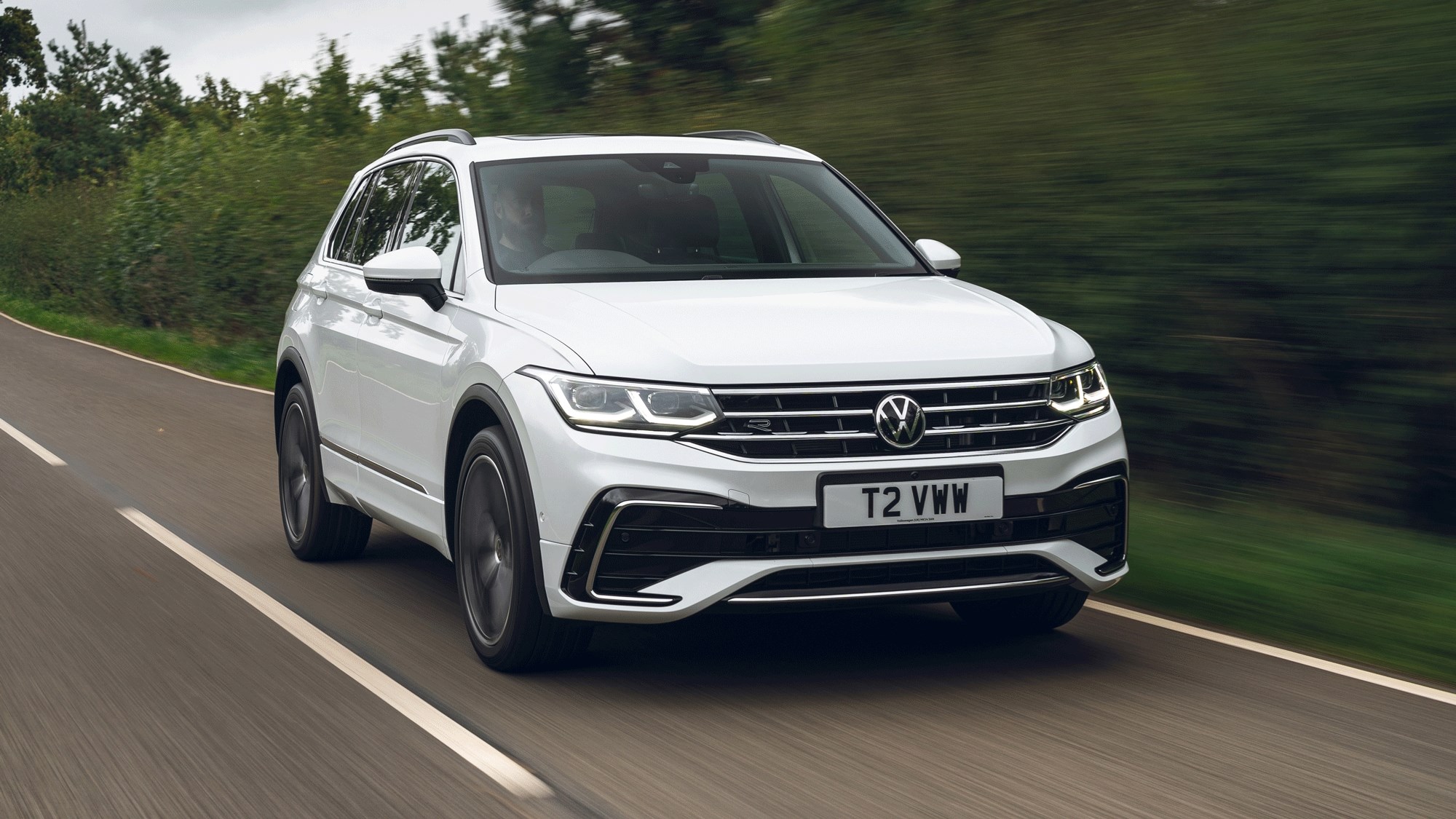
VW fitted the eHybrid of the second-generation Tiguan with familiar PHEV mechanicals. That means a smooth and refined 1.4-litre TSI petrol engine (not the more recent 1.5 TSI EVO – the 1.4’s specialised for hybrid duties these days) paired to an electric motor and 13kWh battery pack, joined to the wheels through a six-speed DSG transmission.
Unlike some rivals, the Tiguan eHybrid is front-wheel drive only, but the battery pack sits under the rear seats to improve weight distribution. The key numbers are the same as you’ll get on its sibling cars – namely, 242bhp and 295lb ft, contributing to a top speed of 127mph and a more-than-rapid-enough 0-62mph figure of 7.5 seconds.
The WLTP figures reveal an electric-only range of up to 30 miles, fuel economy of 176.6mpg and a CO2 output of 38g/km. All of which puts the SUV on par with the plug-in Passat of the same era, but some way behind today’s latest 50-mile-plus EV range offerings. Still, it means you can anticipate impressively low running costs should you remember to keep the Tiguan eHybrid topped up at the mains as often as you can.
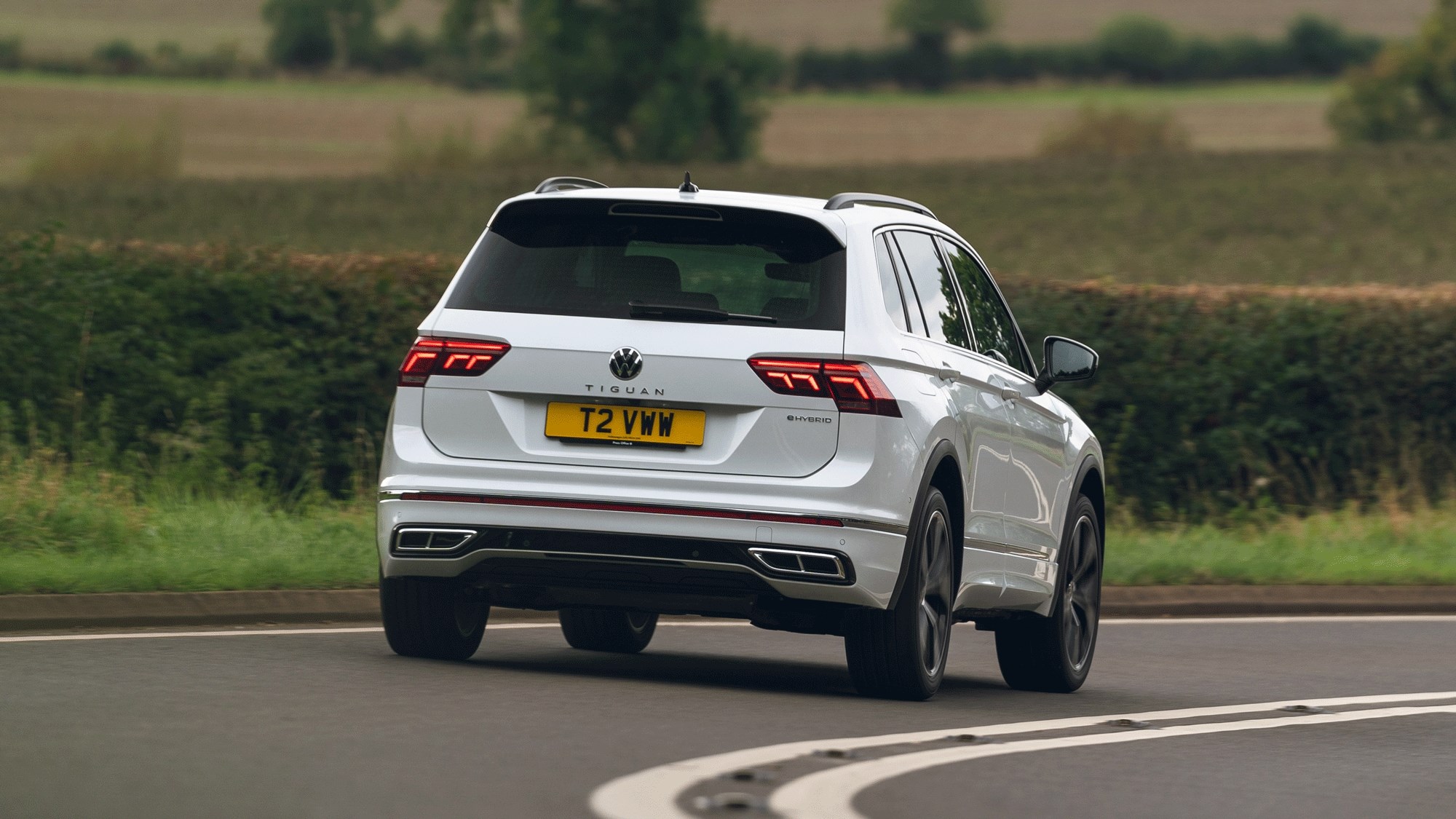
How does it drive?
Since the mechanicals are as good as you’d ever find in a Golf or Passat – there’s plenty of power, and the electric motor will run the car well above highway speeds if you’ve only a short distance to go.
The best part of this era of hybrid versus earlier ones is the powertrain’s use of the sat-nav, because it uses the map data and speed limits to figure out where it should deploy its electrical power for maximum efficiency. So while a standard plug-in hybrid would use up all 30 miles of its juice straight away and spend the rest of the journey running as a large, heavy petrol car, the Tiguan knows to save electricity for towns and lower speed limits along the length of your route, optimising it so you’ll arrive at your destination with a just-flattened battery. Smart.
It’s seamless in operation and works very well. Ducking in and out of numerous villages on our test route saw the engine cutting in and out exactly when it should. And true to form, we arrived at our destination with only a couple of miles of range remaining, and an impressive combined economy figure of 56mpg – higher than we saw from the diesel on a similar route.
As for how this eHybrid gets down a road, without the ‘GT’ part of the GTE moniker to live up to like hybrid versions of the Golf and Passat, the Tiguan eHybrid is free to be an efficient hybrid SUV with few performance pretensions besides the obvious Sport driving mode.
The end result stands out as one of the more refined SUVs we’ve driven in a long time – it’s quiet, comfortable and very relaxing to be in. There’s enough thrust from the electric motor that you won’t feel short-changed at town speeds, while the petrol engine kicks in quietly and near-seamlessly.
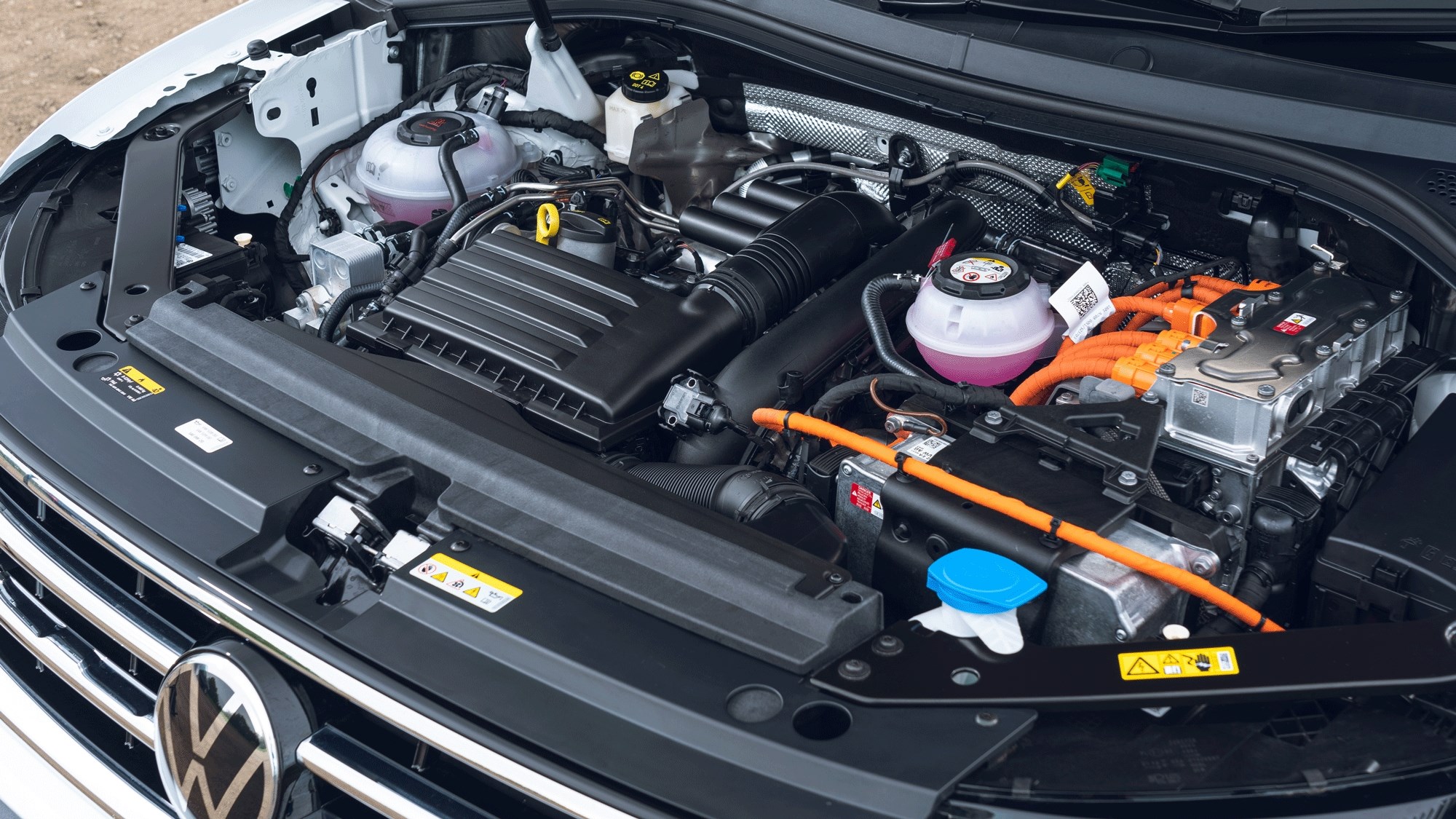
Unlike the naturally-aspirated units you’ll find on most rivals such as the Toyota RAV4 and Kia Niro PHEV, VW’s TSI petrol doesn’t get at all thrashy when it’s called upon to provide thrust – this 1.4 was a wonderful engine on its own, and works brilliantly in this hybrid application too.
The ride is excellent – not quite as settled as the diesel, but it soon hunkers down into a nice loping gait on the motorway and smooths over surface imperfections with ease. As for handling, it’s the usual safe and secure VW affair – though if you make use of all the available power you’ll set the wheel squirming from torque-steer.
Corner like a hero and you’ll notice plenty of body roll and some tyre squealing, too. Drive the Tiguan like… well, a Tiguan, and it won’t see you far wrong.
What about the interior?
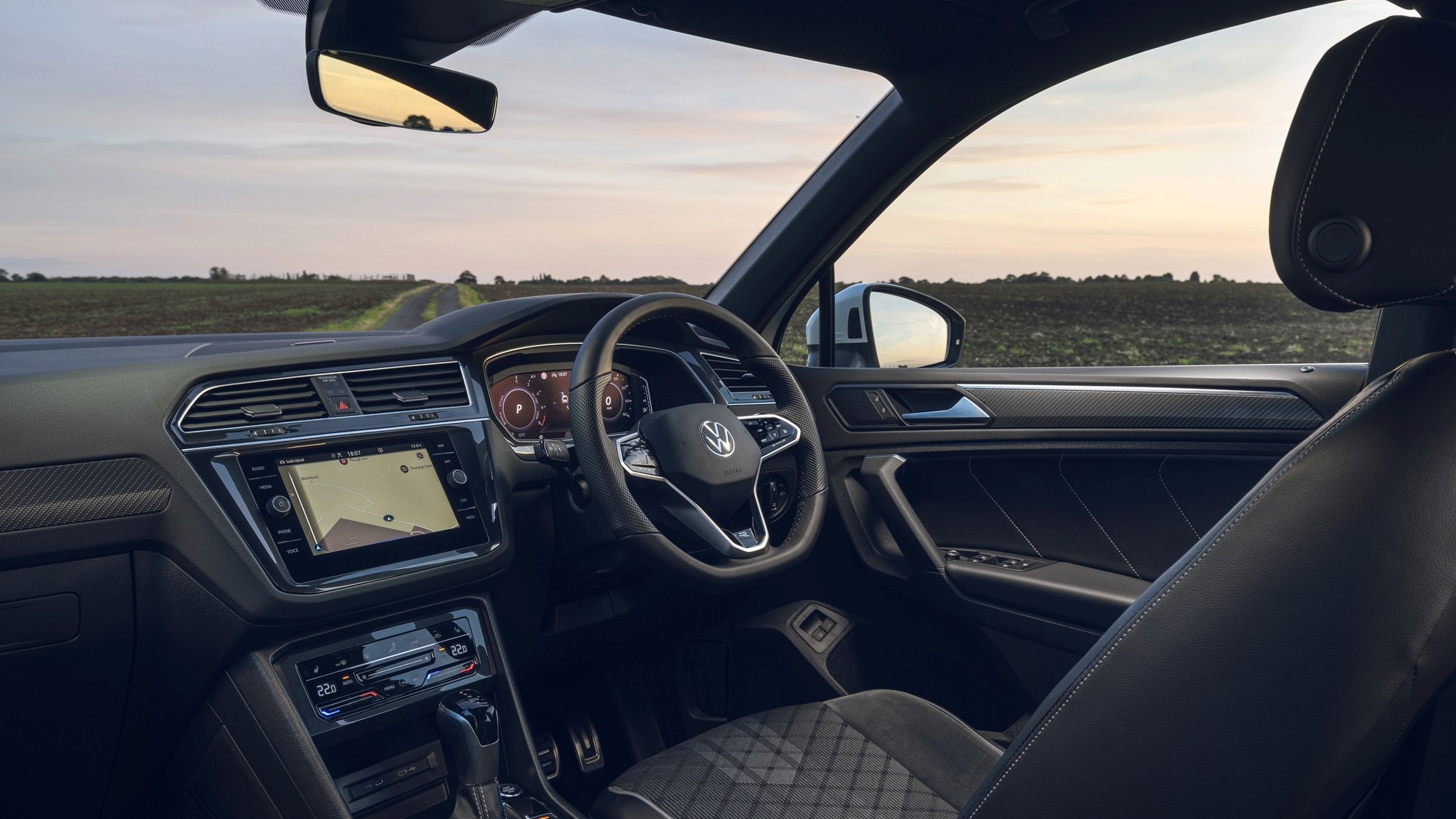
Allowing for the fact the basic design is now getting on for five years old, the interior has aged very well. In fact, if you go for a higher-spec and later version of this eHybrid generation, you’ll get a digital driver’s display to go with the central infotainment screen, so it feels pretty close to up to date. You even get wireless Apple Carplay and Android Auto.
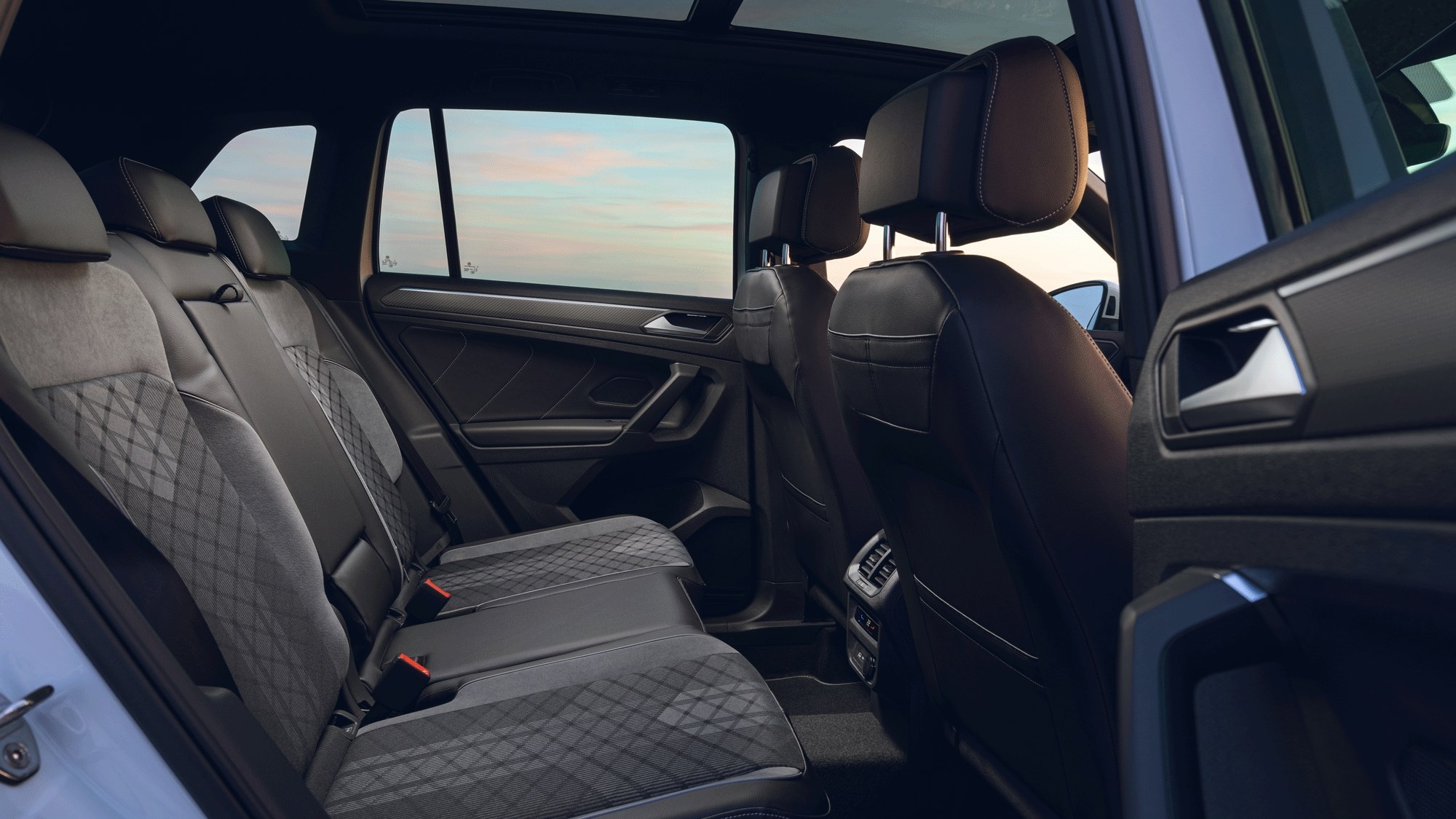
One small downside to note is that the fuel tank has shifted rearward to make way for the battery – it’s now under the boot floor and eats a not-inconsiderable 137-litres (or one whole Mazda MX-5) of boot capacity, leaving you with 437 litres total. Not bad, but no longer particularly impressive.
Before you buy
It’s worth noting that 2023 onwards second-gen Tiguans got a light facelift that brought some design tweaks and interior upgrades. If interior tech is a priority for you, it’s worth going for one of these later cars, which got VW’s newer infotainment tech and driver instrument cluster screen. Facelifted eHybrids will (at the time of writing, summer 2025) set you back from £25,000.
But if you can sacrifice a little in the way of digital tech and design details, the early eHybrids of this generation start from under £20,000. And yet they get the same flexible and efficient powertrain as the latest cars.
Verdict
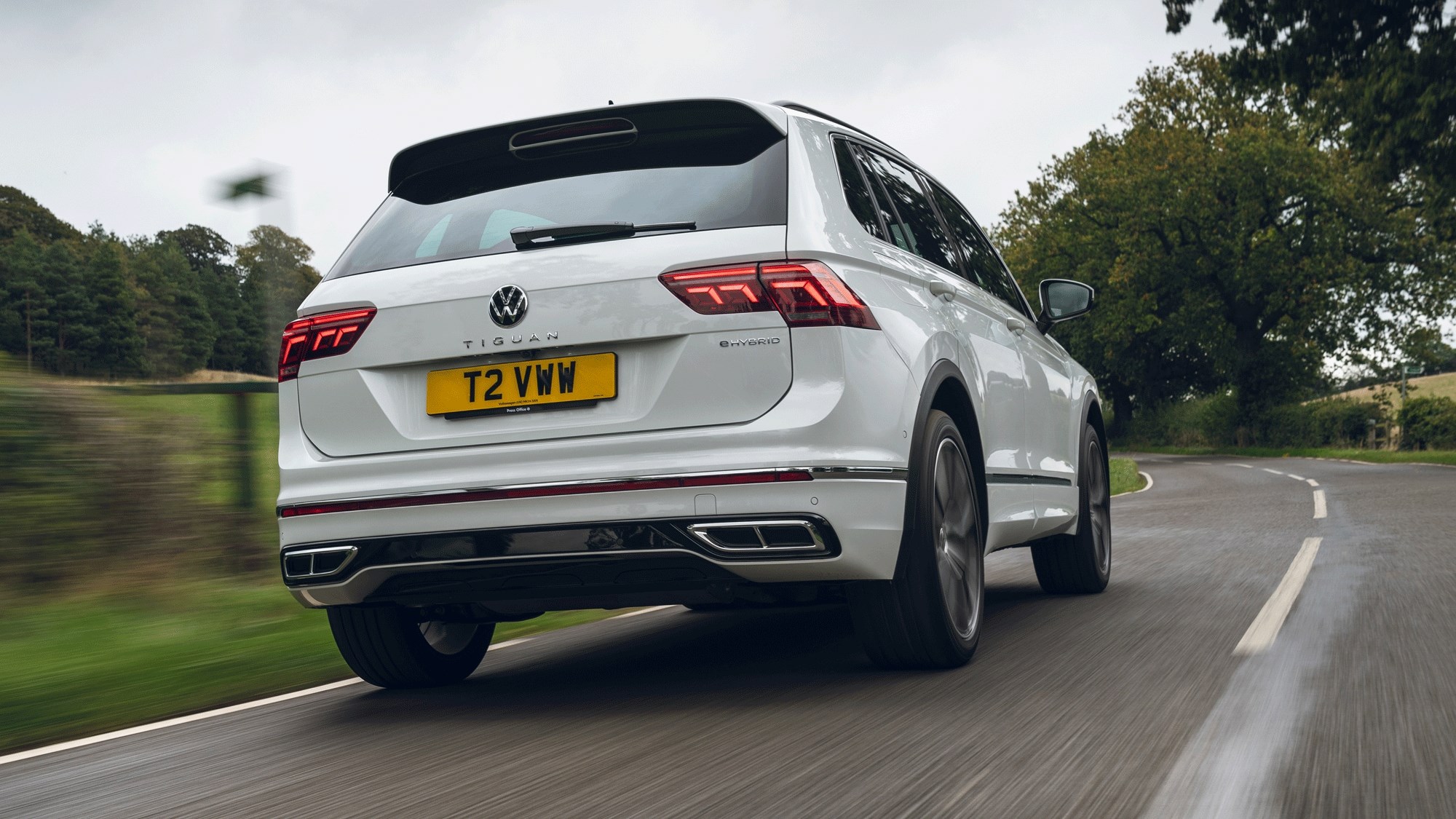
It’s refined, well-built, decent to drive and cleverer than it ought to be. The benefits of the Tiguan Mk2’s facelift can still be felt through well-integrated tech and comfort features, and the inherent VW-ness of the overall package is generally A Good Thing – and ensures it feels up to date even a few years on. Some small niggles on the boot space and dynamic front are shared with nearly all this car’s rivals, and can’t be seen as dealbreakers.
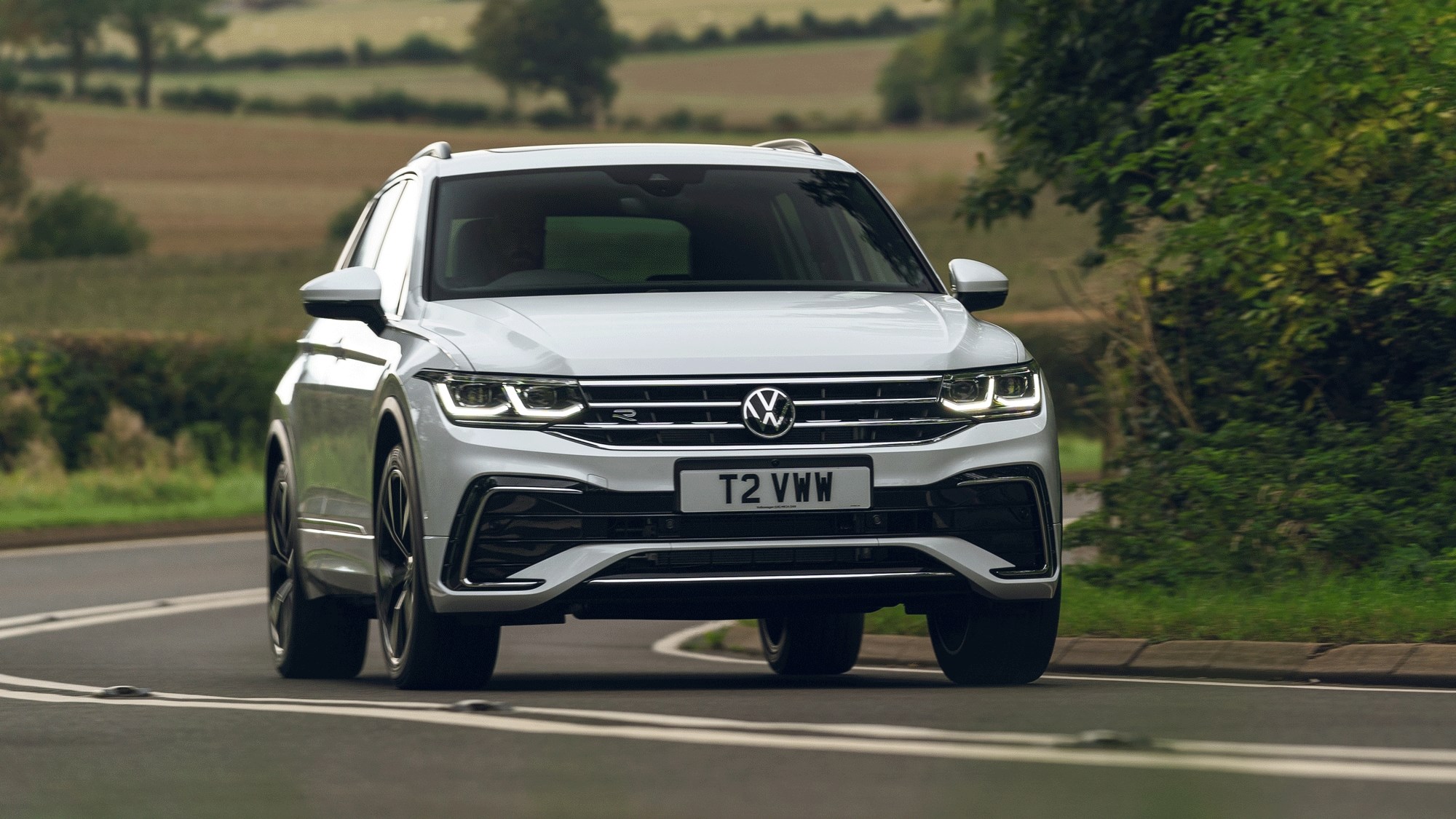
‘Hybrid SUV’ might be a pair of truly uninspiring words, but they’re important models and they’re here to stay for a while yet. The VW Tiguan eHybrid comes across extremely favourably next to its rivals – in fact, excluding firecrackers like the Porsche Cayenne E-Hybrid, this Tiguan’s probably the PHEV SUV we’d opt for from the used car world. To see whether the same’s true for the car’s successor, read our review here.