► Renault’s never-ending model offensive continues
► Popular Qashqai rival gets an update
► But can it address this SUV’s previous weaknesses?
The rate of progress at Renault is impressive. Its Austral mid-size crossover has only been on sale in the UK for just over two years but already it’s the firm’s oldest car. Yes, everything else has since been updated or is all new, and it’s a firm that can seemingly do no wrong – just look at the reception its Renault 4 and 5 have had.
But Renault isn’t forgetting about its ICE cars just yet. In the last year alone it’s launched the Symbioz as what is essentially a stretched version of the Captur, and the coupe-styled Rafale as its flagship.
Both occupy what seems a very similar position to the Austral, Renault’s take on the Nissan Qashqai, and you can’t help but feel it makes this crossover somewhat redundant. But Renault doesn’t agree, hence the sharp return of an updated model that aims to make its relevance all the more apparent.
At a glance
Pros: Stylish and easy-to-use interior, generous equipment levels, impressive refinement
Cons: Small boot for this class, poor brake feel, we still have question marks over ride comfort
What’s new?
Renault was somewhat disappointed with the reception the Austral received at its first launch in 2022, especially from UK journalists it points out who really didn’t like this crossover’s ride. I was one of them, finding it too stiff for a car of this sort, not helped by the excessive 20-inch alloys used on every press car.
Engineers say they started working almost instantly to improve it, with new shock absorbers and bump stops introduced from the posher Rafale. Pity all the cars Renault had to test weren’t representative of those we’ll get in the UK; all coming with rear-wheel steering (now discontinued for RHD cars), which get a multi-link rear setup rather than the torsion beam setup those in Britain will get. Pity.
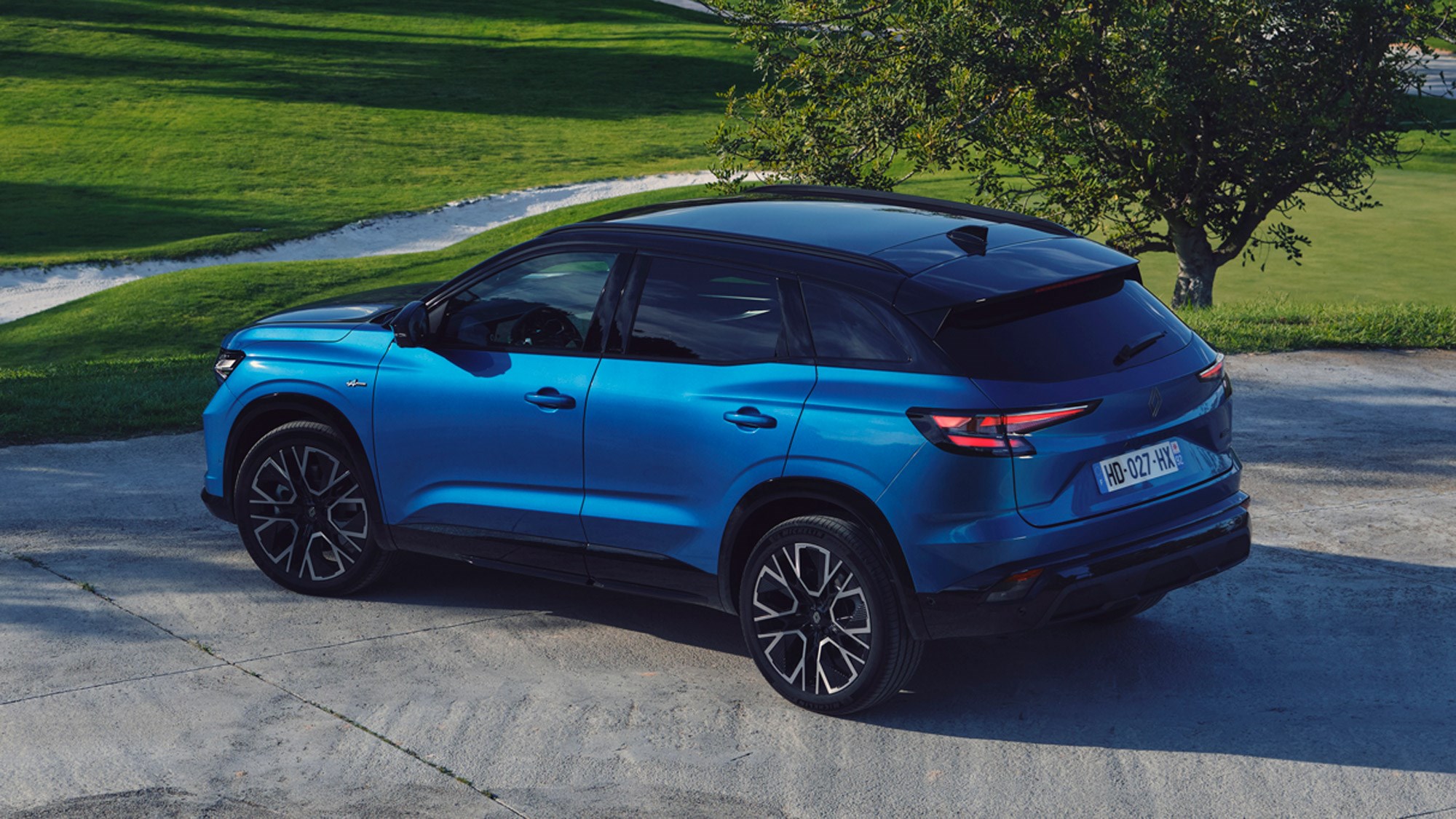
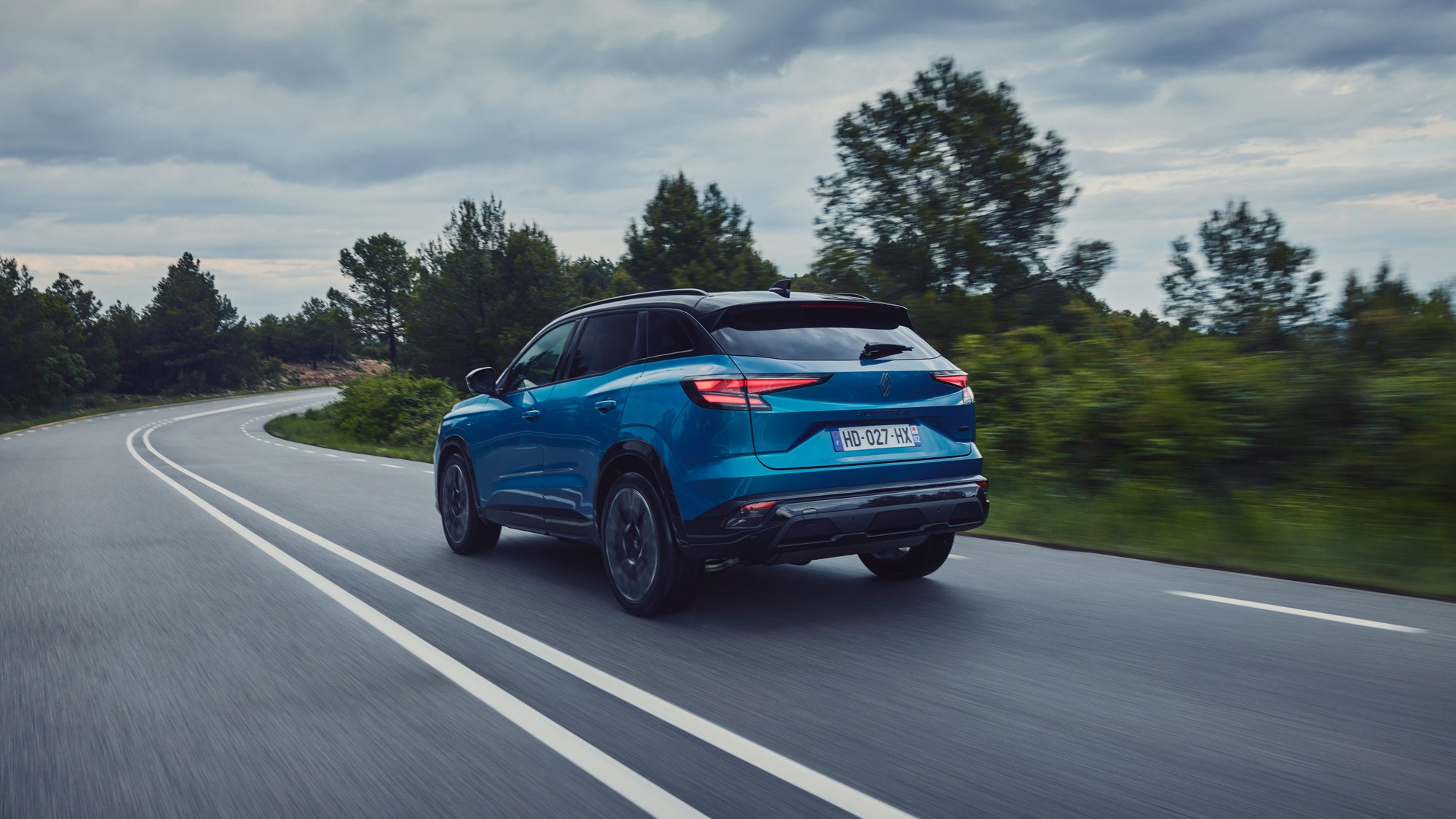
Renault has also revised the software of the clutchless auto box to try and improve smoothness, while the design has been reworked front and rear to reflect the French firm’s latest brand identity. Key changes include a new bonnet, grille and tailgate, and fancier lights, all making the Austral look a bit more like the Rafale. No bad thing in my book, modern Renault design rarely doesn’t hit the mark.
What’s under the bonnet?
Renault only ever offered the Austral with a self-charging hybrid in the UK and that will remain for this latest model – other countries get a mild-hybrid and, unlike most rivals, there will be no PHEV.
The Austral’s hybrid system is only found elsewhere on the Rafale, and is based around a 1.2-litre turbocharged triple instead of the naturally-aspirated unit found in other Renaults like the Captur and Symbioz, paired to a similarly complex array of dog ‘box and electric motor.
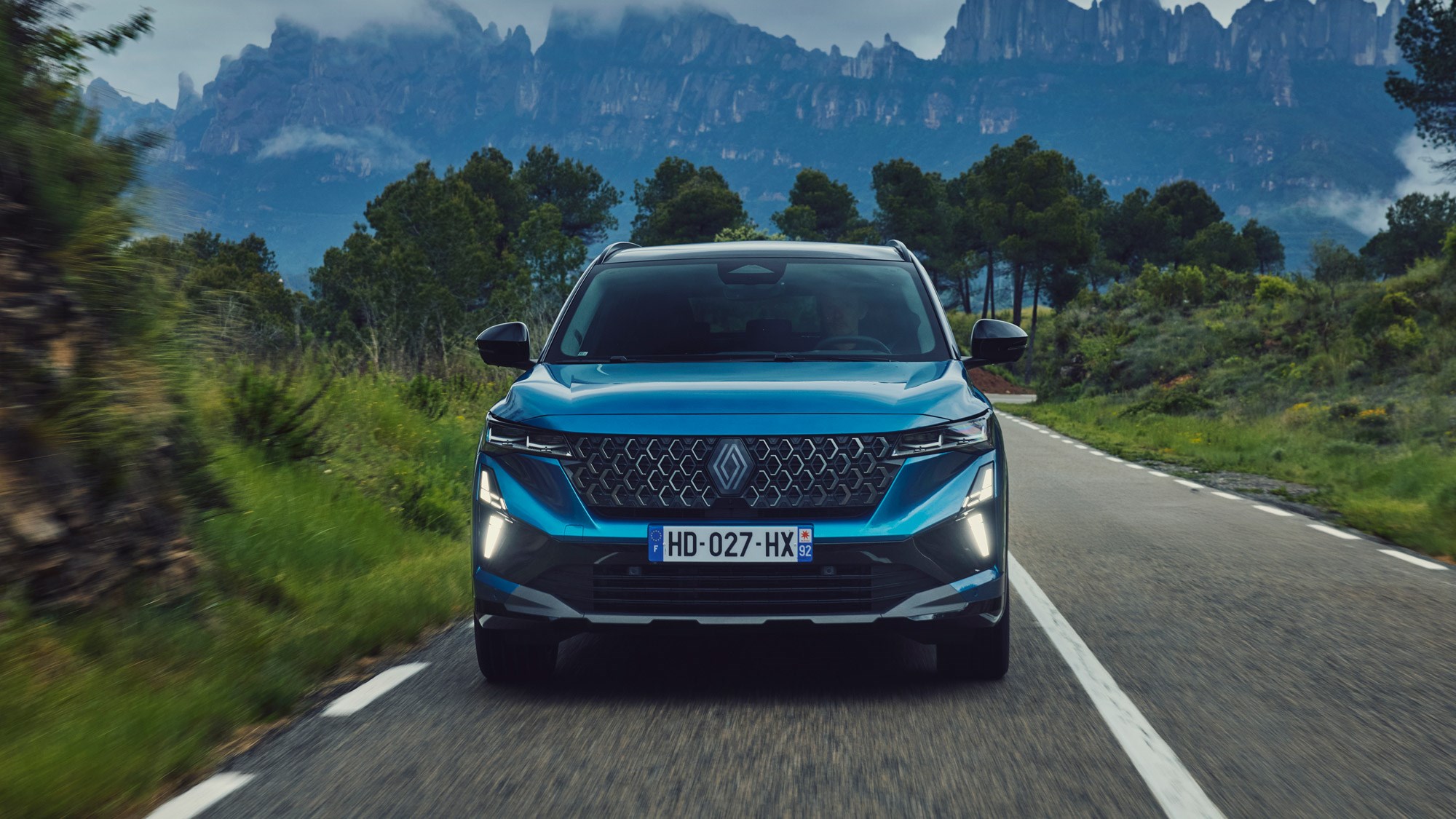
Performance figures are the same as before, with 197bhp and 410Nm of torque delivered to the front wheels via its weird six-speed automatic gearbox made up of four ICE gears and two electric. Accelerating to 62mph takes 8.4 seconds and it would max out at 111mph. In terms of running costs, Renault claims 58.9mpg and low CO2 emissions of 108g/km.
How does it drive?
It’s a heavy car and feels it, but the Austral is in no way underpowered and it makes decent progress down the road, though can be inconsistent in its power delivery. Blame the complex gearbox for that – new software has improved it noticeably compared to the previous model but it’s in no way perfect, and really needs to be sport mode to get the most from it.
The engine also makes some very odd noises at start-up, and is almost amusingly throaty at idle, even despite Renault saying it’s made it six decibels quieter. That said, once at speed the Austral is supremely refined, and one of the quietest cars in its class to travel in. Changes such as redesigned door mirrors, new door seals and a laminated windscreen on top-spec models making a real difference.
The hybrid system is very clever in its use of switching between petrol and electric, and is very efficient as a result. With just a couple of kWh in the battery pack you won’t be driving on electricity for any great distance, but it’ll chop in and out as needed right up to highway speeds. And there’s some meaningful regen, too – controlled by paddles behind the wheel, it won’t take you down to a full stop but is a reasonable sub for engine braking downhill. You’re better off using this than you are the brake pedal itself, which is completely void of feel, and requiring quite a hard press before anything really happens.
Ride comfort, especially at low speeds, was always a bone of contention with the Austral ever since its launch, and something Renault has worked to improve. It’s better though is far from a magic carpet, and in the UK we won’t even get the multi-link rear axle tested on the international launch, so there are undoubted big question marks over this until we’re able to try the car in the UK.
It’s one of the better handling cars in its class, too, though once again has the caveat that all our test cars come with 4Control with rear-wheel steering – previously an option in the UK, and one we imagine few chose or understood its benefit. It’s now discontinued on RHD production and reserved purely for the Rafale in the UK. It also didn’t take much to get the Michelin ePrimacy tyres squealing, even without driving like a lunatic, though there is no shortage of grip it must be said.
What’s it like inside?
The cabin of the Austral was always one of its best features, and quite new for Renault at its original launch, though has since been rolled out onto seemingly every car it sells – EVs and all. No bad thing, as this is one of the best interiors of any mid-size crossovers.
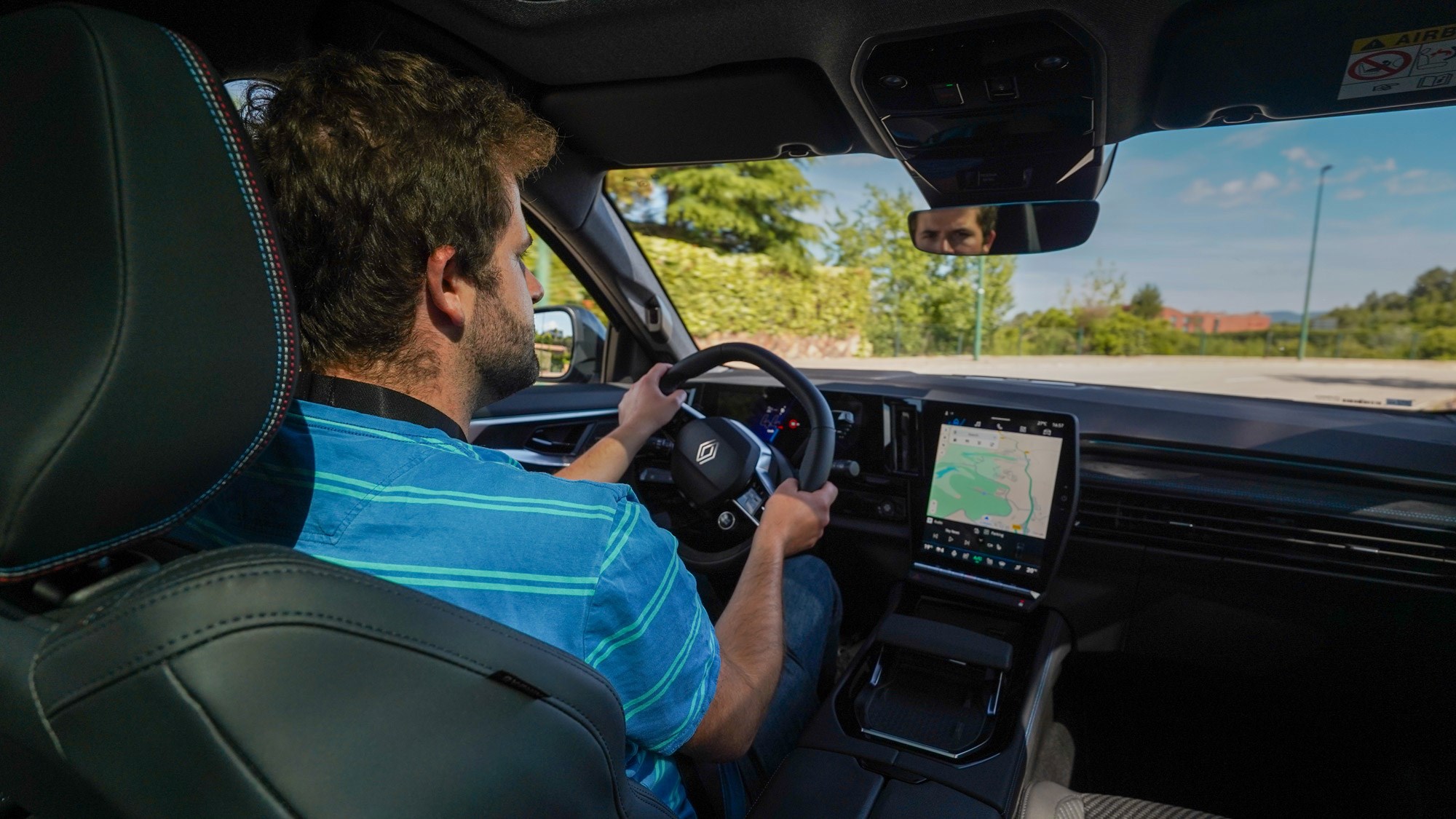
The dash is based around two 12.0-inch screens, one in landscape orientation behind the wheel for driver information and a portrait infotainment touchscreen in the centre, canted towards the driver. The centre console gets two rather deep-set cupholders and a strange sliding handrest – Renault says you can rest your wrist here while using the touchscreen, but we still find it a bit odd.
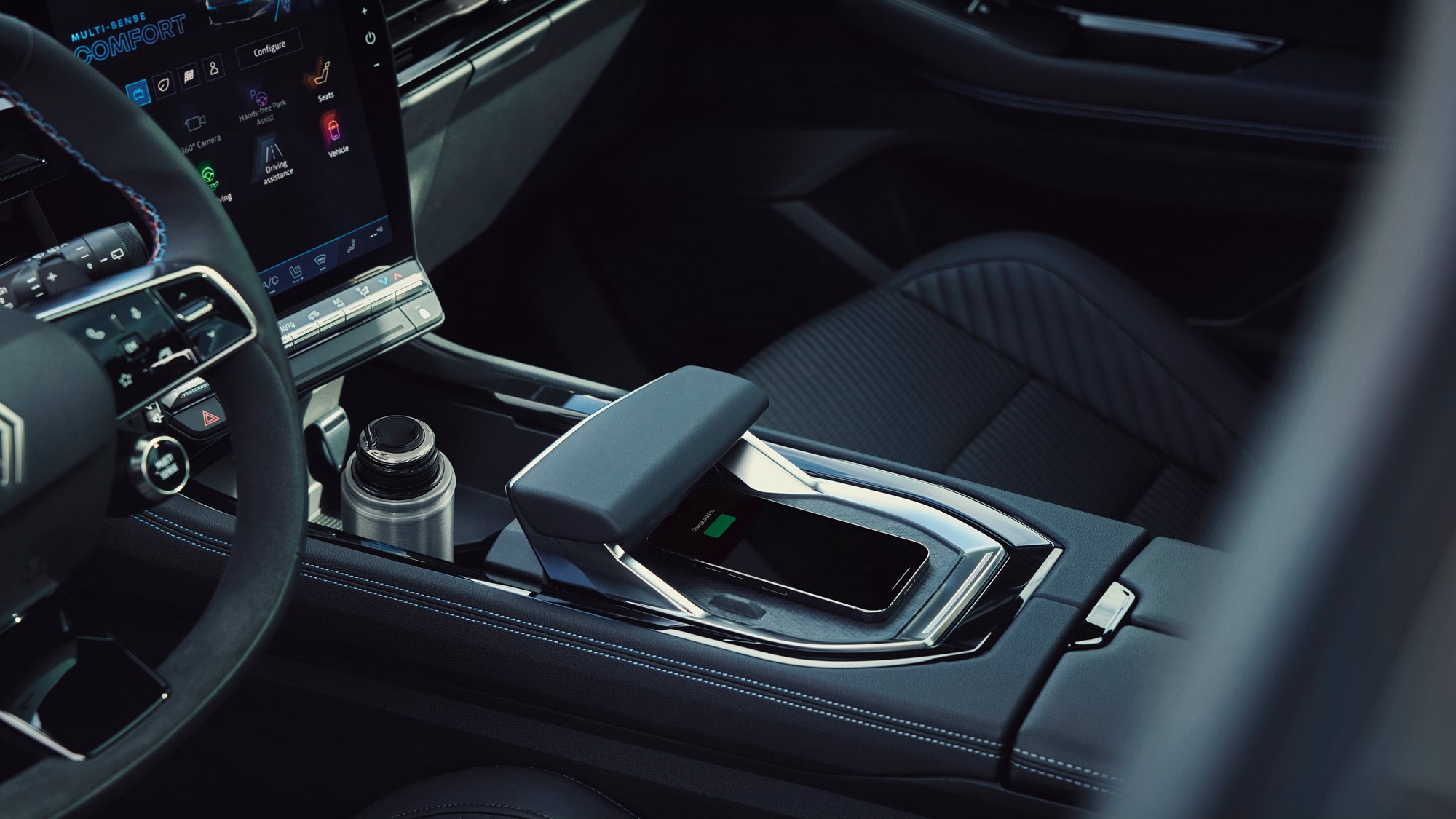
The car runs Google’s Android Automotive software, which brings a variety of apps as well as baked-in Google Maps and Google’s voice assistant. These two are so good that we question why any manufacturer’s are still bothering with their own versions – it’s undoubtedly far slicker than what you’d find on a Kia Sportage or Nissan Qashqai. We also love that a strip of physical climate control buttons continue to exist.
Material quality is good throughout, though we have only ever driven top-spec versions, and it certainly feels more towards premium territory than mainstream. The Austral also gets new seats made from primarily recycled material, and they’re particularly supportive, while looking great in the top-spec ‘Esprit Alpine’ grades.
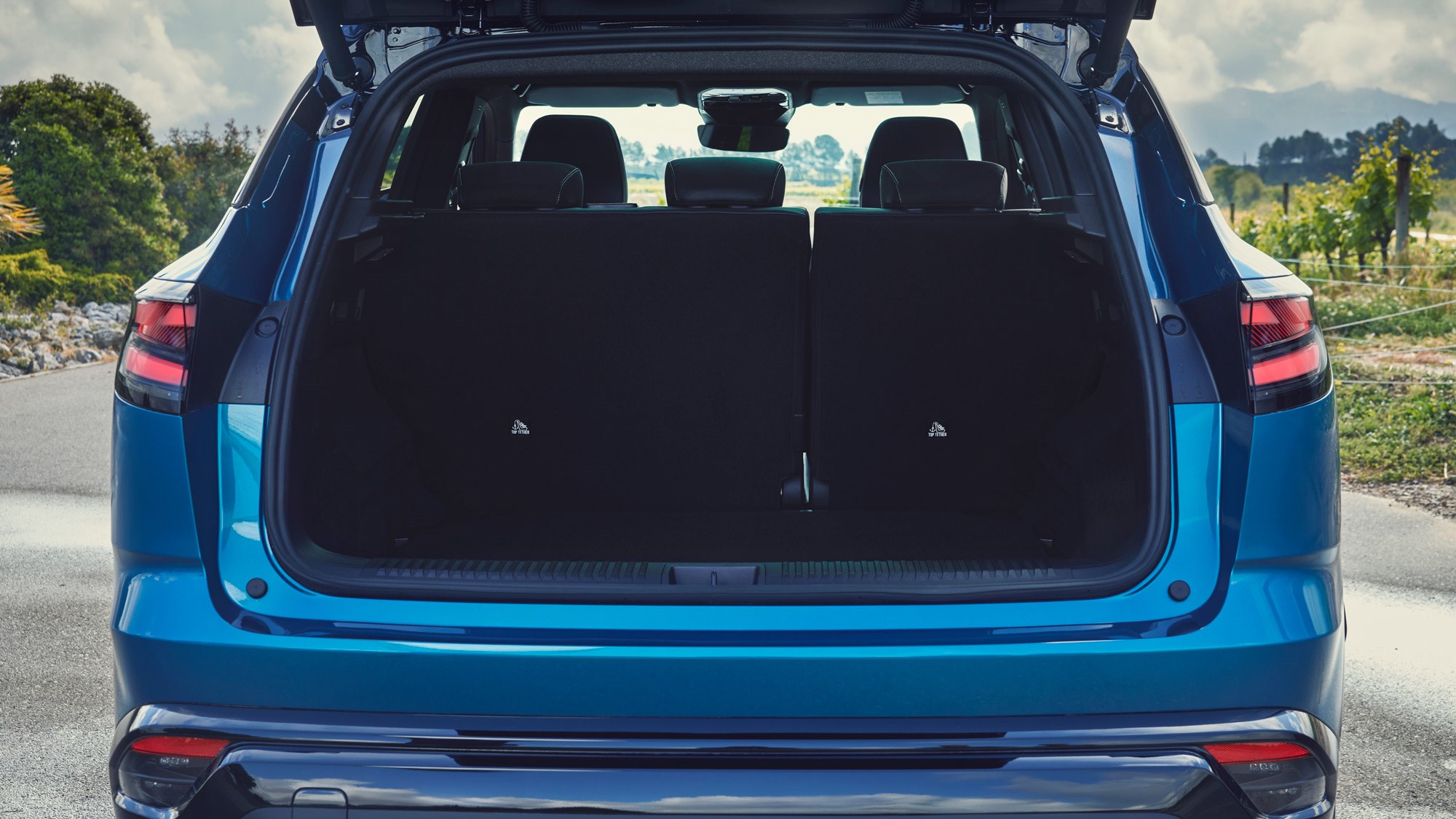
The Austral is more useful for those in the rear seats though, with its 527-litre boot not one of the largest in this class. Renault’s smaller, and considerably cheaper, Symbioz crossover nearly has as big a boot. The rear seats are, however, very useful, with even taller adults able to get comfortable back here, aided further by a sliding rear bench and full-length glass roof.
Before you buy (trims and rivals)
When it comes to rivals, where do we even start. The C-SUV segment is now the most popular type of car and everyone who matters (or at least everyone who wants to sell cars) has something competing here. We still rate the Qashqai for its fuss-free cabin, while we’ve been impressed by the versatility of the latest VW Tiguan. Choose the Kia Sportage if you want the longest warranty, Cupra Terramar if you want something that feels a bit sportier and the latest MG HS if you’re shopping on a tighter budget.
The three trim levels mirror the pre-facelift car with Techno, Techno Esprit Alpine and Iconic Esprit Alpine available. Renault is yet to confirm pricing but has said it will mirror that of the outgoing model, costing between £35,000 and £39,000 and putting it towards the top end of this segment.
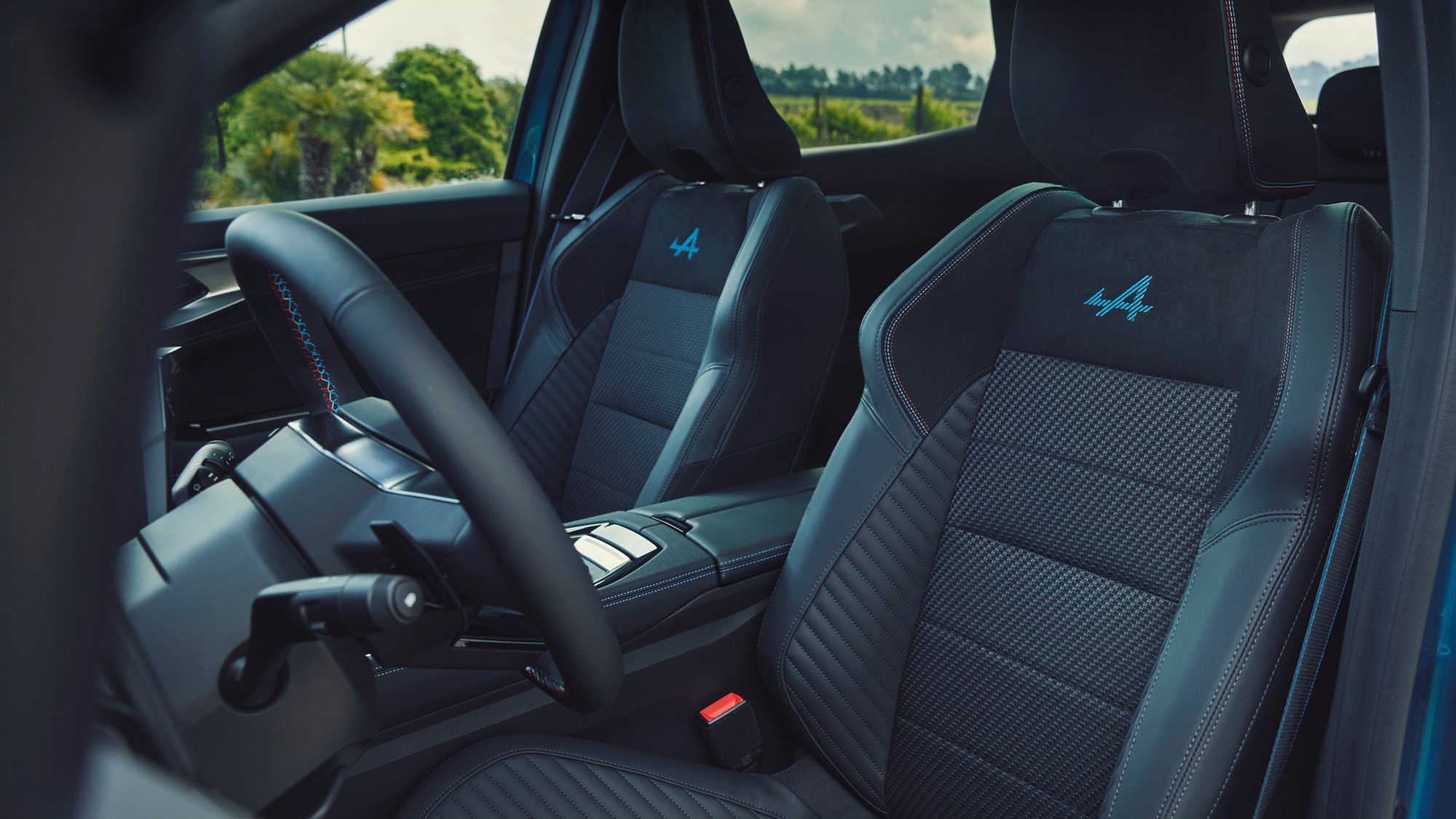
As for equipment, you certainly get plenty for your money, with entry-level Techno models getting 19-inch alloy wheels, Matrix LED headlights, wireless smartphone charger and the twin 12-inch screens. Techno Esprit Alpine adds 20-inch wheels, heated and electric front seats, a head-up display and electric boot. Top-spec Iconic Esprit Alpine bring a 360-degree camera, Harman Kardon sound system, panoramic sunroof and 360-degree camera.
Verdict
The Renault Austral remains a fine family SUV – it’s usefully sized, easy to drive and has one of the better hybrid systems on the market, and offers big potential for low running costs and also a long range between fill-ups.
Changes to the design and refinement have brought meaningful improvements and, as before, it has one of the better interiors of any family SUV. Many rivals are more practical, however, and even with such generous equipment, it’s far from cheap. However, we will reserve full judgement until we’re able to try a proper UK-spec Austral on British roads, however, to see if it really is any more comfortable. For that reason, it’s why it’s remaining on three stars for now.