► Renault Zoe EV was a small electric car hero, but…
► It’s now a used car at a potentially bargain price
► Early battery complications and safety concerns cloud the story
If we were handing out prizes for electric car pioneers, the Renault Zoe would be a clear winner. A decade ago, this stylish French hatchback helped make electric cars mainstream. Over two generations, it quietly racked up sales while competitors dithered. Now discontinued, the Zoe exists solely on the used market – and with prices starting well below £10k for the facelifted models, it’s tempting.
Should you buy a Renault Zoe? If you want an affordable small EV with decent range, yes – but do read up on its controversial safety rating before you take the plunge.
Here’s how we test cars, and why you should trust us.
At a glance
Pros: Long range for its size, low running costs, decent infotainment
Cons: Zero Euro NCAP rating, cramped rear seat, firm ride on GT-Line
What’s new?
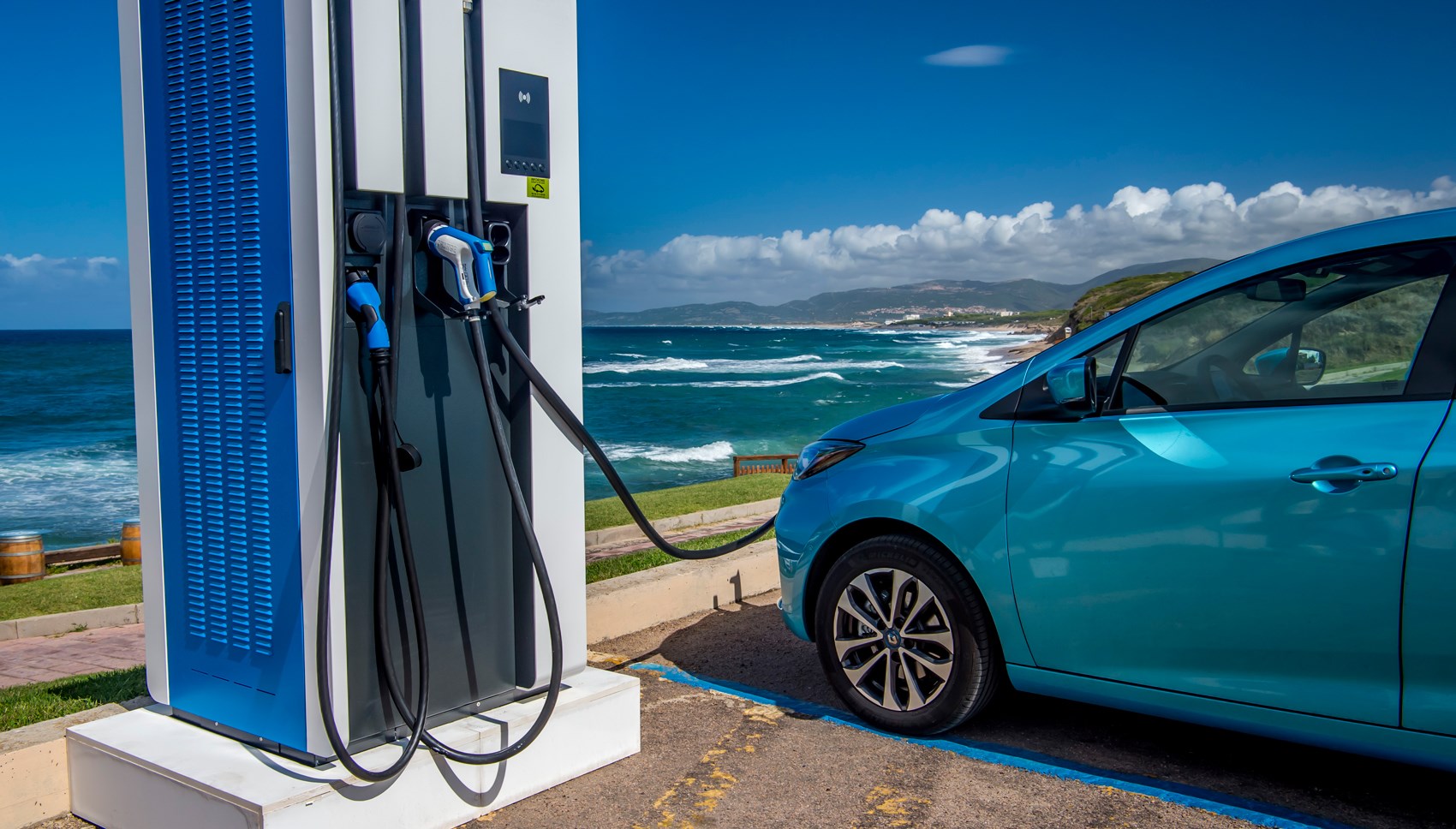
We’re revisiting the facelited post-2020 Renault Zoe because it’s been off sale since 2024, but is widely available as a used buy, many people are considering one as a used bargain – and still very much worth talking about. The last batch of UK cars landed in 2023, and while the newer Renault 4 and 5 E-Tech Electric have taken over showroom duties, the Zoe remains a cost-effective gateway to EV motoring.
It’s a car with layers. While the headlines were lattely dominated by its infamous zero-star Euro NCAP rating, the Zoe still offers plenty to recommend it – especially for those doing short trips and charging at home. As ever, the devil’s in the details.
What are the specs?
All facelifted Renault Zoes came with a 52kWh battery and a choice of two electric motors: the R110 with 110bhp or the R135 with 134bhp. Most UK cars are the more powerful R135, and it’s the one to go for unless you’re strictly city-bound.
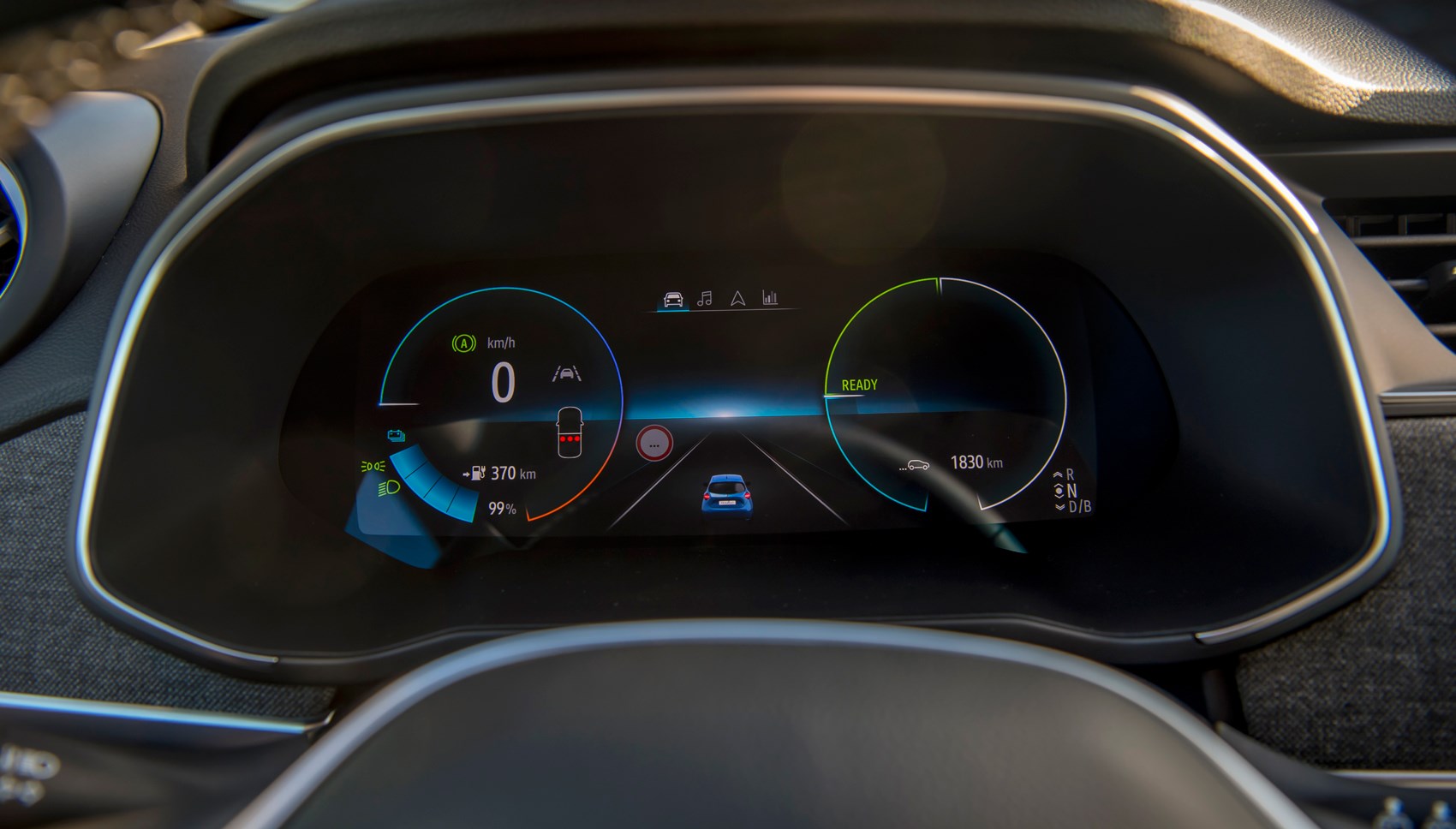
The WLTP driving range is quoted at 245 miles, and you can expect well over 200 in real-world conditions around town. Motorway use quickly eats into that, though – sustained 70mph cruising can drop the range to around 150 miles.
Charging is mostly via 7kW home wallboxes, where a full charge takes just over nine hours. DC rapid charging at 50kW was optional and is well worth seeking out; it brings an 80% charge in around an hour, ideal if you plan to travel further afield.
Later Zoes all had Android Auto and Apple CarPlay as standard, and many featured Renault’s slick 9.3-inch portrait infotainment screen. Climate control, LED headlights and a 10.0-inch digital dash were also widely fitted depending on trim.
How does it drive?
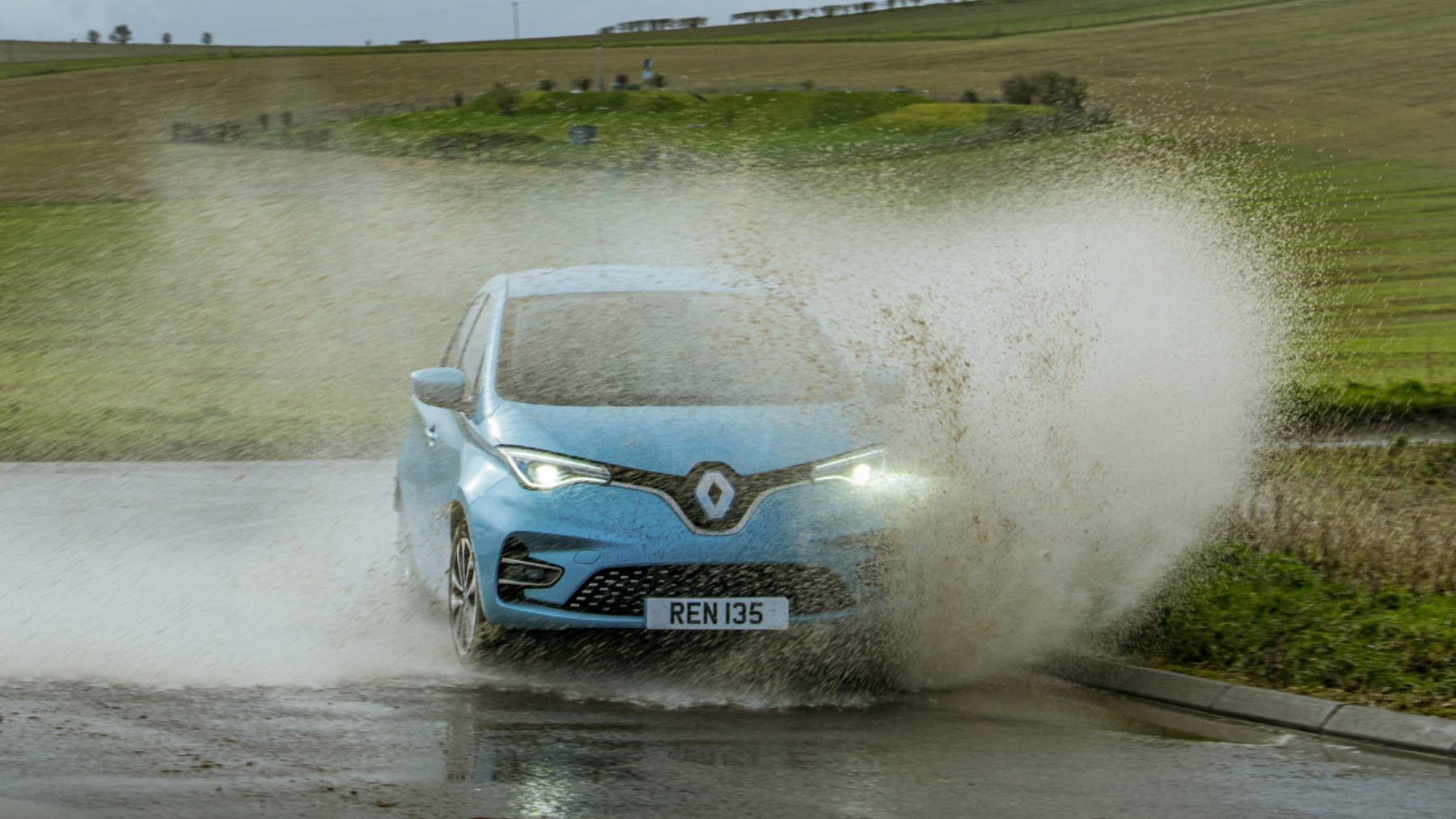
The Zoe R135 was the most powerful version, with 134bhp and 181lb ft of torque – a significant improvement over earlier models and comparable with rivals like the Vauxhall Corsa Electric and Peugeot e-208. It used a single-speed gearbox feeding power to the front wheels, and for the first time, 0-62mph dropped below 10 seconds. Not exactly hot-hatch pace, but far more usable than the earlier, more leisurely Zoes.
Buyers also got a stronger regenerative braking ‘B’ mode, which noticeably slowed the car when lifting off the accelerator. It wasn’t quite as aggressive as the Nissan Leaf’s one-pedal driving, but it did require a light touch to avoid unsettling the car’s balance and pitching it forward under deceleration.
The softly-sprung suspension delivered decent comfort in lower trims, particularly around town, where the Zoe was most at home. The GT-Line, with its larger wheels, introduced a slightly firmer edge, thumping more over broken surfaces. At higher speeds, the Zoe’s limitations became clearer – noticeable roll through bends, vague steering and a tendency to become unsettled over a sequence of corners. Despite decent grip, it didn’t feel particularly composed when hustled.
But in its intended environment – urban roads, stop-start traffic and moderate-speed commutes – it made a strong case for itself, and continues to do so today. Trying to inject too much excitement into the drive just depleted the battery faster, so most buyers were happy with its calm, unhurried nature, and as such, most used examples out there still have low miles on the clock.
What about the interior?
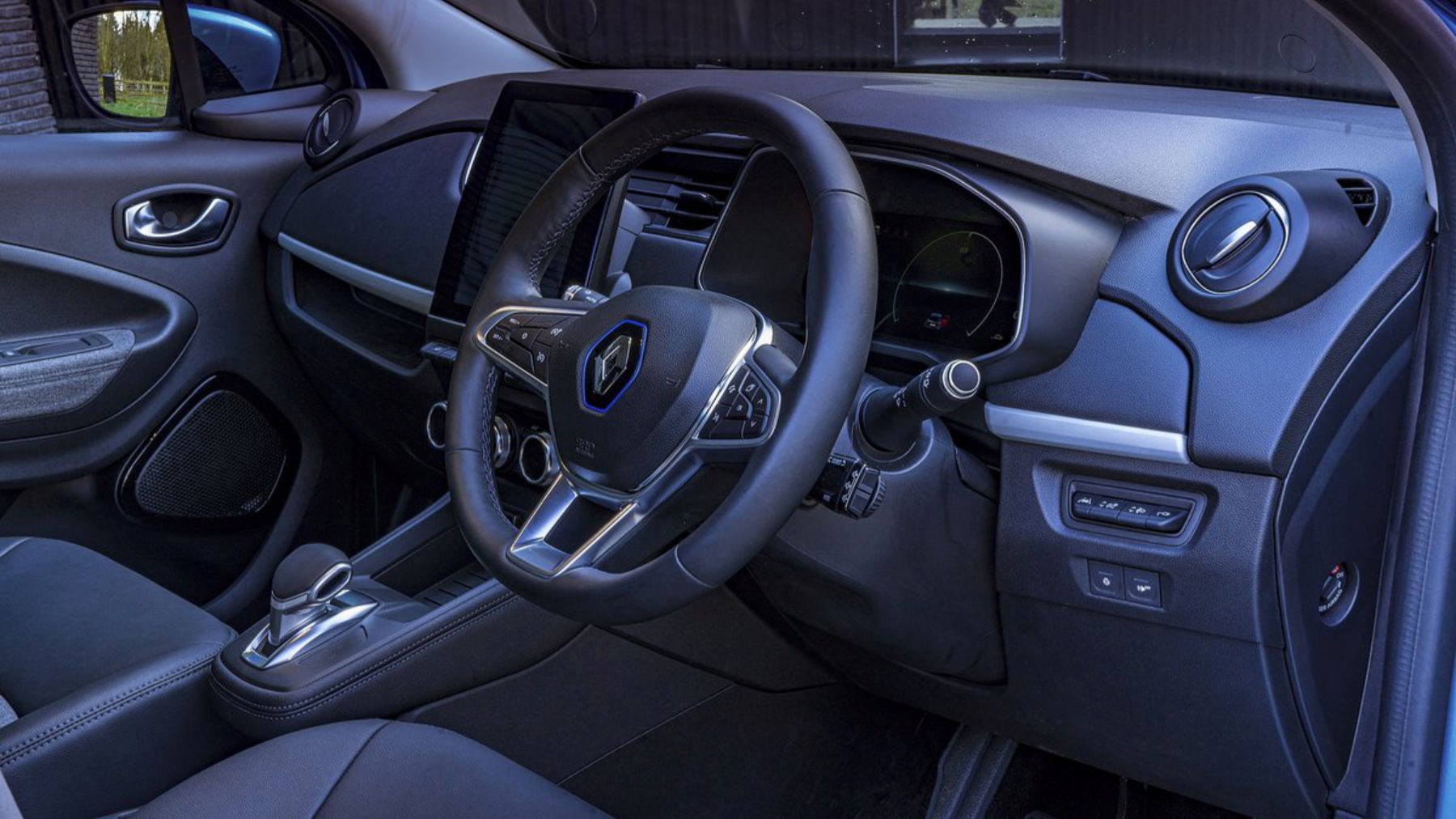
Renault gave the Zoe’s cabin a major upgrade in its final years. Gone was the old faux-futuristic digital dash, replaced with a far more usable and attractive display. The centre screen is responsive, intuitive, and well integrated, particularly in top-trim cars with the portrait layout.
Materials feel much higher quality than early Zoes, and the use of recycled plastics and seatbelt fibres for the upholstery is a nice eco touch. The seats themselves are basic in shape but reasonably comfortable – though tall drivers might wish for more adjustment.
Rear space is adequate for kids or short journeys, but adults won’t enjoy long trips in the back. The boot, however, is excellent for a car of this size – at 338 litres it comfortably beats the Mini Electric and Honda e.
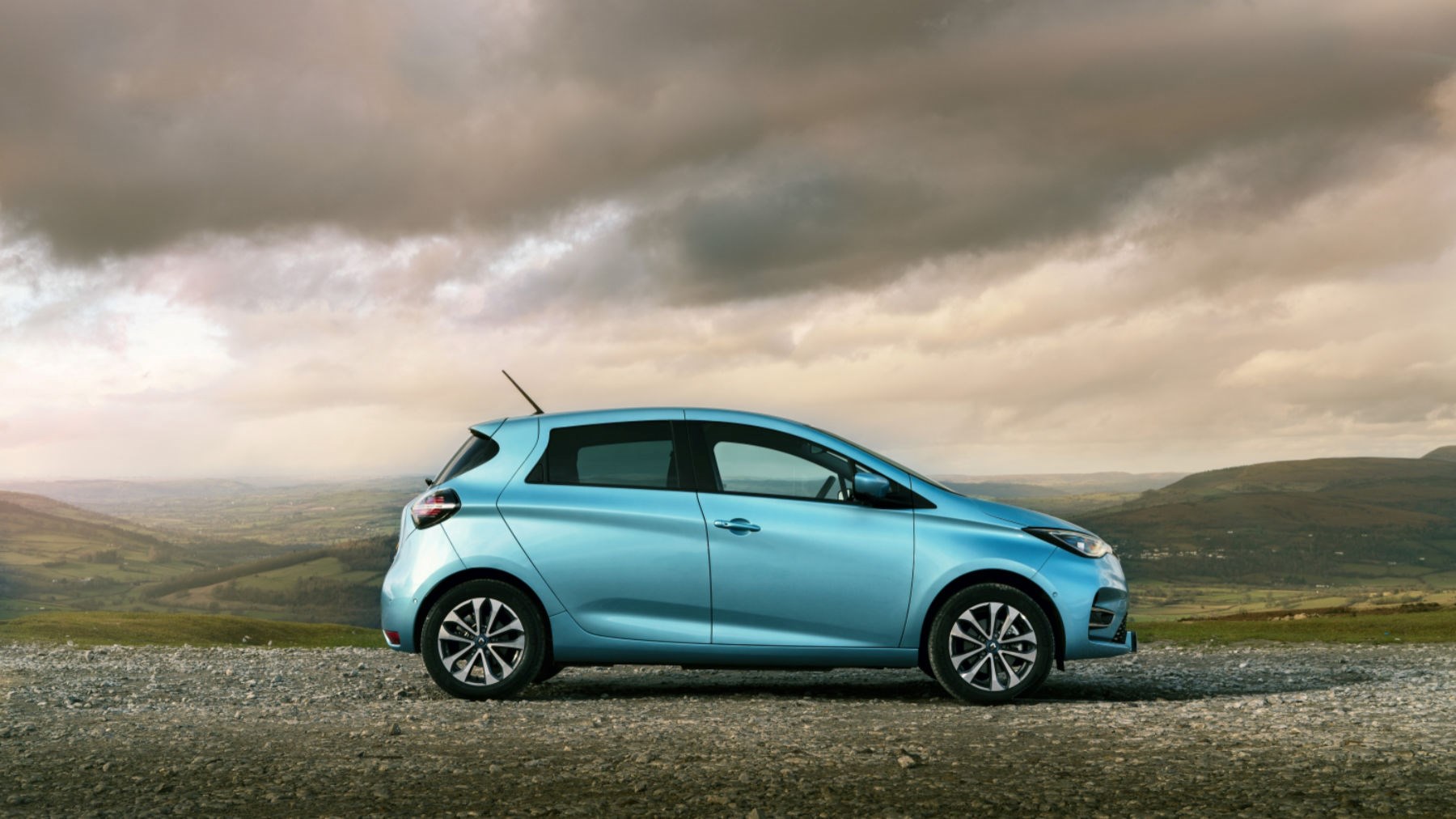
Before you buy
The post-2020 Renault Zoe was available in Play, Iconic, and GT-Line trims. By the end, most UK buyers opted for the Iconic or GT-Line, both of which come well equipped with smartphone mirroring, climate control and safety tech.
It’s essential to check whether the car has DC rapid charging – not all do. Also inspect the battery warranty (typically eight years or 100,000 miles) and whether the battery is owned outright or leased. This won’t affect facelifted models, but there are still a number of 2019-and-earlier Zoes that used a lease model, which can complicate resale.
Rivals include the Peugeot e-208, Vauxhall Corsa-e and Electric, Mini Electric, Fiat 500e and Honda e. The Zoe beats most of them on range, especially the Honda and Mini, though it lags behind on cabin quality and active safety systems. The Fiat is the pick of the bunch, but is in reality best as a two-seater.
Prices now start from under £7000 for early facelifted cars, with low-mileage R135 GT-Lines pushing £15,000. PCPs and lease deals are long gone, but outright purchase or finance from a used dealer still makes this a tempting EV entry point.
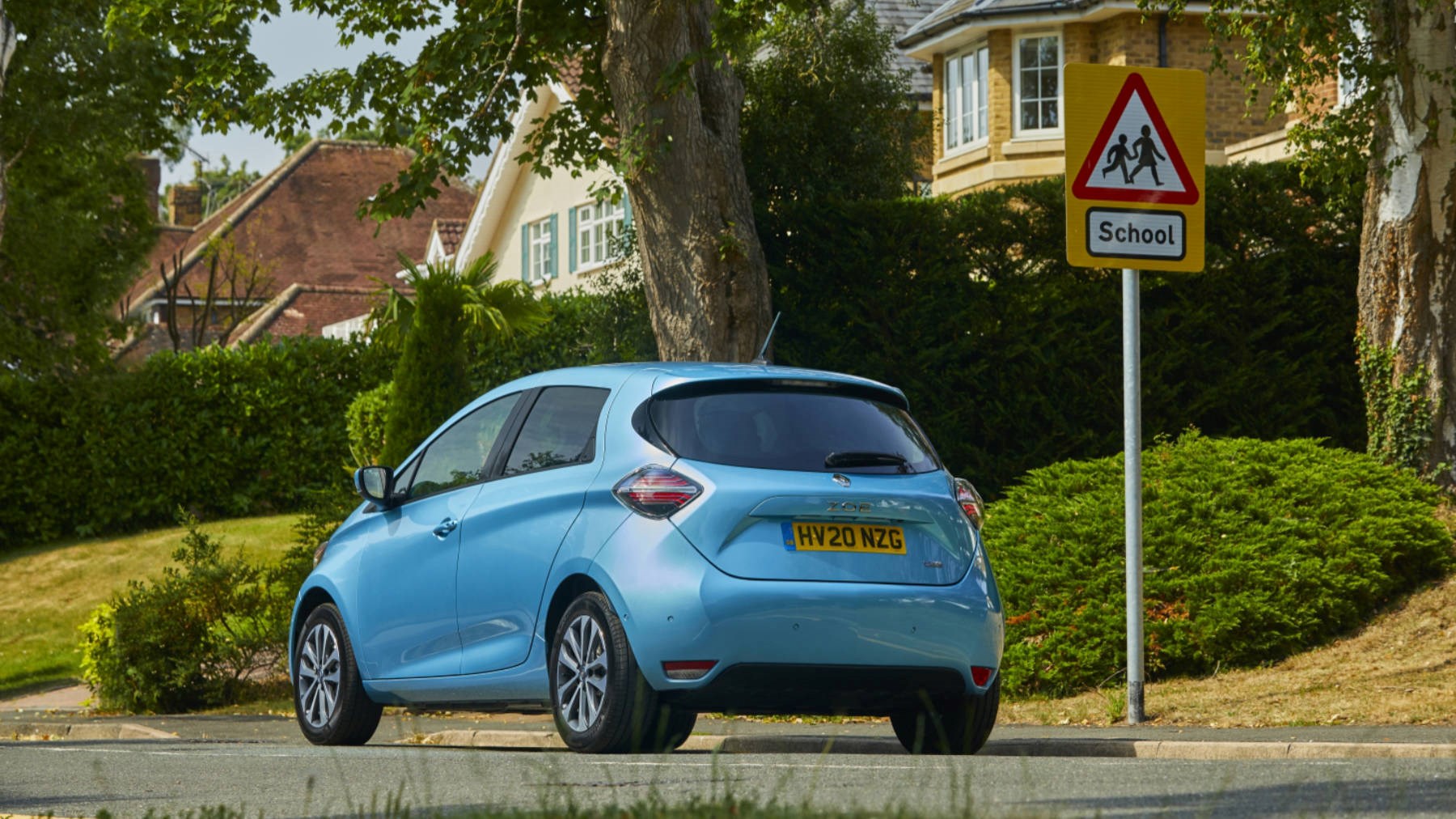
Verdict
The Renault Zoe remains one of the better small EVs of its era. Good to drive, efficient and easy to live with, it’s a sensible buy for those who don’t need big range or space. The cabin is vastly improved in later cars, and the real-world range is genuinely usable.
But it’s hard to ignore that safety rating. A zero-star NCAP score is rare – and troubling, especially for family buyers. Renault stripped out key active safety tech to reduce costs, and it shows. That alone will be a deal-breaker for some. Still, if your budget is tight, your commute is short and your other car is a Defender or a 2CV, the Zoe is a fine second car. Just be aware of the compromises, and choose carefully.