► We drive the last ever petrol-powered Lotus
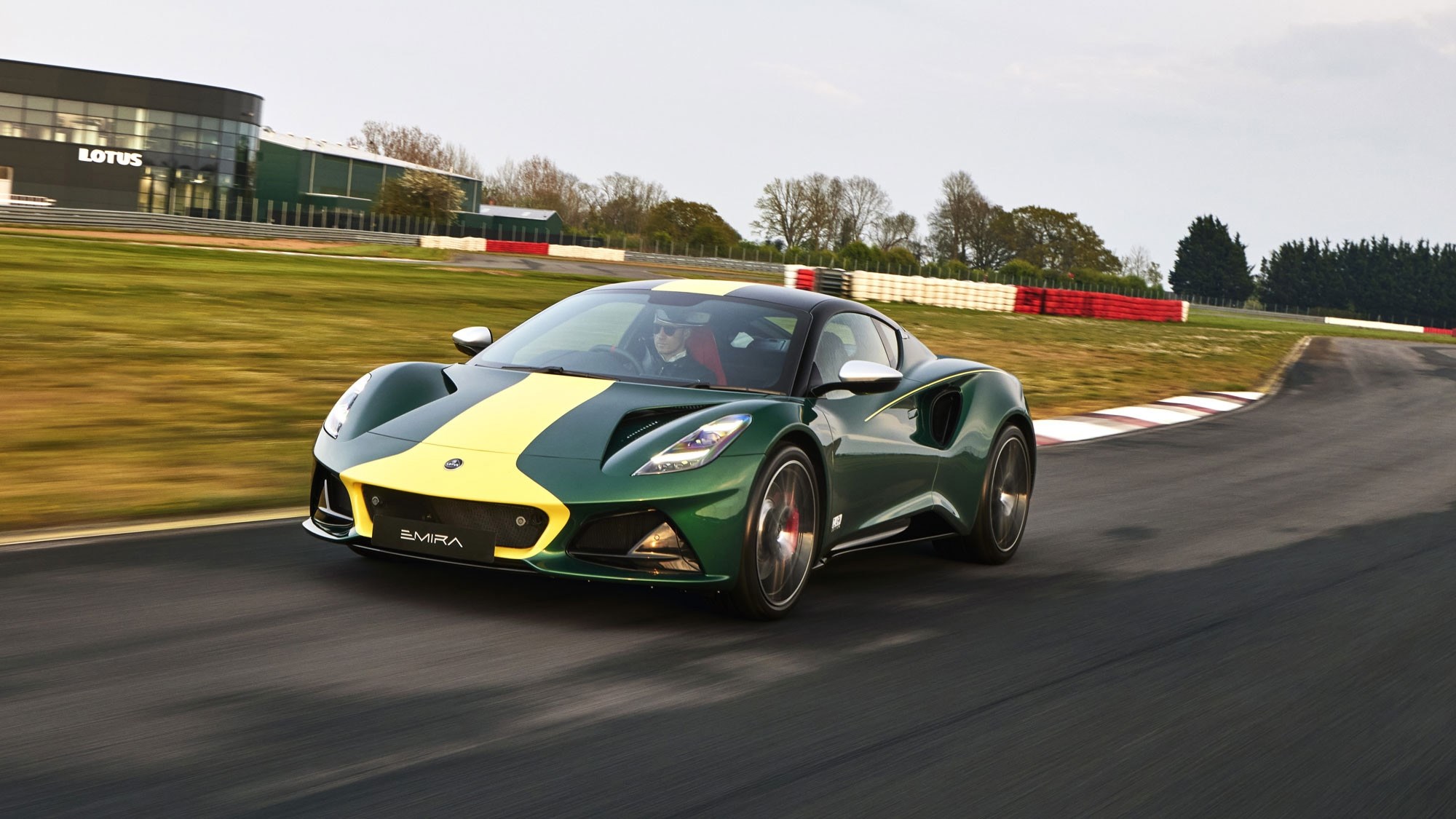
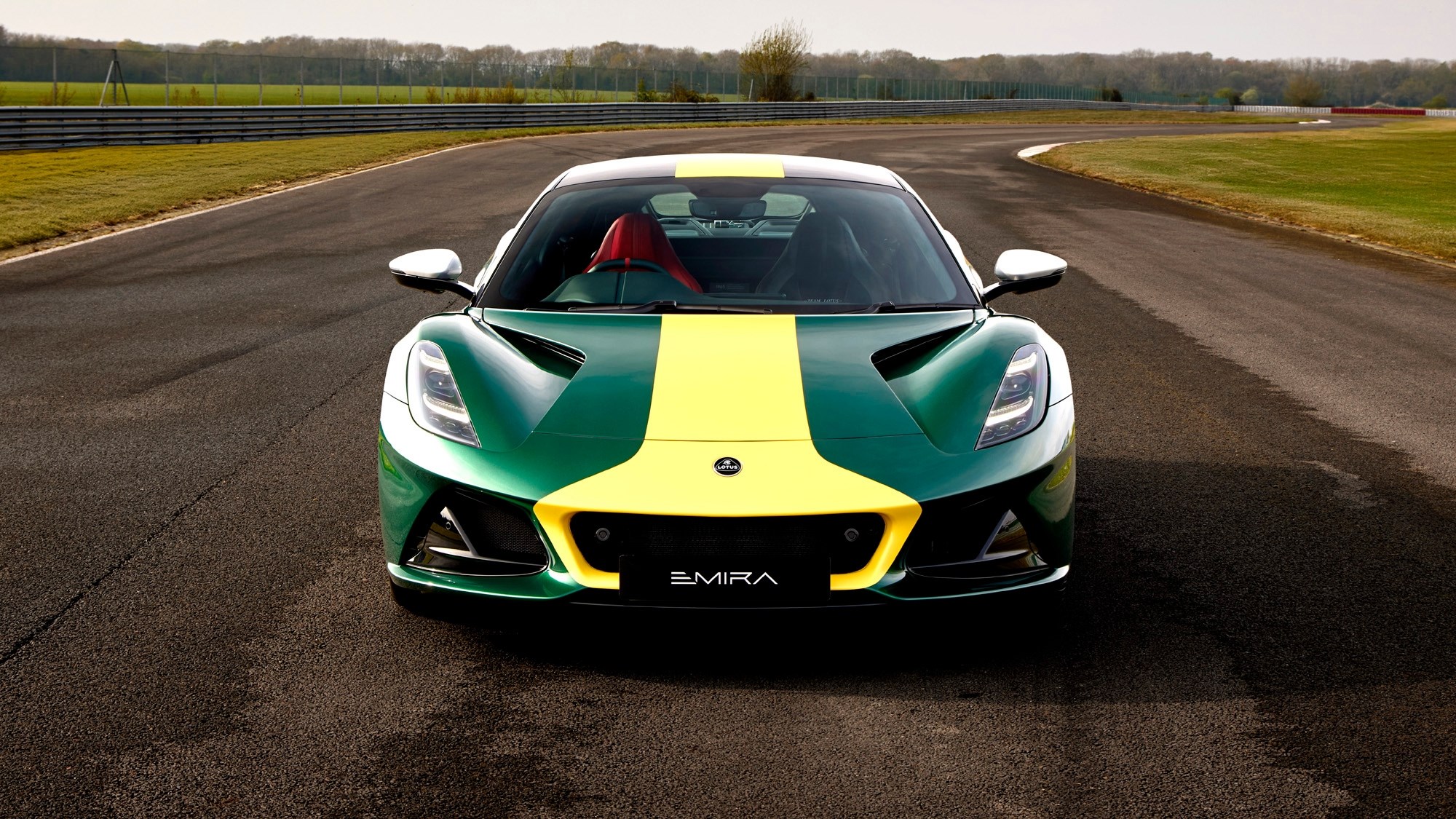
► Emira offers stunning handling and supercar styling
► Four-cylinder model is a bit of a let-down, though
You might feel sorry for the Lotus Emira. Since its launch in 2022, the Hethel-made two-seater has been tasked with emulating the thrills of the iconic Elise and Exige, while also offering grand touring capabilities that surpass that of old and much-loved Evora.
With stiff competition from a Porsche 718 Cayman available with a stunning 4.0-litre flat-six, as well as an Alpine A110 that’s lighter on the scales, does improved build quality come with enough performance and practicality to give Lotus’s final petrol hurrah a fighting chance? We subject the Emira to a proper Car test.
Should you buy a Lotus Emira? Supercar looks, feelsome steering and handling that’s as at home on a B-road as the track, the Emira feels exotic and approachable in equal measures. Well, it does if you go for the tuneful manual V6. As for the automatic four-pot, don’t bother. Even the cheaper Alpine A110’s auto is better.
At a glance
Pros: Exotic styling, dramatic manual V6, handling and balance.
Cons: AMG-powered four-cylinder version feels considerably less exciting, no front boot.
What’s new?
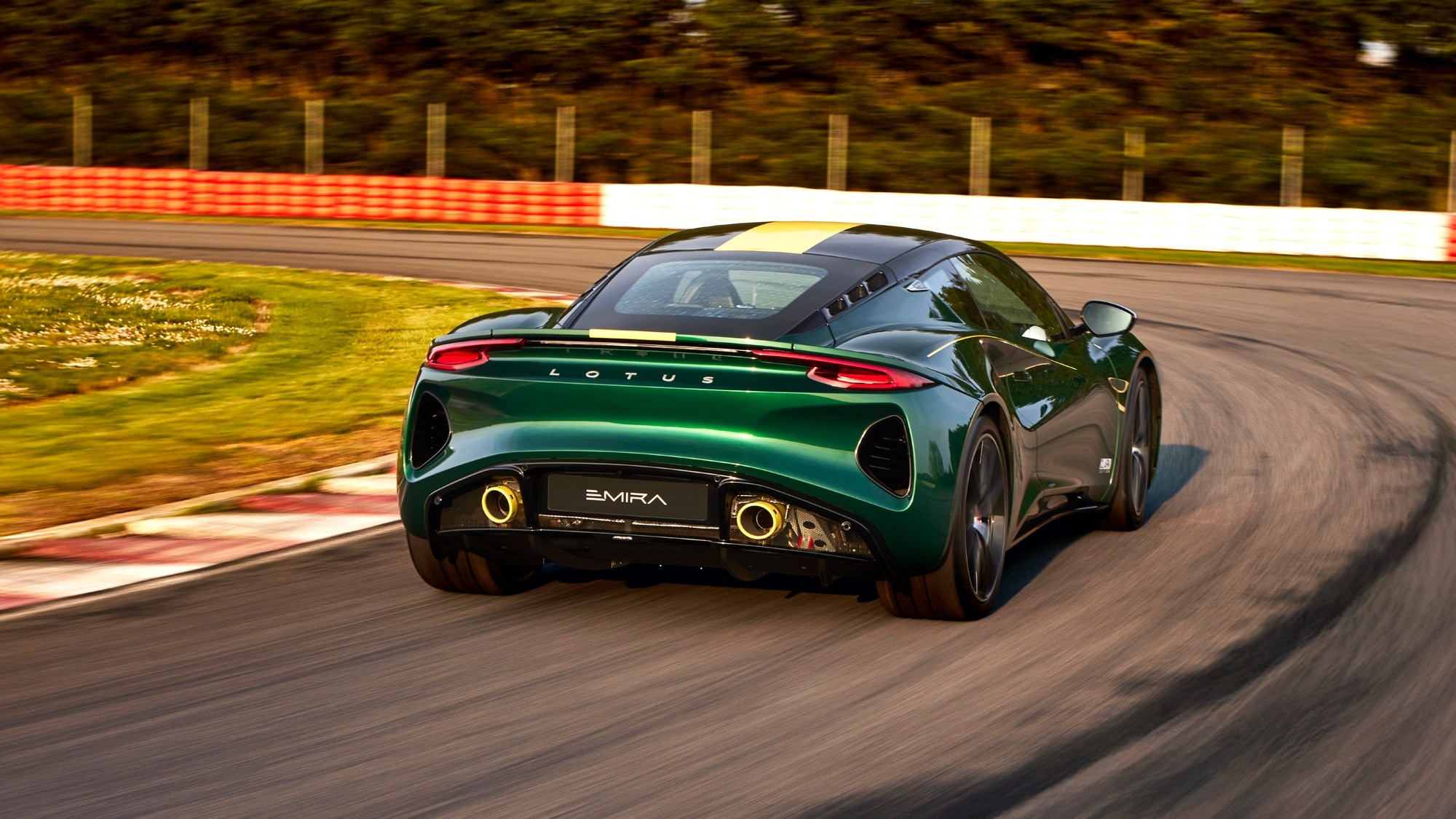
With Evija-inspired styling and the same Toyota supercharged V6 as the Evora, the Emira might look like a new blend of old ingredients. But once you climb inside the Emira’s more upmarket-feeling cabin, it’s clear this is a step in a new direction for Lotus sports cars. Something that’s doubly true if the engine behind you is from Mercedes-AMG.
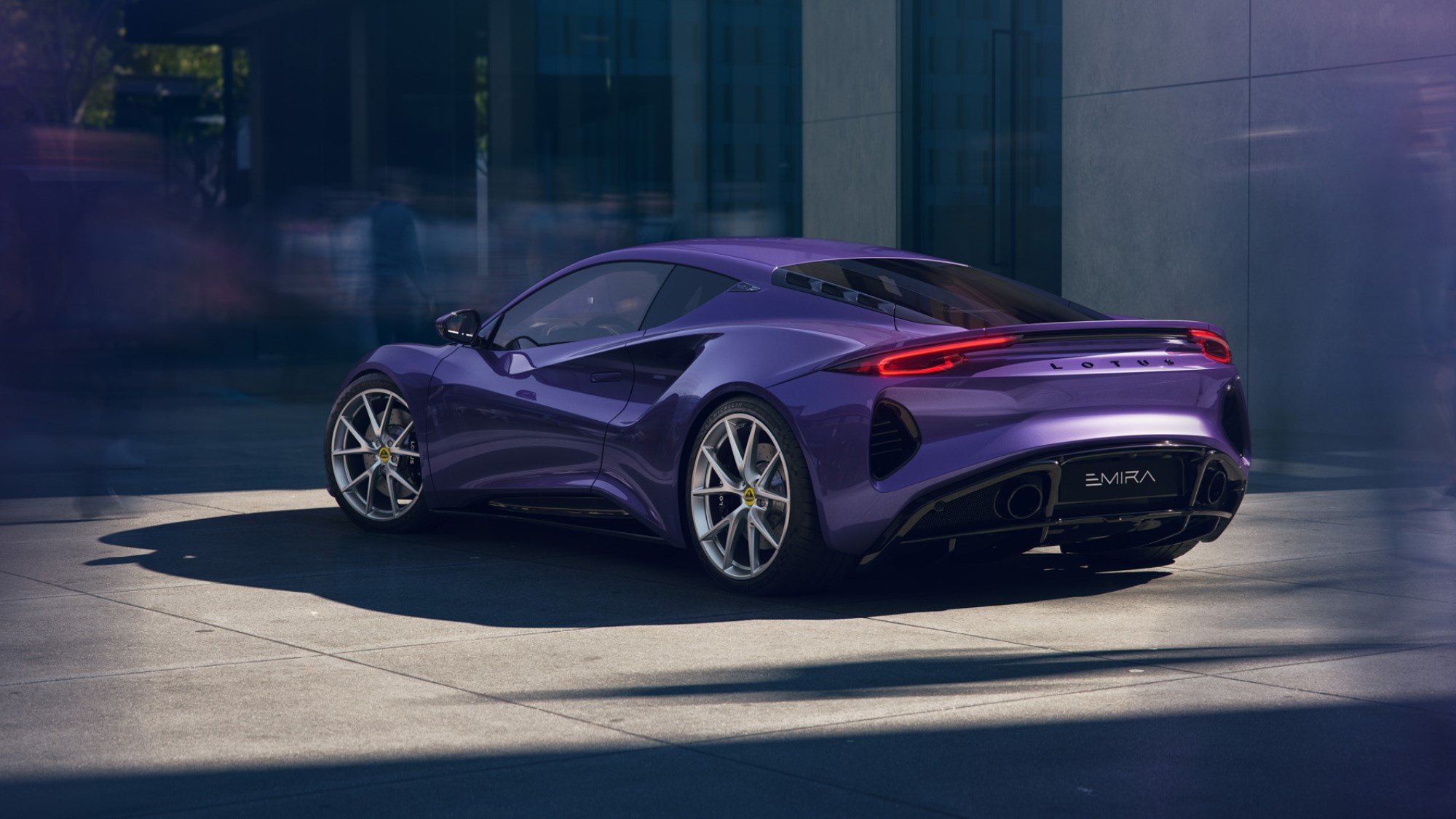
No doubt in a bid to more effectively rival the offerings of the Porsche Cayman range, the Emira line-up has grown to feature three ‘Turbo’ models using that AMG motor, and two V6 models using the Toyota block. But the fundamentals have remained the same since 2022. So what’s the catch?
What are the specs?
We’ve sampled both powerplants of the Emira and, we’re sorry to say, they haven’t been created equal. The cheapest model at launch featured the AMG’s 2.0-litre four-cylinder unit with 355bhp and 317lb ft of torque, but a 2024 update saw the former figure lift by 5bhp in the present entry-level model, the Turbo. Above that, there are Turbo SE and Turbo SE Racing Line variants with 400bhp and 354lb ft of torque apiece, which actually makes them more muscular than the pair of range-topping V6 models, which use the Toyota-derived 3.5-litre for 400bhp and 310lb ft of torque.
That said, there isn’t much separating the four- and six-cylinder versions of the car. The 2.0-litre model is lighter than the V6 and in top-rank 400hp form it can sprint from 0–62mph in 4.0 seconds dead. That’s 0.3 seconds quicker than the fastest V6. The two cars’ top speeds are close too. In fact, in the 400hp Turbo models, you’ll top out at 180mph – identical to the 3.5-litre.
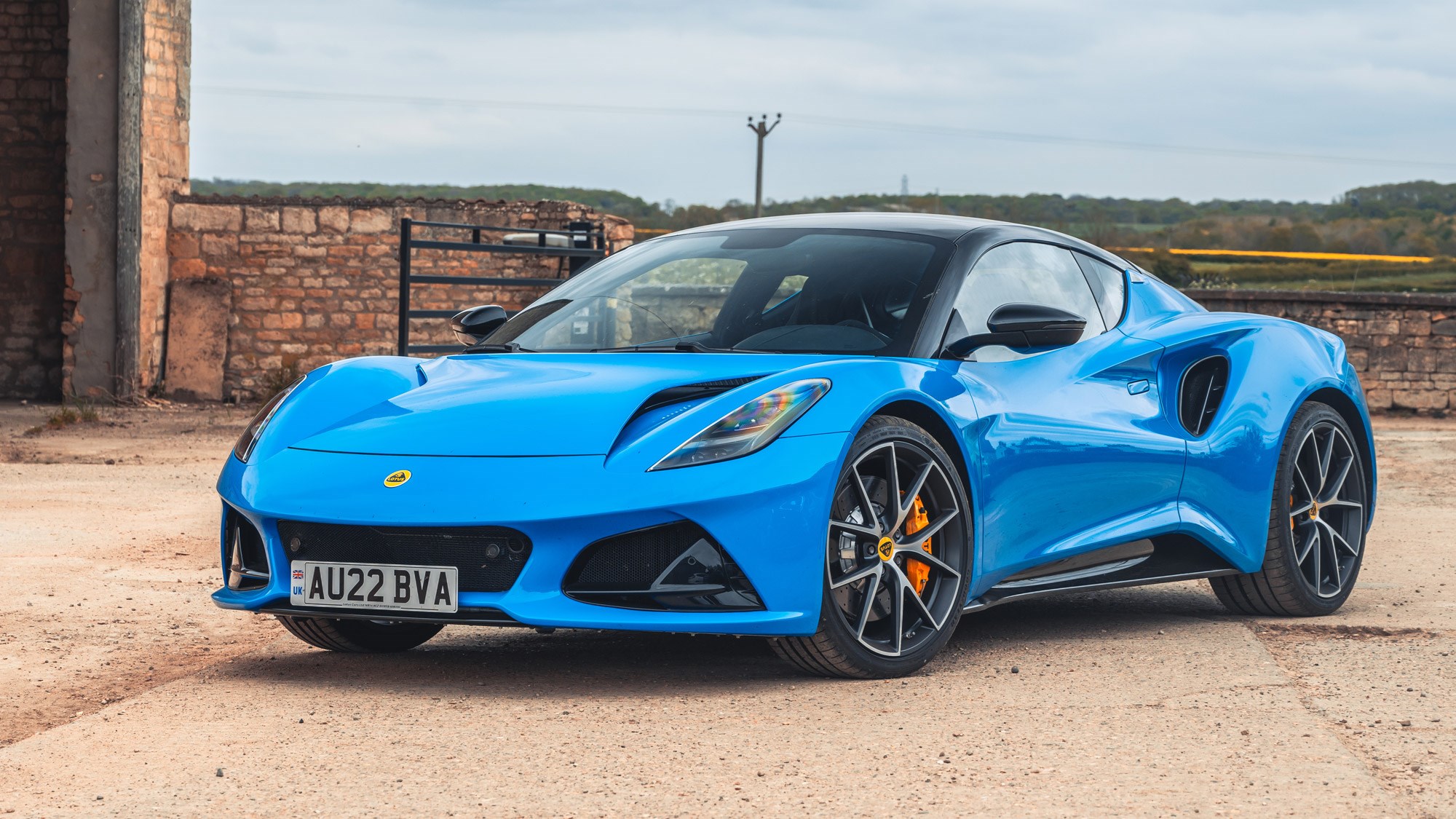
How does it drive?
Since you can only have the four-cylinder engine with an automatic gearbox, the AMG-powered Turbo models offer a very different experience to the V6 ones. Even with some software tweaks to the gearbox in recent months, the auto still (like it did at launch) lets the side down. It’s no longer so dim-whitted as the initial auto was, but even in Sport or Track mode, it’s difficult to neatly string together a set of corners. The software is far from the best out there, meaning you can’t nail those up- and downshifts into and out of corners, like you can in the auto-only A110, or a PDK 718 Cayman.
Happily, the engine has a bit of character. It’s slightly clattery at low speeds but, once you’re in the upper two-thirds of the rev-counter, it sings. Plus, it has the most vocal turbocharger we’ve ever experienced on a production car. Every time you take your foot off the throttle, it whistles and chirps like songbird. It’s hilarious fun when pottering around town.
Is the Emira V6 better or worse?
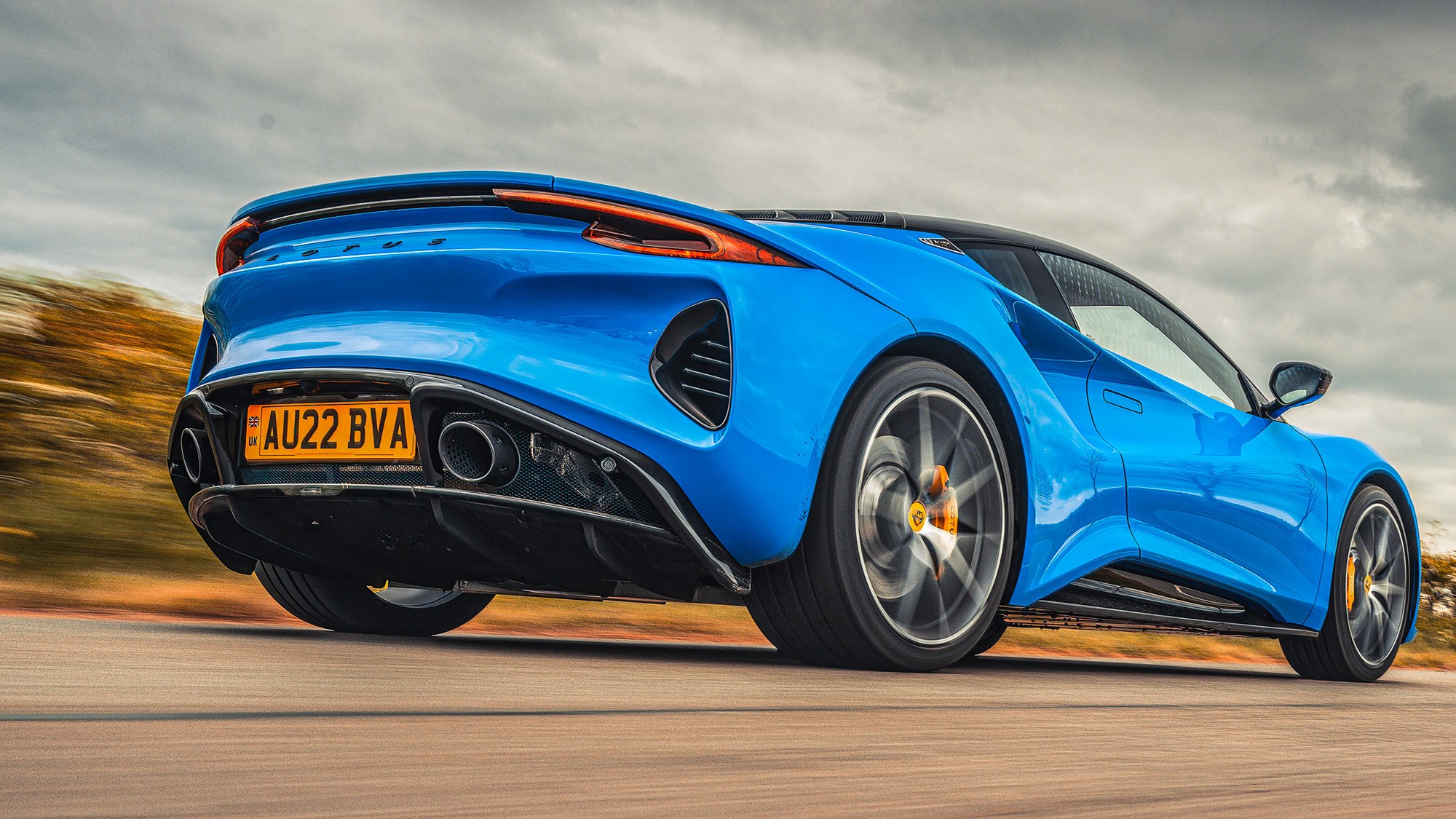
Better. Way better. The V6 sounds great and the manual gearbox adds an extra dash of engagement. It’s the same transmission that was fitted to the Evora and Exige, though, which means you must be patient with it. The clutch is heavy by modern standards, too, and the action tends to be obstinate. However, that means the satisfaction of getting a shift right – up or down – is immense.
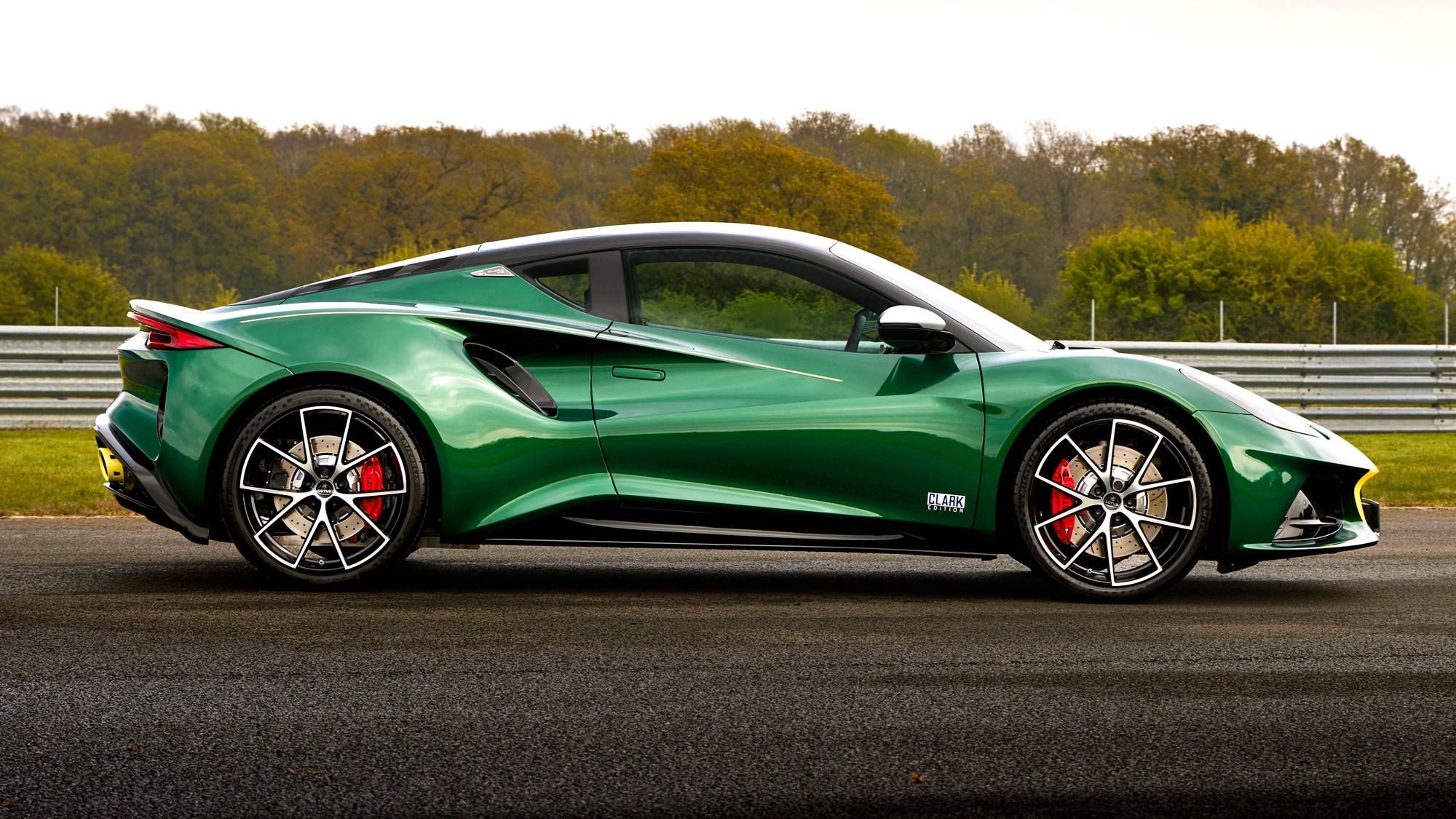
That theme of immense satisfaction carries throughout the car. Direction changes? Instantaneous and incredibly gratifying. There’s roll but, like the best sports cars, it’s always controlled – and the movement helps you feel what’s going on. It’s an aid to getting your bearings rather than an impediment. Steering? Still hydraulically assisted and loaded with feedback. And, while the Emira is available with various ADAS including lane assist, it isn’t available with self-steering lane-keeping. When a car steers this well, you want to have it all to yourself.
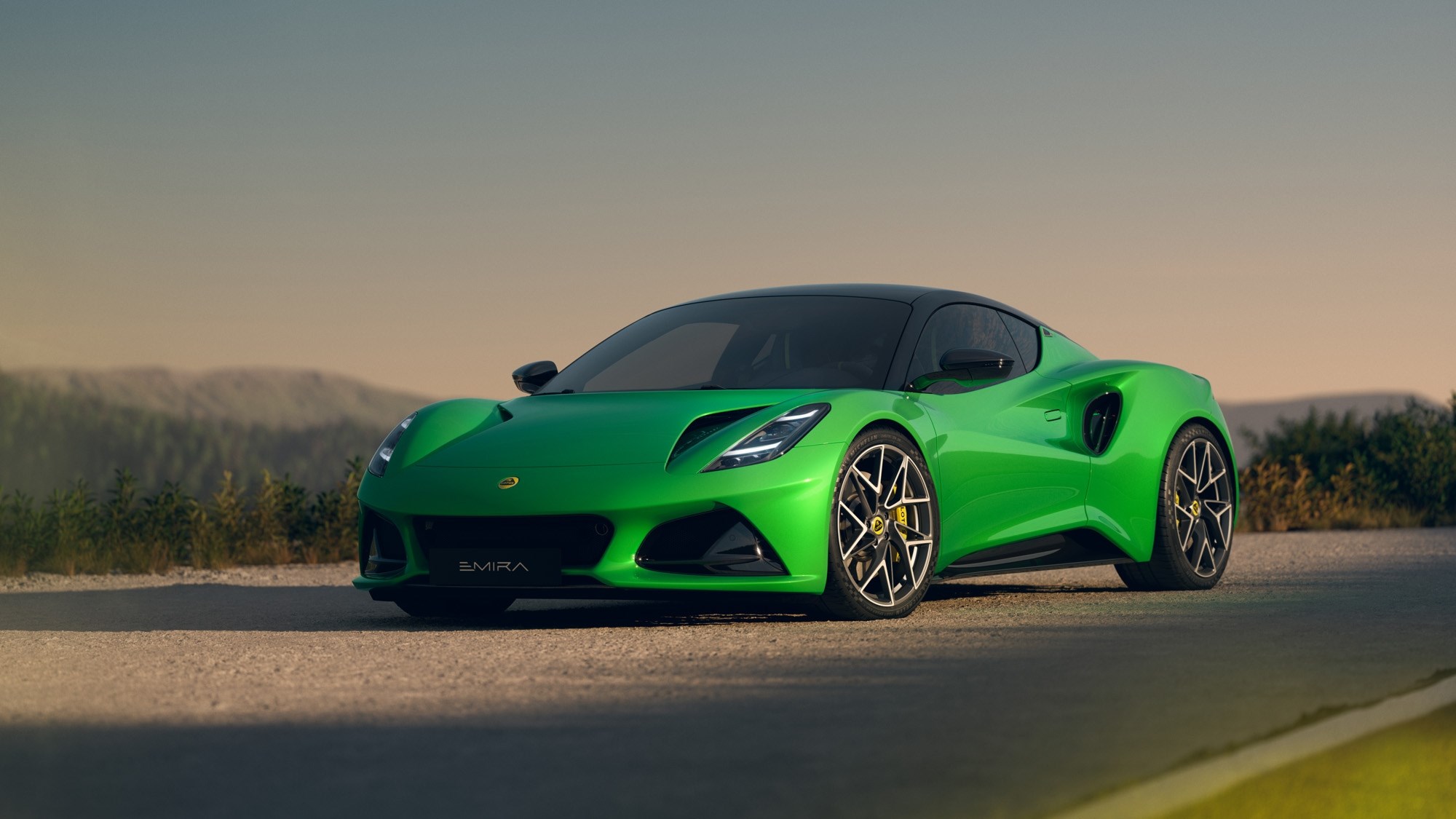
Compared to the 718 Cayman and A110, the Emira’s responses give it a small but not unnoticeable handling advantage during quick direction changes, although it’s still not quite as communicative as an Evora. It’s lovely and beautifully linear – and there’s enough definition to detect the joints in the tarmac in detail. The view out of the windscreen is great, too, with the Emira’s low nose vanishing out of your sightline, leaving only the twin humps of the front wheel arches to help you perfectly guide the front wheels over your chosen line.
The Emira’s Track Mode has been tuned for use with Michelin Cup 2s, and while we sampled the car on its standard, bespoke-compound Goodyear rubber, don’t fret – the Emira can still pull 1.2G. Its limits are almost unassailably high in regular driving. Despite this, you always feel connected to the car – it doesn’t feel numb or uninvolving the way some intensely grippy cars do. It’s just a shame that the middling Sport setup is a little firm for the road, at least at low speeds. Pick up the pace, and the Emira flows with the road, letting you work that manual and V6, or exercise the four-pot so the auto doesn’t get in the way so much.
Is the Lotus Emira fast?
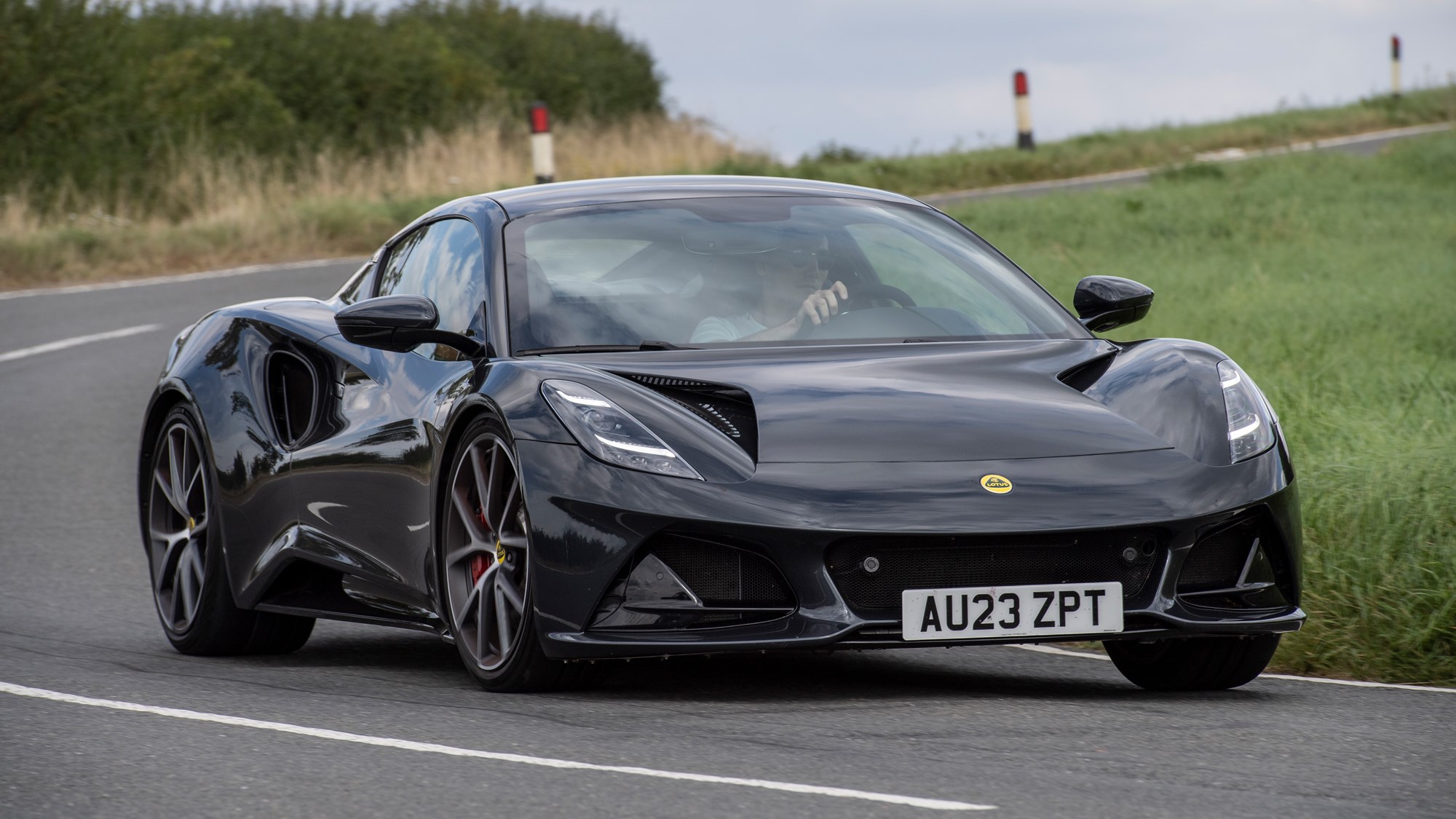
Look at it. It builds speed quickly. Effortlessly. Even if you leave it in third for the hairpins, you’re quickly travelling at three-figure speeds down the following straight. But it’s the way the Emira loses speed that really raises your heart rate. You have massive, confidence-inspiring braking power with plenty of pedal feel – something that’s important on both road and track. In terms of stability, it’s well ahead of the already superb Evora; you can jump on the brakes as hard as you like while relaxing your grip on the steering wheel and it tracks straight and true.
The V6 feels and sounds a little truculent at first. You can see it lurking in the rear-view mirror, and it makes its presence felt mechanically rather than through charisma at lower rpm. Cruising refinement is fine for something with this kind of performance.
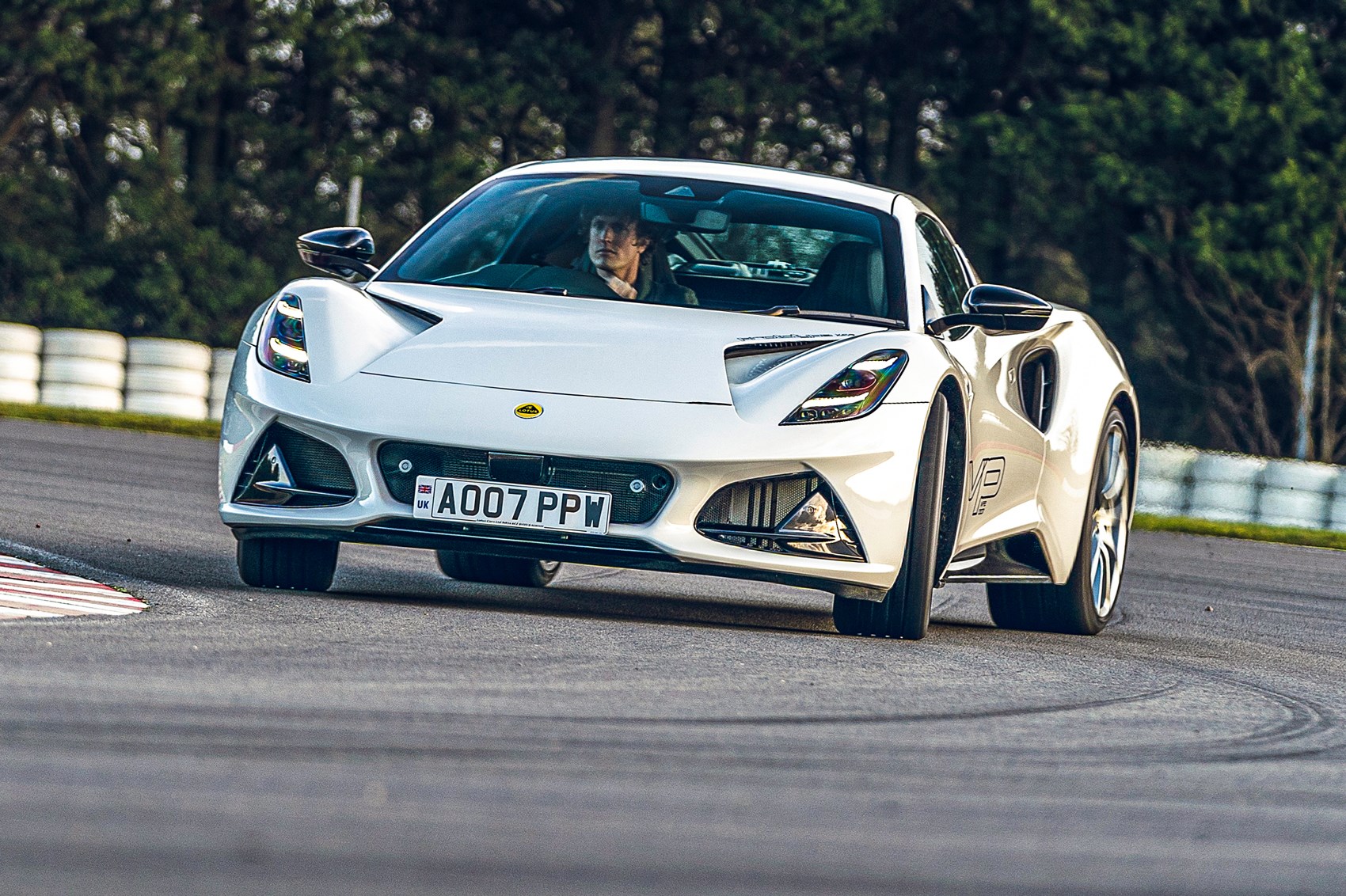
When you build up the confidence to exploit the Emira’s full potential, the reward is not only a serious amount shove – which the chassis sublimely shoulders through the corners – but an evocative banshee wail reminiscent of an earlier era of F1 car, a ping as much as a zing when it passes in the opposing direction at maximum attack.
It’s not as beefy, perhaps, as the 4.0-litre flat-sixes Porsche has returned to for its most muscular Caymans, but it’s certainly faster and more evocative than even the mightiest A110. Even the four-pot Emira would make the Alpine look like it was going backwards, although to be fair, the A110’s auto is much better. For some buyers, the price difference between the AMG- and Toyota-powered Emiras (more on that in a bit) might mean you don’t have a choice when it comes to engines, but if you can stretch to a V6, it’s a no brainer. It’s much more special – and where the Emira excels is in that sense of excitement beyond the conventional.
What about the interior?
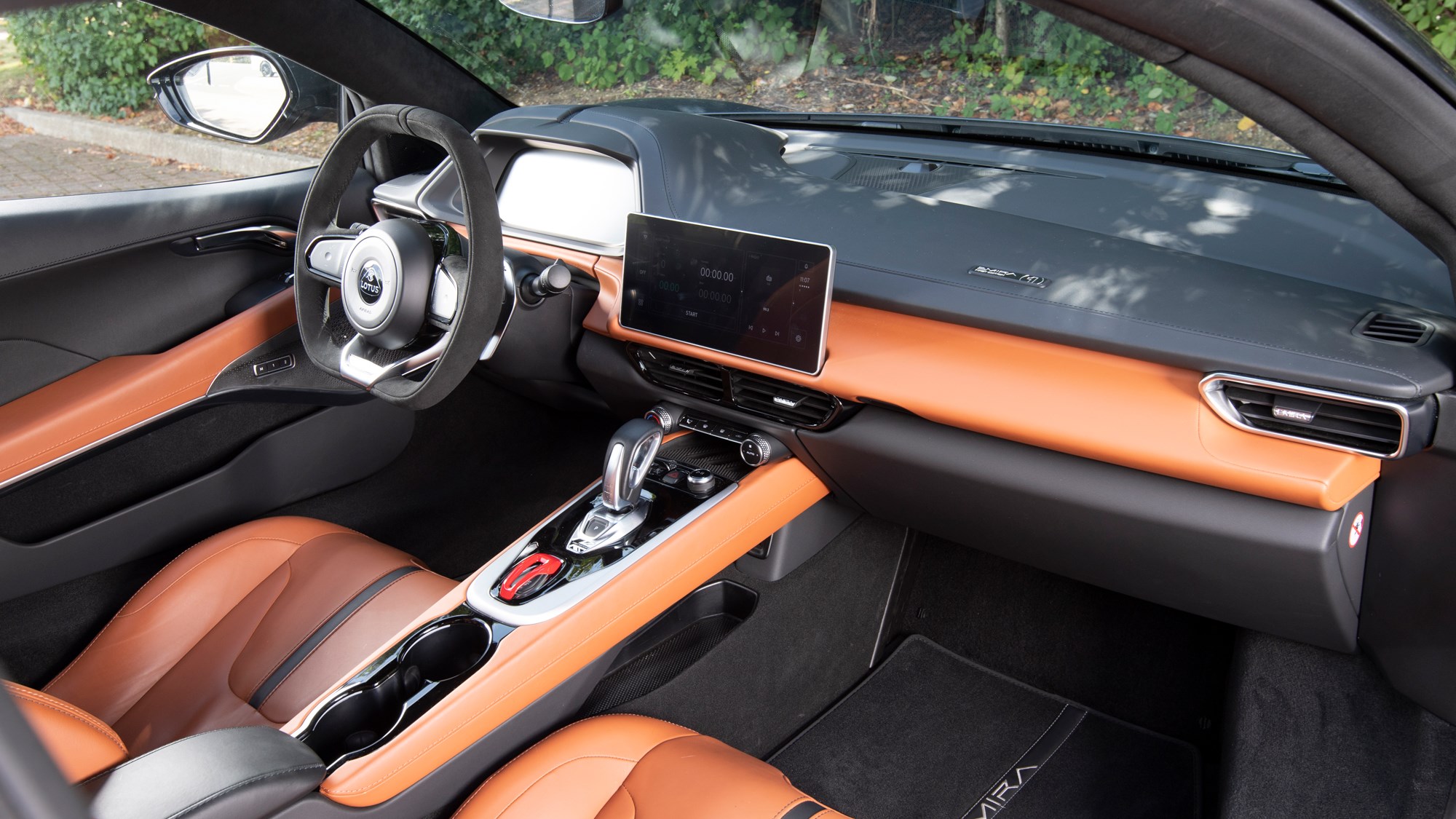
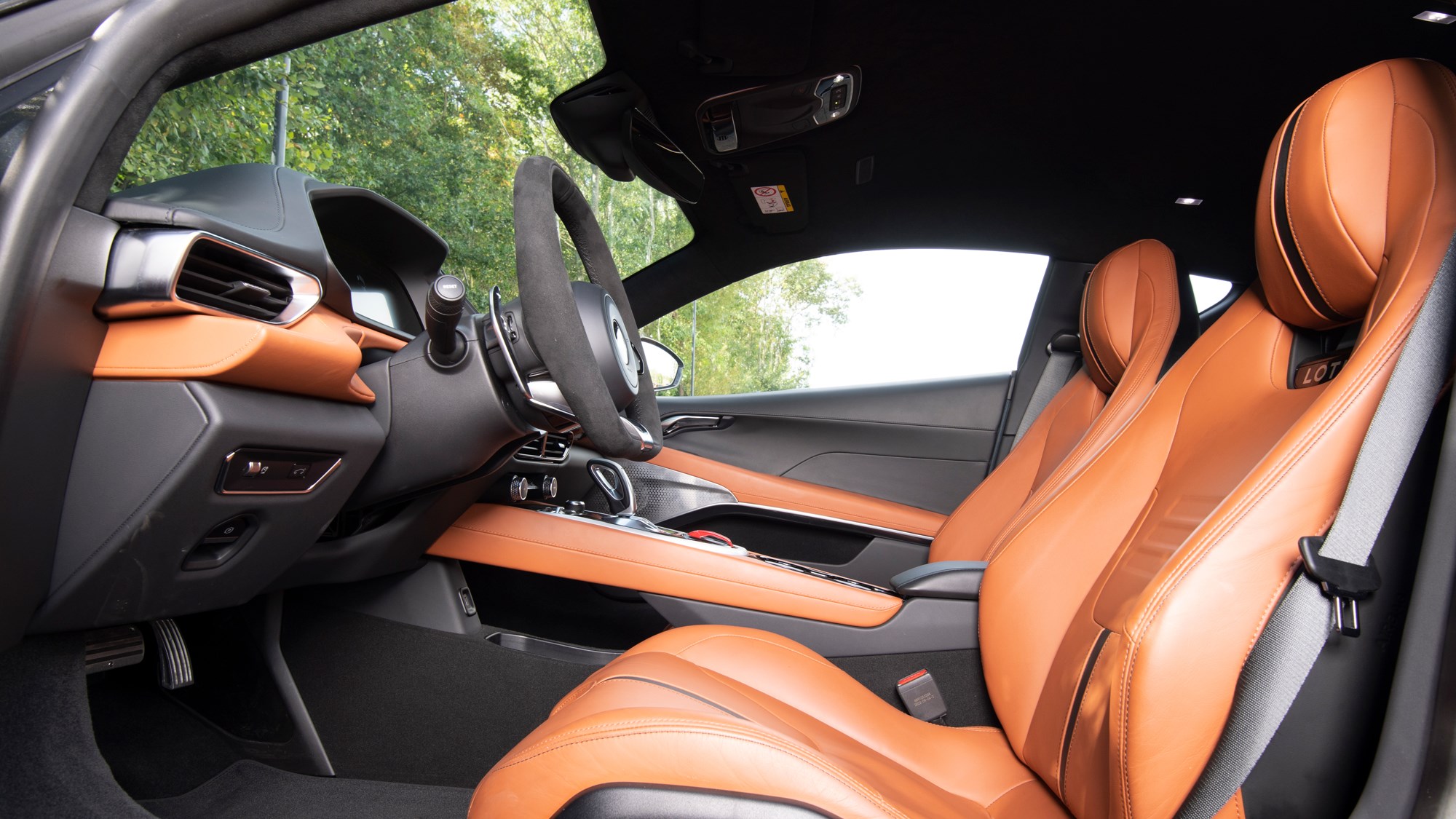
It’s easier to get in and out of the Emira than with previous Lotus sports cars. Its thick sill means it’s not quite as straightforward as ducking into a Cayman or A110, but it’s certainly less demanding than clambering into an Evora. It’s also far easier than an Elise or Exige, which demanded a game of roadside Twister on entry and egress. The trickiest thing for the Emira, if you have long legs, is not putting a footprint on the joint between the dash and the sill as you lift your trailing foot in.
You sit low in the Lotus Emira, although perhaps not quite as low as you’d expect. The seating position is a little too high if you’re tall, which means you can feel perched atop the chassis rather than plugged into it. A surprise for a Lotus.
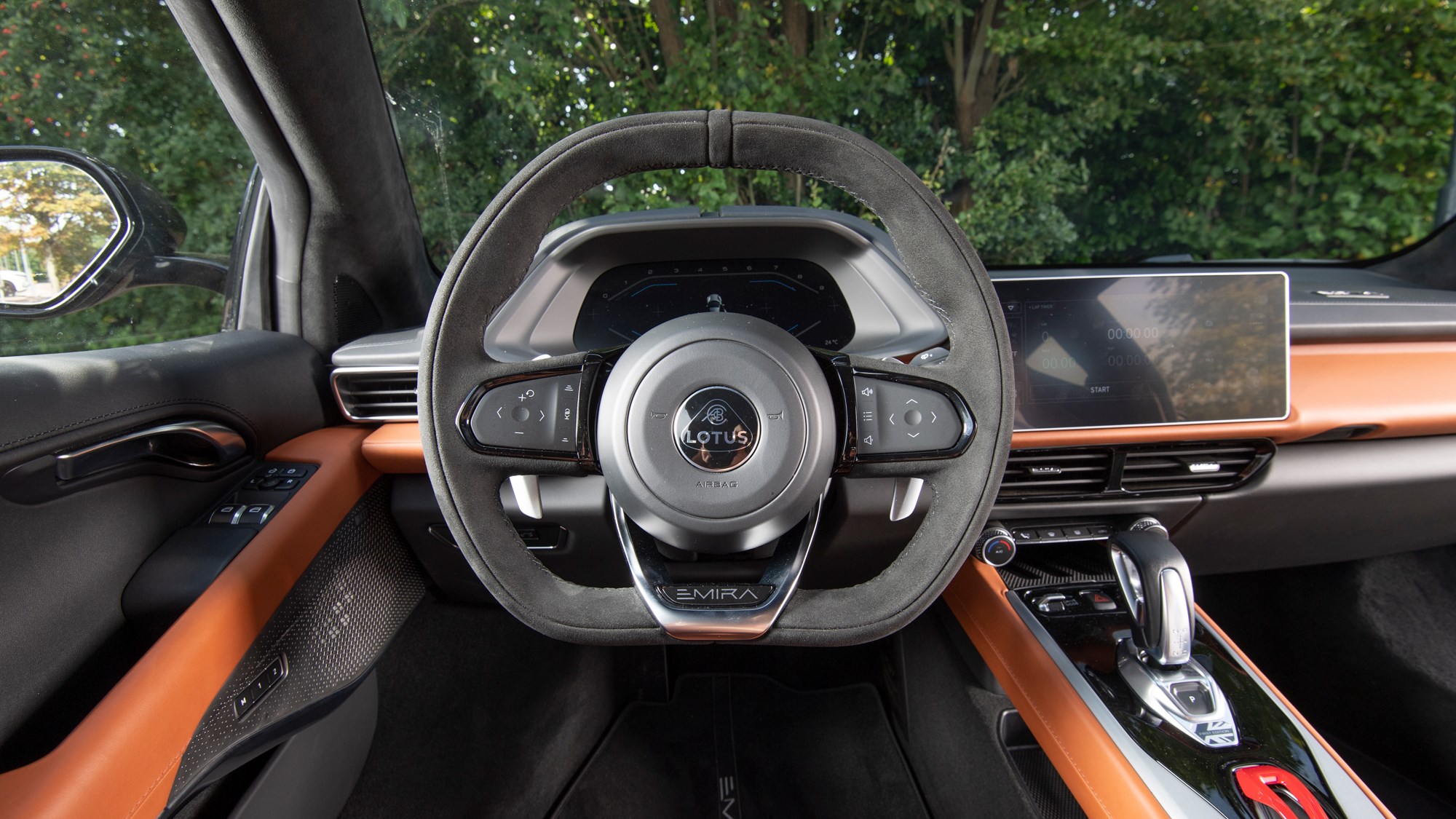
Ahead are two digital screens – one for the instrument panel, which chameleons between displays in the three driving modes (Tour, Sport and Track) and a touchscreen in the centre of the dash. Graphics on both screens are clean, minimal, modern. Very Lotus.
But the software powering the screens is clunky. You need to prod the drive mode switch several times before the car will allow you to switch between settings – and swapping between the navigation and climate control menus on the infotainment screen is agonisingly slow.
Lotus hasn’t squished all the Emira’s controls onto the touchscreen, though. The functions are split between proper buttons and touch controls – and, praise be, Hethel’s engineers fitted proper air-con and audio dials, which means you can operate them without taking your eyes off the road.
Keep digging and you’ll find the Geely influence in the cabin. The automatic gear selector works in the same way as Volvo’s petrol-powered cars, moving right and left to shift gears up and down. The touch-sensitive steering wheel controls have the same layout as Volvo and Polestar’s cars, too. They’re a bit too sensitive for our liking, though – you can activate them accidentally when cornering, which will swap the menus on the digital gauge cluster.
Is it practical? Boot space?
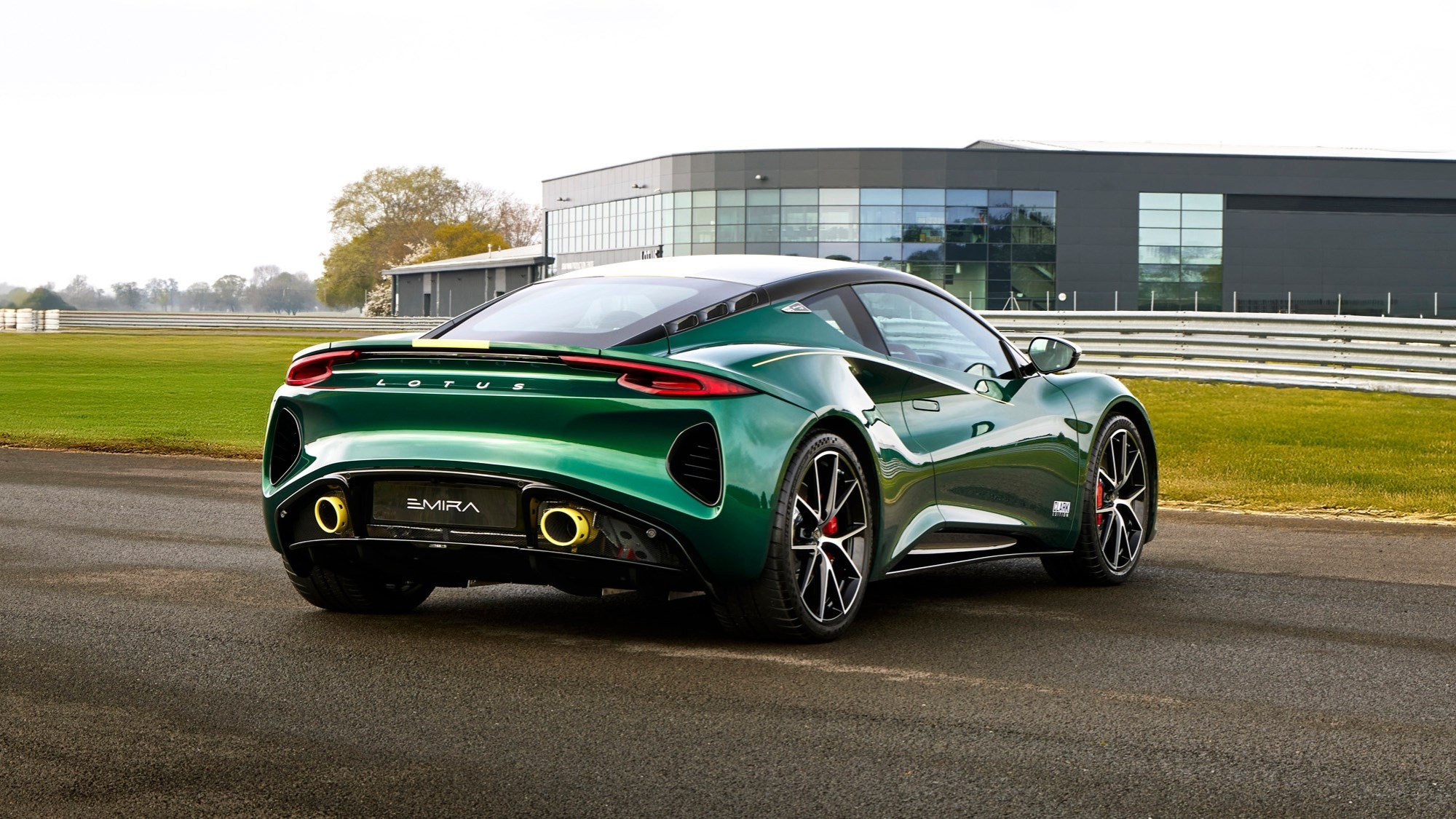
While the Emira doesn’t get a front boot, and to be honest, the actual boot is pretty shallow and liable to cook anything you put in it (the engine’s just inches away), there is a surprisingly spacious cabin that’s fitted with some thoughtful storage solutions. There’s a deep storage fissure built into the centre console under the armrest, and there’s space for a smartphone ahead of the gear lever (or you can drop it into the dog bone-shaped cupholders).
Plus, because the Emira only has two seats, there’s a handy storage shelf behind the rear seats. If you’re wondering, the cab-forward design together with aero, cooling and crash structure demands ahead of the driver are the reason there’s no front boot. So it’s forgivable.
It’s all very grown-up. It’s less striking than the all-aluminium environs of an Elise – less of a sports-car cockpit, more of a coupe cabin – but that’s not a problem. If it’s a touch less evocative than an Elise, it’s about 500 per cent more practical and we’d much rather face a long journey in an Emira than an Evora.
Quality is generally pretty good. The upholstery and trim feels very expensive, although some of switchgear is a little cheap. The little red plastic cover over the start button is flimsy, for example, and the paddle shifters on automatic cars are too lightweight. We wish they had the same weight and satisfying shift action as the Alfa Romeo Giulia’s glorious metal paddles, but instead, they feel like an afterthought. In summary, it’s less plasticky inside than an Alpine A110, but not quite up to that cliched bank-vault standard of the Porsche Cayman.
Before you buy
The Emira Turbo starts at £79,500, but if you’ve been paying attention, you’ll no doubt be wanting to know how much you’d need to bag yourself a V6. Best sit down. It’s a whole Dacia Spring and a bit more at £96,500, making the Emira you want a full twenty grand (yes, £20k!) pricier than a Cayman GTS 4.0. The entry-level Turbo, by the way, is over £20k more than an Alpine A110. And thanks to all that boost, it’s no more fuel efficient than the V6, averaging 25mpg combined. So it’s expensive all round.
But for those who aren’t counting pennies, or for those willing to fork out more to access the most engaging sports car experience in this class, without going to full speed-hump-hating Cayman GT4 levels, the Emira is where it’s at. Just consider how much of a giant leap forward the Emira is for Lotus in so many areas – the interior and styling in particular.
No, it isn’t as practical as a Cayman or as instantly thrashable as an A110, and it’s ruddy pricey, but the gap has been closed to an enormous extent. So long as you go for either of the V6 manuals and bypass the considerably less engaging Turbos, you can overlook things like sluggish infotainment and lack of front boot because the car is so thrilling. What you get in exchange for the V6’s minor compromises is a machine that doesn’t so much seem like a competitor in the regular mid-engined sports car category, as it does a supercar that’s slumming it.
See the new Lotus in action in our video at the top of this page.
Verdict
While a lacklustre automatic hinders the Emira Turbo models, the tuneful 3.5-litre of the V6 manual unlocks the car’s full potential. Would I take it over a Cayman GTS 4.0? The Porsche is sublime but on looks alone, I’d choose the Emira V6. But if my budget couldn’t stretch to that, there’s no way I’m choosing the AMG car over a Stuttgart flat-six that costs the same. Or, to be honest, the A110, that’s £20k cheaper. It’s V6 or nothing.