► F-Type production ended May 2024
► No more V8s from Jaguar. Sadly.
► CAR celebrates this sports car icon
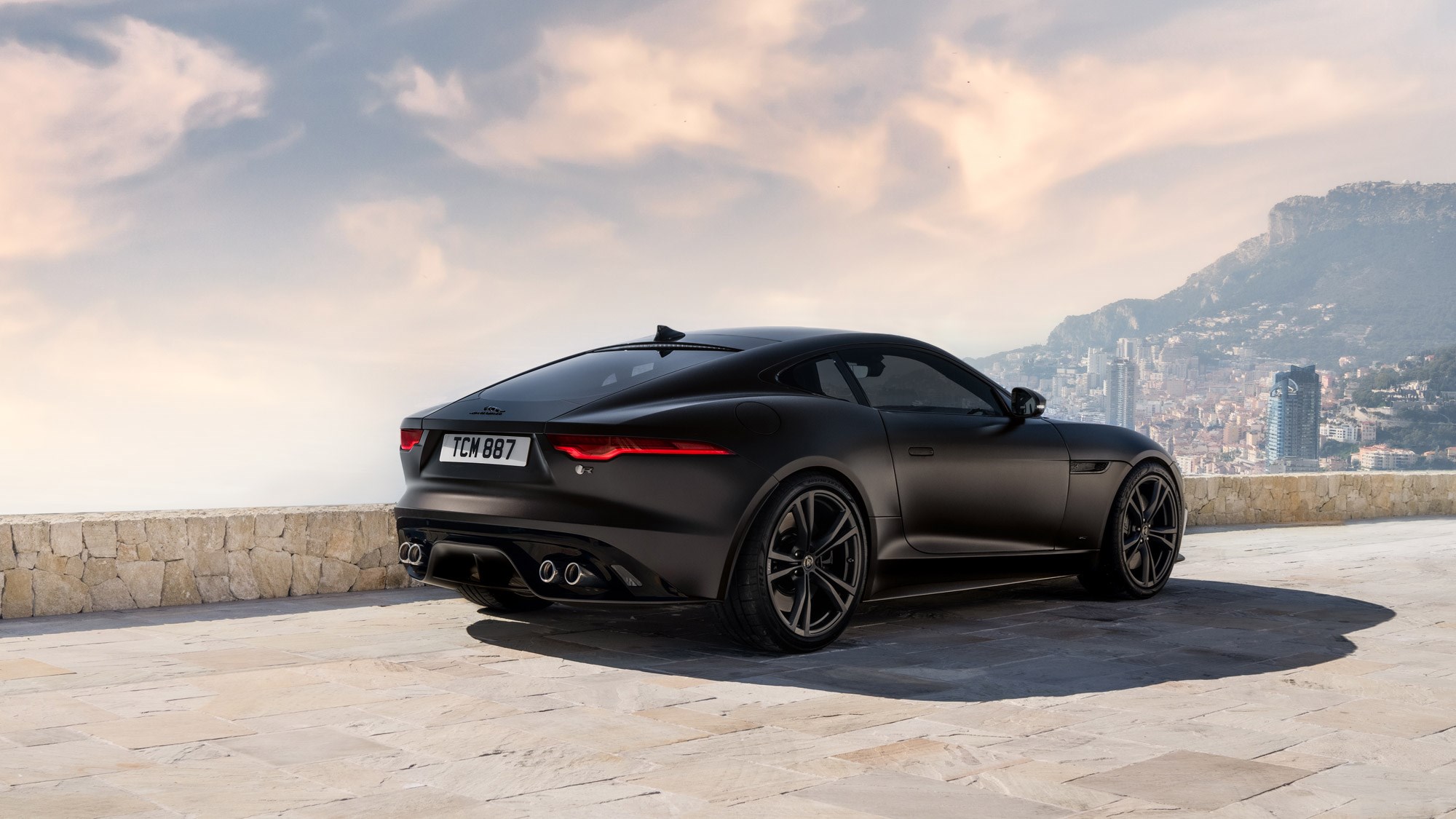
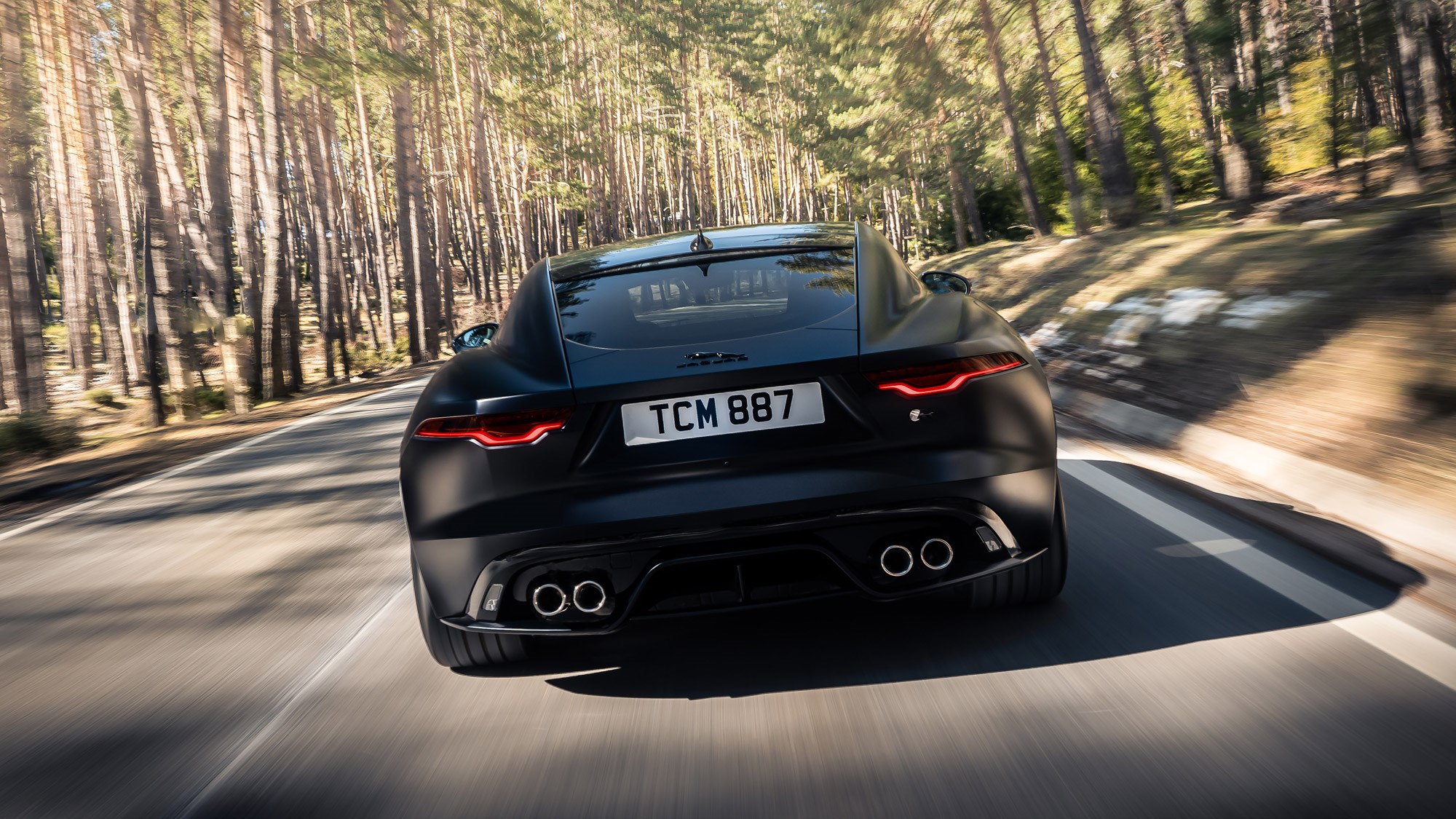
The Jaguar F-Type R 75 marked the end of something special. It was the final flourish of the last Jaguar sports car with a petrol engine – and one of the last of its kind, full stop. In a world of silent EVs and soft-edged design, the R 75 howled with drama and heritage. It’s brutish, beautiful, and deeply satisfying.
The F-Type rebooted the full-on Jaguar sports car line – arguably abandoned with the E-type Series 1 – and as such, was an important step in the Callum-era reboot of the marque. It proved a critical and aesthetitc success, but in retrospect, represents more of a blip in the firm’s history. Be that as it may, we adore the F-Type and mourn its end – a sign that the automotive landscape is shifting permanently.
Should you buy a Jaguar F-Type R 75? Yes, if you can find one. This is already a modern classic. And once they’re gone, they’re gone.
Here’s how we test cars, and why you should trust us.
At a glance
Pros: Glorious V8 engine, muscular styling, still great to drive
Cons: There’ll never be another V8 Jaguar, interior hasn’t aged well, expensive when new
What’s new?
Well, it’s now a used car. And probably already a modern classic. Jaguar is now deep into its reinvention as a pure electric brand, and the F-Type is no longer part of this brave new world. Production ended in May 2024, alongside the XE and XF. Jaguar’s future is high-end, high-tech EVs – starting with a four-door GT in 2025. If this works out, we’ll see a sports car further down the line, but it won’t share the F-Type’s animal character.
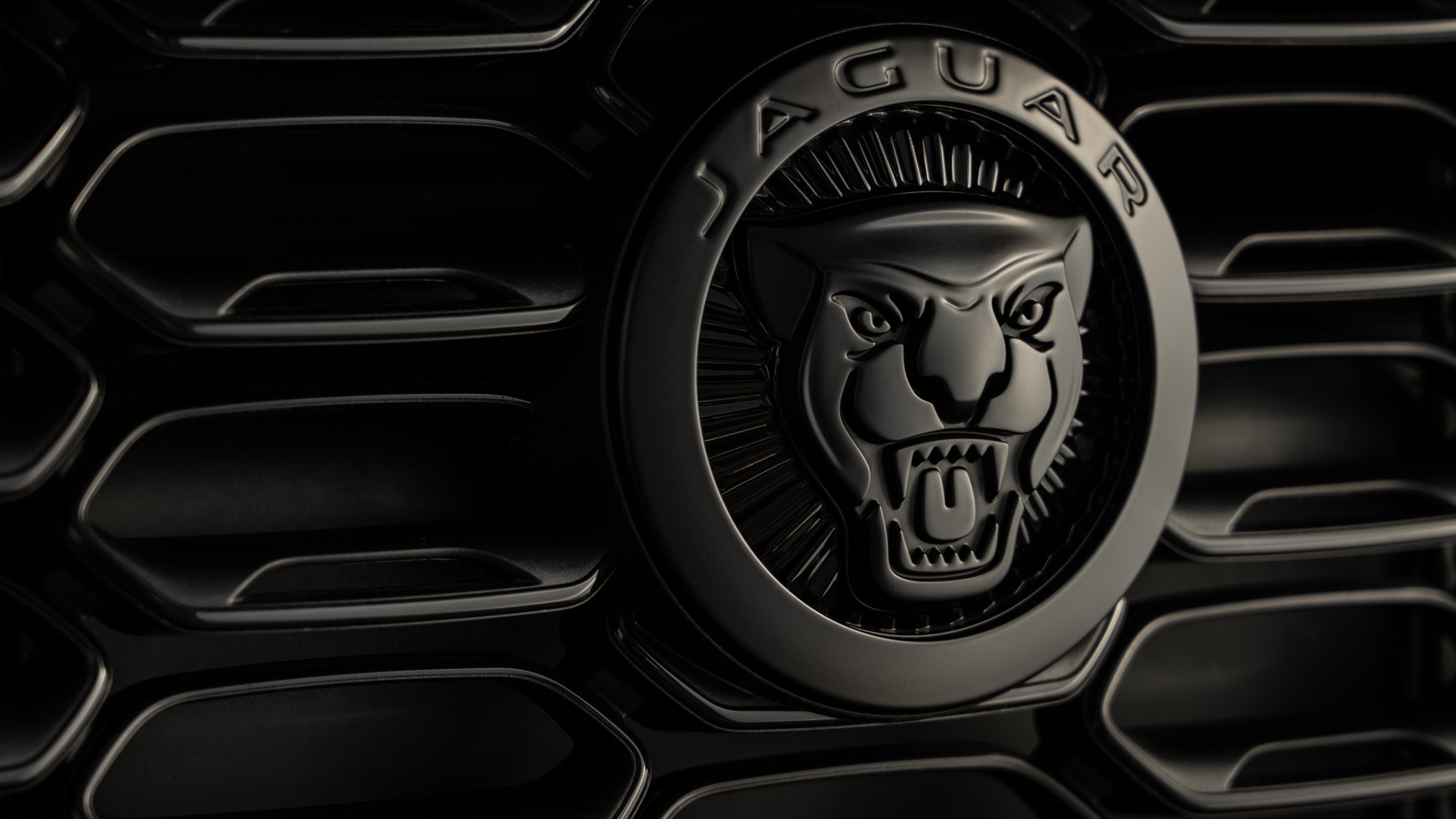
Before it signed off, Jaguar gave the F-Type a proper send-off. The 75 and R 75 editions marked 75 years since the XK120 launched in 1948. There were no mechanical changes, but the styling tweaks – blacked-out badges, 20-inch wheels, full leather trim – gave it the gravitas it deserved. It’s likely that in time, these will be the sought-after run-out models that fans will want to own.
What are the specs?
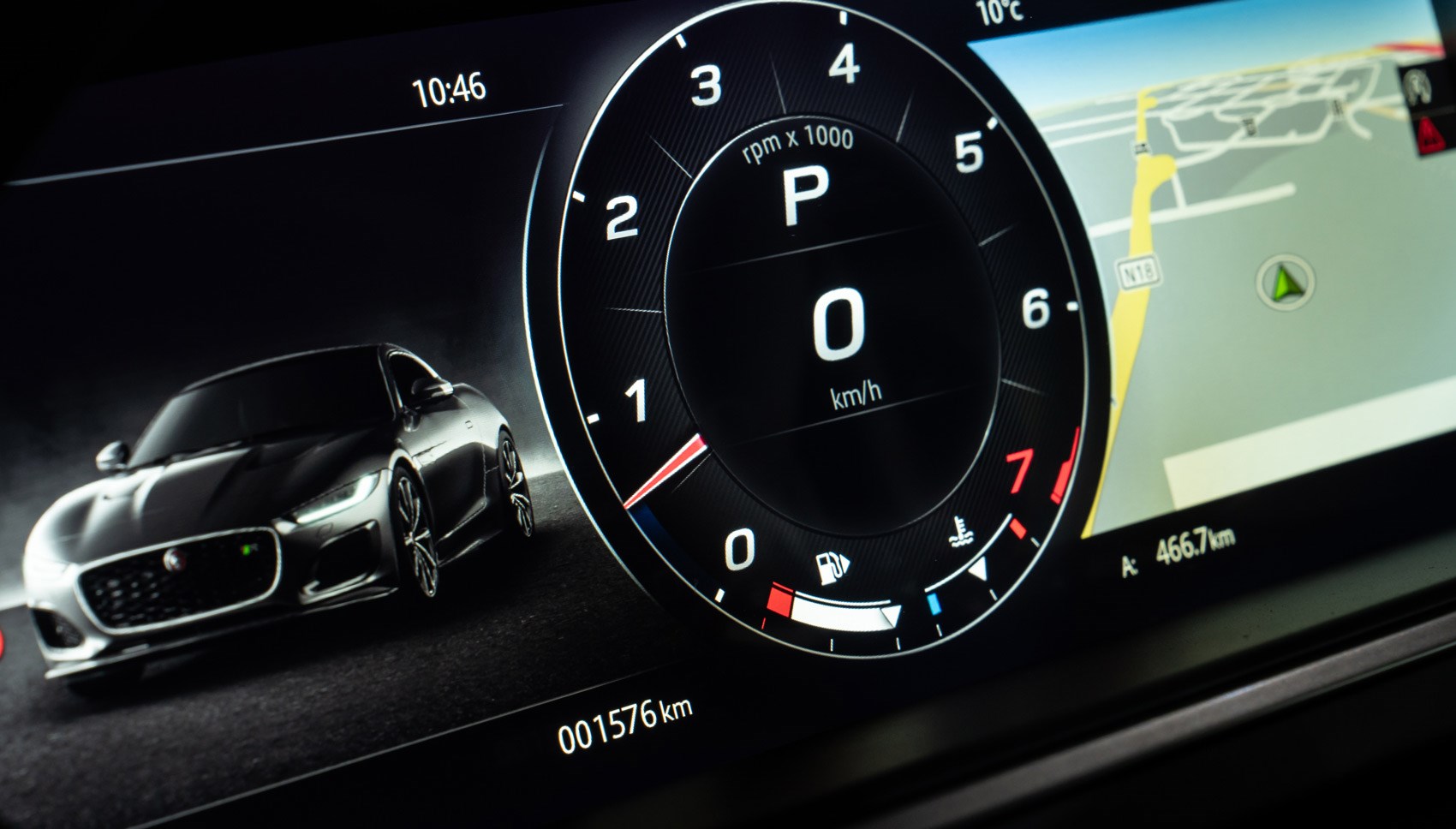
This was very much a celebration of the V8. While Jaguar still offered the four-cylinder F-Type right up to the end, the R 75 is all about the 5.0-litre supercharged petrol engine. It produces 567hp and 700Nm, powering all four wheels via an eight-speed ZF auto.
It’ll do 0–62mph in 3.5 seconds and top out at 186mph. That’s proper supercar-bothering pace. Jaguar claimed 27mpg and 239g/km CO2, and we managed over 30mpg on a steady run – remarkable for a car with this much power and zero hybrid help. But it’s unlikely you’ll get near that on a weekend blast in 2050, on a tank of costly E-fuel.
It’s also packed with kit: fixed spoiler, extended leather interior, uprated Meridian sound system, adaptive suspension and more. The ultra-rare ZP Edition sits above it in exclusivity terms, but the R 75 is the one most collectors and drivers will seek out.
How does it drive?
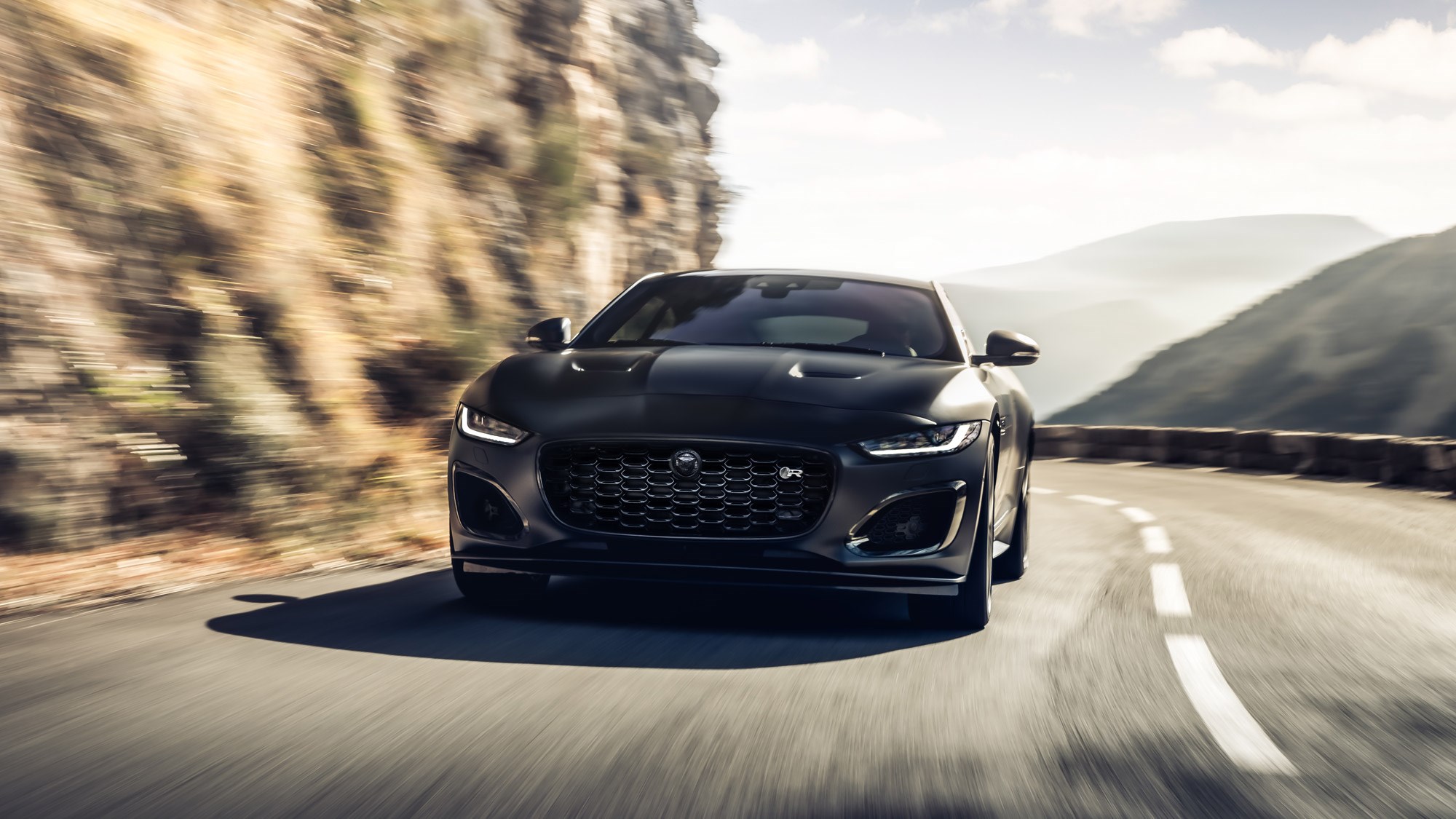
The R and its V8 is much, much heavier than the four-cylinder, and as a result it received a raft of specific chassis changes to maintain the lighter car’s impressive body control – new springs and anti-roll bars were deployed to handle that extra bulk – and the set-up performed a remarkable job.
The F-Type R is almost Quattro-like in its ability to dispatch distance at speed in all weathers, with its rear-biased four-wheel-drive system enabling fun to be had whatever the conditions. Performance is brutish but manageable, and the sound of the V8 mixed with the performance exhaust system is intoxicating – if not quite as in your face as models from years gone by, when regulations weren’t quite so tight.
Jaguar has even stored the car’s engine noise with the British Library for ‘future generations to enjoy’. Yes, really. What will youngsters in 2050 make of that? We can’t wait to find out.
Everything about the F-Type has a reassuring heft to it, from the steering to the switchgear to the firmer ride setup – though never uncomfortable. It’s still a near-perfect sports car–GT blend, and the ZF gearbox is typically responsive. In a nutshell, this remains a sublime car to drive.
What about the interior?
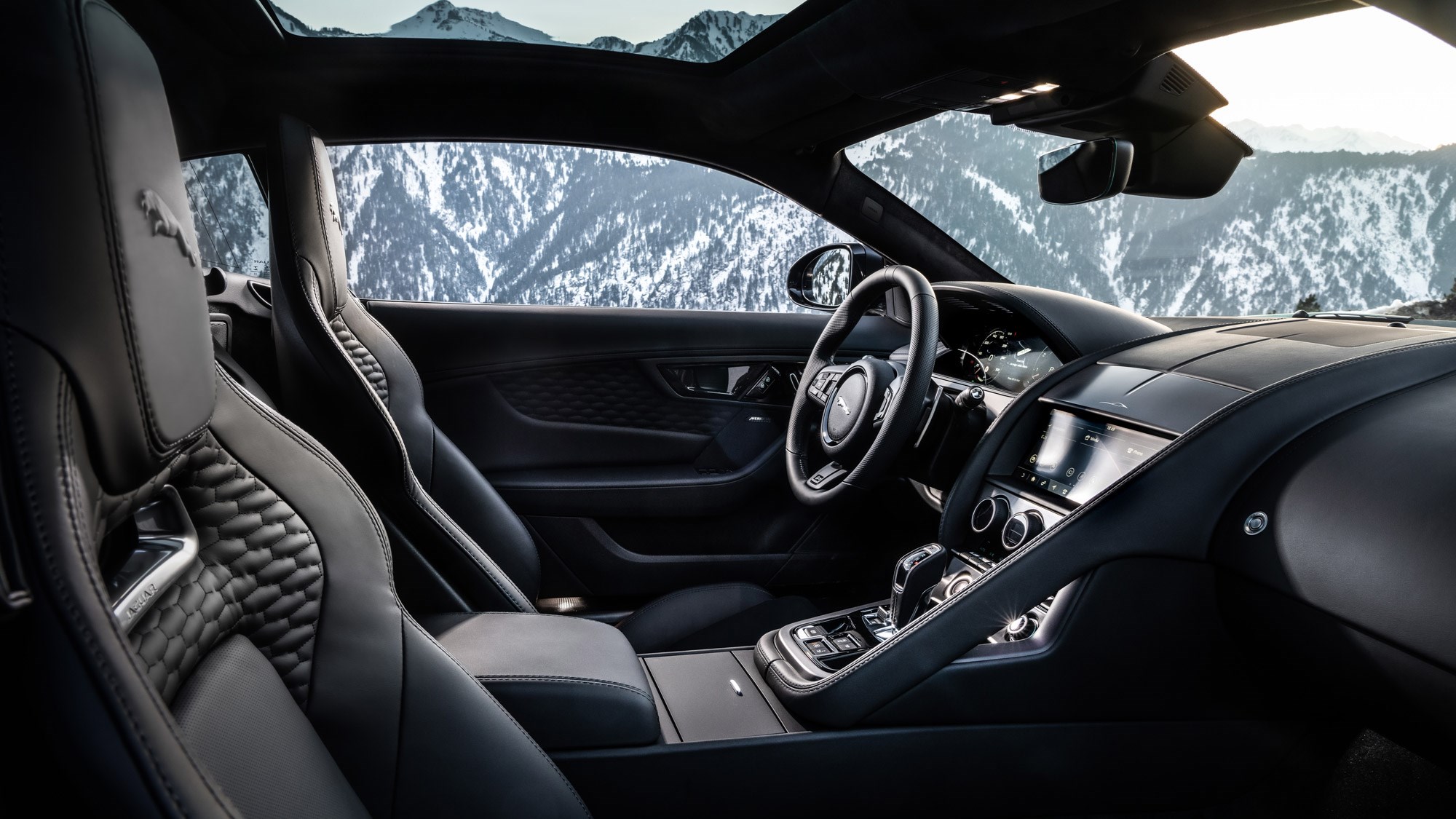
Here’s the rub. The F-Type’s interior lacks the drama of the exterior, and it’ll date the car far more quickly than any other aspect of it. The 10.0-inch touchscreen looks and feels old, and Jaguar never updated it to the slicker Pivi Pro system seen in newer models. That’s a shame – and a missed opportunity. Most owners will likely ditch it.
Still, there’s a certain classic appeal to the analogue setup, which will accentuate its classic appeal. You get proper buttons and dials, clear instruments, and a driving position that feels hunkered down and special. The ‘performance’ seats are snug but comfortable, and the materials used throughout are generally excellent.
Space is tight, as you’d expect, but usable. There’s enough room for two adults and a couple of weekend bags – or even a set of golf clubs if you load carefully. This was never meant to be practical, but it works just fine as a GT.
Before you buy
The F-Type R 75 is no more, but you can still find delivery-mile examples in the classifieds. Most are technically used – registered ahead of the GSR2 safety regulations – but some haven’t turned a wheel in anger yet.
At the end of its run, the F-Type R 75’s list price started at £107,155, while the four-cylinder version began at £67,355. Today, you’ll find well-specced four-cylinders from around £25,000, and R 75s starting at £65,000. Food for thought.
Rivals? The Porsche 911 remains the evergreen benchmark, though it’s considerably more expensive like-for-like. BMW’s M4 is sharper, the Lexus LC500 more luxurious – but none match the Jaguar’s sense of drama or heritage.
Verdict
The F-Type R 75 is already a modern classic. It looks fantastic, sounds incredible, and delivers a driving experience few cars can match. More importantly, it feels like a proper Jaguar – a little flawed, a lot loveable. If you do buy one, please don’t wrap it in cotton wool in the belief you’re in possession in an investment – instead, use it and experience some joy while you can.
For now, this is the end of the road for Jaguar’s petrol sports cars. And if you want a slice of that history, the F-Type R 75 is your best chance, as it was the perfect chef’s kiss for Callum’s design masterpiece. It’s not perfect, and that’s part of the charm. And once you’ve heard that V8 at full chat, you’ll forgive it anything.
(Specs below are for F-Type R 75)