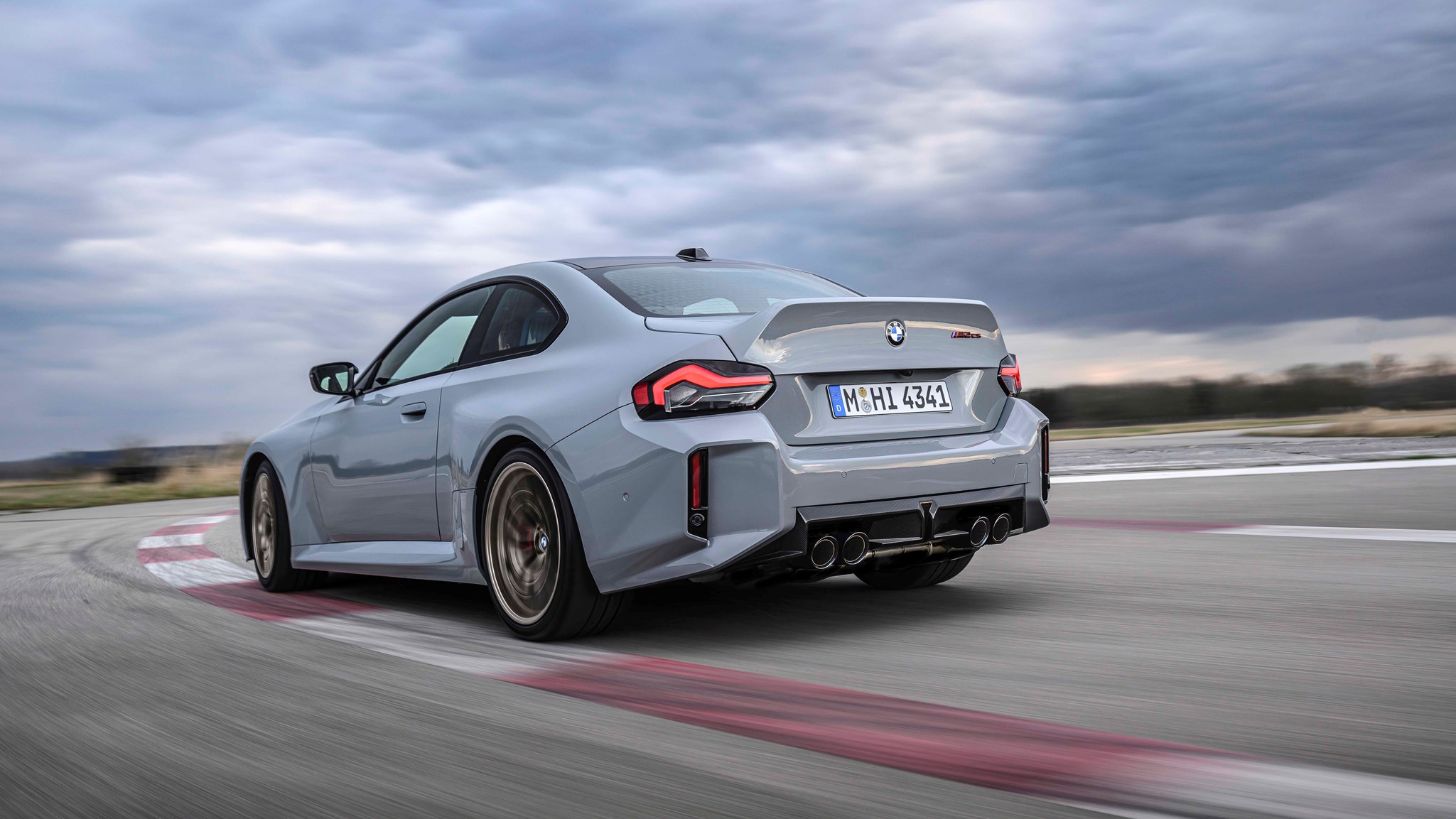
► Hardcore BMW M2 CS driven
► Same power as an M4, 0-62mph in 3.8 secs
► BMW’s wildest M car
BMW’s been on a bit of a roll with its CS badged M cars in recent years. The F90 M5 CS is widely considered to be the greatest M5 of all time while the M3 CS Touring is also up there as one of the most outstanding fast estate cars ever produced. So what next for M division?
Enter the BMW M2 CS. The regular G87 M2 was undoubtedly ripe for more oomph and so BMW has obliged. At 523bhp, power is the same as the M4 Competition and represents an enormous 89bhp leap over the previous M2 CS. Can it put such firepower to good use and create another all-time great of an M-car? Keep reading to find out.
At a glance
Pros: Brilliant rear-wheel drive performance, fabulous agility, genuine usability remains
Cons: Still as wide as an M4 and not much lighter, engine sound falls short
What’s new?
We’ll talk about the engine specs in the next section, but BMW’s M engineers have also been to work on the chassis of the M2. On paper, however, hardware changes are fairly minimal with 8mm lower springs, stiffer engine mounts, forged alloys (275/35 ZR19 front and 285/30 ZR20 rear – unchanged from the regular M2), plus the Driver’s Pack is also included (increasing the top speed to 188mph).
As for the rest of the chassis tweaks, the CS gets a recalibrated throttle map, plus modified adaptive damper, e-diff, stability control and electric power steering settings. Again, on paper, they don’t look like wholesale changes, yet the idea is a subtle but noticeable shift in character in how the car drives.
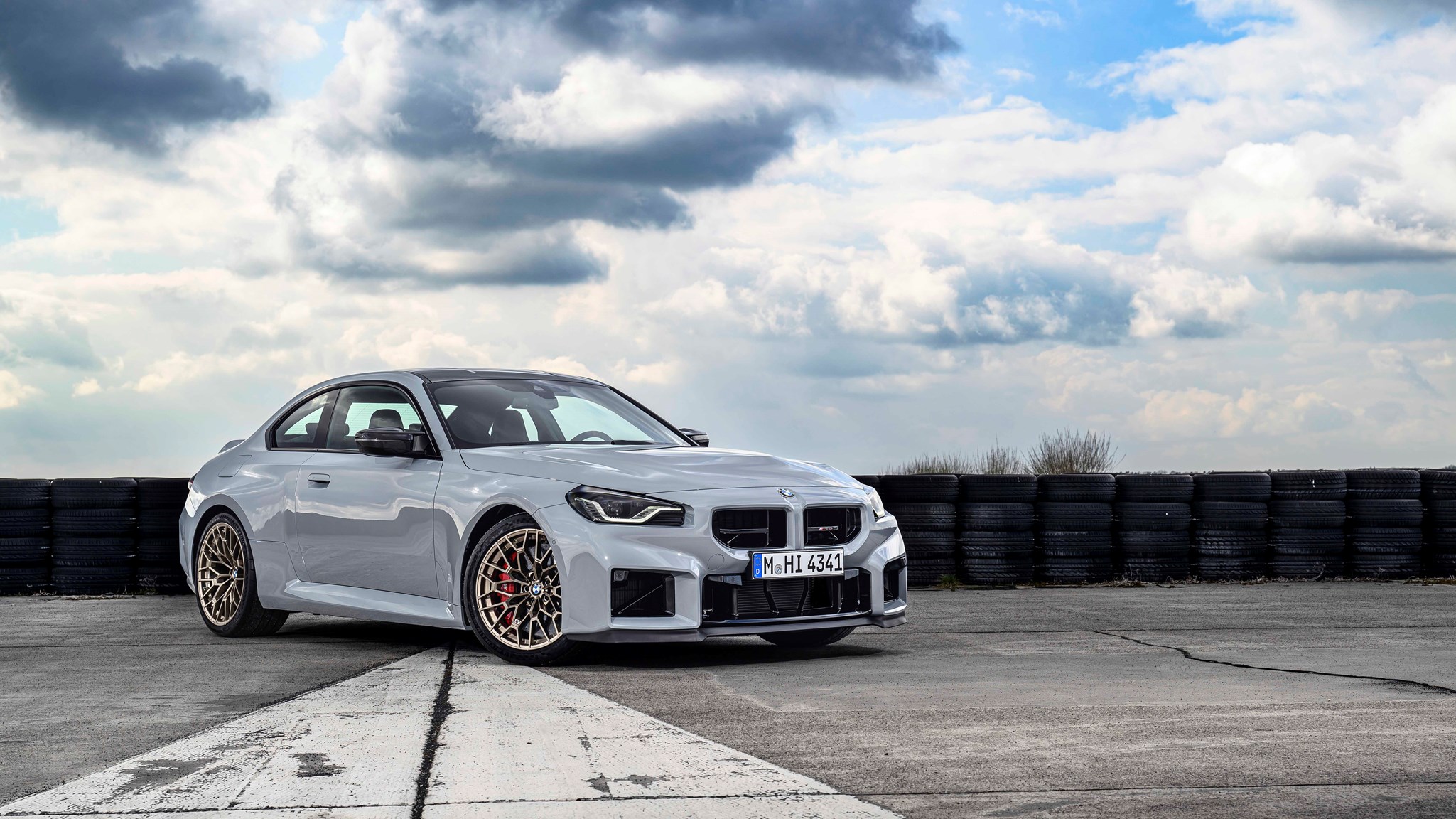
Meanwhile, visual tweaks include lots of carbonfibre (tailgate, roof panel and the duck-tail spoiler all get the treatment), optional carbon ceramic brakes and standard-fit carbon-shelled bucket seats that are optional on the regular M2. In its lightest configuration, the M2 CS comes in at 1700kg representing a 25kg saving.
Inside, the centre console has been entirely constructed from CFRP, while a heated M Alcantara steering wheel is fitted as standard and features a red centre marker. CS lettering decorates the centre console, door sills and panels.
What are the specs?
Total power from the S58 3.0-litre twin-turbocharged straight-six comes in at 523bhp at 6250rpm, with torque measuring 479lb ft at 2750rpm. That means 0-62mph in 3.8 seconds and a limited stop speed of 188mph. An eight-speed Steptronic transmission is standard with no option for a manual ‘box, sadly.
How does it drive?
There’s little doubt that the CS is a different beast to the regular M2, right from the off. At idle, there’s a greater rasp to the exhaust sound and the ride (while palatable) feels fussier and more rigid around bumpy, low-speed roads.
Pick up the pace a little and the CS starts to come together. The ride improves, plus the engine starts to show-off that extra power. It’s borderline ludicrous speed in an M2 and the pull throughout the rev range is formidable. There’s a little lag initially, but it feels like it revs higher and harder than the low 6k peak power suggests.
BMW has fitted an M-specific exhaust system to the CS with a lightweight titanium unit available as an option. We sampled the standard setup and, while it sounds promising at idle, there’s not enough resonating rasp under hard acceleration. If anything, it sounds a little too synthesised.
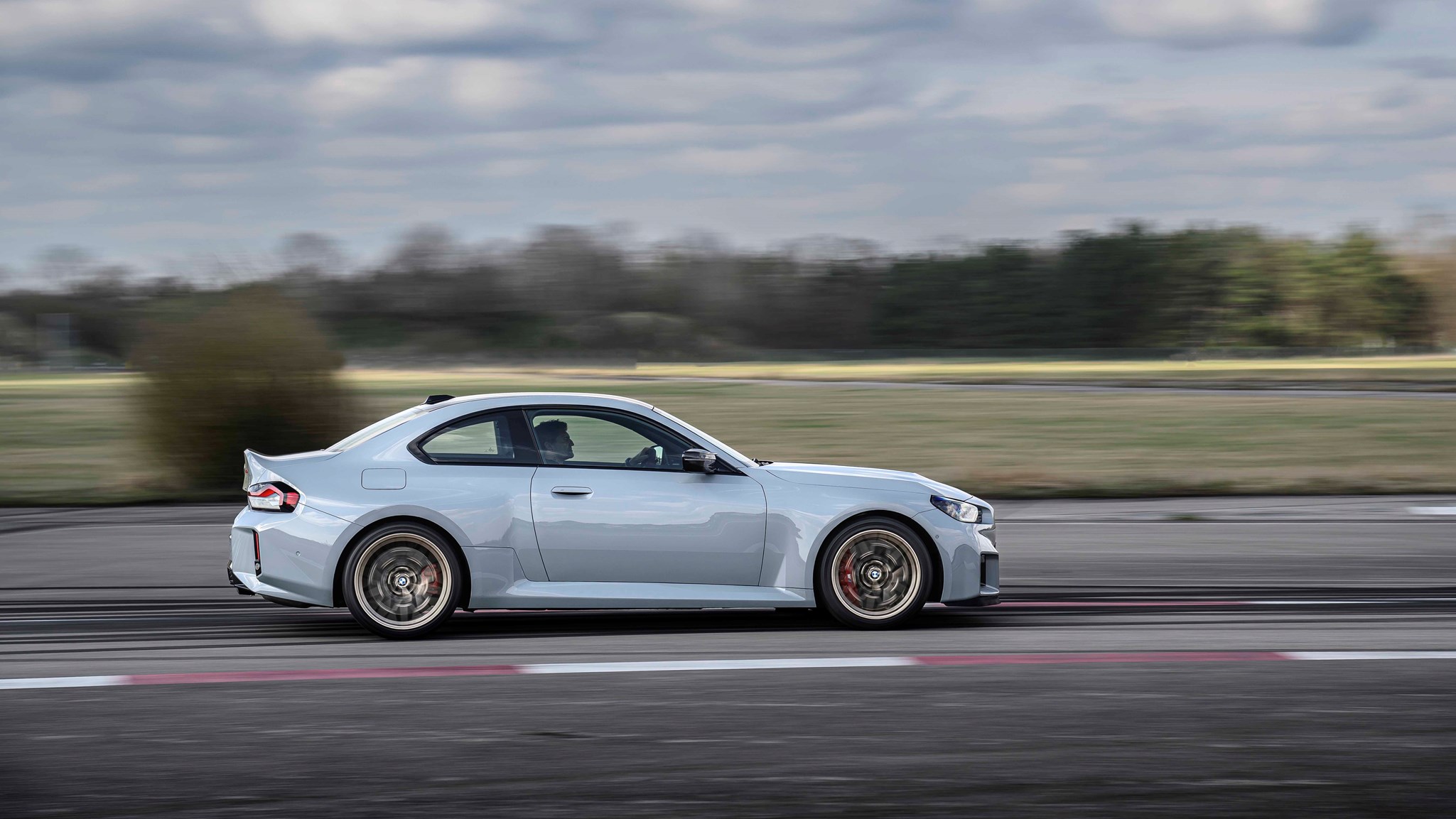
Push the CS into a corner and the initial impressions are a chassis that feels incredibly keen to rotate. The steering – while not blessed with feel – is razor sharp and transmits inputs into the quickest of direction changes. This car is as wide as an M4 but comes in noticeably shorter and that extra compactness is quickly evident.
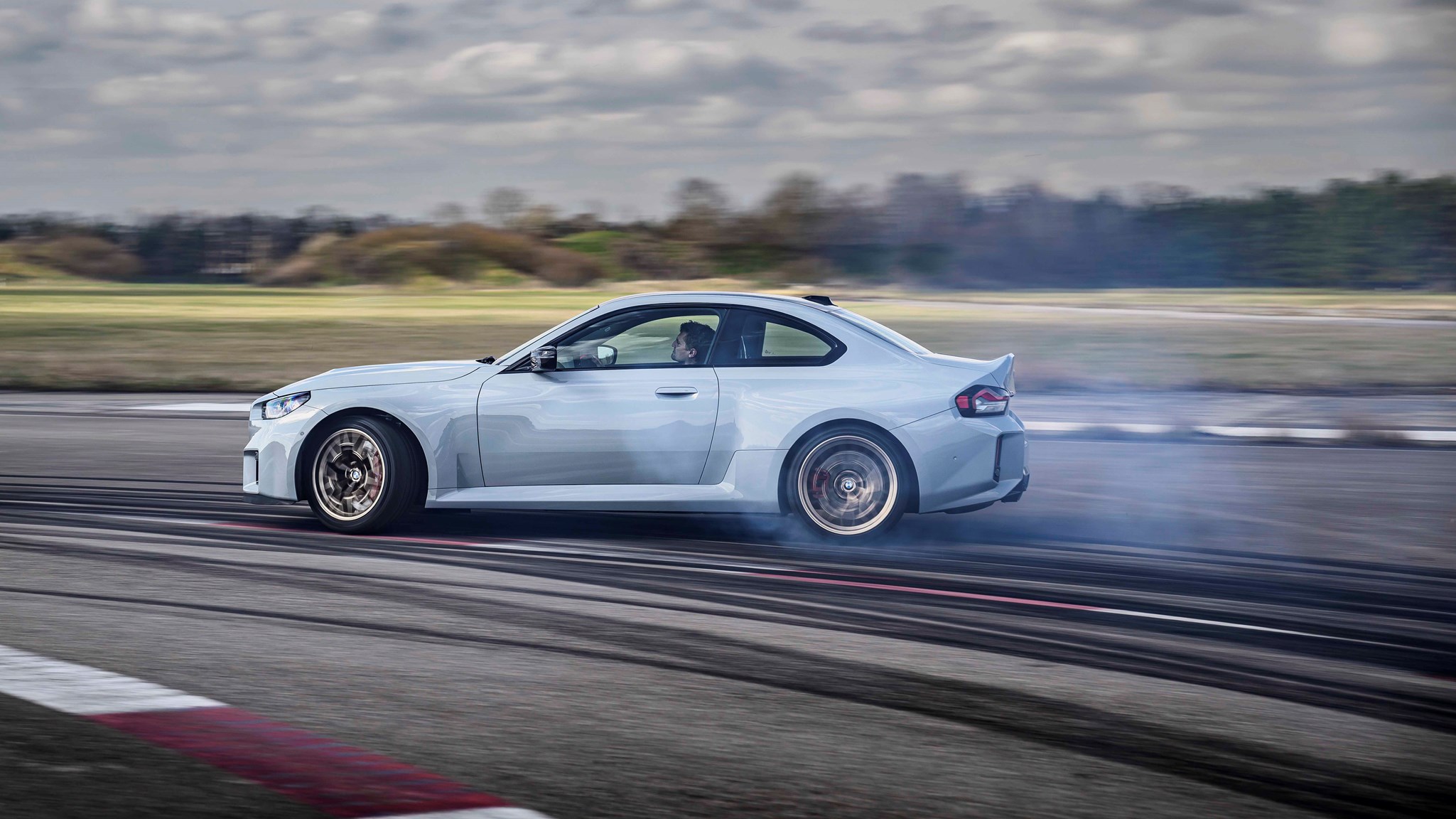
Once adequately heated, the Michelin Pilot Sport 4S tyres deliver huge grip at the front end and given the setup and level of power on offer, cornering angles are largely dictated by your right foot. It’s a reasonably easy car to slide (especially as the CS is RWD only) and the willingness to do so feels mechanical as well as system-led.
Delving through the various M settings gives plenty of option to customise, but you’ll likely want to dial in a damper setting as a priority. Comfort covers most bases, while Sport is suitable for the better paved country roads.
Meanwhile, Sport Plus feels reserved for track use. Initially daunting, the M2 CS certainly gets under your skin the more you drive it. In places, it feels exaggerated, maybe a little OTT, but as you get used to its frantic ways the sparkle of the chassis begins to show through. It’s just a shame that it doesn’t come in any narrower than an M4 which – being the baby M-car – doesn’t feel like an unreasonable desire.
What about the interior?
The M2 CS’ cabin is largely the same as the regular M2’s – which is no bad thing. Heavily based around the M3 and M4, it’s bang up to date with a large 14.9-inch central touchscreen running BMW Operating System 8.5 and a 12.3-inch digital dash in front of you.
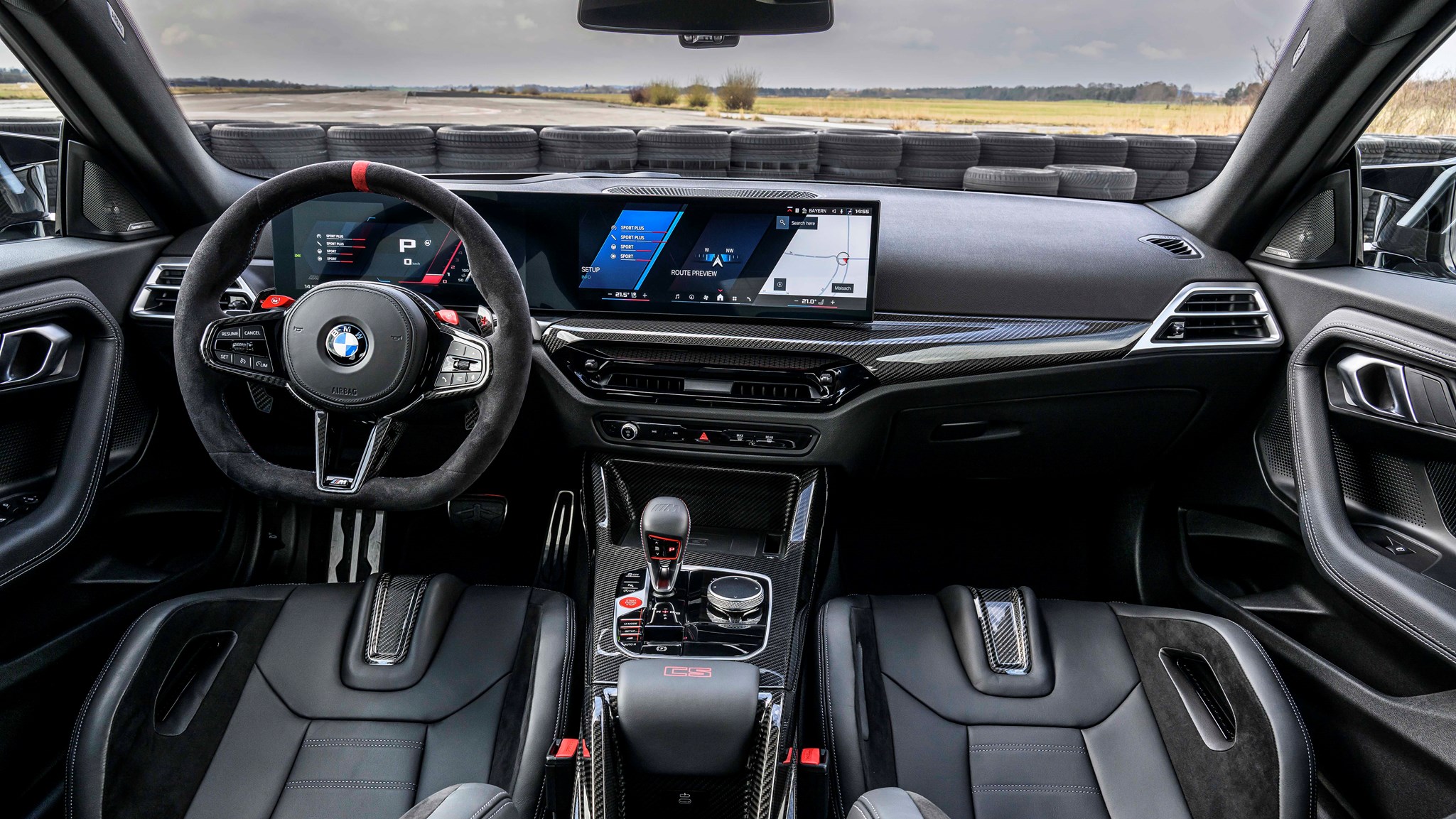
The carbon bucket seats won’t be for everyone, but those of a slim to medium build will likely feel nicely held in place and not uncomfortable on long journeys. One major annoyance, however, is the lack of central cupholders owing to the CFRP centre console. Always the first to be jettisoned, the humble cupholder is a major usability win for everyday driving.
Before you buy (trims and rivals)
Standard equipment on the top-of-the-range M2 CS is generous and partly explains the car’s not insignificant 1.7-tonne kerbweight. Three-zone climate control, comfort access, Harman Kardon Surround Sound, a head-up display and a suite of active safety aids all feature and mean that – despite its track roots – the CS remains useable for day-to-day road driving.
Rivals aren’t exactly numerous, however the main alternative is the excellent Porsche Cayman GTS. It’s not a new car, nor is it anywhere near as powerful as the M2 CS, but its fabulous lightweight chassis and naturally aspirated engine remain hugely desirable. And, with a starting price of £75,300 it noticeably undercuts the M2 CS positioned at just over £92k.
Verdict
The M2 CS fulfils its brief as the maddest and most exciting M2 ever created by BMW. It’s crazily quick, hilariously happy to rotate and yet still retains a genuine layer of usability that means it shouldn’t become merely a track-day special.
It doesn’t quite have the polish to reach the heights of the finest modern-day CS creations – and it arguably should be further away from the M4 in terms of weight and size – but under the skin is a proper M performance car blessed with a tantalising whiff of the old school in its character.