► Distinctive design
► Tardis interior
► Zingy performance
Forget the Ioniq 5 N, the Inster EV you see here might be the most exciting electric car Hyundai makes. High-performance electric cars are everywhere, but sensible ones with a feasible range and an asking price south of £30,000 are not. Ask any prospective EV buyers what’s holding them back from the switch to ICE and invariably the first answer will be price. And they’d be right.
Starting at £23,495 for the 42kWh 01 model and costing £26,755 for the 02 49kWh model tested, the Inster feels like an understated but significant moment for EVs. It’s cheap, promises practicality and won’t destroy your wallet. But is it any good on UK roads? To find out, we drove it around Bournemouth on a mixture of fast and urban roads. Keep reading for our full UK verdict.
At a glance
Pros: Attractive price, bold design, incredibly spacious interior, decent range
Cons: Interior could feel more modern,
What’s new?
Somewhat confusingly, it’s badged as a Casper in Korea, where the Casper has been around since 2021 with petrol power. Built at Hyundai’s Gwangju plant, Casper is one of Korea’s Gyeongcha ‘light cars’ with a length and width less than 3600mm and 1600mm that qualifies it for tax incentives and attractive parking rates.
The Inster sits on Hyundai’s K1 platform, as opposed to the bespoke E-GMP Electric Global Modular Platform electric that underpins its IONIQ cars. The UK-bound Inster is electric only and is longer with an extended wheelbase to benefit rear passengers.
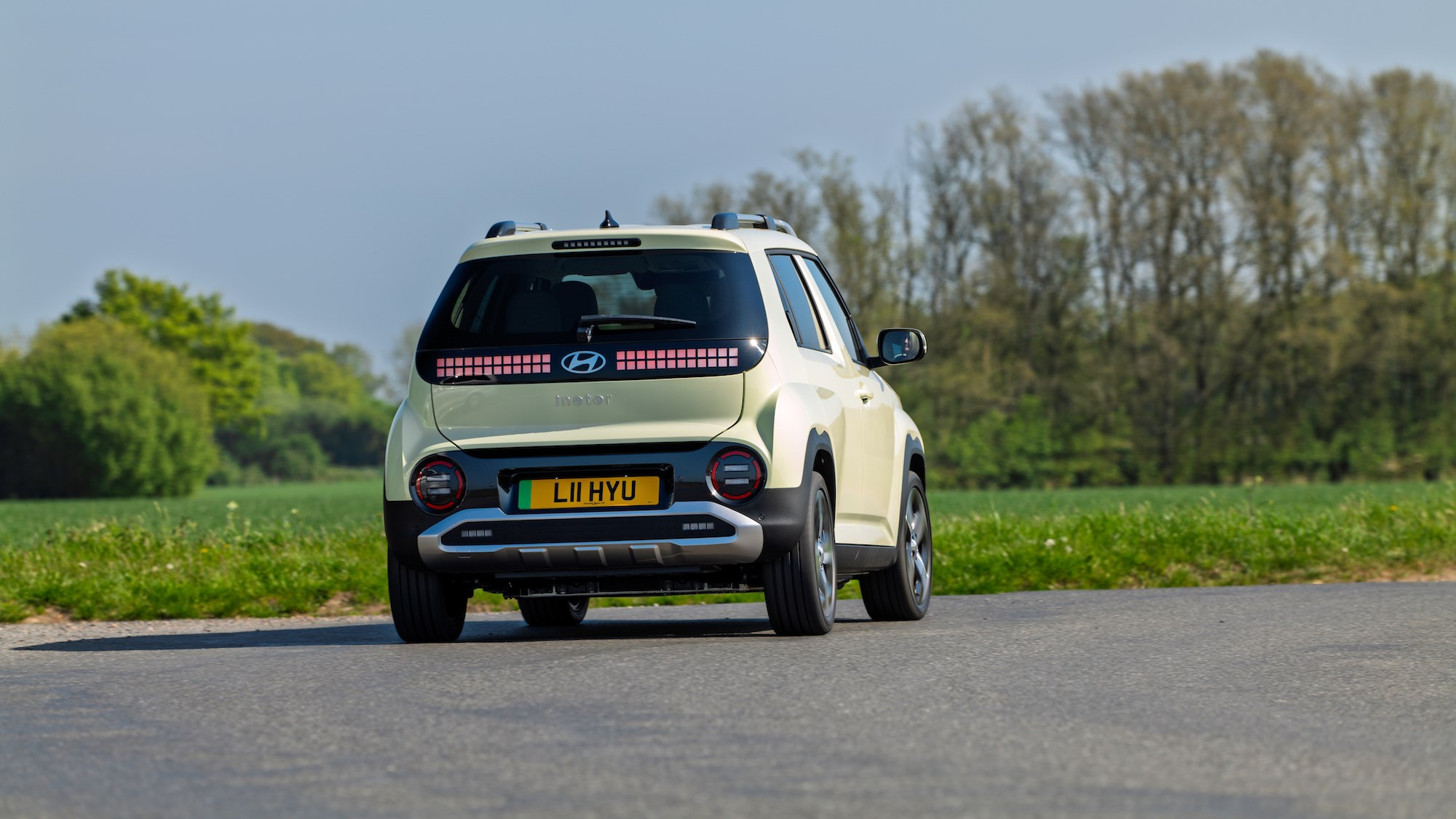
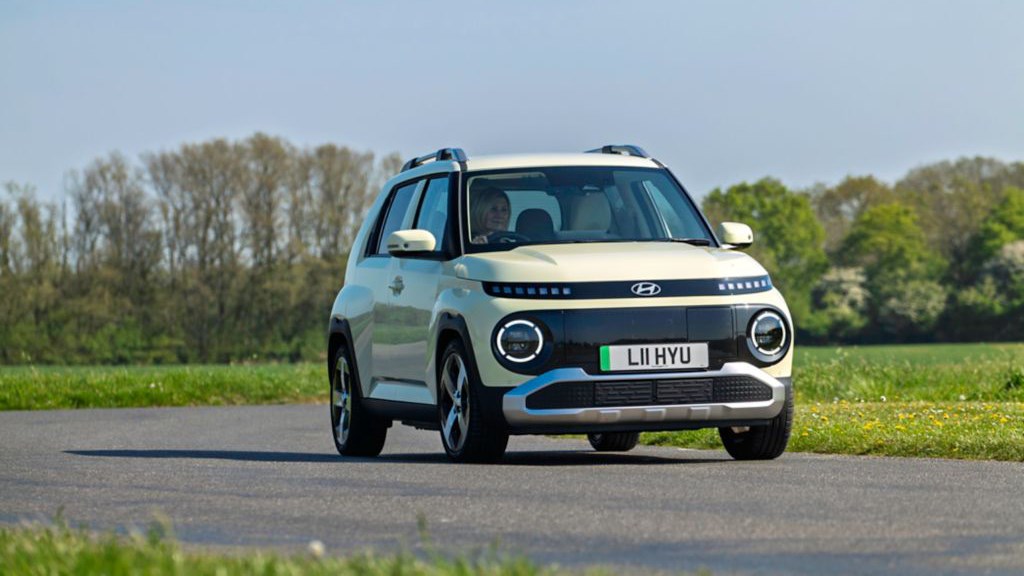
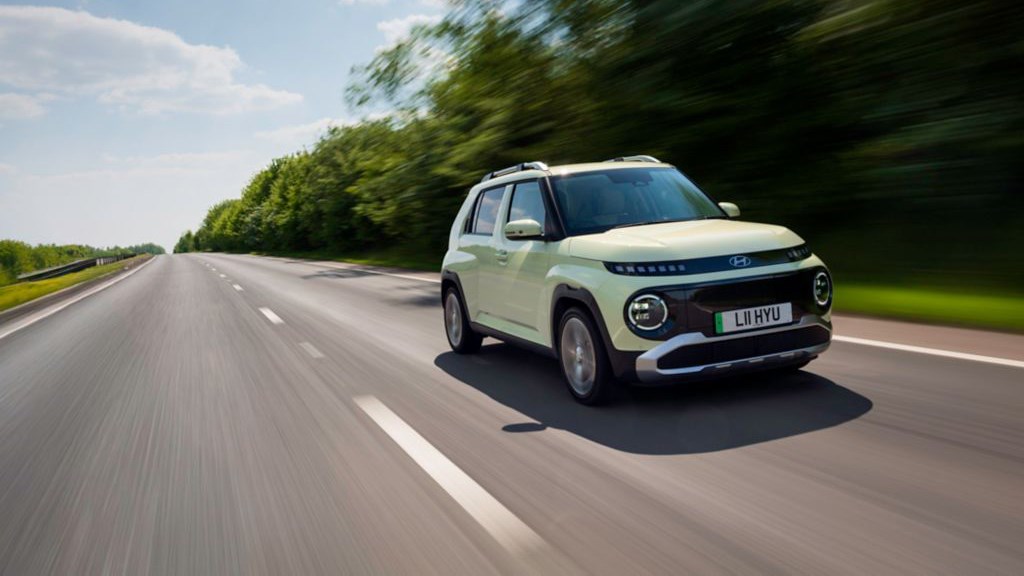
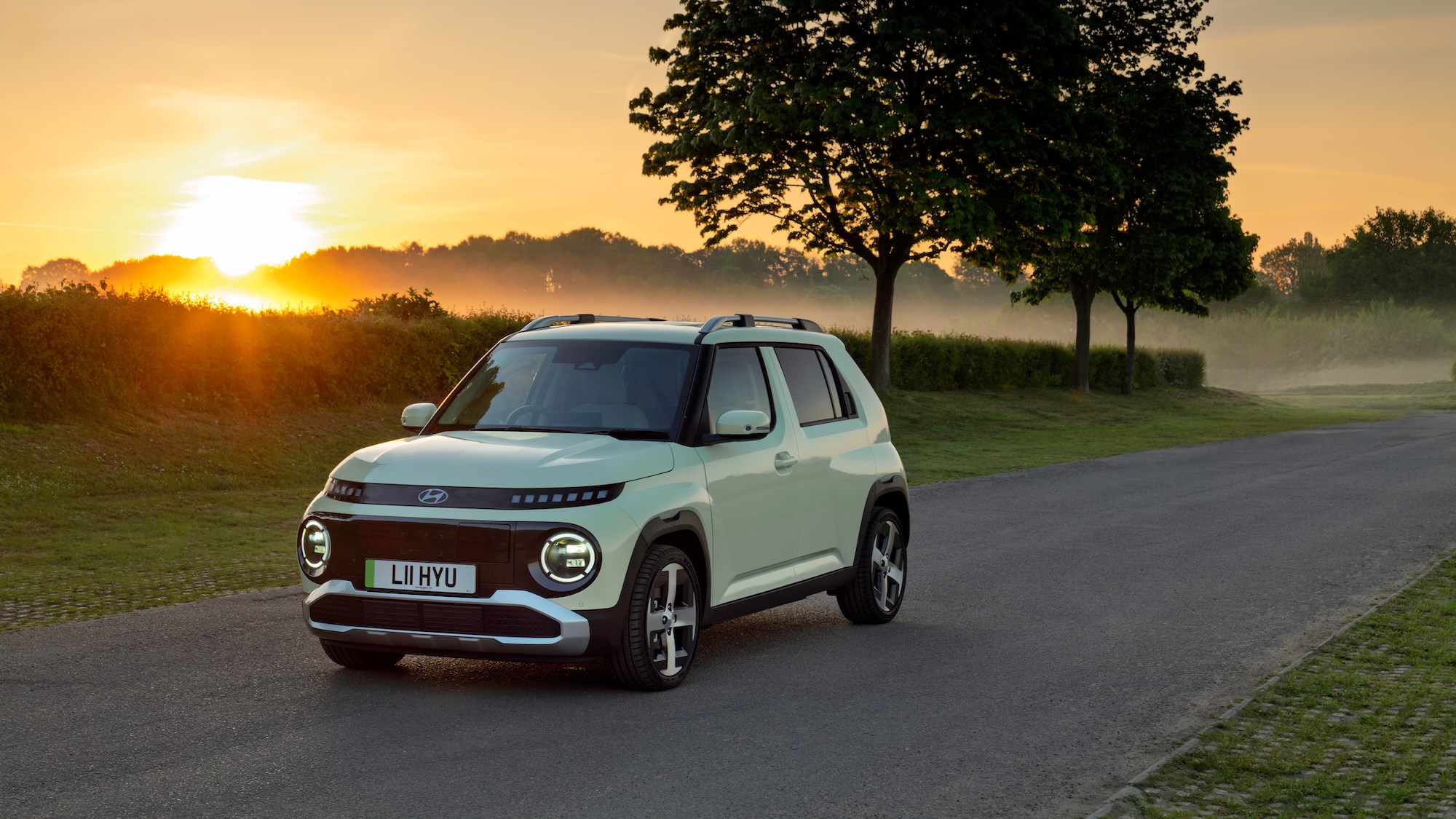
Its practical proportions translate to something incredibly undynamic-looking on the road – but the Inster knows its role well. It sticks out with flared plastic-clad wheel arches, a clamshell bonnet, roof bars and huge rear lights that looks like a jumping spider’s eyes.
It’s tall, friendly and compact – more of a Wall-E to the DeLorean of the Ioniq 5 for example. It’s bold; but what do you expect from a company that’s on a serious design roll with the new IONIQ 5 and 6, Santa Fe and Kona.
What are the specs?
Prices have creeped up since it was first announced, so the Inster won’t launch at the estimated £22,500 price point but will cost a smidge over that at £23,495. That will be for the entry-level model with a 42kWh battery powering a single electric engine that dishes up 95bhp and 108lb ft for a 0-62mph dash in 11.7 seconds and an 87mph top speed. Range comes in at 186 miles according to WLTP.
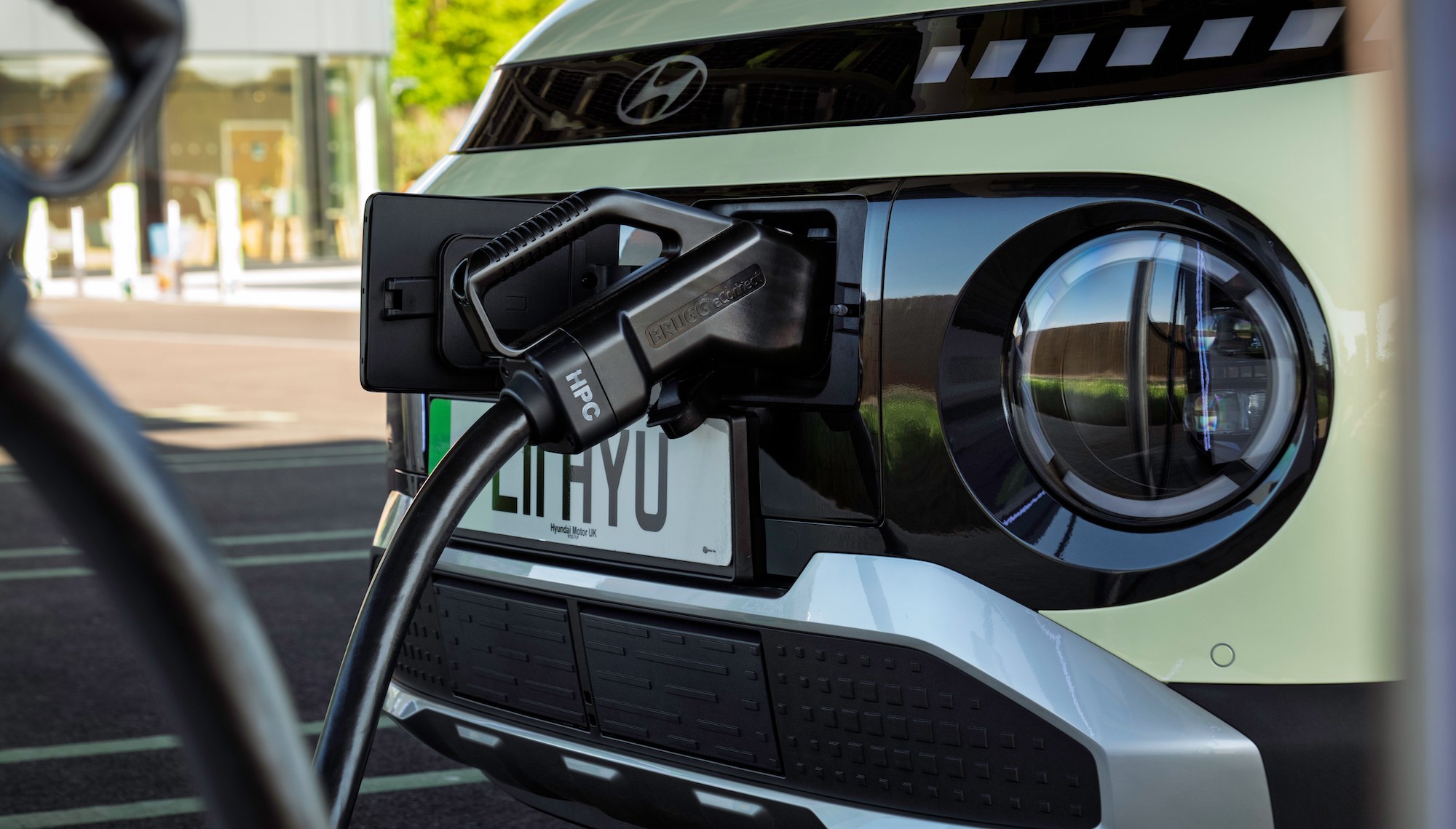
Move further up, and you get the 02 model with a 49kWh battery and 223-mile WLTP range. Power climbs to 113bhp, the sprint time to 62mph drops to 10.6 seconds and top speed nudges 93mph. Both versions feature 400-volt recharging architecture with a 120kW charge rate, are fitted with a heat pump as standard (for improved efficiency in cold weather) and are vehicle-to-load compatible.
It’s a dinky 2835mm long – 230mm longer than the petrol-powered Casper – and its wheelbase is 2580mm – an extra 180mm over the Casper’s 2400mm wheelbase. The Inster is also a nominal 15mm wider than its ICE relative. And the name change? Hyundai Europe shied away from the Casper name – browse any urban dictionary and you’ll understand why – and opted for the Inster moniker.
What’s it like to drive?
The Inster performed well when we tested it in Seoul’s twenty-four-seven rush-hour traffic, but I’m happy to report that it fares similarly in the UK. Compact, nippy and with pin sharp handling, the 49kWh version has more than enough zip for easy roundabouts, overtaking and junctions. It’s not bad on quicker roads either, only really running out of breath around the 60mph mark – and still quick enough to overtake slower traffic.
Straight-line performance aside, the steering and brakes are solid and predictable. Although light and focused on urban driving, steering feels accurate and responsive. Combine its low centre of gravity with a minuscule footprint along with good visibility and the Inster is made for the city.
The Inster’s brakes are another winner. They might not be the strongest, but braking feel is predictable throughout; they’re not mushy or weak at the top of the pedal. It’s a common problem in EVs as they transition between regeneration for friction brakes, but not so in the Hyundai.
Although the one-pedal driving mode is fine, I preferred a slightly more conventional ‘coasty’ setup: I was able to trim a little speed by lifting off, and brake accurately for tighter corners. That still meant I had an impressive efficiency of around 4.2miles per kWh used.
And what about the UK roads? Even in Bournemouth, the Hyundai rides with a well-judged compliance, the Macpherson strut front and torsion beam rear setup keeping unwanted body movements in check.
Bigger bumps did occasionally make their way into the cabin, but the ride was relatively pleasant throughout with just enough feedback to keep the zippy go-kart feel intact.
What’s the interior like?
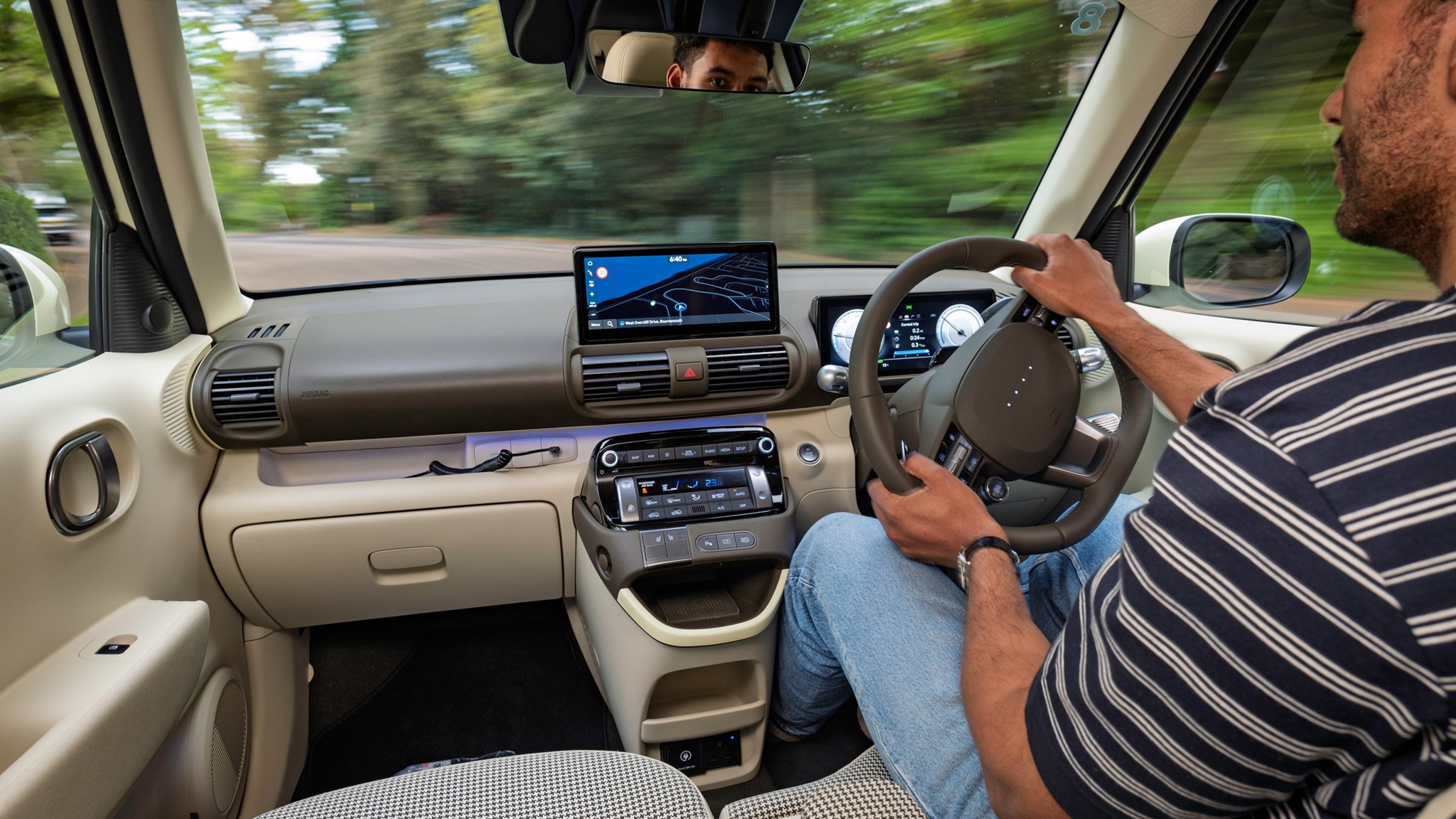
Swing open the doors and you’re greeted by a cabin that’s a mixture of old and new. There are electric cockpit dials and a 10.25-inch infotainment screen with Apple CarPlay and Android Auto functionality – but there are also lots of buttons and switchgear thankfully. It’s a bit old-looking in person, but is more intuitive in practice than an all-touch solution.
Look closer and there are other bits of modernity such as a wireless phone charging compartment and shelf for other gadgets. Our 02 49kWh model also included the £500 tech pack which gets you a three-pin plug.
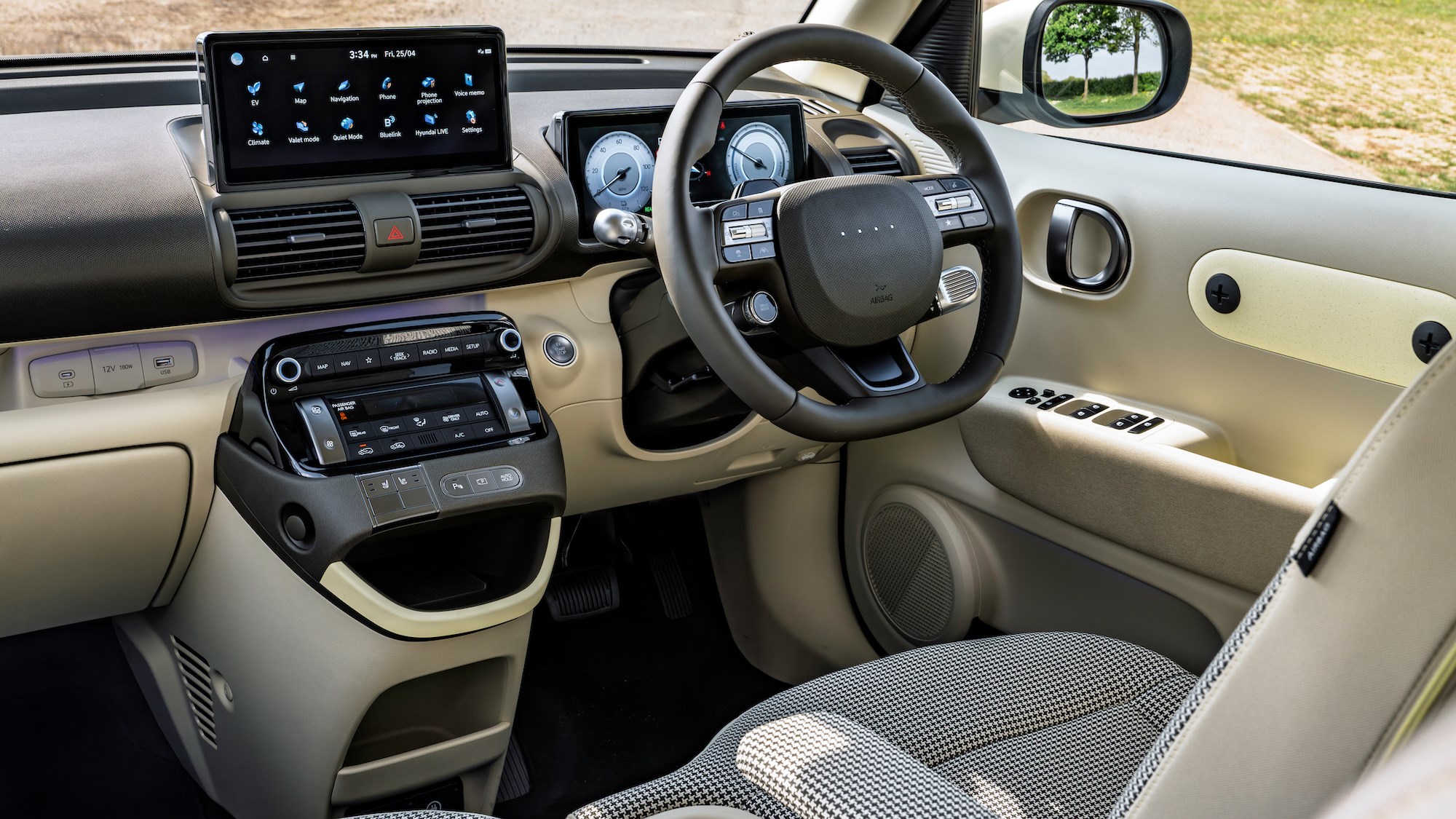
There are other examples of common sense: The front seats work together to create a bench, like a 1963 Ford Galaxie and the rear passengers have even more space thanks to the Inster’s stretched wheel base and a reclining mechanism. You can even fold the front passenger seat down and use it as table.
The two 50:50 split rear seats individually slide back and forth to boost either legroom or luggage space from 280 to 351 litres. That climbs to 1,059 litres when the rear seats are folded down, if you need an impromptu Airbnb, all four seats fold flat. No frunk, though.
The front and rear floors are also flat, further enhancing the sense of space. Some of the plastics, many of them containing recycled components, are hard and flat, but key touch points all feature a range of tactile finishes and fabrics – we were particularly taken with the cream and brown houndstooth upholstery.
It’s a cabin that works well on a number of levels – it’s intelligently configured, packed with interesting features and ideas, and it’s genuinely roomy. It’s built to a budget, no doubt, but it’s also been built with plenty of imagination and personality.
Before you buy
The B-segment EV market is getting very interesting. It’s bookended by ultra-affordable EVs like the Dacia Spring and more upmarket products like the ‘everything-as-standard’ BYD Atto 2 – and the Inster sits somewhere in the middle.
You only need a few minutes behind the wheel to realise why the Inster is £5.5k dearer that the Spring – it’s far better equipped, bigger inside, charges faster, goes further and is positively racy compared to the sluggish Dacia.
Look to Citroen’s rather excellent e-C3, with its well judged combination of value, comfort, range and style and you have a proper rival. The Atto 2 is also impressive and feels both more poised, quicker and techier inside than the Inster – but it furnishes you with a level of technology you may not necessarily want or need.
The Inster, then, is a neat half-way house between simple affordability and premium – and it makes its case thoroughly.
Verdict: Hyundai Inster
When the Hyundai Inster was first revealed, I poked around the interior and exterior and thoroughly read the spec sheet. Back then it seemed like a rare, promising product; one that prioritised common sense and practicality above all else. Fast-forward some months later and I’m happy to report that the Inster nails the brief.
For a compact urban runabout, the Inster is big where it counts – big on character and charm, big on clever and flexible packaging, and big on range and performance. If you’re looking for an affordable and stylish runabout that doesn’t feel compromised in every area, then the Inster should be at the top of your must-drive list.