► BMW iX-rivalling Polestar 3 driven in UK
► Up to 438 miles of WLTP range
► Now with cheaper sub-£70k single-motor
Finally, it feels like the Polestar bandwagon is gaining momentum. Following the delectable 1 and increasingly popular 2, the Polestar 3 breezes in as the Swedish brand’s biggest SUV to date. The 4’s also here just to confuse the naming scheme, because unlike most manufacturers where bigger is better, Polestar gives the highest number to its newest car.
I like the simplicity of that, but can imagine customers wondering why their all-singing, all-dancing super-SUV has a lower number than the squatter sporting coupe-SUV. Anyway, let’s move on from that and concentrate on the Cayenne-sized Polestar 3. It challenges the likes of the Audi Q8 E-Tron, BMW iX and Mercedes EQE SUV in a fiercely fought market sector, and comes in with little brand heritage (or baggage, depending on your view of ‘legacy’ manufacturers).
The good news is that the Polestar 3 does a great job of side-stepping the mainstream. It’s positioned as a more driver-focused and sporting alternative infused with a large shot of quality Nordic minimalism for good measure. Think Bang & Olufsen in terms of design, but hopefully with more deep-seated quality.
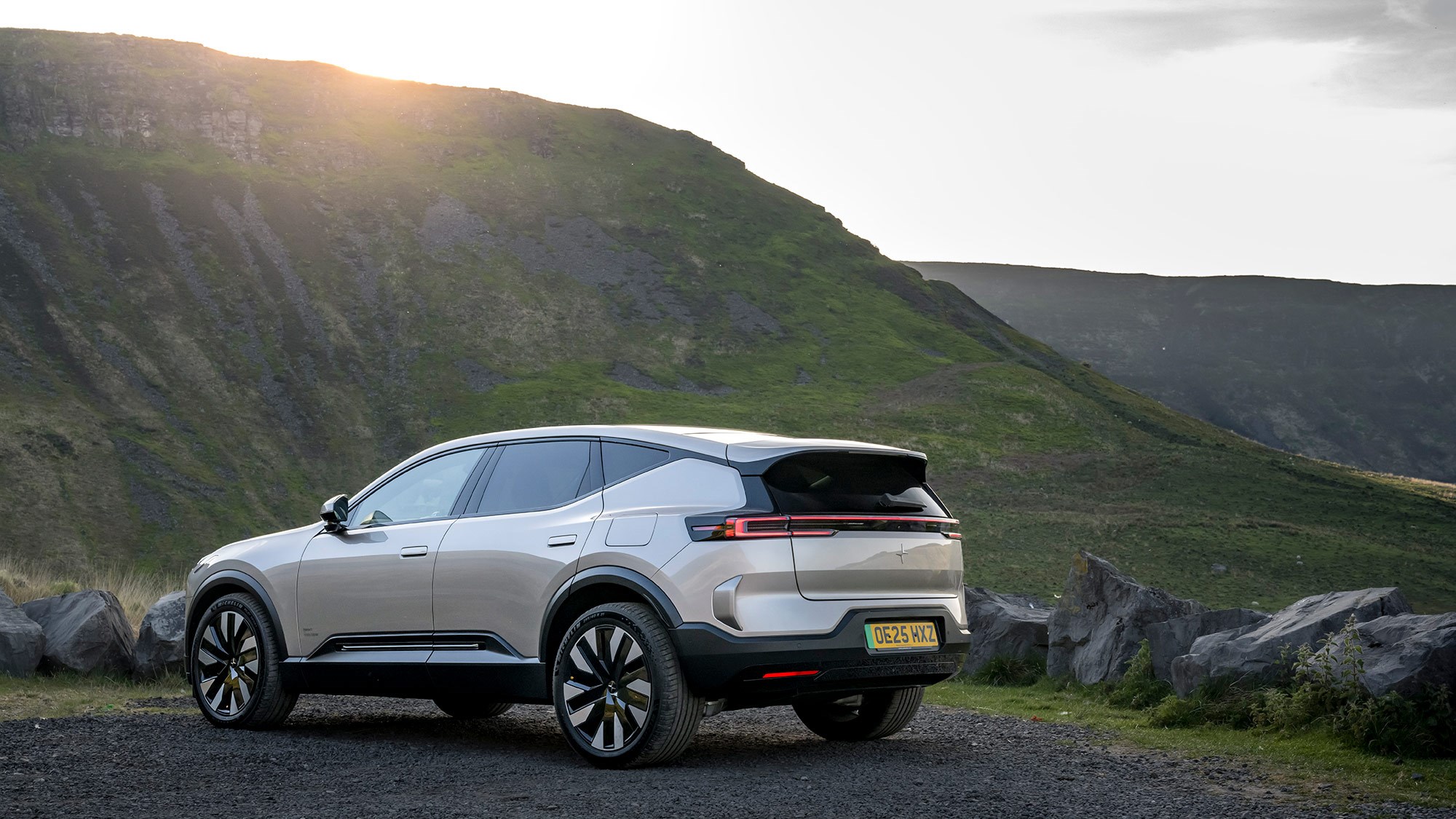
As you can imagine, with the focus on sports, utility does fall by the wayside somewhat, but will that be an issue for this fascinating newcomer? The CAR magazine team has already had several runs in the Polestar 3, but now we’ve managed to spend time with it on UK roads to get a more balanced view. We’ve also driven the latest Long Range Single Motor variant – a cheaper way into Polestar 3 ownership.
To understand why you can trust our car reviews, see how we test here.
At a glance
Pros: Generous rear space, great infotainment, uncommonly good handling, decent performance and a commendably long EV range
Cons: Relatively small boot, stiff ride with Performance Pack
What’s new?
Polestar has now added the Long Range Single Motor model as a cheaper, de-contented 3, reducing the starting price down to £69,910. We’ve driven it and the Long Range Dual Motor models extensively in the UK and abroad so we can give a holistic verdict on the entire Polestar 3 range.
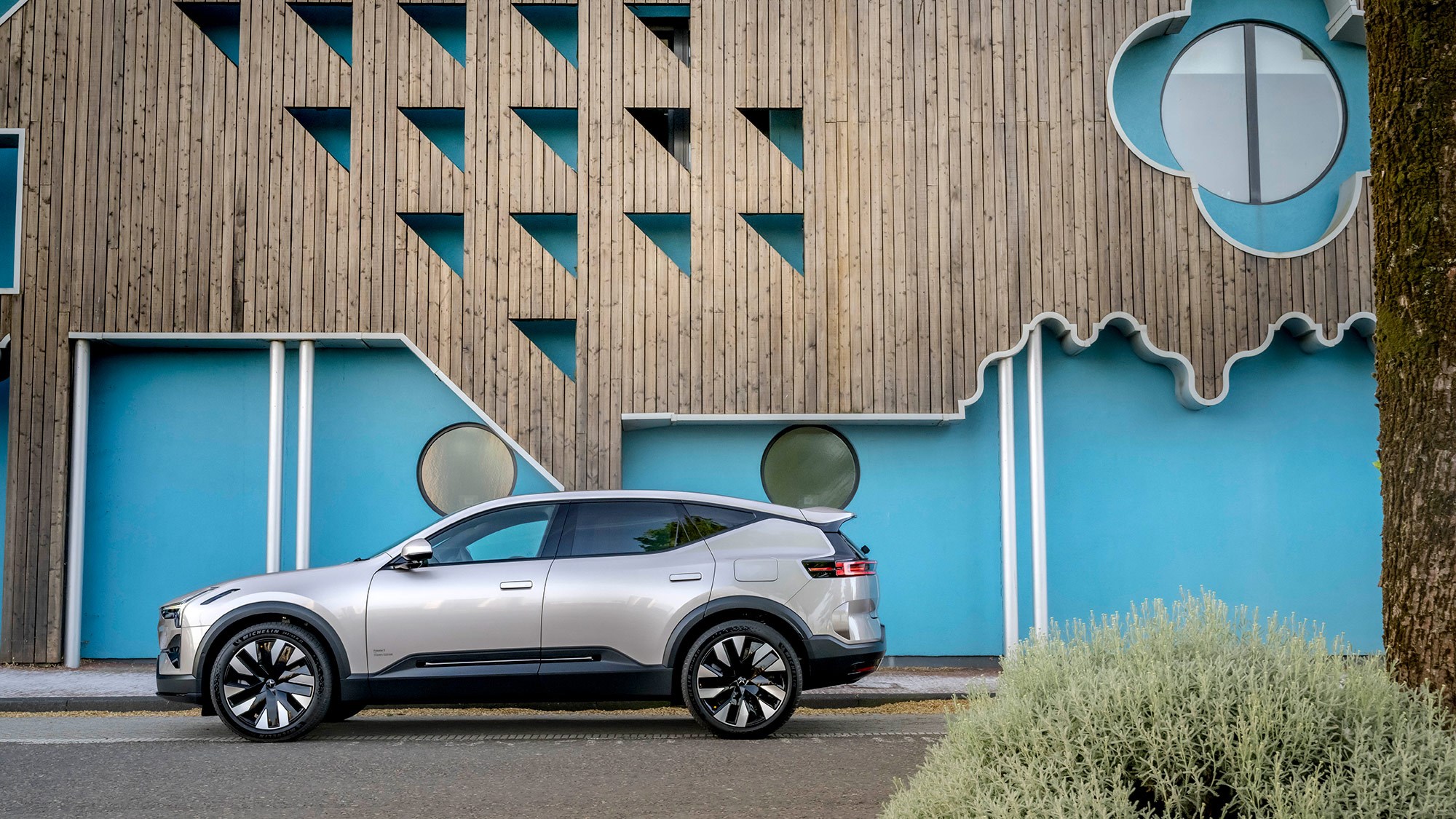
While the smaller Polestar 2’s body is a melange of coupe, crossover and saloon, the Polestar 3 is an unashamed SUV, albeit one with a coupe-style roofline that falls towards the rear of the car, in a sign of fashion over high functionality.
It looks striking in the flesh, well proportioned and benefiting from the packaging advantages of the EV-only SPA2 platform shared with the latest all-electric Volvo EX90. With that comes a sizeable 2985mm wheelbase within the 4.9m overall length, which promises plenty of interior space for bodies and baggage.
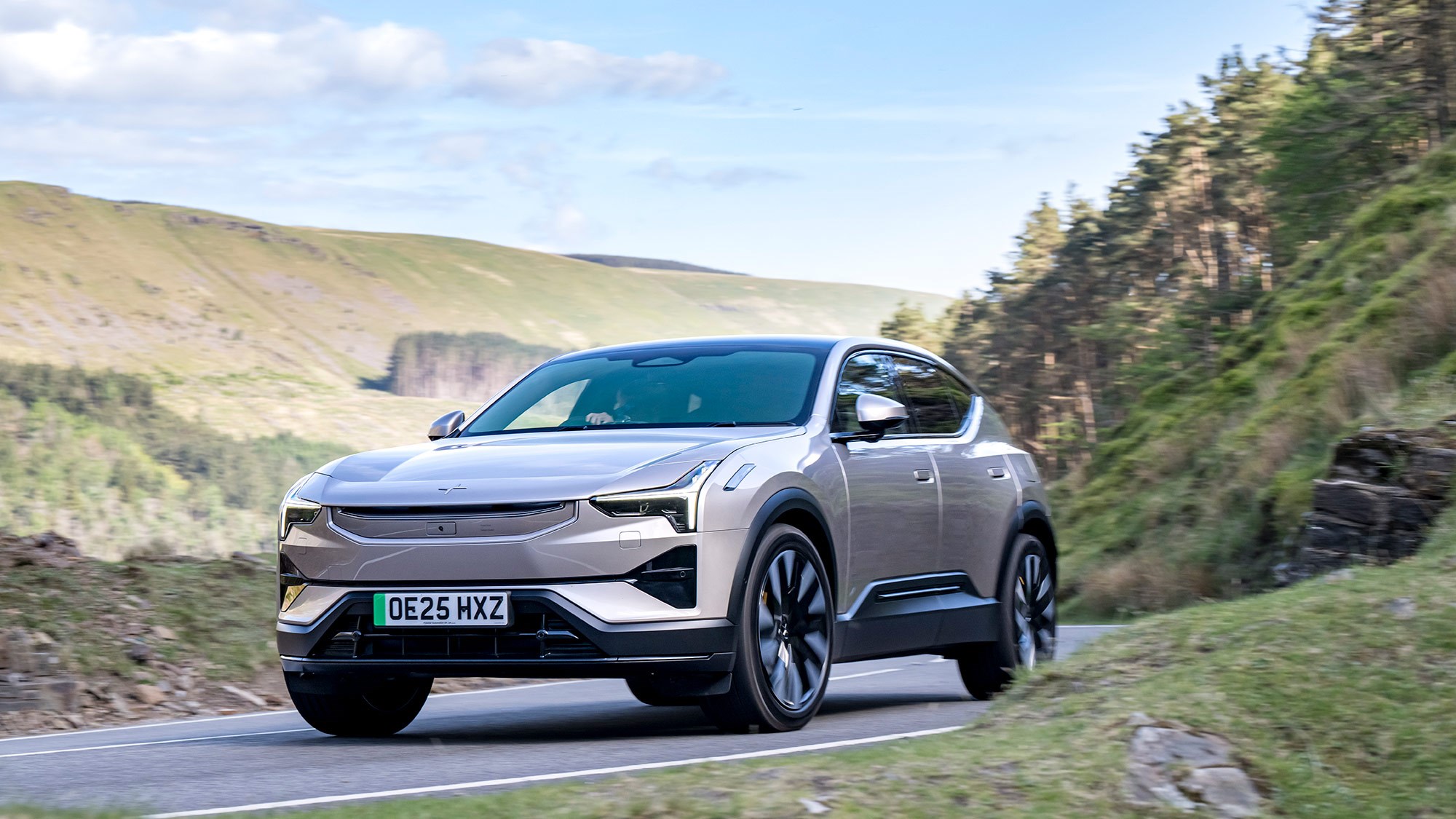
Aerodynamics have played a big part in the Polestar’s design, the best example being the narrow wing element integrated into the leading edge of the bonnet to help clean up airflow (Polestar quotes a so-so 0.29 drag coefficient of drag). At the rear is a full-width lightbar and a rear wiper that looks nearly as dinky as the one on the Mini hatchback. You won’t be using it much in reality.
What are the specs?
Until summer 2025 the Polestar 3 came only in Long Range Dual Motor form, with and without Performance Pack. Both feature the innovation of a twin-clutch torque-biasing differential for the rear motor, and use the same XL-rated 111kWh battery pack, with 107kWh usable.
That’s a seriously big cell, good enough for a WLTP-tested 395-mile driving range for the regular Long Range Dual Motor, which is up on key rivals. This drops to a still reasonable 352 miles if you opt for the Performance pack with its go-faster fizz.
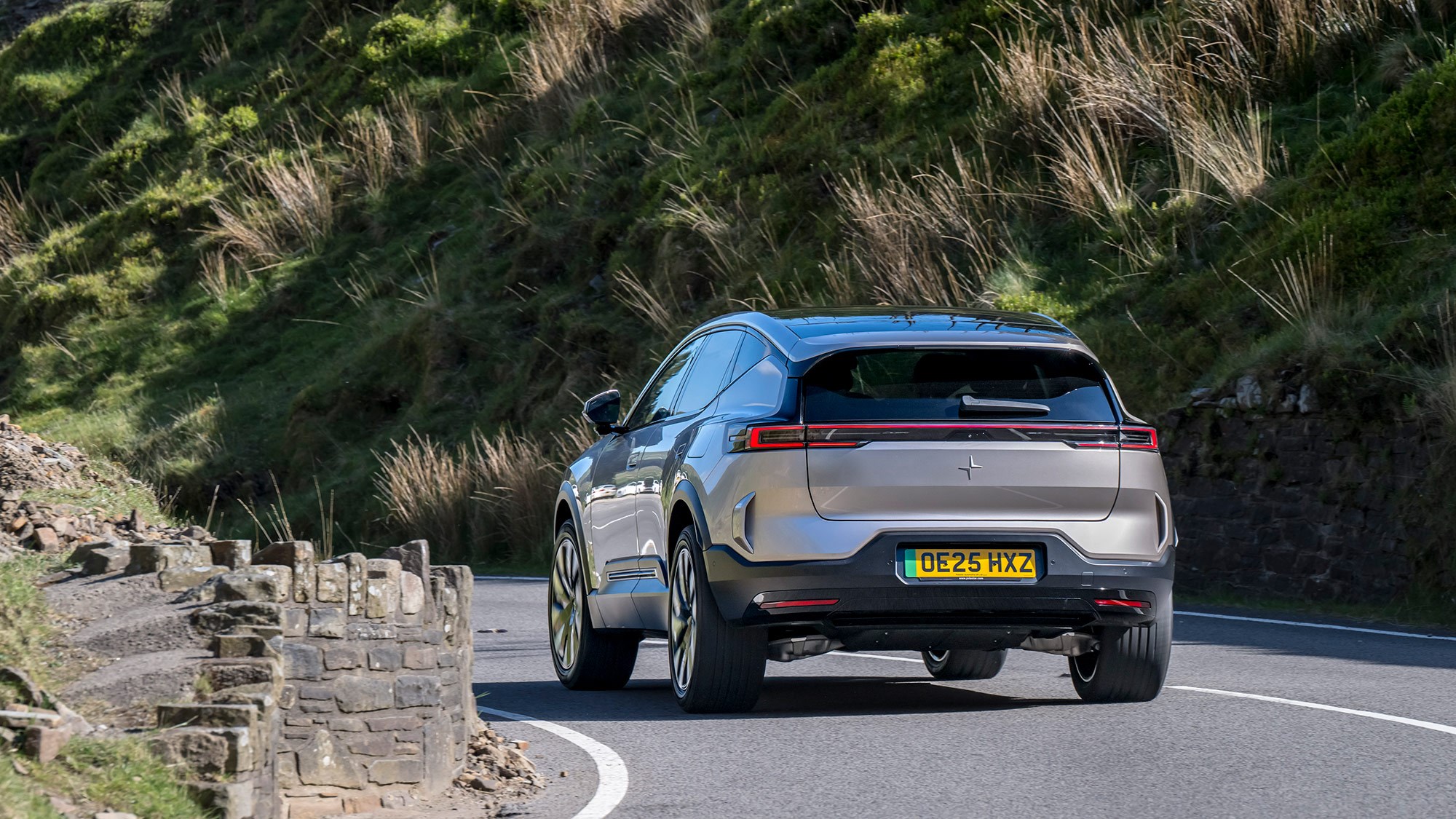
From June 2025, you can also choose the Long Range Single Motor (above). This removes the front electric motor to make it rear-wheel drive. The same 111kWh battery powers everything, so you get a handy extension of WLTP range to a long-legged 438 miles. That’s the best in the E-segment, according to Polestar.
Although the CATL supplied lithium-ion battery pack has a 400-volt architecture, in contrast to the 800-volt systems of sharp-end rivals, all Polestar 3 models will support DC fast charging at speeds of up to a claimed 250kW, giving the prospect of a 10-80% recharge in as little as 30 minutes in optimal conditions and plugged into the best public chargers.
What about the interior?
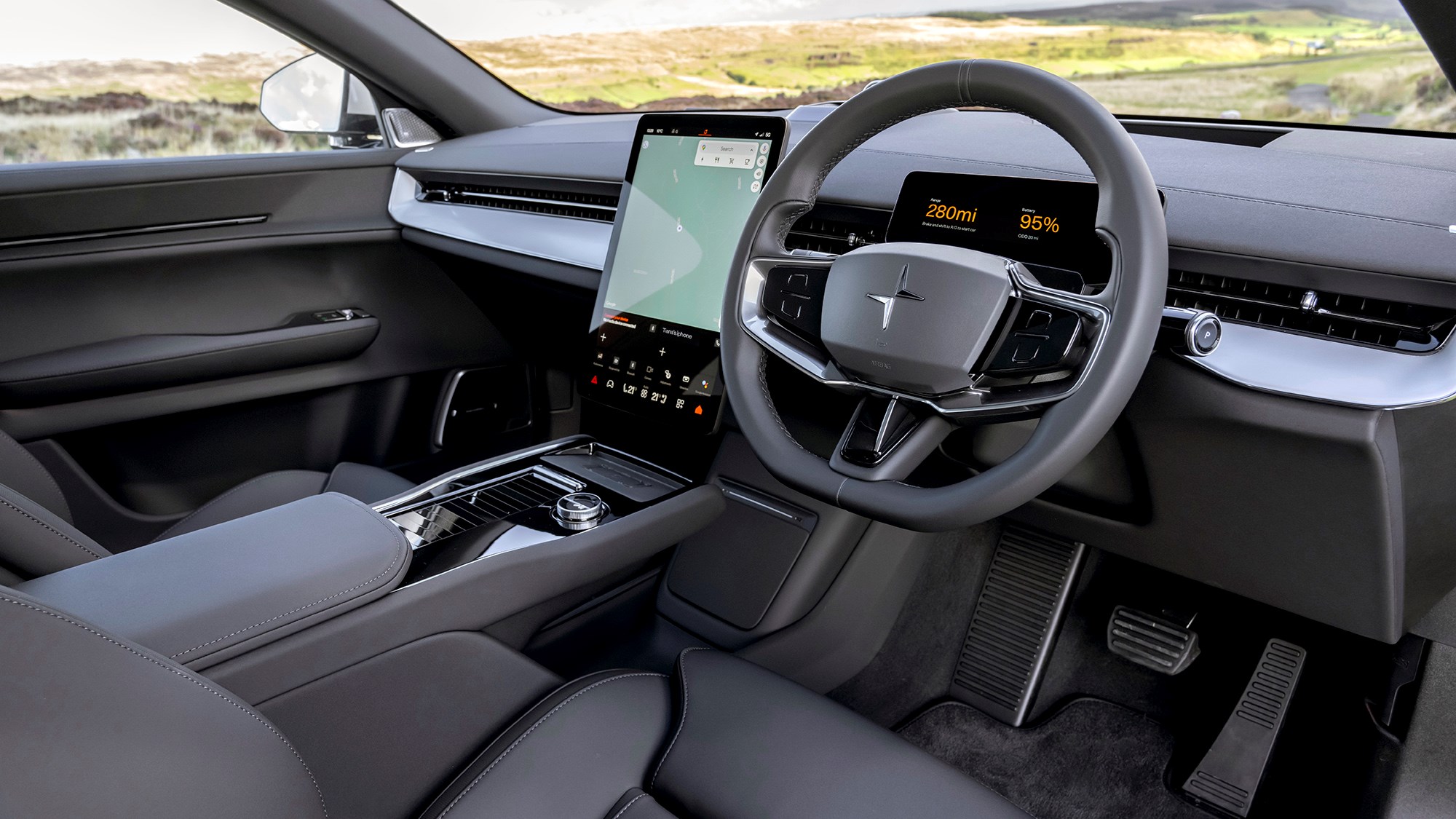
Moving inside, the Polestar 3’s cabin is well finished and impressively spacious, with legroom in the back feeling particularly generous. Unlike the related Volvo EX90, the 3 is offered as a five-seater, allowing the rear bench to be placed further back in the wheelbase for even more legroom. Headroom is good enough, but the falling roofline means there’s less excess space than most rivals – not that most passengers will miss that. Even six-footers will be comfy in the back.
Boot space is a little stingy by comparison, though, with a wide but shallow compartment resulting in only 394 litres with the rear seats in place, although there is another 90-litre hidden compartment under the boot floor. There is also a 32-litre storage compartment (aka: The Frunk) under the bonnet that’s intended for charging cables and paraphernalia.
A panoramic glass roof is standard, providing a light airiness to the interior even when trimmed in the darker colours (I couldn’t imagine trimming your Polestar 3 in anything other than a light, creamy, Scandi colour, mind). Material quality impresses and the overall effect is calming and very appealing. The ambient lighting is planet themed, so changing the mood comes with a free science lesson.
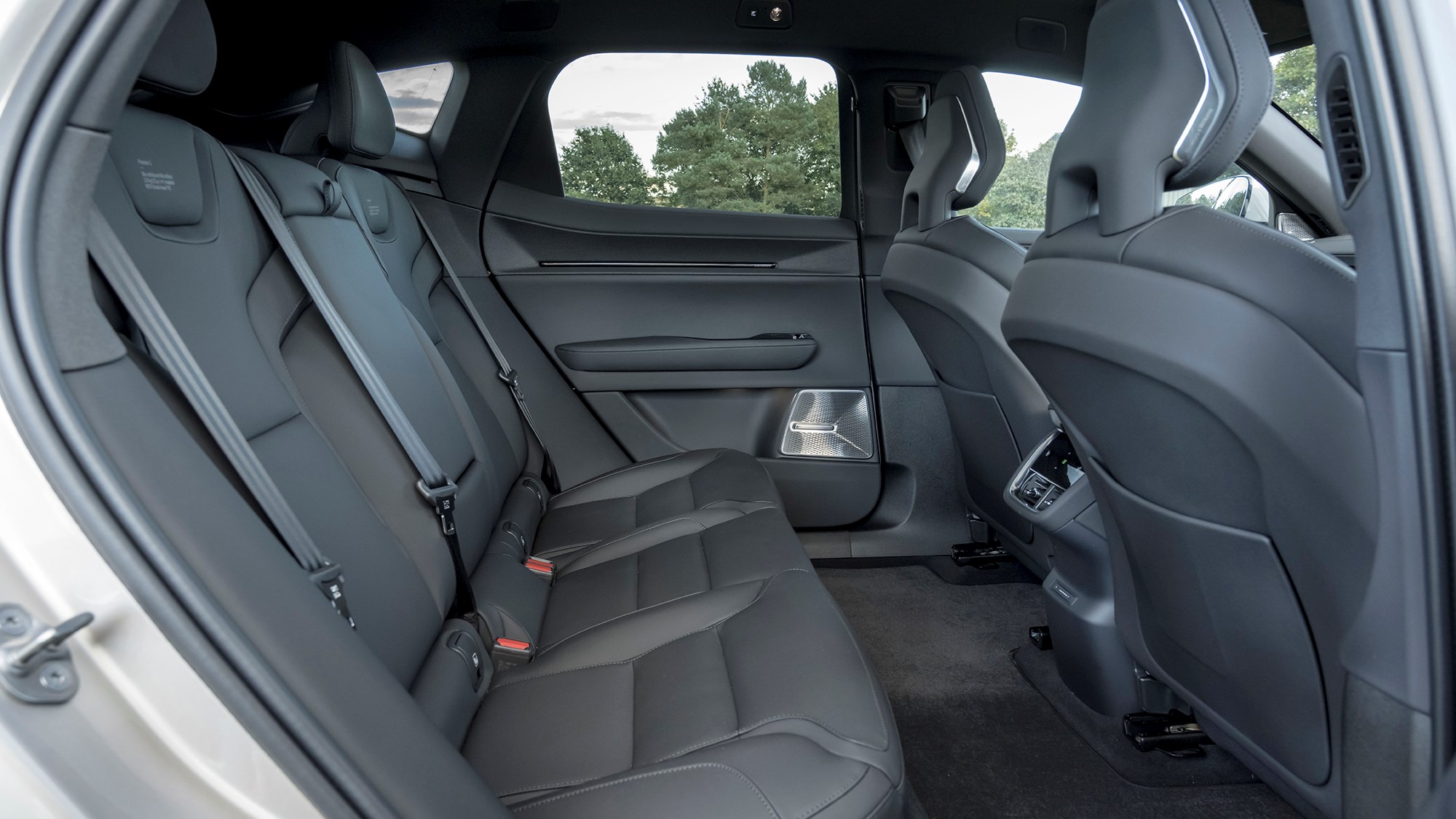
Physical switchgear has been been kept to a minimum. Even the hazard light switch has been moved to the roof console, for example. Beyond the basic driving controls, everything is managed by the vast 14.5-inch portrait orientated touchscreen running Google’s Android Automotive operating system.
It’s a system that looks great, with its crisp graphics and clean animations. But coming in cold as a newcomer to this car, it took time to find where everything is, so even though a few shortcuts here and there help, we’d still like more physical controls.
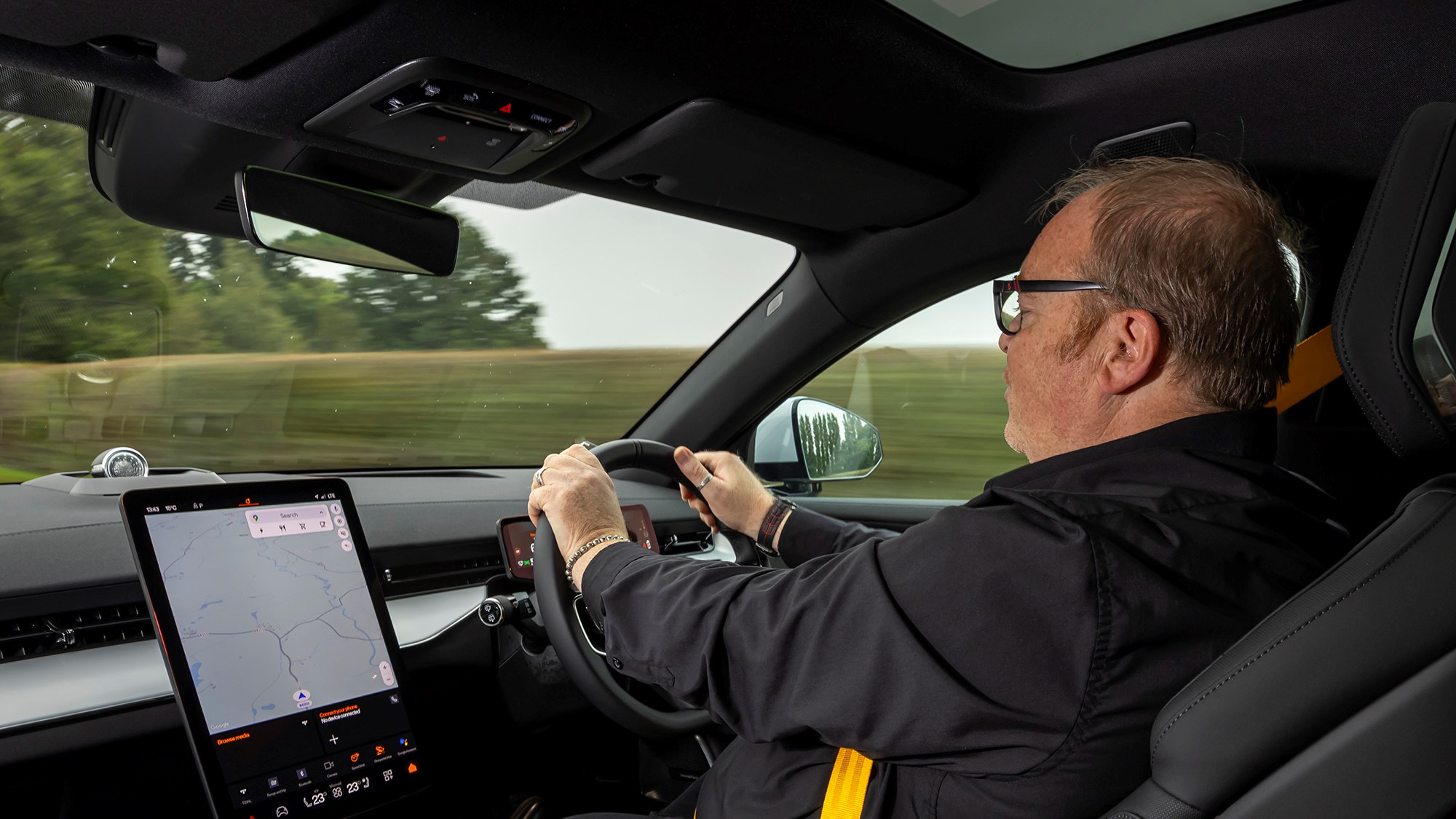
This soon eases with familiarity, and it has to be said that the large on-screen buttons, elegant Polestar typography and use of colours, along with fixed menus that don’t require scrolling through, make this one of the very best touchscreen-operated systems out there.
One quibble: like VW, Polestar has made the mistake of removing the rear electric window switches for the driver; in the name of cost-cutting, they’ve made what used to be a simple operation more complicated.
How does it drive?
The Polestar 3 is a comfortable, premium SUV that we enjoyed driving. Every version we’ve tested is refined, rapid and oozes a quality feel. Yet our experiences suggest you just need to pick your version carefully to attune the performance and handling with your requirements.
Most Brits will plump for the Dual Motor versions and this was the car launched first. With a motor on each axle, performance is neck-snappingly rapid (0-62mph in 4.8sec, dropping to 4.5sec for the Performance Pack) and traction assured. Its clever differential is subtler in its intervention and far more natural than some of the rear-steer systems found in rivals. While you’re aware it’s unwilling to push wide on the way out of tight bends, it trims your line effectively and progressively rather than drastically altering it.
That differential and pair of clutches don’t just allow fine torque distribution under power, they also work under deceleration, too. A bit more regen on the inside rear wheel than the outside helps tuck the nose in on corner entry, helping build agility further. Even so, the 3 much prefers a neutral line than an exuberant one.
The Polestar 3 Long Range Single Motor is considerably slower (0-62mph 7.5sec), but – crucially – feels well judged in isolation. If, like me, you find the electrifying acceleration in many EVs a bit OTT, the mono-motor version feels just fine, with ample acceleration when and where you need it. Lugging around 176kg less in bulk, the entry-level Polestar 3 feels quite pointy through the corners and steers well.
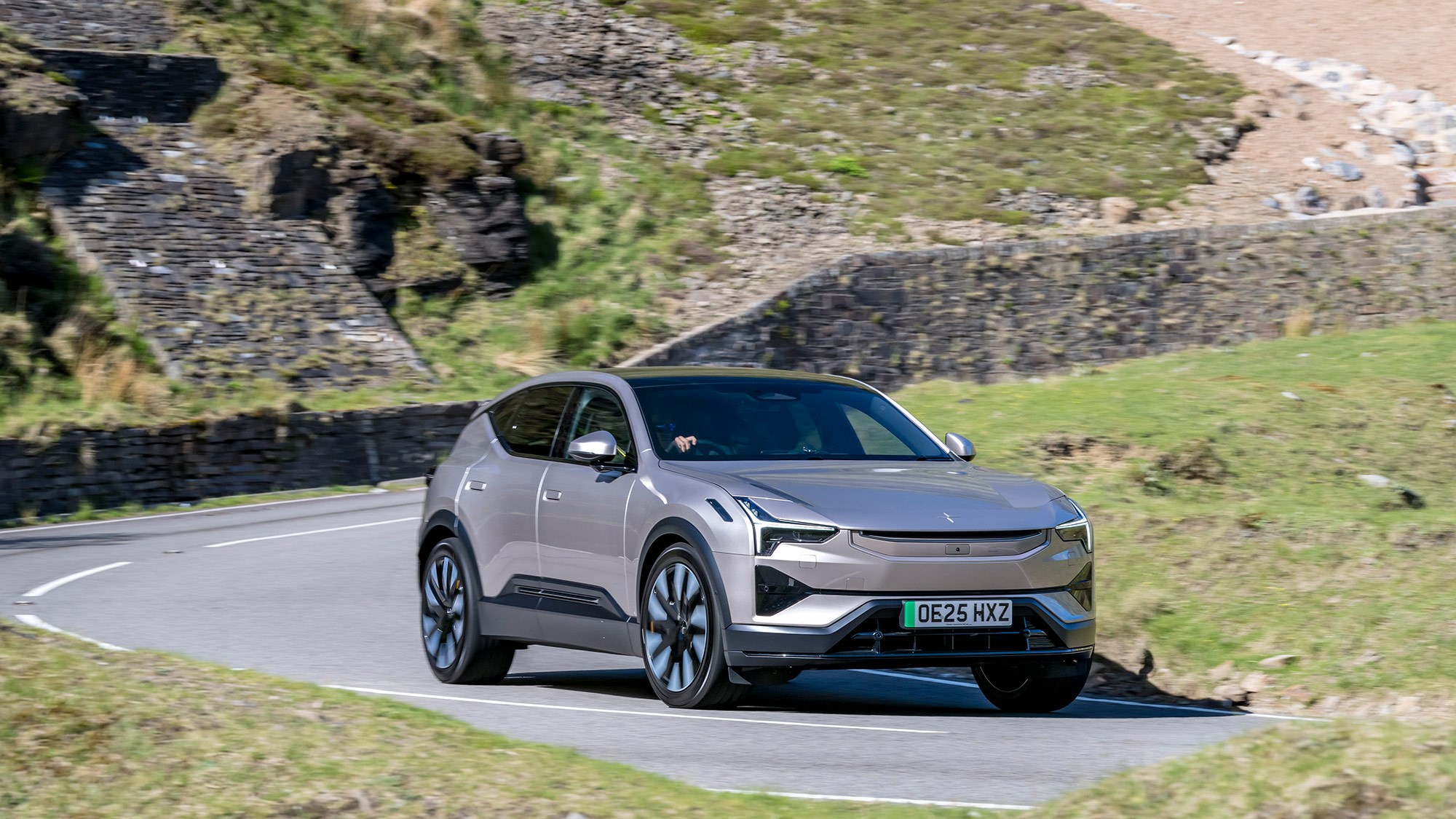
Should you pick the Performance Pack? Some drivers will want the maximum model, but consider this: with plenty of thumping from the suspension and more vertical movement than you might expect with the Performance Pack fitted, we’d recommend the more supple regular Polestar 3 models if you value comfort, and are driving it anywhere in the UK with its shockingly-maintained roads. Body control is excellent, and it feels far less fidgety.
The Polestar 3 is a car that’s satisfying to drive briskly, if not a huge amount of fun when you’re really on it. The steering is partially to blame here, and one of our testers reported too much weight and found strong self-centring made it tricky to get into a pleasing rhythm on twisting roads. However, several others who drove the 3 found the steering responses just fine.
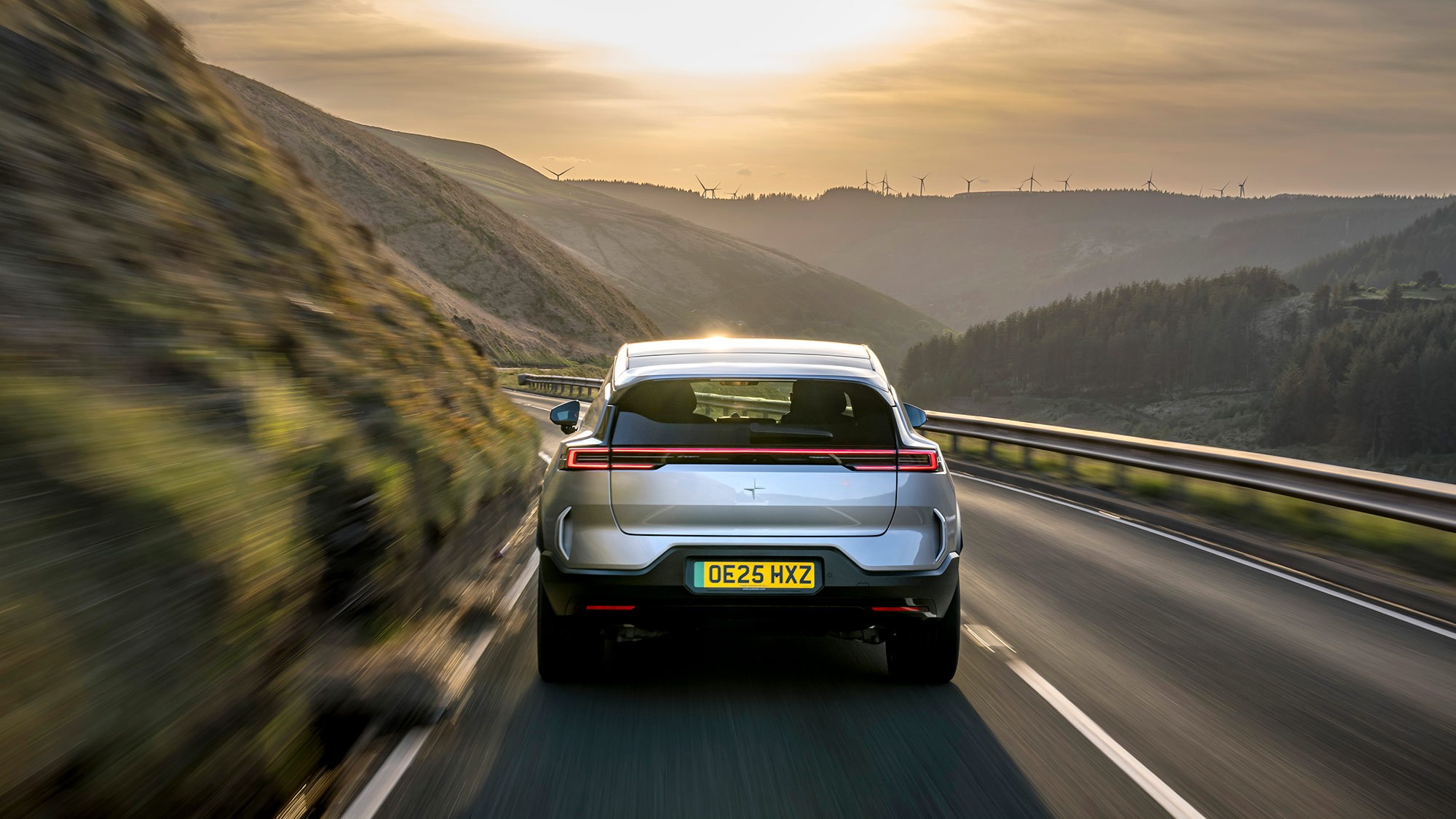
Of course, many of these brickbats won’t be on your radar on the 7.30am motorway commute into the city, and instead you’ll be left with a comfortable, refined and pleasingly tactile driving experience that rewards a smooth driving style. The Polestar 3 truly does offer a very relaxing, calm drive.
Before you buy
Around £12k separates the top and bottom of the Polestar 3 range. Now we’ve driven the entry-level Long Range Single Motor, we’d definitely recommend it. All the core model attributes are present and correct and the equipment level is identical, too. Just make sure you don’t need the extra performance.
If you’re going for the Dual Motor, paying £5600 extra for the Performance Pack brings 22-inch alloys over the standard 21s, more aggressive dynamic software for various active systems and a modest performance upgrade. Polestar claims the Performance can dispatch the 0-60mph benchmark in just 4.5sec – 0.3sec quicker than the regular car – although both versions are ultimately curtailed by the same 130mph limiter.
Beyond that, you can add a Plus Pack (£5000) to any model, bringing luxuries like a sublime 25-speaker Bowers & Wilkins stereo with Dolby surround sound (has to be heard to be believed), soft-closing doors, heated rear seats and a heated steering wheel (so Swedish). There’s also an optional Pilot Pack (£2300) which improves the driving assistance features and adds a head-up display. If your budget runs to it, I’d recommend both.
Polestar 3: verdict
We originally concluded that this is Polestar’s most convincing effort yet, sticking a Swedish cat among the Bavarian pigeons. After spending time in every variant of Polestar 3, comparing it with the 4 and all its rivals, we still agree with this. The spacious, luxurious and well-appointed interior impresses, as does the handling, driving experience and battery range.
Boot space is tighter than you’d expect for the class, though, and there’s just too much reliance on the admittedly excellent central touchscreen. I mean, who wants to adjust their door mirrors through. a touchscreen? Even so, the Polestar 3 is a fine alternative to the BMW iX, and certainly more recommendable than an Audi Q8 E-Tron and Mercedes-Benz EQE SUV.
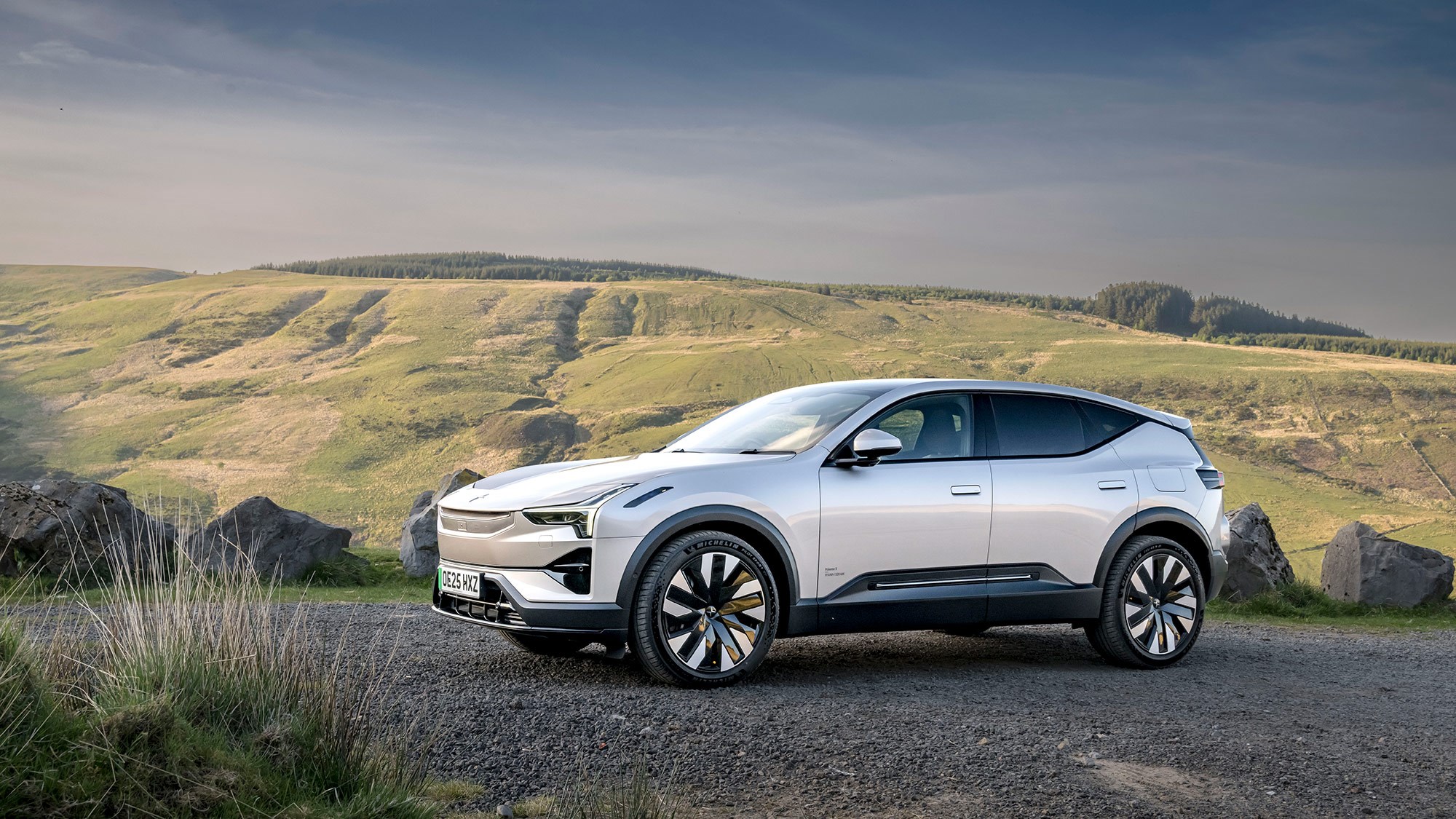
Would we take one over the aforementioned Bimmer? Yes, and not just on aesthetic grounds. Although Polestar’s late to the party with this one, it’s proven more than capable of upsetting the copy-and-paste class incumbents.
Specs for new 2025 Polestar 3 Long Range Single Motor