► Model X no longer available to buy new
► Tech shared with Tesla Model S
► CAR takes stock and decides wheter it’s still worth buying one
If you’re a Tesla fanchild, this Model X review is unlikely to be the criticism-free fanfare you might desire. While the Tesla Model X once stood out in a relatively small crowd, it’s now 2025. That means established car makers have listened, learned and unleashed some very competitive rivals to beat the hulking all-electric Model X into submission.
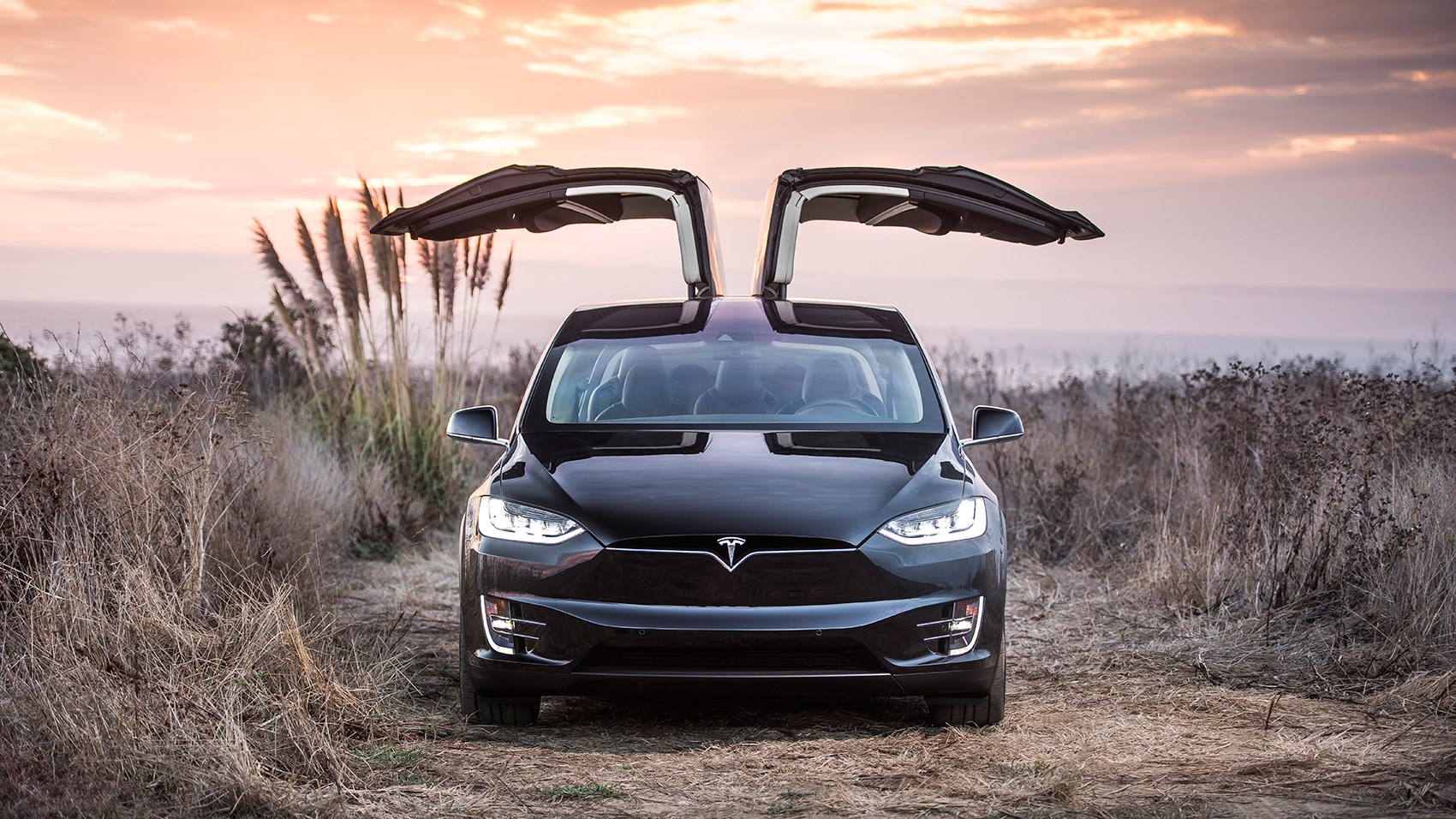
The Model X still retains a great deal of its uniqueness all these years on. Who could forget its falcon doors, seven seats, a screen-dominated cockpit, fart sound effects, and the outrageous 0-62mph time for the fastest Plaid version? Indeed, the car remains unforgettable. After all, it still makes up part of Elon Musk’s obsession with ‘S3XY’.
Should you buy a Tesla Model X? Yes, if you want a large electric SUV with dramatic style, flexible seating, full access to the Supercharger network and epic performance. But be prepared to shop carefully: in the UK new builds are no longer offered, meaning you’ll be choosing from existing inventory or the used market. If you want to know how we came to our verdict, have a look at our how we test page.
At a glance
Pros: dramatic doors and visual presence, exceptional performance, flexible seating arrangements
Cons: high purchase price, build quality inconsistencies, limited new-car availability in the UK
What’s new?
The Model X has been around since 2016, and in its early years it had the stage to itself. Today it faces strong opposition from the likes of the BMW iX, Mercedes-Benz EQS SUV, Audi Q8 E-Tron and others. The Tesla still turns heads – falcon doors, glassy interior, huge performance – but rivals have overtaken in refinement and build.
One key change in 2025 is availability. Tesla has pulled the Model X from its European configurator. That means you can no longer build a fresh UK-spec car to order – instead, it’s sold through limited inventory stock, almost all left-hand drive. For right-hand drive, you’ll need to look at the used market, where earlier examples are still plentiful. So, it’s now effectively a secondhand car.
What are the specs?
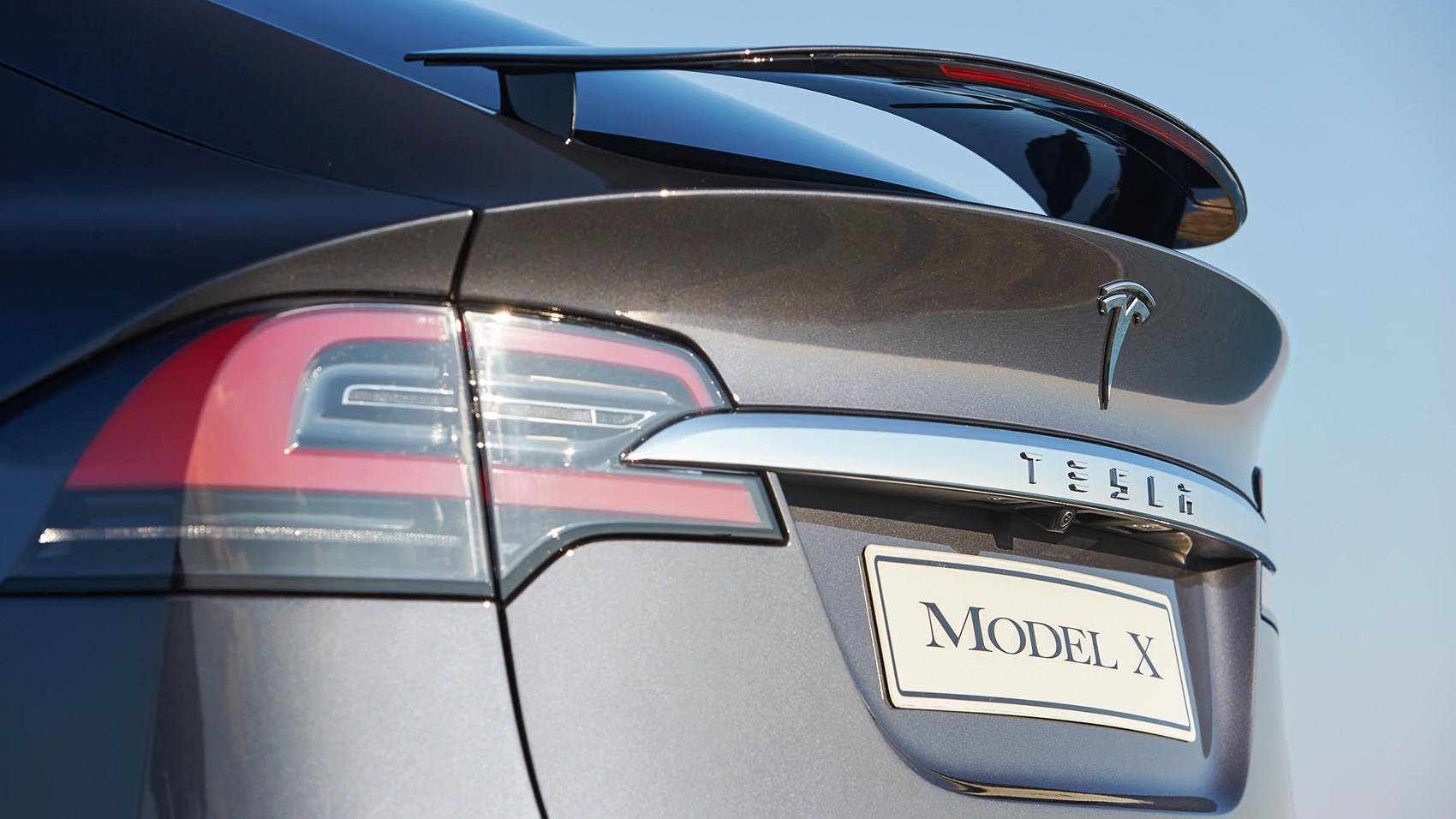
The model range is simple – by the end of its UK sales run, the Long Range version offered over 340 miles of WLTP range, while the Plaid packed 1019bhp for a 0-62mph time of 2.5 seconds. Top speed is 160mph, which is amusing for a family SUV weighing more than two tonnes.
Seating comes in five, six or seven-seat layouts, with plenty of storage options including the famous front boot. Charging remains one of Tesla’s strengths: the Supercharger network is well integrated. Efficiency varies with wheel size and driving style, but expect more running cost than smaller Teslas. Real-world range is usually around 300 miles for Long Range models if driven sensibly.
How does it drive?
The Model X is basically a taller, heavier Model S, and it feels like it. Acceleration is instantaneous and savage in Plaid form, but the weight is never far from your mind in corners or under hard braking. The steering is better in sportier settings but lacks the depth of feedback you’ll get in rivals from BMW or Porsche.
Ride comfort is generally firm, though adaptive suspension helps smooth longer trips. Autopilot remains one of the best semi-autonomous driver aids around, easing the strain of long motorway runs, though UK law still limits what it can do compared with the US.
Once the system decides the road is suitable, Autopilot is engaged with two pulls of the dedicated stalk, and that’s pretty much it. Just twist the stalk to pick the distance between you and the car ahead and sink into the Model X’s luxury interior.
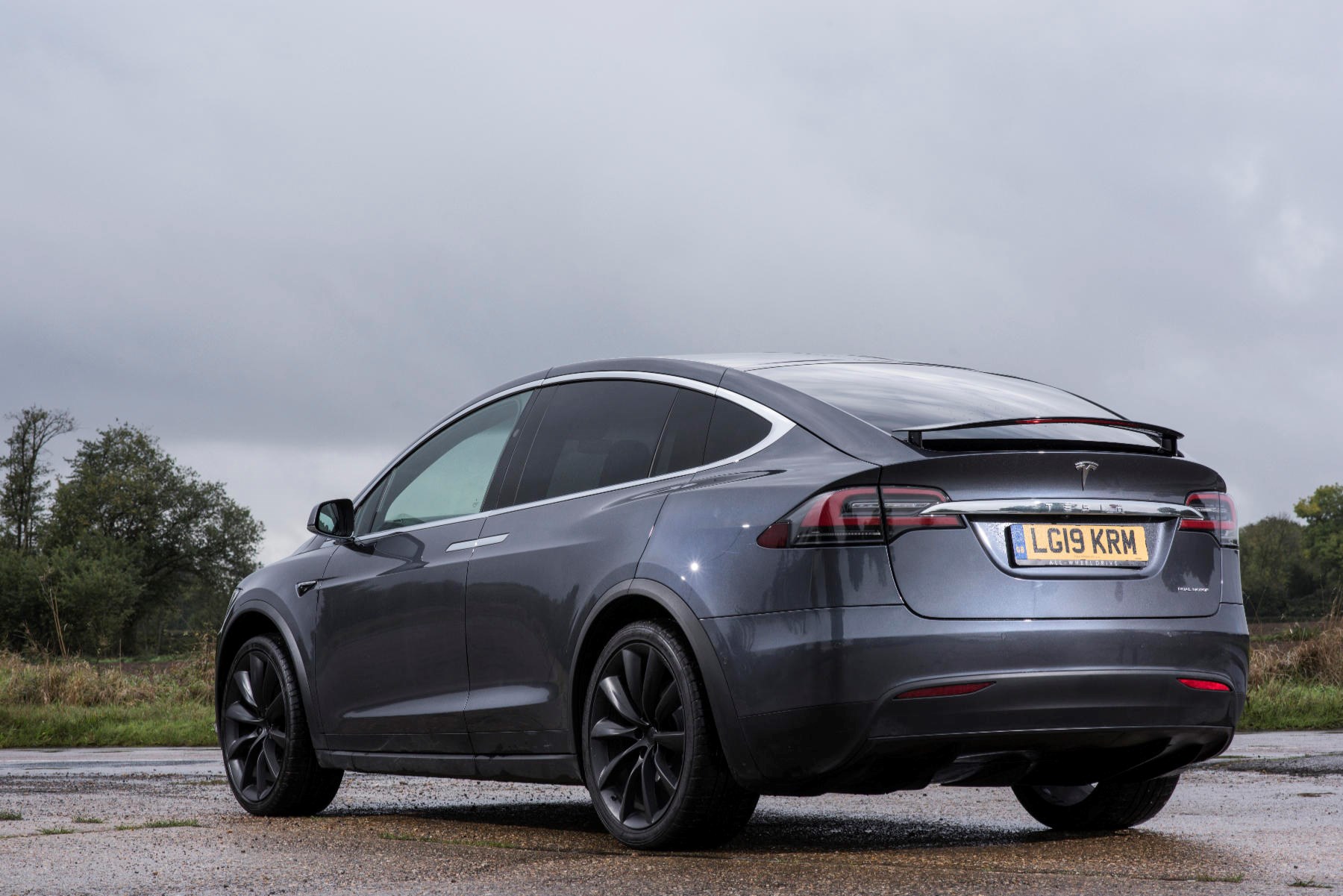
Traffic jams, motorway lane changes and sliproads are handled swiftly and smoothly. Outside of the motorway network, the usual parking assistance and ability to just let it creep at urban speeds following the car in front is enough to lower the heart rate somewhat.
But it’s far from faultless. Lane changes are a little awkward when using Autopilot (nudge the indicator, and it’ll swap lanes for you), as they seem to take an age, and often result in you doing the steering yourself.
Tesla’s Autopilot is suitable for taking the strain out of long motorway drives but still requires a constant hand on the wheel. Even when Autopilot isn’t engaged, the Tesla continually advises you on your proximity to other vehicles, and will even identify lorries and motorcycles in your path. However, road users lacking acceptable lane-discipline can also scare the Tesla into dramatically slowing down.
What about the interior?
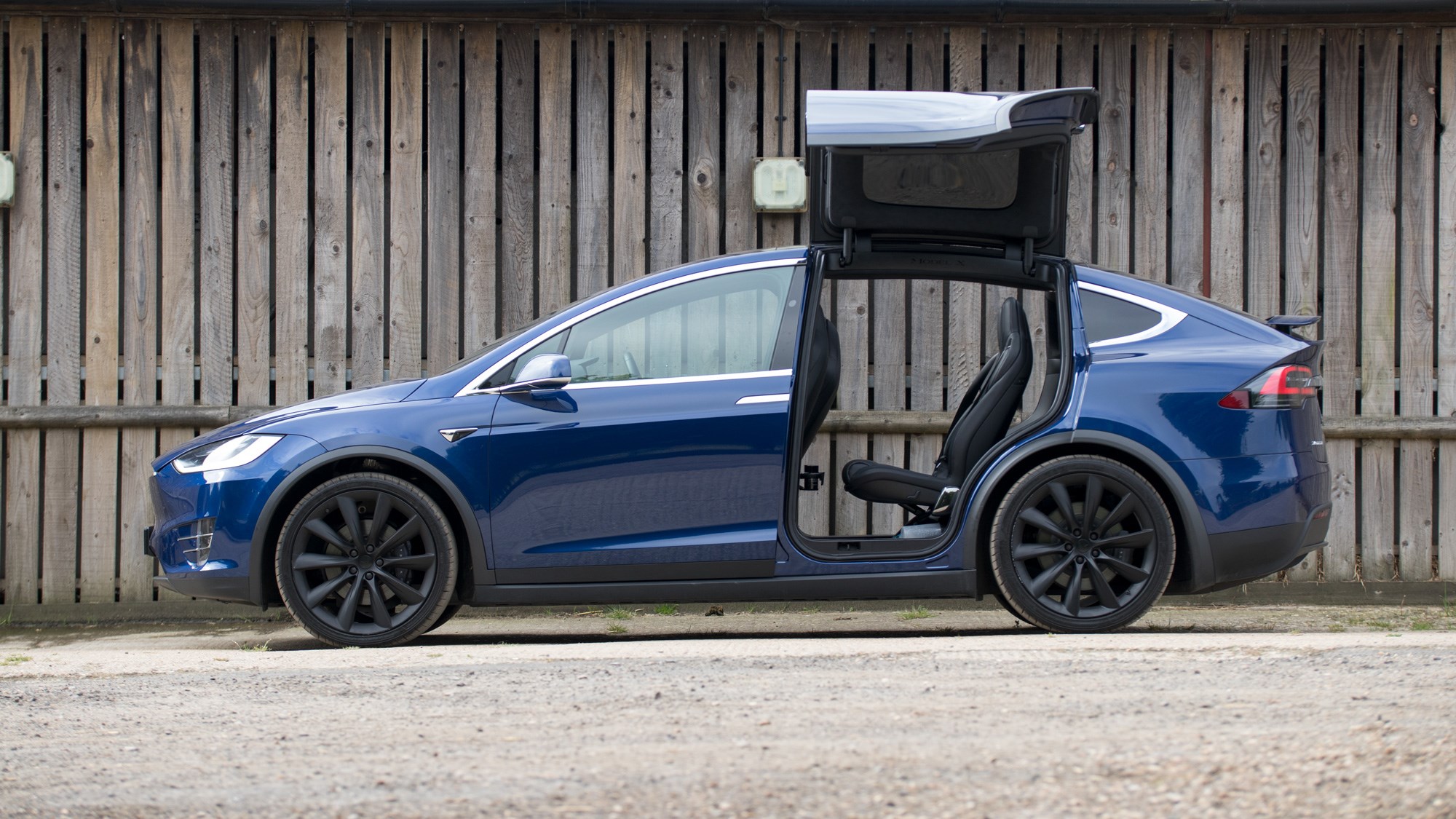
Let’s first talk about Tesla’s Falcon Wing doors. While they appear to be a gimmick they’re sometimes genuinely useful. The whole process of opening and closing seems to take a while, and the doors don’t always unfurl in a smooth or uniform way, giving the impression they’re rather flimsy.
That’s a shame, because there were times when the doors really came in handy. When parked close to other cars, for instance, they allow multiple passengers to hop in and out, where other doors would require a squeeze. Tesla says they’re invaluable for elderly passengers too, and you can see why.
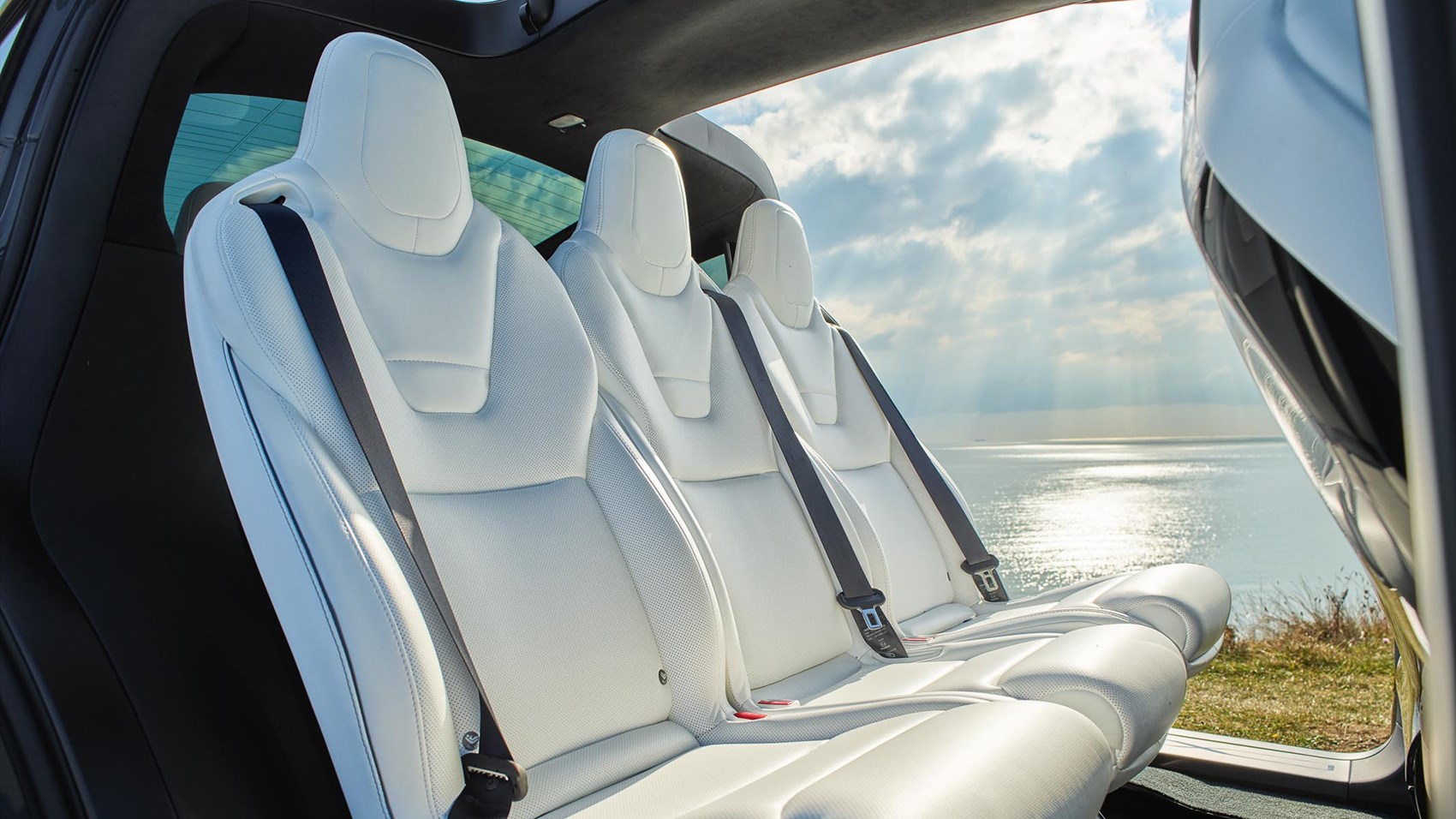
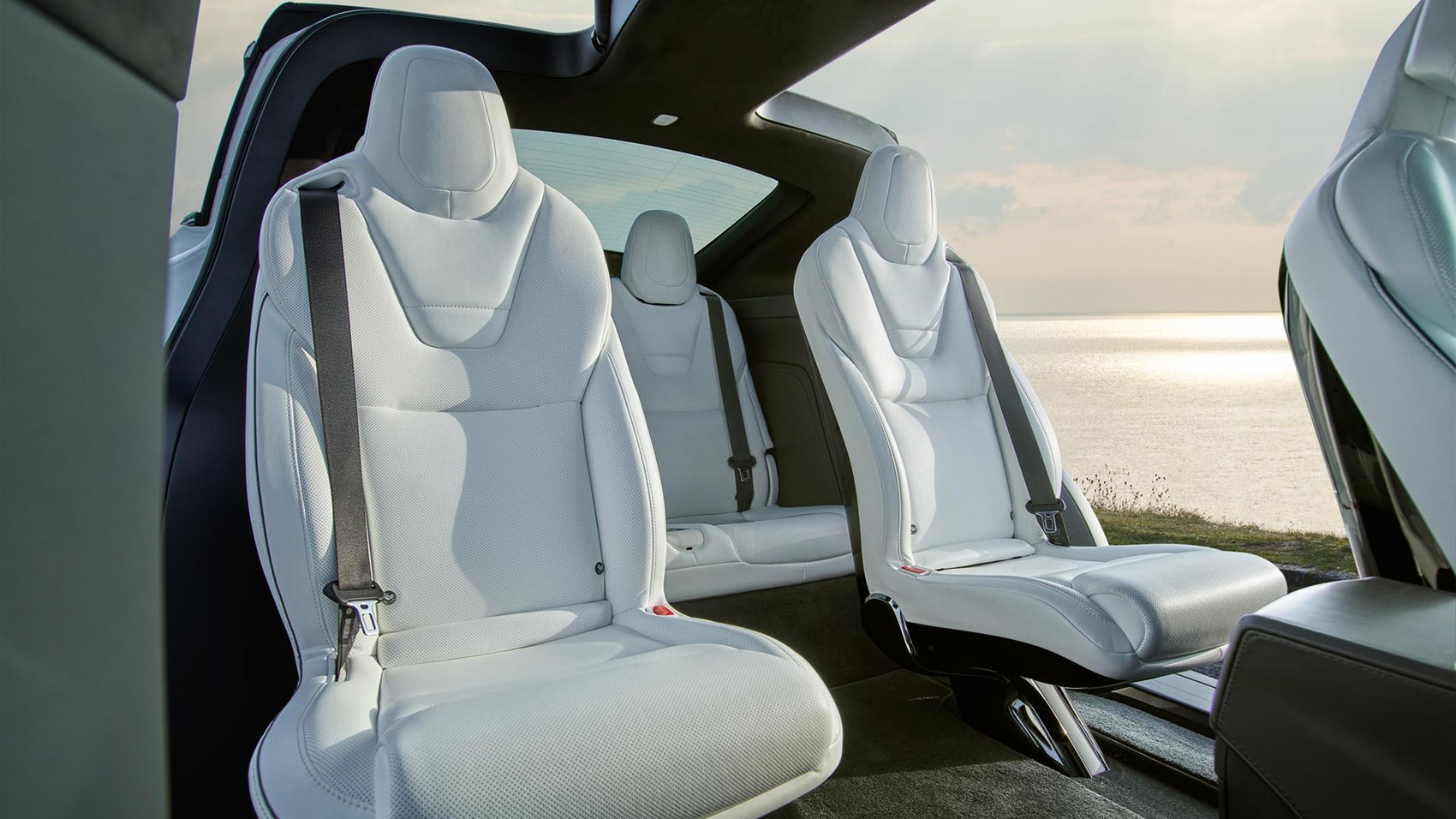
Three seating configurations are available, and seats can be electrically folded and moved like parlour tricks: lightly press a hidden button and headrests fold down, for example. With the rear two seats folded away, the boot isn’t small and, if you’re still not happy, there’s always the frunk. However, all that empty space in the Model X interior doesn’t always translate to spaciousness.
When specified with two seats in the middle row, said seats are positioned close to the rear doors with an overly large gap between them. There’s a lack of elbow room for the outer edge. Yet, a more balanced design has been found up front.
Before you buy
Here’s the catch: you can’t order a brand-new Model X in right-hand drive in the UK, and it’s unlikely to be coming back as a new car. As of September 2025, Tesla UK lists the car on its website, but the configurator has been removed, and only limited inventory is available – almost all left-hand drive. If you want RHD, you’ll really need to buy used.
In the used market, expect to see good, useable Model Xs from around £35,000-£40,000, with later cars commanding more. Depreciation has been steep, which makes used examples relatively good value if you’re prepared to accept older software and shorter range. Battery health is critical: Tesla packs are generally robust, but a detailed history and inspection are musts.
Rivals to consider in today’s market include the BMW iX, Mercedes-Benz EQS SUV and Audi Q8 E-Tron. All offer proper UK availability, strong dealer support, and far better build quality. The Tesla still wins on spectacle, charging network and sheer straight-line performance, but the days of it standing alone are long gone.
Verdict
The Tesla Model X is no longer the clear-cut disruptor it once was, but it remains a singular presence on the road. Nothing else quite combines falcon doors, cinema-style seating layouts, massive screens and hypercar acceleration.
In 2025, though, UK buyers need to see it more as a used-car proposition. New orders in RHD are off the table, and inventory is scarce. That makes depreciation, battery condition and seating configuration the key buying factors. If you want the wildest family EV and can accept compromises, it’s still irresistible. If you want a more rounded package, the new wave of German and Korean rivals are easier to recommend.