► The first electric Genesis gets a refresh
► RWD and AWD tested
► GV60 gets 321-mile range, 483bhp
Remember Genesis? The Hyundai Motor Group’s third brand is racing at Le Mans in 2026 and will soon be introducing a new ‘Magma’ trim to its line-up. But before all that it’s updating the GV60 electric SUV, the Genesis equivalent of the Ioniq 5.
Using the same e-GMP platform as the Hyundai, it comes in Performance, Sport and Pure trims – and now it’s got a subtle facelift. Is it any good? And does it differentiate itself enough from everything else to be worth looking at? To find out we tested the Performance and Pure models on road and track in the UK.
Should I buy a Genesis GV60? No. While there’s little wrong with the GV60, it fails to be as interesting or special as the Hyundai or Kia models it shares a platform with.
What’s new?
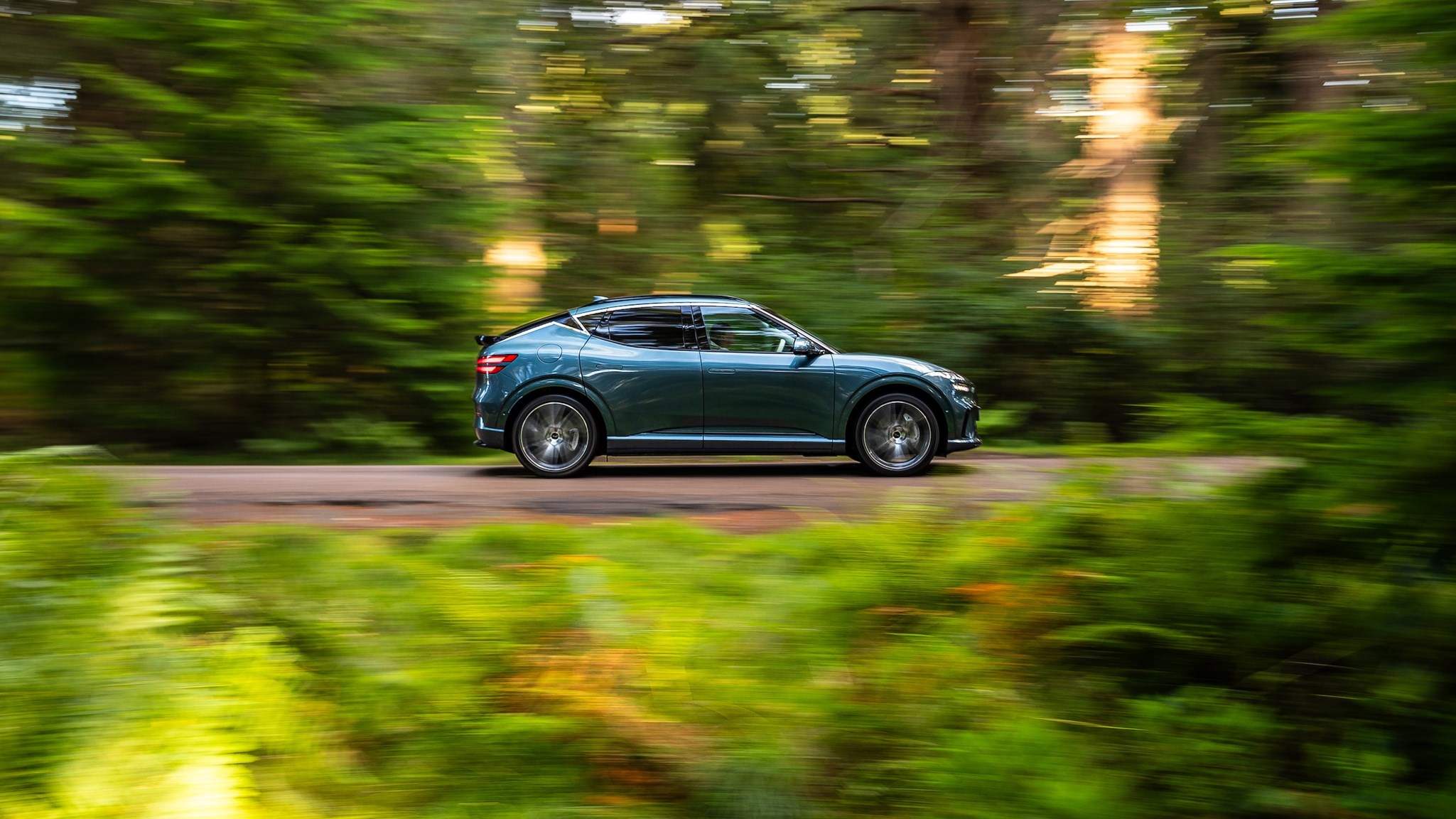
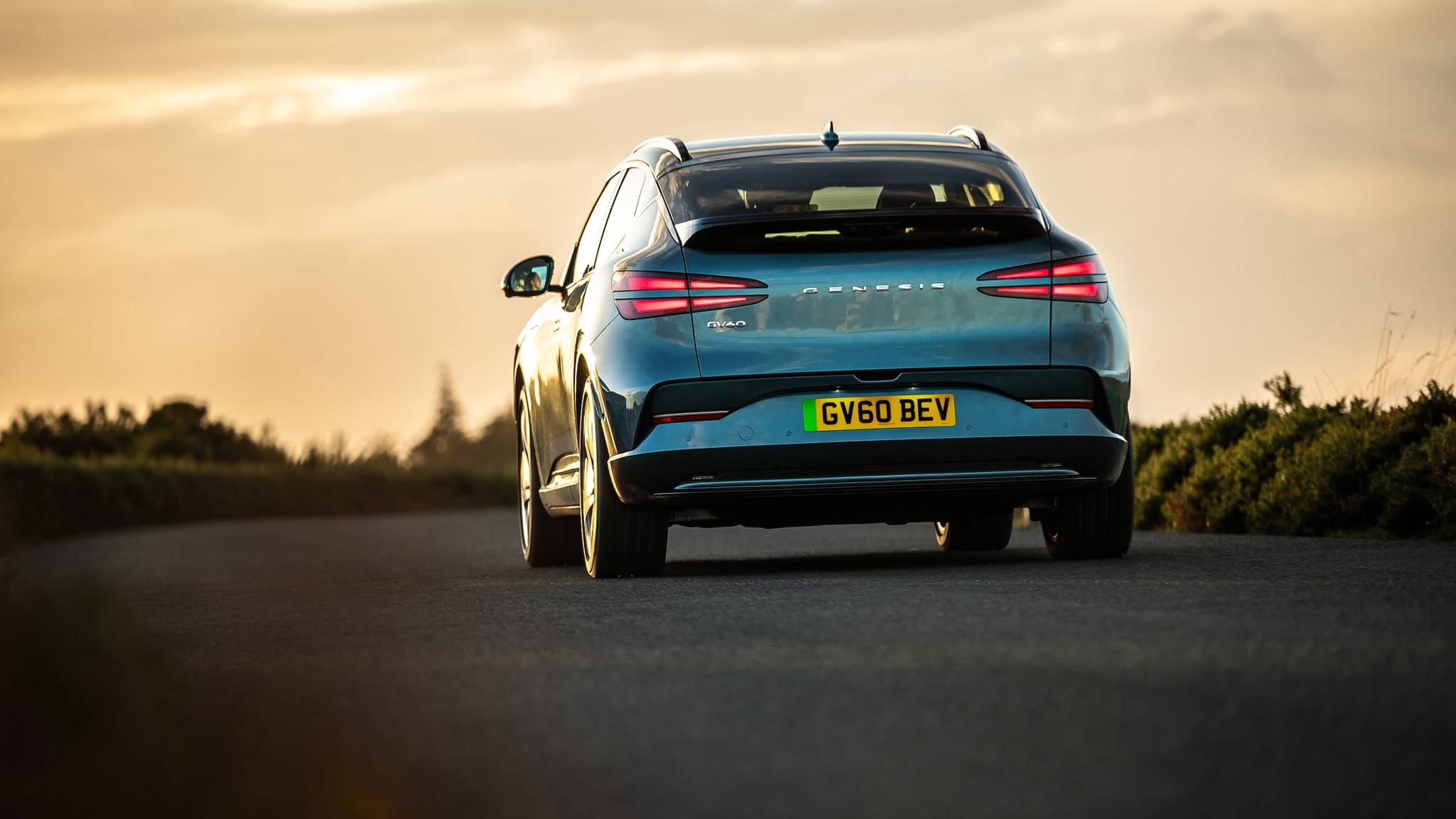
The changes here are small but cumulative. On the outside you get new, more intricately lensed headlights alongside body colour bumper panels and a redesigned front apron. It rolls on new two-tone alloys, too. In isolation these things are relatively minor but put them together and the Genesis looks more aggressive and less like an angry bar of soap.
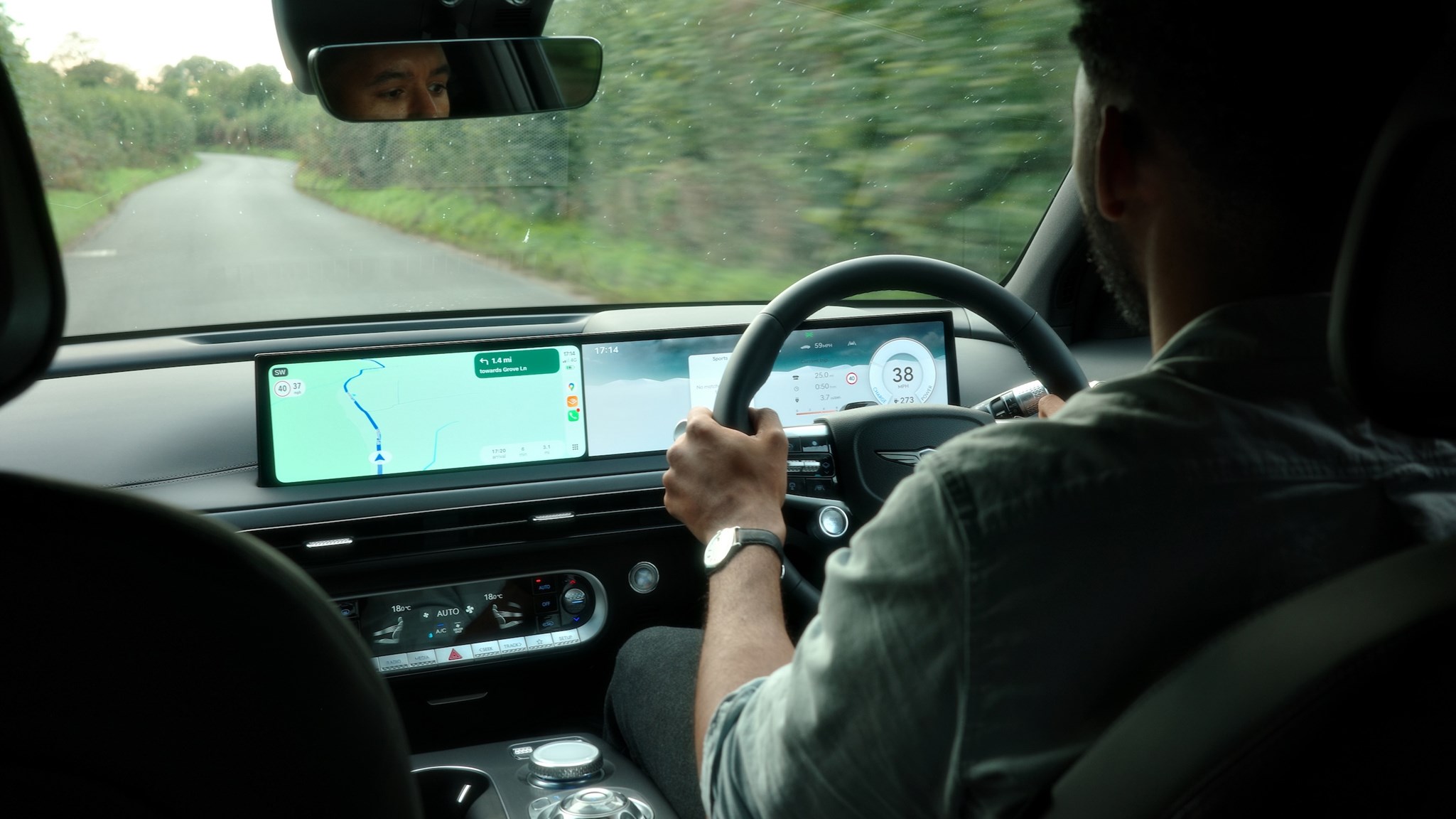
There are differences inside too, such as a wireless charger (much needed in a luxury brand) a joined-up 27.0-inch display (it had two separate panels before) and a D-shaped steering wheel with a flat bottom. We also get an electric rear-view mirror, though the GV60 has a back window, so you can use it like a normal mirror too. The are other more significant spec changes to the powertrain and battery tech and we’ll talk about those next.
What are the specs?
Genesis has given the GV60 a new fourth generation battery with an 84kWh capacity, as well as new battery technology that allows cooling as well as heating. Regenerative braking now considers navigation information. Finally, the GV60 now supports 800V charging for speeds of up to 240W. With that in mind you can get 10 to 80% of a battery done in just 18 minutes if you’re using the right charger.
Put it all together and the Pure trim gets a 348-mile electric range and 226bhp, the Sport dual-motor gets 318 miles and 314bhp, while the top Performance spec gets just 311 miles of range but 483bhp (accessible for ten seconds at a time with the boost button). It’ll also do 0-62mph in 4.0 seconds.
What’s it like to drive?
On track the GV60 can feel rapid, even in the long, fast bends of Thruxton circuit. Keep your lines tight, braking straight and steering inputs as smooth as possible, and the GV60 can be manipulated around the track like a greased-up bar of Dove.
The issues begin to appear when your driving isn’t so textbook. Correct a little too much or hustle the car and merciless body roll saps your speed for several corners. Trail brake a little too optimistically and you’ll feel the GV60 lurching to the scenery. Genesis engineers could do little about the sheer weight of the GV60, but this car feels somewhat less dynamic and playful than we’d hope.
Suboptimal, considering Genesis is supposed to be the luxury but performance brand now. Still, the forthcoming Magma GV60 could scratch that itch for us.
Roll aside, the Genesis has impressive control weights: the steering is intuitive and accurate, while the brakes are both powerful and predictable – not a given in the EV space. At the same time the throttle feels accurate and pleasingly linear.
We tried the ‘virtual gears’ too and found them fun if a little irrelevant. Perhaps we needed a few more laps with them, but they felt like a gimmick more than anything else. The engine noise too felt more PlayStation 1 than £60k EV.
On the road, the Pure model was comfortable if not a little busy on slower roads, with the jiggly ride getting more noticeable for rear passengers. It’s not what you’d expect from the luxury premium brand and feels a touch too close to the other e-GMP models.
Much of this cleared up at motorway speeds, though around town the experience for those in the back wasn’t what you’d call premium. Leg room was good, though.
What about the interior?
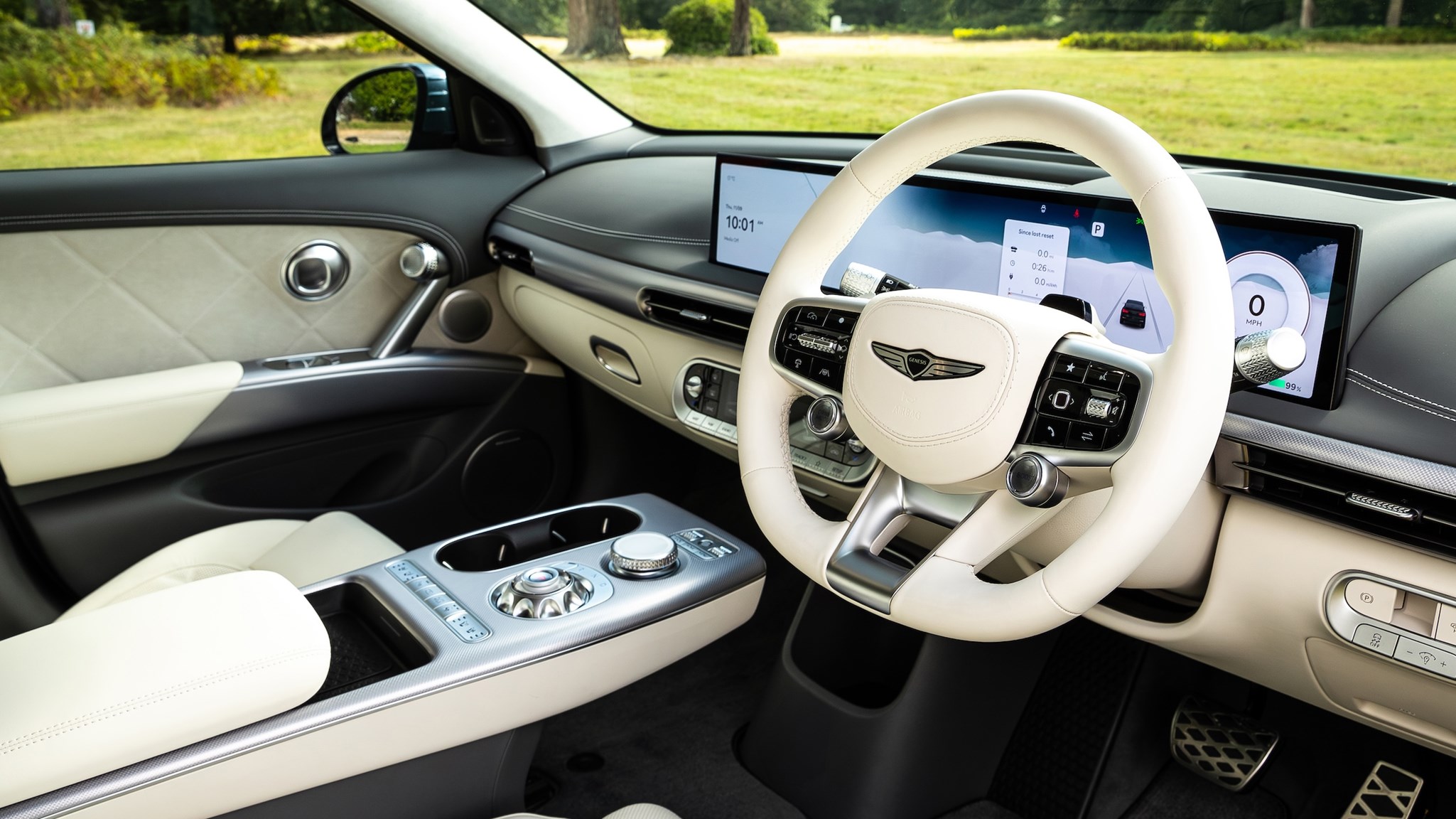
The GV60 may be somewhat anonymous to drive, but it’s very identifiable inside. It’s a bit marmite, with very full-on plush upholstery and stitching. And yes, the gear-selector/ snow globe makes it to the facelift too. It’s clearly not to my taste, though many enjoy the Genesis’ take on luxury.
Still, there are objective improvements to the cabin for this facelift, such as a new joined-up 27.0-inch screen and wireless charging. Both put the GV60 right back in the picture tech-wise.
Alongside those tweaks, the GV60 also gets content streaming from services such as Netflix with three years of data included – not always a given in this increasingly Pay As You Go tech landscape. There’s also a digital rear-view mirror, built in dash cam and improved remote parking assistance – though we couldn’t try the latter.
Before you buy?
The range starts with the Pure at £54,115 and that rises to £58,515 for the Sport. Finally, the current range-topper Performance trim sets you back £67,715, though that’ll be usurped by a forthcoming GV60 Magma, which will cost around £100k and be a match for the Ioniq 5 N.
Verdict
In isolation, the Genesis GV60 is a solid car with mass appeal and solid speed. However, its main issues come from the cars it shares a platform with. Both Kia and Hyundai’s products are cheaper but feel more defined and more bespoke than the GV60. Factor in the price hop over those, and this facelifted Genesis – while very good in its own right – still feels surplus to requirements.
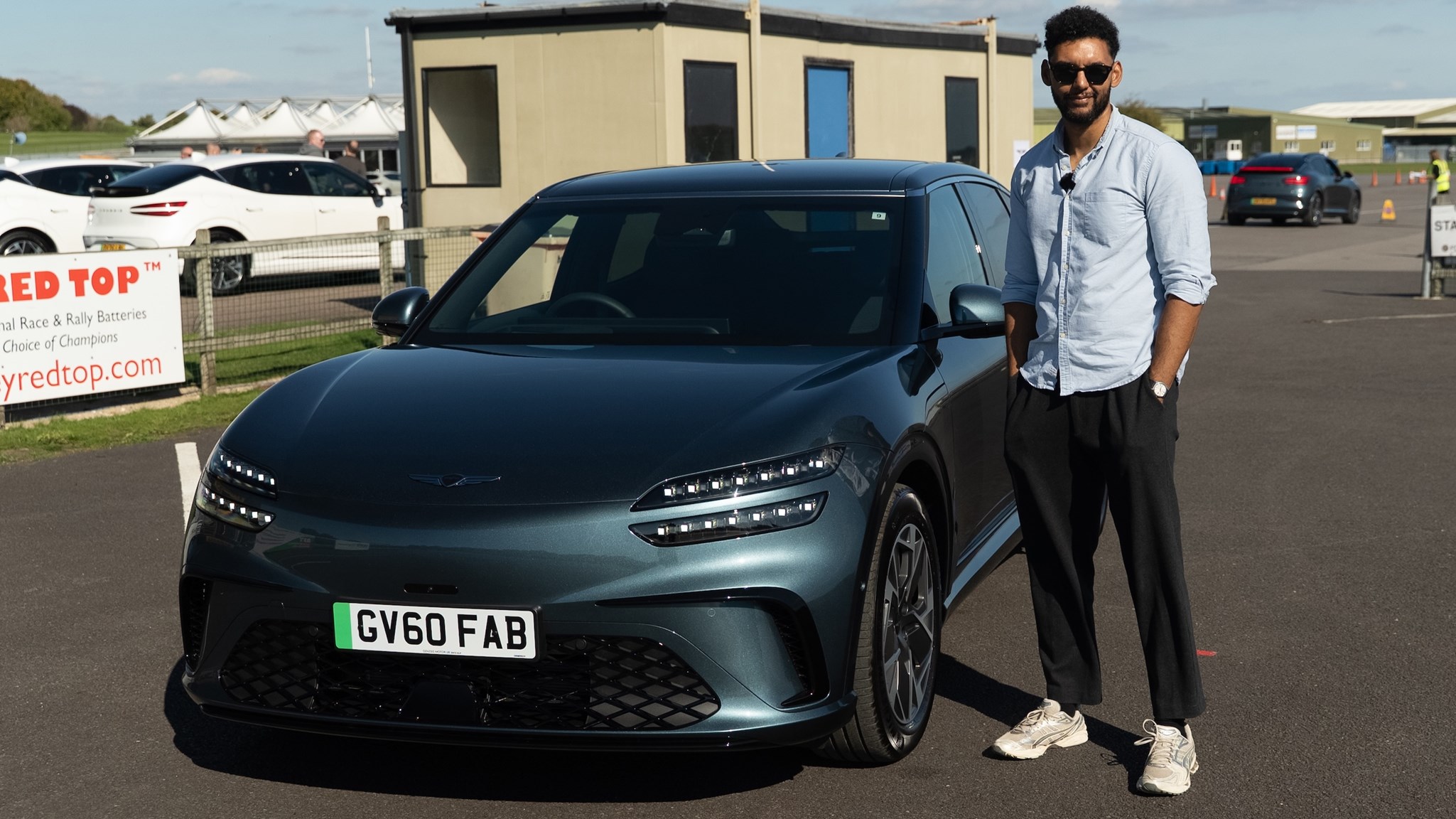
With any luck the GV60 Magma will set the tone for the rest of the range, and Genesis will finally find its niche.
Specs for Performance model