► Audi’s new Q5 SUV driven in UK
► New platform and engine tech
► Interior is a wild departure from previous Q5
The Audi Q5 is the most important car that this German marque makes. No ifs, no buts, it’s the best-selling four-ringed model globally, and a key player in the premium SUV market.
Along with cars such as the new ICE A6 and electric A6 e-tron, it’s one of a multitude of new Audis being launched in 2025 aiming to steer this brand back to greatness. Ingolstadt management, then, will likely have all its collective fingers crossed for the new, third- generation Q5.
So, can this new-era SUV – complete with actual combustion engines – keep Audi on the straight and narrow?
At a glance
Pros: Smooth and quiet, clever engine tech, practical
Cons: Interior is a backward step, various software niggles, yet to try it on standard suspension
What’s new?
By Audi standards this new Q5 is quite different to the last. Using Audi’s new Premium Platform Combustion (PPC) architecture, shared with the latest Audi A5 and engine-powered versions of the A6 (which was originally going to be called A7). This is a properly global model for Audi and effectively its bread and butter in many markets.
Audi claims this generation is not only smarter with all the new technology on board, but more efficient due to the use of its MHEV Plus mild hybrid technology across all of its non-electrified engines. Smaller details like more flexible rear seats, a stowable parcel shelf feature, too.
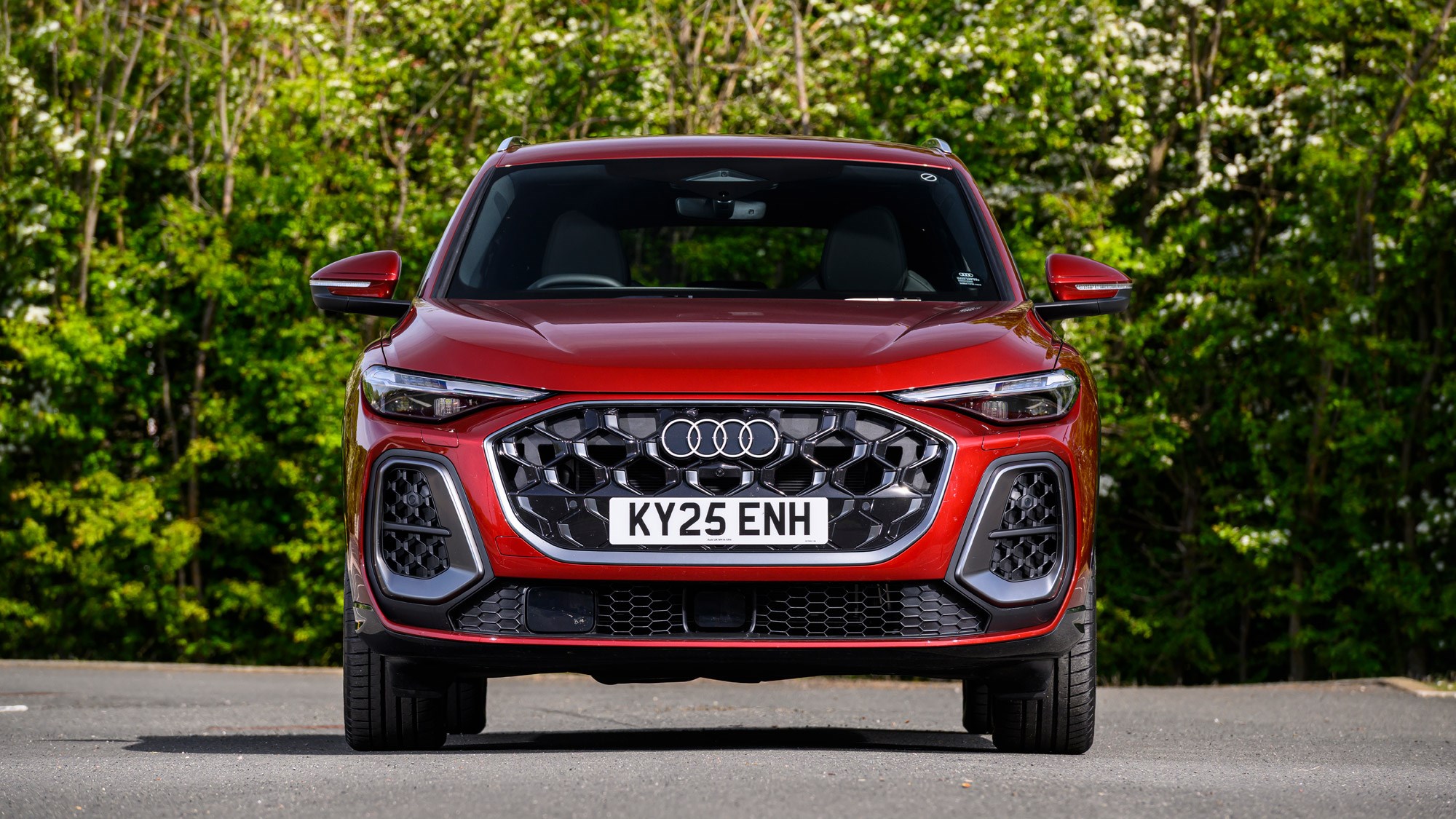
In some ways, the design has gotten both busier and cleaner. The front is more bullish and brash, particularly if it’s specified in a light silver trim, while the rear end is arguably neater than the outgoing model. Though the rear three-quarter is very similar to the previous-generation MG HS. Once you see it, you won’t be able to unsee it sadly.
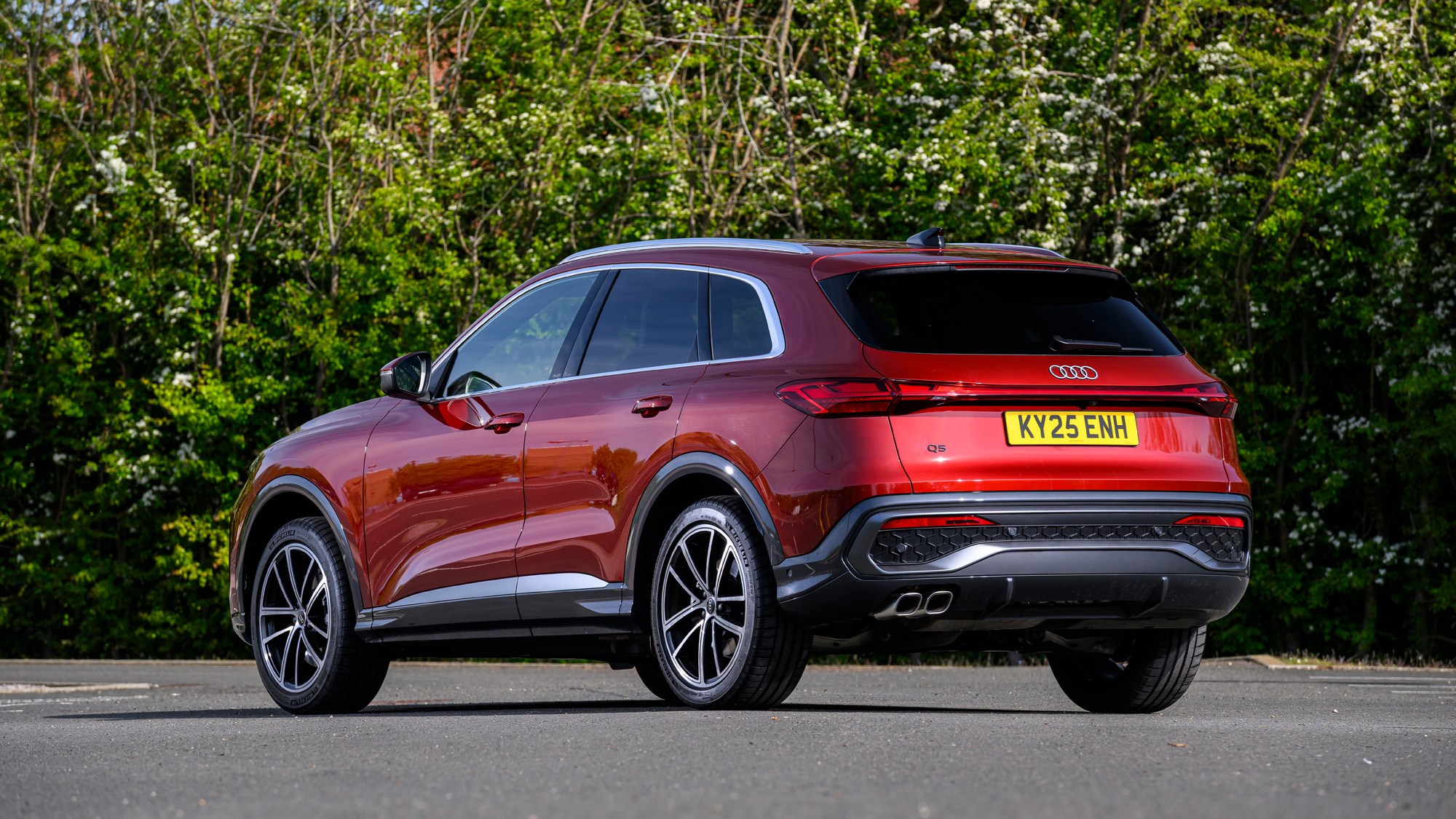
The Q5 now also benefits from customisable light signatures front and rear via its new OLED lenses, and new paint colours include Sakhir Gold – a properly interesting sandy beige colour that originated with the updated Audi Q8. I predict absolutely no one will spec it in the UK (not least because it’s a £1495 option at the time of writing), which would be a shame as it looks quite distinctive.
But it’s inside which is the main change, with the Q5 featuring Audi’s new ‘digital stage’ interior, made up of a huge wraparound touchscreen and digital instrument cluster, and in the process just about every button has been taken away.
As well as the SUV model driven here, Audi will also sell you a Sportback model with a more coupe-like roofline as well as a high-performance SQ5.
What are the specs?
Much like the A5 and A6, the Q5 launches with a single petrol and a diesel option. Both are 2.0-litre turbocharged four-cylinders, both generate 201bhp and both are connected to a seven-speed dual-clutch transmission that sends power to all four wheels. Relatively straightforward, then.
Interestingly, in a departure from the A5 and A6, *both* the petrol and diesel engines feature Audi’s MHEV Plus system that’s designed to offer around 20bhp of e-boost and enable engine-off coasting and low-speed driving when you’re in traffic. That differs from other recent Audi combustion cars as this is the first time a four-cylinder petrol engine has featured the tech.
Performance for both engines is broadly similar, with 0-62mph taking 7.2 and 7.4 seconds on the petrol and diesel respectively, with both maxing out at 140mph. Audi claims up to 40mpg on the TFSI and 47.1mpg on the TDI. Based on our testing of the latter, that figure should be quite easily achievable on a motorway run.
Two plug-in hybrid models will also launch in the summer to flesh out the range: one with 295bhp and one with 362bhp. Expect a 60-mile electric range.
What’s it like to drive?
It is still a bit odd to press the start button of a combustion car and for nothing to happen besides a bong, but it means straight away you know that MHEV Plus system is at work. It means you get some instant throttle response and near-silence when crawling out of that multi-storey car park or off your driveway – handy when trying to make a quiet getaway. It doesn’t take much for the engine to wake up, but it’s a welcome step forward compared to the previous Audi mild-hybrid systems.
Is the Q5 exciting to drive, though? Not really, but it’s all pretty good. The steering has some reasonable weight and fluidity to it, though feels quite numb immediately off-centre, the driving position is adjustable and offers decent visibility and many of the pedal weights are well balanced.
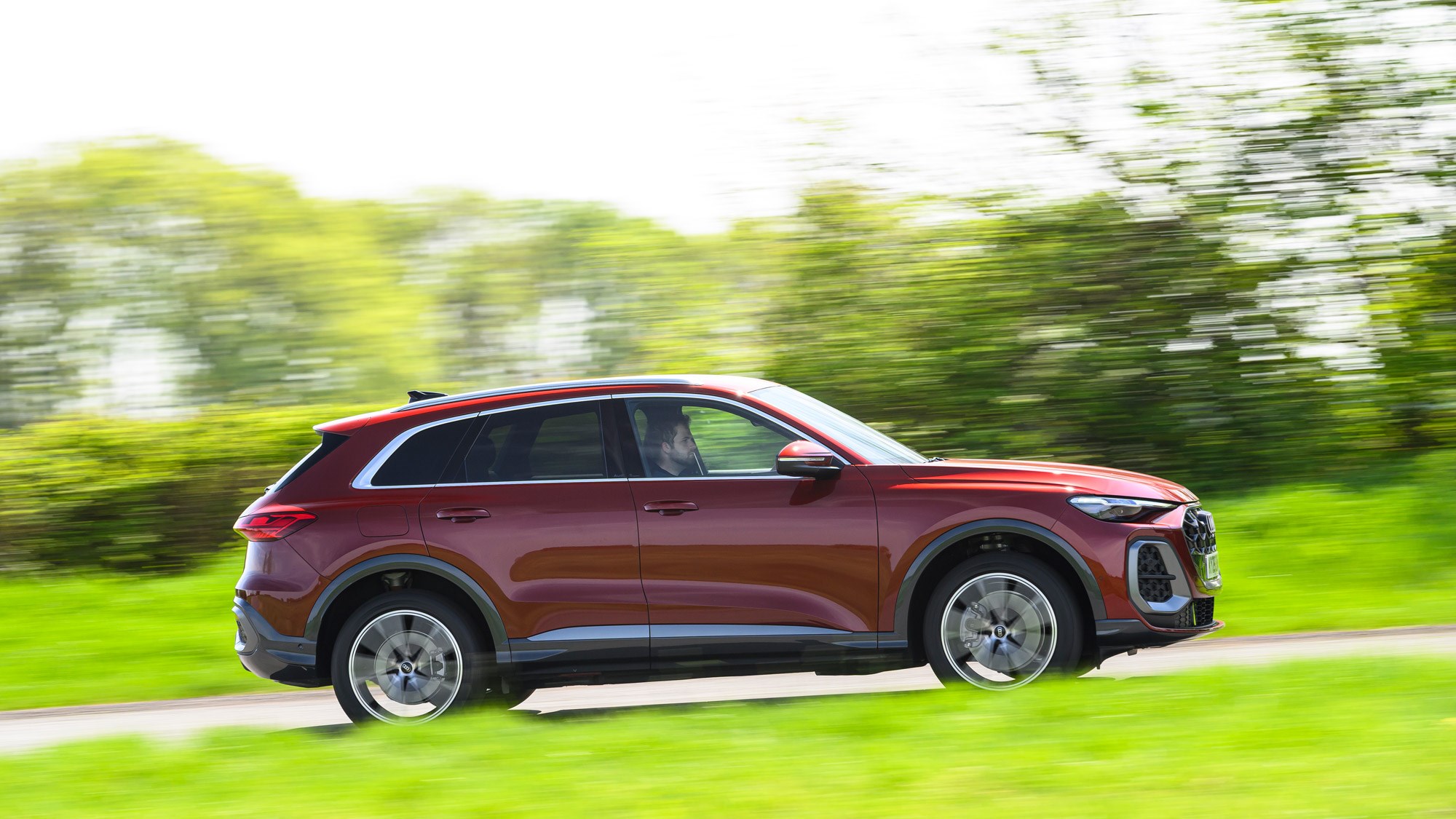
The brake pedal feels rather firm and alert, which took a little while to get used to but becomes fluid and welcome very quickly – particularly when so many cars have soggy brake pedals when they need to balance physical braking with energy regeneration. We’ve previously run an Audi A3 as a long-termer and the brakes were terrible because of the regenerative element. A new BMW X3 is more involving, but we could probably have predicted that even before getting in the driving seat.
We’ve only driven the Q5 on adaptive air suspension so far – even in the UK because it’s only the initial ‘Launch Edition’ cars that come with this as standard. It’s otherwise a £1,725 option, and while few are unlikely to choose it, it’s a far better use of money than a fancy paint colour. The ride height raises and lowers depending on drive mode (it drops in Dynamic, for example, compared to Efficiency or Balanced modes) and it’s a good ride balance for UK roads – even on 20 or even 21 inch wheels.
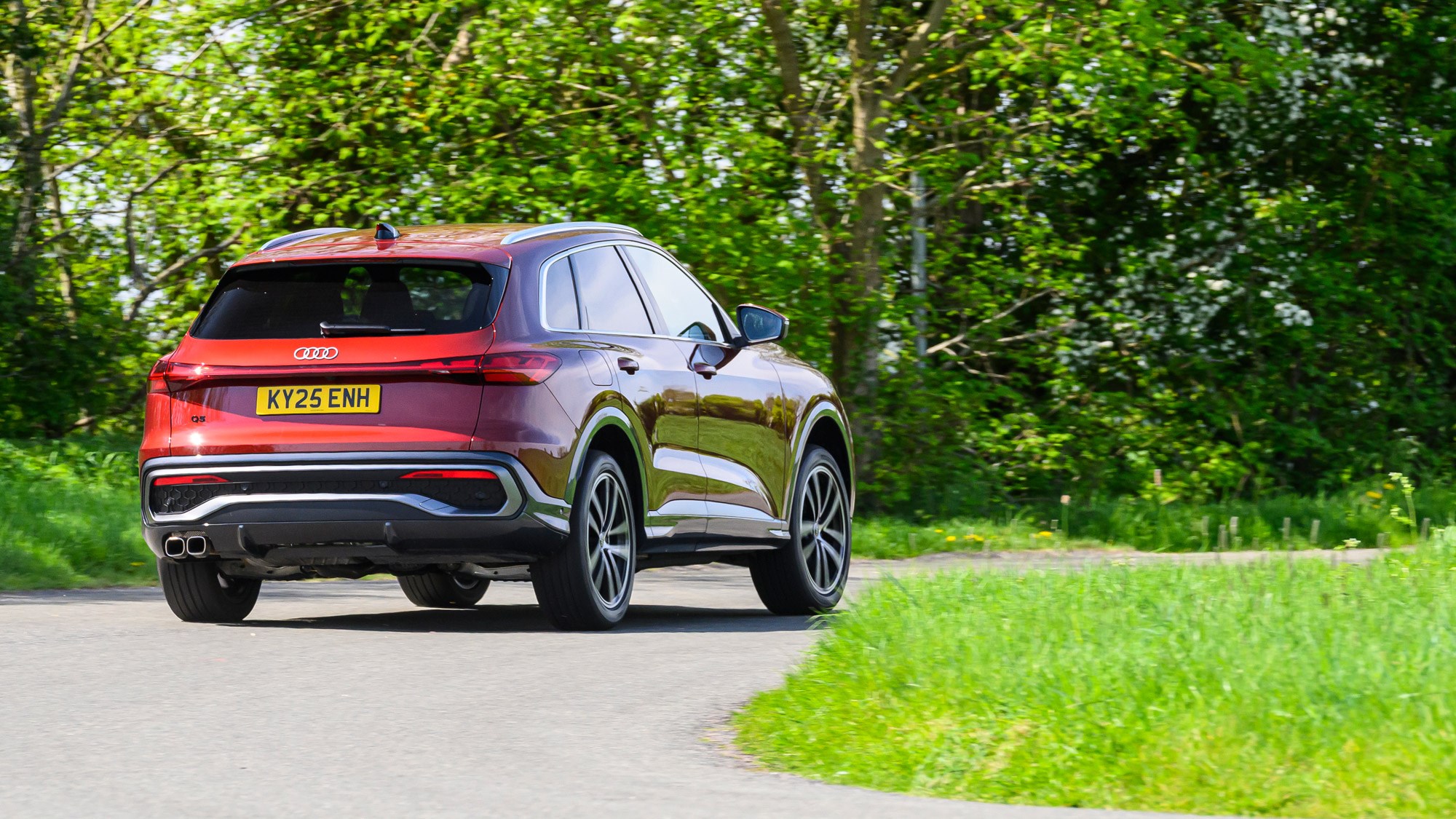
There is some body roll when you corner aggressively, mind, but there’s no wallowy or floatiness when hitting significant undulations. It’s particularly supple, too, absorbing bumps well even on rougher roads. We do need to try the standard suspension setup still, though, and that’s a major caveat.
Audi’s new mild-hybrid system is impressive, too, particularly on the diesel, which seems like the more responsive powertrain when it comes to the engine and transmission talking to each other. Shifts feel speedier (and that’s in Balanced mode, let alone sportier Dynamic) and that lump of extra torque helps it feel more flexible more of the time compared to the petrol.
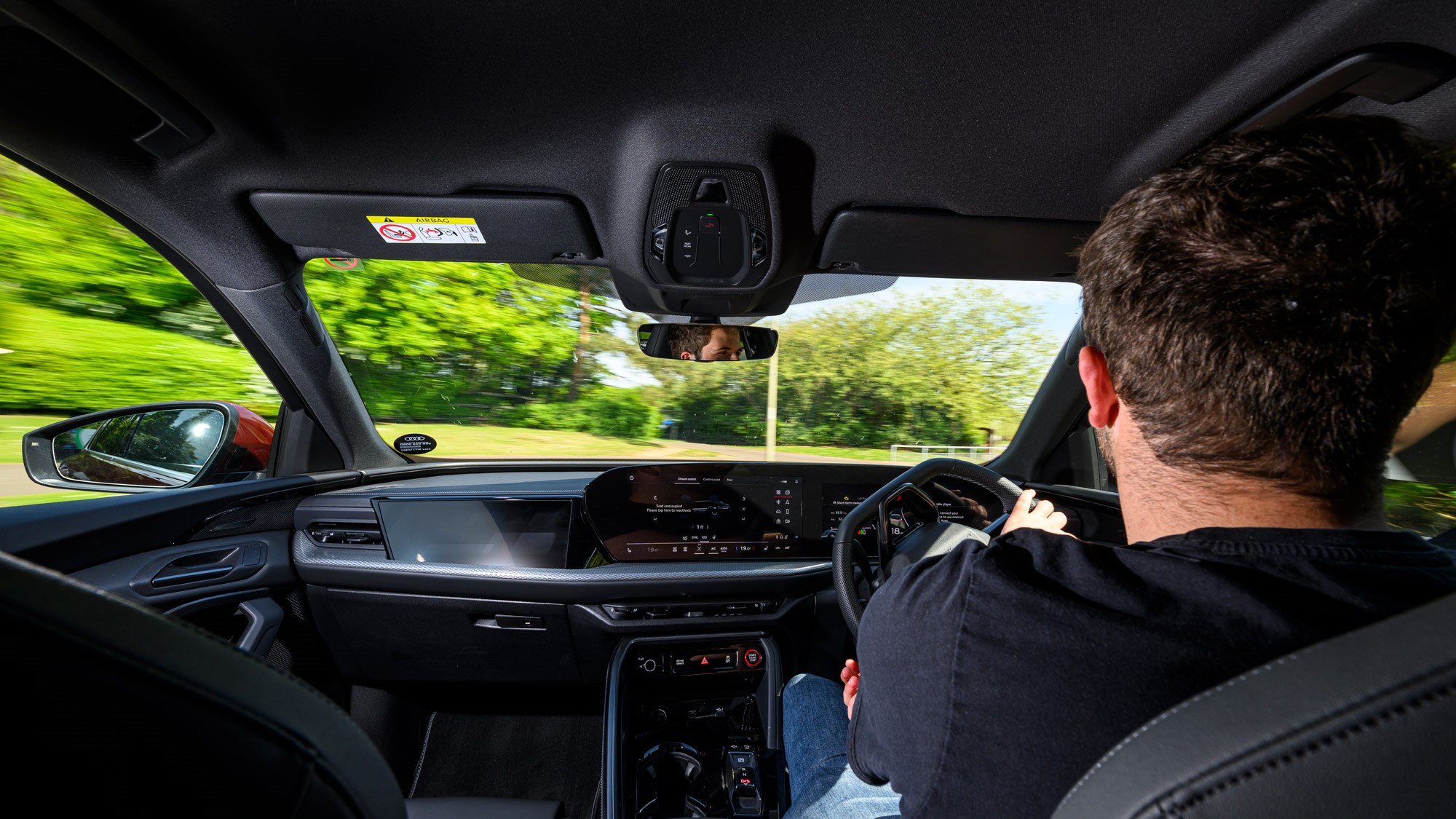
The din that usually accompanies a diesel product feels better damped and less harsh than the raspy, dry-throated petrol’s engine note. With a door open or stood outside, it still sounds like a four-cylinder VW diesel, but it’s remarkably hushed once you’re inside.
What’s the interior like?
The Q5 shares an interior design architecture with the A5 and A6, as well as the Q6 e-Tron SUV. Naturally, then, that means some predictable details like an oddly-shaped steering wheel, huge ‘digital stage’ display that includes the driver’s instruments and central infotainment screen and features like active ambient lighting.
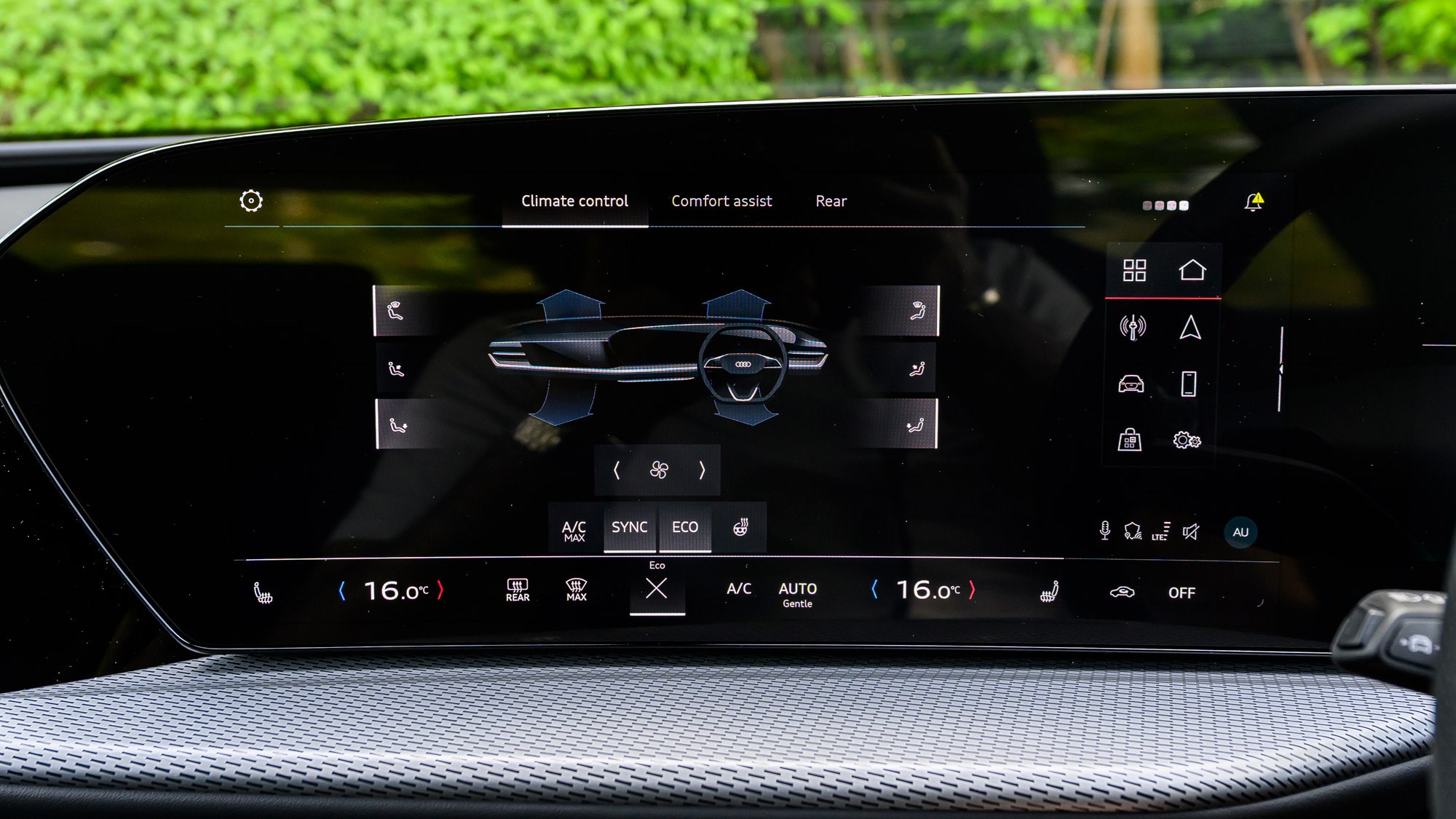
But it’s rather different to the very traditional layout of the previous Q5, and quite frankly that’s not a good thing. You’ll frequently press the wrong button by accident on the steering wheel with its irritating haptic controls, while the massive panel on the driver’s door card (handling lighting, locking and the electric mirrors) is awkwardly placed. The huge 14.5-inch touchscreen itself largely works well, with well-structured menus.
We’re far from against more controls being integrated into screens, if implemented properly, but the fact it takes multiple button presses to turn down the annoyingly loud air con fans irks. It’s also a bit of a shame that the ability to customise your view on the ‘virtual cockpit’ instruments has been drastically pared back compared to older Audis.
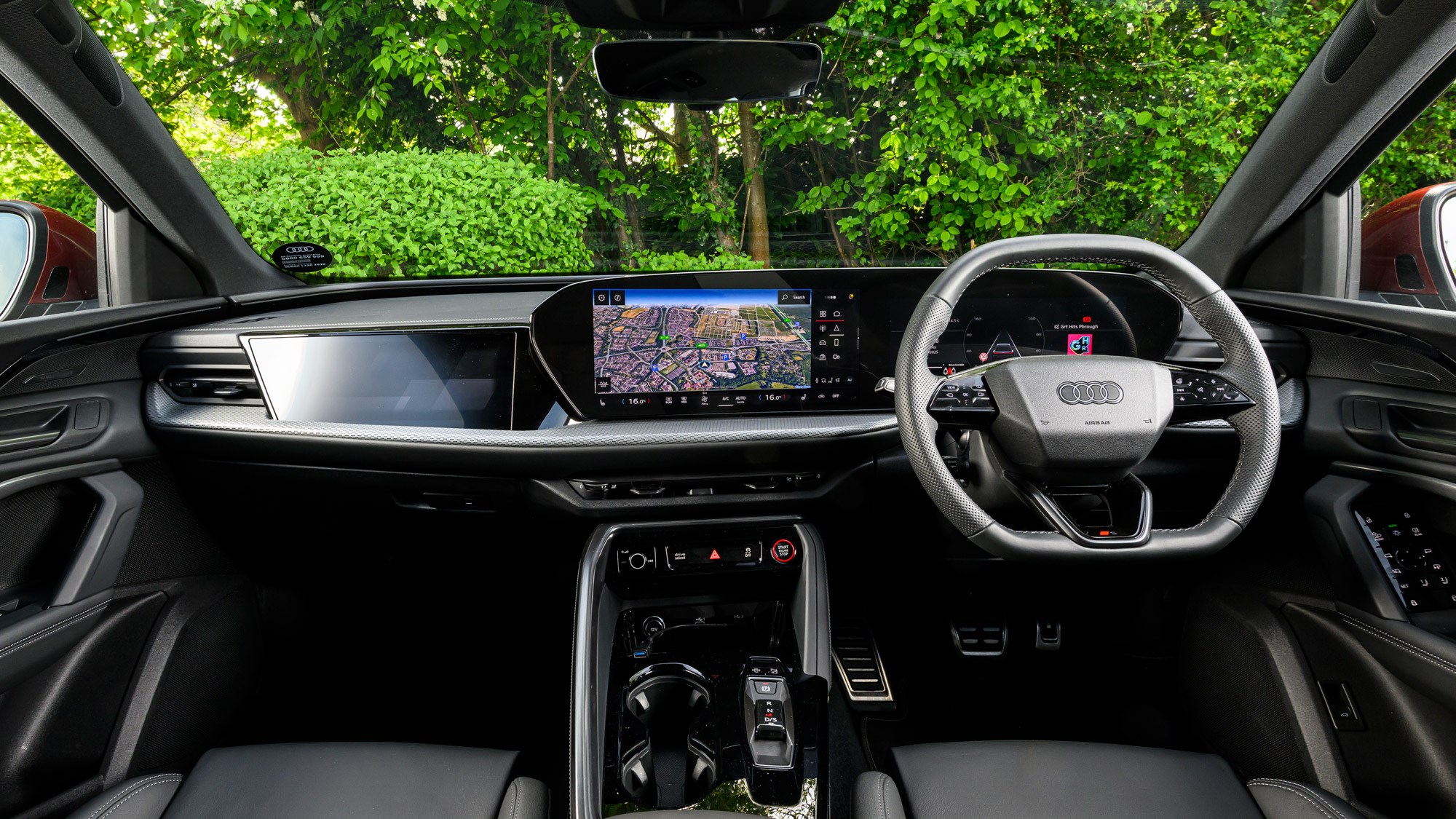
The material quality is okay but not up to usual Audi standards, and certainly lacks the premium but robust finish of the older Q5. That said, more customisation options than the A5 on which it’s based means you can have this SUV with material trimmings with metal patterns on them – rather than just gloss black plastics – and what at least looks like brushed aluminium but is unfortunately just plastic.
While the optional passenger display is largely pointless, we did find some use for it during our time, as it came with a karaoke app. Handy for at least keeping the little ones occupied for a while, although playing a game on one while the car was in motion did make us want to barf after a little while.
In the second row, tall adults can sit behind tall adults perfectly well and it’s a little gloomy if you don’t spec the glass roof – a £1,600 option, regardless of spec . Like the last Q5, you can recline your seat but for this generation, you can slide the rear bench to enable more legroom or more boot space. It’s a nifty trick though not fitted as standard to the entry-level Sport trim.
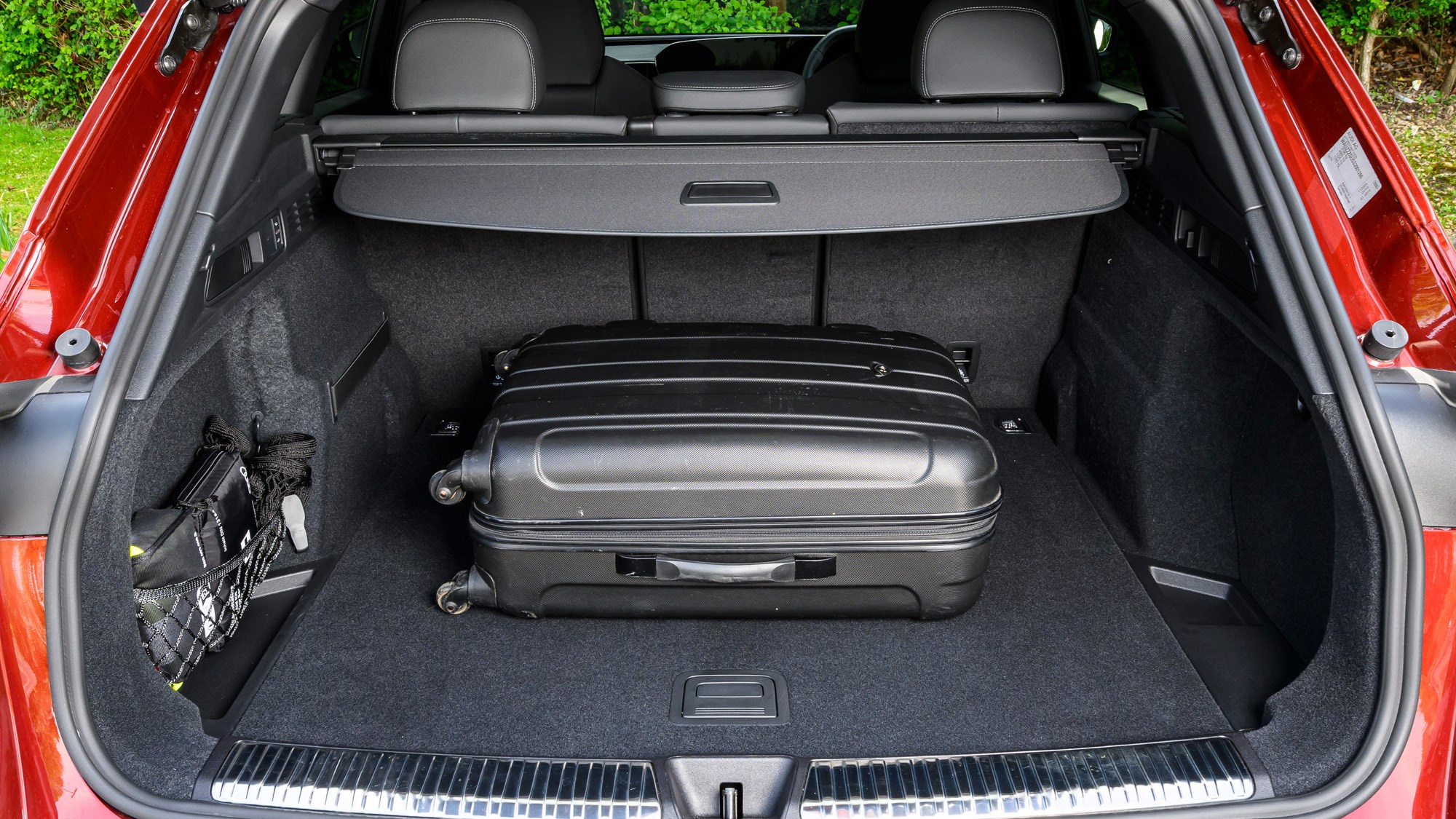
Boot space for the SUV is rated at 520 litres with the parcel shelf in place, and the Q5 has an entirely flat floor. It’s a good size, though it’s actually smaller than the old one because of its hybrid system – and smaller than an X3 or a GLC. There is a handy space beneath the boot floor to store the retractable parcel shelf, too, which is a useful touch.
Before you buy (trims and rivals)
With the Launch Edition trim only set aside for those initial Q5s arriving in the UK, the grades now available are Sport, S line and Edition 1. Sport is impressively well equipped already, with 19-inch wheels, adaptive LED headlights, heated electric front seats, three-zone climate control, 360-degree parking assistance, adaptive cruise, ambient lighting and that enormous infotainment system all thrown in.
Audi UK knows buyers love an S line, so this adds 20-inch alloy wheels, a sportier bodykit and sports seats, but also a useful storage pack that primarily brings sliding and reclining rear seats. The Edition 1 brings all the bells and whistles. Some of which are useful (electric front seats, Matrix LED headlights and keyless entry) and others which aren’t (configurable LED signatures and a passenger touchscreen – I mean, why?).
Prices for the Q5 start from £51,410 for the petrol and £53,060, but it doesn’t take much to get it £60,000 by the time it’s in the right spec, colour and has air suspension fitted.
The Q5 sits in a hotly contested segment, but one Audi’s not worried about. This is one of its core cars, selling boatloads of them despite countless rivals. Naturally, the Q5 will be flanked closest by the BMW X3 and Mercedes GLC and splits them down the middle. The X3 is the sharper car but is hampered by a harder ride; the GLC will be techier still compared to the Audi. Volvo’s perennial (and still very good) XC60 remains another option, with a facelift recently announced.
Oh, and a final (important) thing. It’s worth being aware of Audi’s ongoing software issues. Our first Q5 test car had the engine light on, being swapped for a second car that had intermittently working electric window. Yes, really. Both faults have also been experienced by our sister publication Parkers, running an Audi A5 Avant long-termer.
Verdict: Audi Q5
A new Q5 is keystone model, and one Audi needs right now. It’s a great all-rounder to drive, reasonably practical, well equipped and a great balance in the premium SUV market as it flanks the harder X3 and the chintzy GLC. Is it exciting? Nope. But it’ll do the job of being a family SUV pretty darn well.
But Vorsprung durch Technik, ‘advancement through technology’, this new Q5 is not. In many ways the interior feels a real step backwards – harder to use, not as well-built, it’s what a premium Audi SUV should not be. Getting software right is proving a real challenge, but Audi should be doing better, and customers spending their hard-earned shouldn’t be treated as beta testers.
Specs are for an Audi Q5 S Line TDI quattro S Tronic