► Three years on, we revisit the Niro
► Cool design at launch, but doesn’t it look bland now?
► Is it worth choosing over the popular Sportage?
The passing of time can be kind be to some car designs and less so to others. The second-generation Kia Niro fits very much into that latter category. Three years ago this hybrid SUV looked modern and fresh, not least compared to the previous version, but in 2025 it’s become really quite bland. The private hire image doesn’t help, and neither does the fact Kia’s design language moves so fast that it doesn’t take long for one of its cars to look quite dated.
But is that being harsh against the Niro, which in many ways still feels like the right car at the right time? A compact(ish) SUV with hybrid and electric powertrains and low running costs is very 2025. But it unfortunately stands, quite literally, in the shadow of the larger, taller and generally more SUV-like Kia Sportage, which continues to sell like hot cakes – it’s the UK’s second most popular car no less. But with prices of a Niro being some £3,500 less than a hybrid Sportage, is it worth overlooking its blandness for?
What’s new?
The second-generation Niro rides on the latest Kia K3 platform, stiffer and lighter than the one that it replaces. It’s also slightly longer and wider than the old car, with a longer wheelbase which gives it more interior space. As before, it’s sold purely with electrified powertrains. We’ll cover the hybrid and plug-in hybrid versions here, but we have a separate Niro EV review if you’re looking for the electric model.
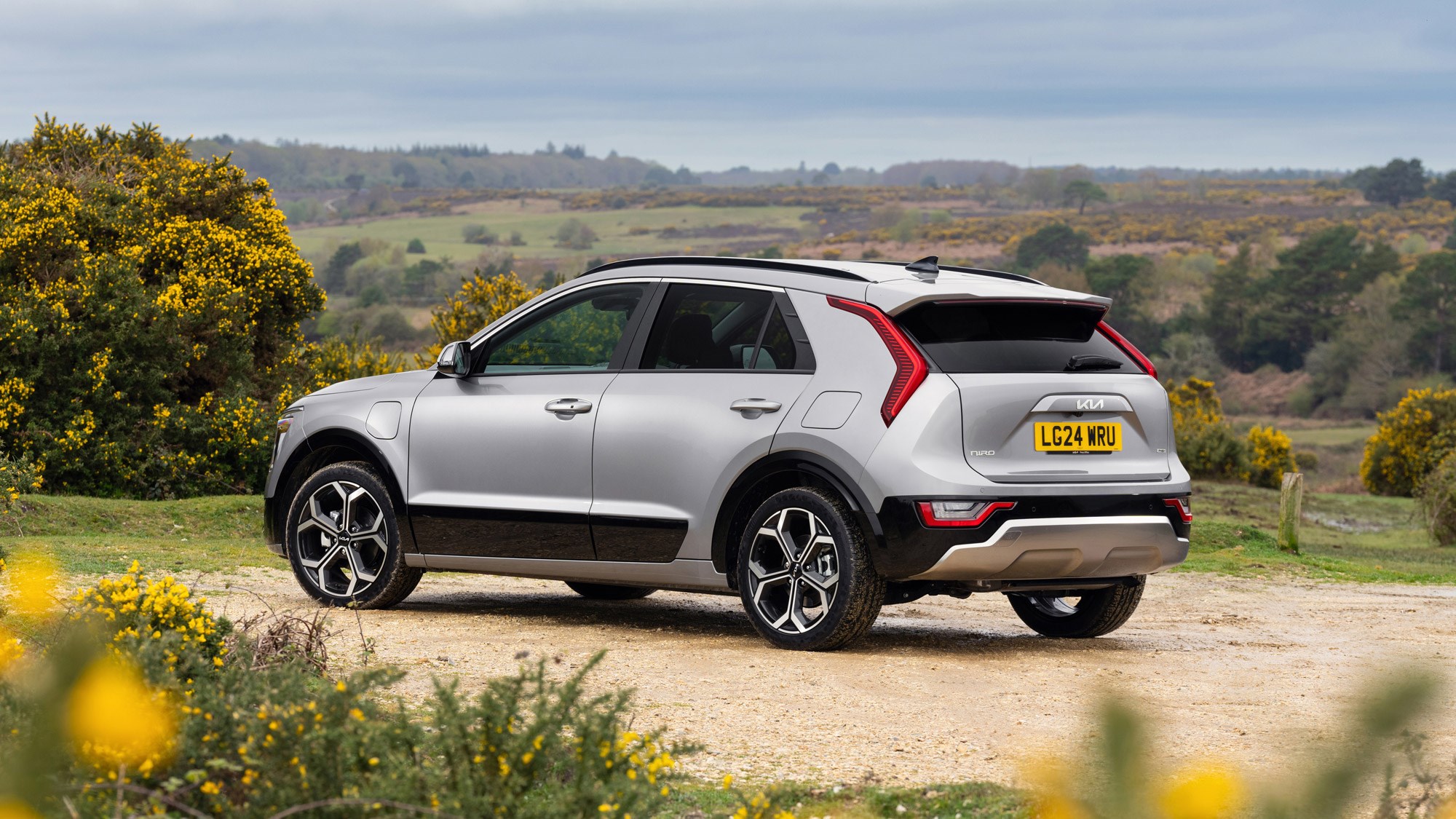
It hasn’t had many revisions since its launch in 2022, though some small revisions include Kia’s rotary gear selector being implemented on hybrid models, instead of the clunky gear lever it was launched with, and the trim level names have also moved to Kia’s new naming strategy. That means the numerical 2, 3 and 4 grades are gone and in place are Pure, Evolve and Aspire models.
What are the specs?
Despite using a new platform, the second-generation Niro broadly carried over the powertrains from its predecessor, with both hybrid and plug-in hybrid based around a four-cylinder 1.6-litre petrol engine. There’s no turbocharger, either, unlike what you get on the far punchier hybrid setups in the Sportage. Both are joined by an electric motor, with the PHEV’s being more powerful. Figures for the hybrid and PHEV are 136bhp and 168bhp respectively, with both versions slightly down on power as part of recent revisions in order to meet the latest emissions regulations.
The standard hybrid model takes an archaic 11.4 seconds to accelerate to 0-62mph, making it among the slowest hybrids on sale, with the PHEV doing it in a fraction under 10 seconds. But it’s the Niro’s running costs that are of greater interest, with even the self-charging hybrid promising 59mpg, a figure quite easily achievable. Regardless of how you drive it, you’ll also get 10mpg more than the equivalent journey in a Sportage.
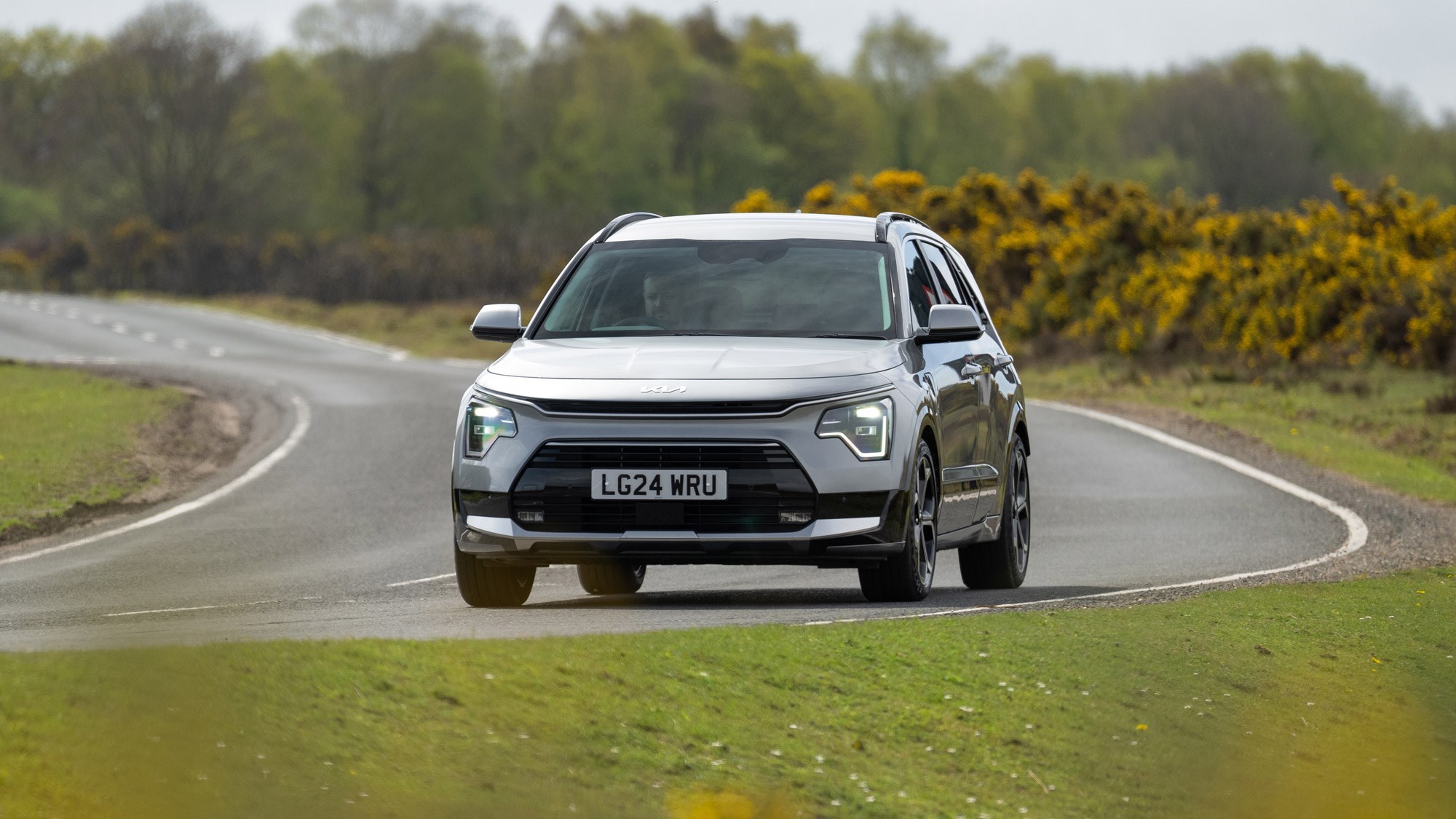
The Niro PHEV gets a larger 11.1kWh battery, which Kia says allows for a claimed 45 electric miles when it’s fully charged, but expect more like 30 miles in real-world use. But, as with all PHEVs, take its claimed 353mpg with a pinch of salt, you would practically never have to use a drop of petrol to achieve such a figure.
How does it drive?
The two hybrid models drive surprisingly different to each other, though not a lot different to the old car. We’ll start with the HEV, which is by far the weaker of the two offerings. With that modest output, it needs working quite hard to make progress – and when you do, the thrashy engine note and rather clunky gearbox make themselves well known. It doesn’t quite moo like a CVT but in some ways it’s actually worse, most CVT-equipped hybrids being fairly refined beasts these days.
The PHEV’s extra grunt is welcome at all times, with the more powerful electric motor improving response. It’s not what you’d call overpowered, but the petrol engine does have more of a chance to relax than in the HEV.
Don’t expect the open road to be a particular pleasure in either car, though. The completely remote-feeling steering inspires absolutely no confidence, there’s lots of body lean and not a great deal of grip. Tiptoe into corners and you’ll feel much safer.
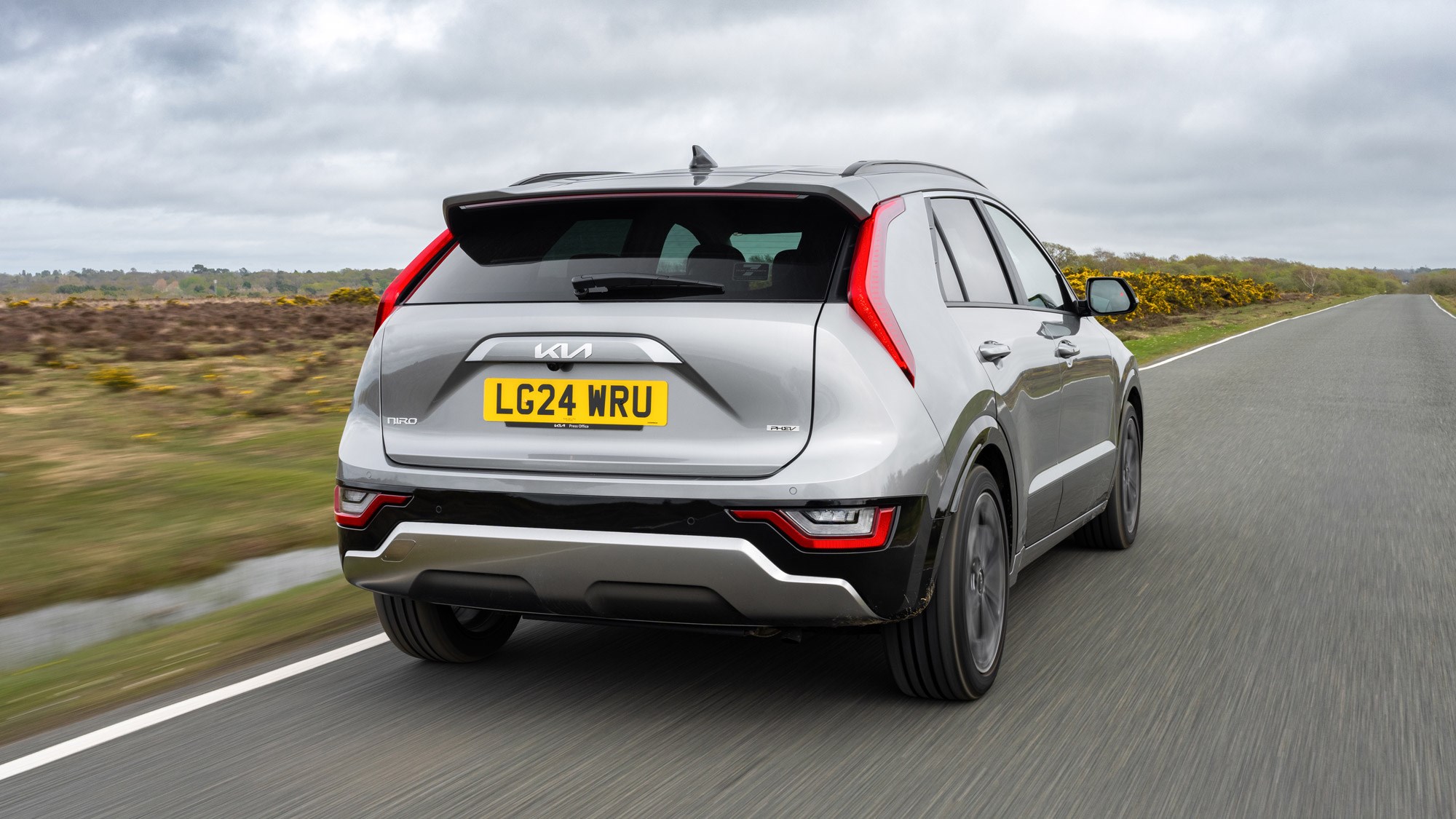
Driving round town is better, with light controls and reasonable visibility. The regenerative braking comes with three settings and a ‘max’ mode, operated by holding the left paddle. It’s rare for a hybrid to be available with so many levels of regen and, though it takes time to get used to, it’s easy to use when you do. The regen paddles also become more common gearshift controls when you switch from eco to sport driving modes (the only two available).
Ride quality was a bugbear of the old Niro, and the new model is a big improvement. Smaller wheels are, of course, preferable, but even on the larger 18-inch alloys, it does a good job of ironing out bumps without too much interference.
What’s it like inside?
The Niro interior’s fundamentals are all excellent – decent adjustment in the seat and steering wheel, clear, easy-to-use infotainment and driver info screens, good storage for odds and ends and all the tech you could reasonably crave.
It also makes all the right eco noises, with a headlining made from recycled materials and BTX plastics (whatever that means) on the dash and door cards.
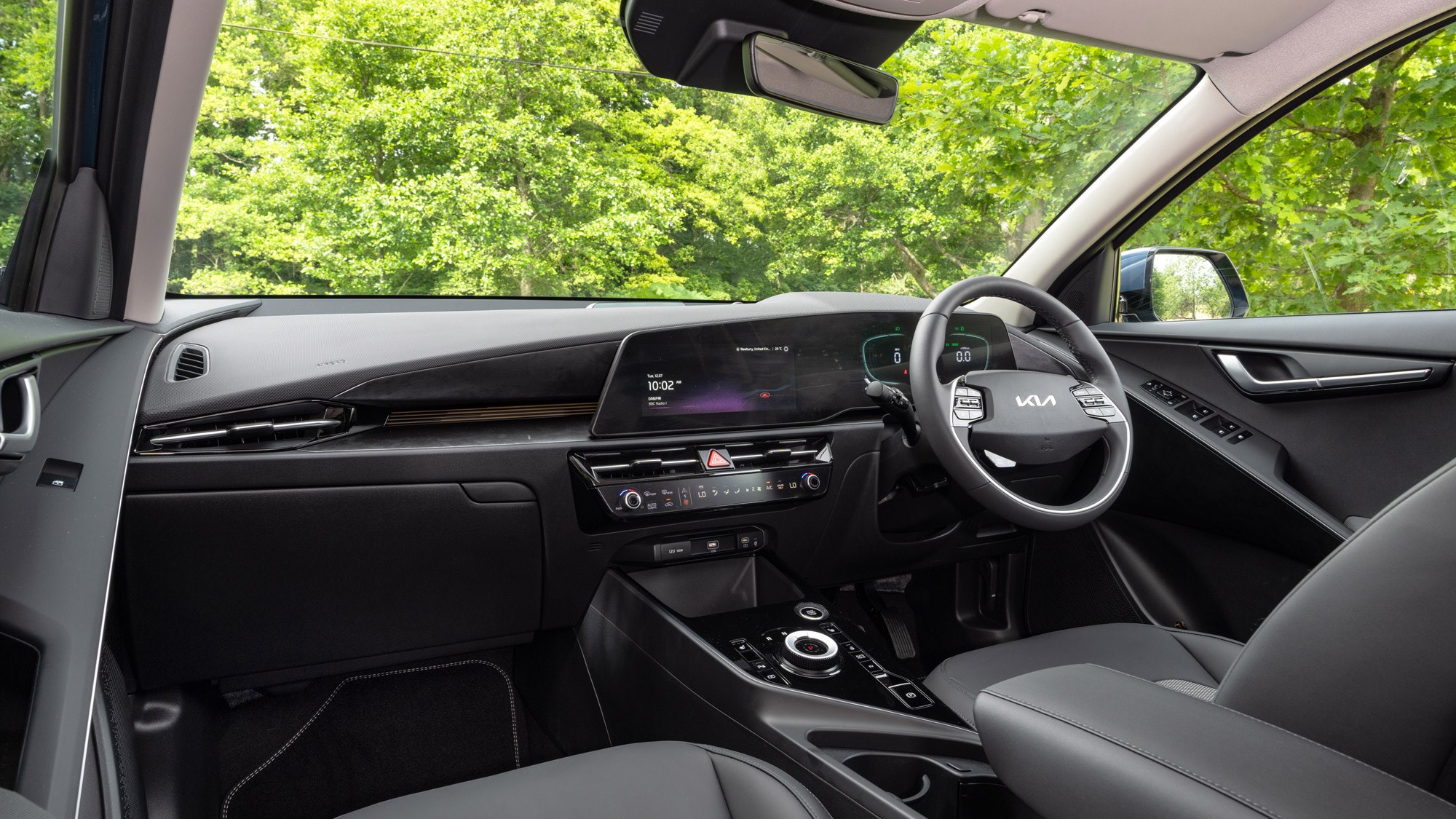
It also has the multi-purpose touch-sensitive strip (shared with the Sportage) that hosts the climate controls or the infotainment hotkeys depending on which mode it’s in, and the drive mode selector clinging to the steering wheel. But it’s all very dark in here, even with a sunroof fitted.
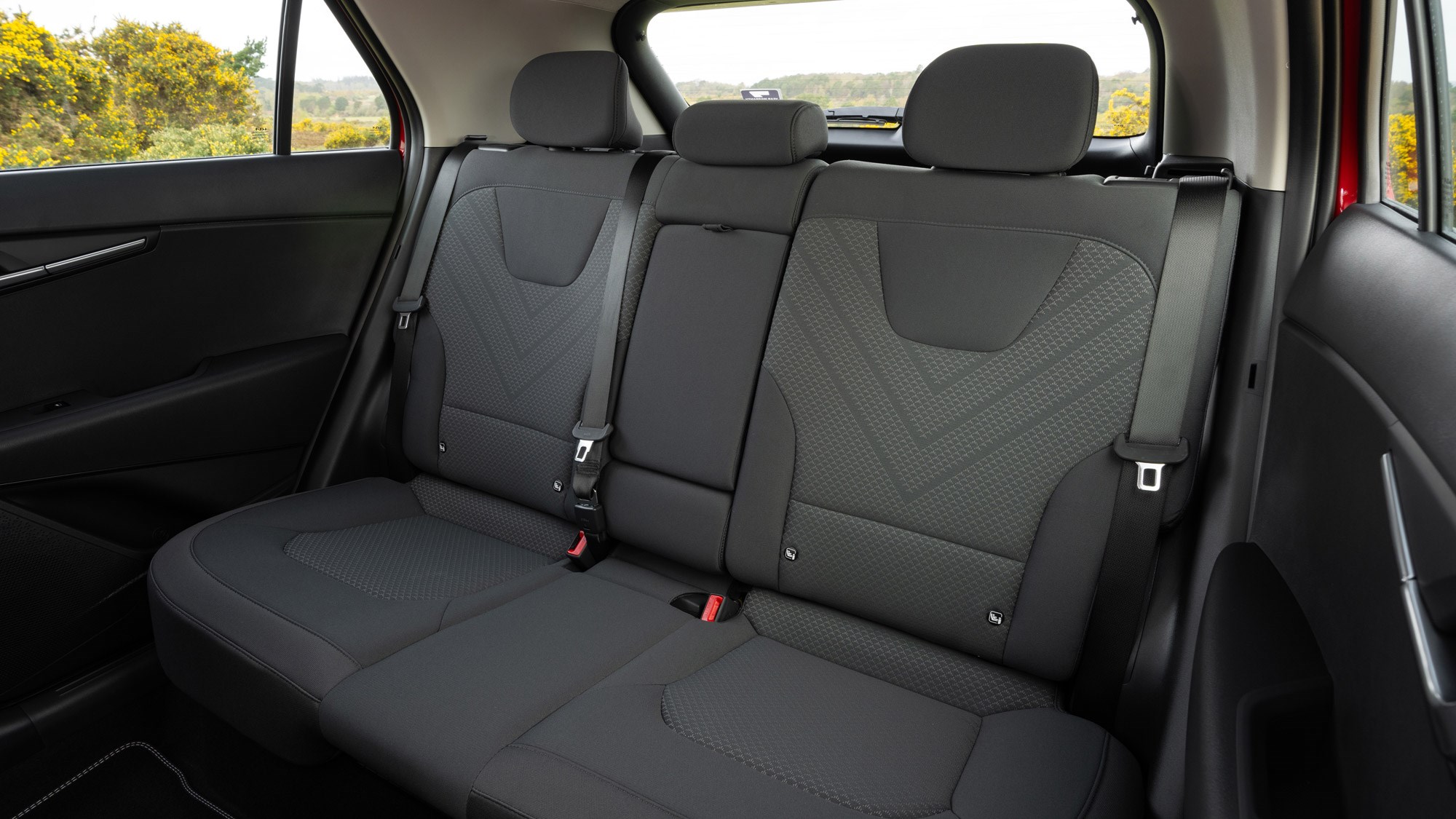
Space is one of its best assets, though. The rear seats will happily swallow two six-foot adults in comfort – or two massive child seats – with nice big doors and deep windows to give everyone a good view out. The boot’s wide and flat, but not the largest – especially on PHEV models, which lose more than 100 litres compared to the HEV or EV due to the location of the batteries.
Before you buy
As mentioned earlier, Kia has recently swapped its previous 2, 3 and 4 trim levels for some slightly cringy Pure, Evolve and Aspire names, though the spec is almost identical to before.
The Pure grade can look a bit barren at first with its 16-inch alloys and halogen headlights, but is otherwise quite well equipped with twin 10.25-inch displays, automatic air conditioning, adaptive cruise control and a reversing camera.
Mid-range Evolve models gain LED headlight and 18-inch alloys, along with heated front seats, a heated steering wheel and additional driver assistance tech. Range-topping Aspire trim then brings luxuries such as electric and ventilated front seats, a Harman Kardon sound system and head-up display.
As for pricing, the hybrid Niro comes in at £30,795 and the plug-in hybrid costs from £35,435, with all but the top-spec PHEV coming in at under £40,000 luxury car tax threshold. It’s worth a reminder that the cheapest hybrid Sportage costs £34,425, meaning the Niro is always more than £3,500 cheaper.
Verdict
This is a really difficult car to love. The PHEV is more relaxed than the self-charging hybrid but neither have the sort of effortless, easy driving manners that we expect from a modern hybrid. With the coarse engine working so hard, there are shades of early Toyota Prius about how the Niro drives – and that’s not a favourable comparison.
It has clear merits, especially if you’re the sort of person who likes to buy a car with a spreadsheet (no bad thing, to add). Its fuel economy is excellent and a considerable improvement on the more desirable Sportage, you get plenty of equipment and the car itself is good value for money. It’s also a lot more spacious – especially for those sitting in the rear – than plenty of its rivals.
But ultimately its coarse hybrid setup and sheer blandness just make it quite hard to recommend. The world of hybrid SUVs has moved on significantly in the past few years, and it hasn’t taken long for the Niro to feel a bit left behind.