► Next-generation T-Roc arrives
► Outgoing model is best-selling SUV in Europe in 2025
► Hybrid-only, but has some of the T-Roc style been lost?
Volkswagen’s SUVs aren’t generally known for their fun styling but the T-Roc changed that in 2017. With a funky design headlined by some jazzy colours and its big oval-shaped LED running lights, it became one of the more recognisable cars in its class, and for good reason.
It went down a storm, too, with more than two million produced then and, to date in 2025, it’s the best-selling SUV in Europe, even ahead of the VW Golf. It’s more remarkable considering the T-Roc is now eight years old, and hasn’t had any major changes in that time.
But change must happen at some point and it’s now time for the second-generation T-Roc to take over. It’s quite a radical step forward compared to its predecessor – larger, fully electrified and aims to keep VW at the top of the sales charts, but does it stack up?
At a glance
Pros: Refined and comfortable, lots more interior space than before, impressive technology for its class
Cons: Limited engine choice at launch, interior quality not perfect, a bit of the T-Roc’s renowned style has been lost
What’s new?
Most of this T-Roc is new, and it borrows plenty of the features and tech from larger and more expensive Volkswagens, including the new Tiguan and Passat. This includes the infotainment system, digital instrument cluster and ‘driver experience switch’, one of the few physical buttons, which can be used to change the volume but also the driving modes.
While you couldn’t get a single electrified powertrain on the previous T-Roc, such was its age, this new model couldn’t be more different as it’s the first Volkswagen to only be sold with hybrid engines. Mild-hybrids are available at launch, but full ‘self-charging’ hybrids will follow later in 2026, a first for VW in some years.
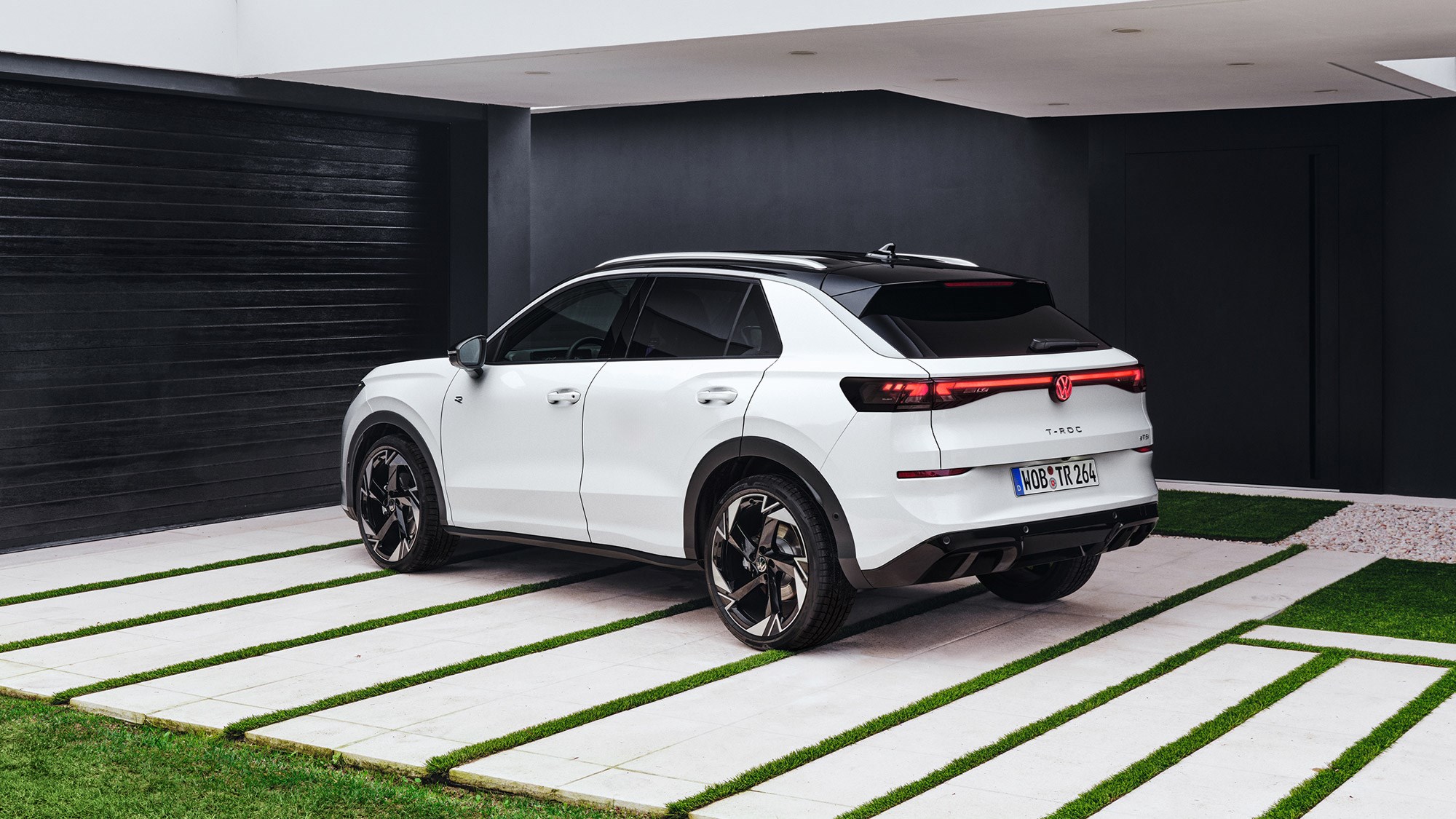
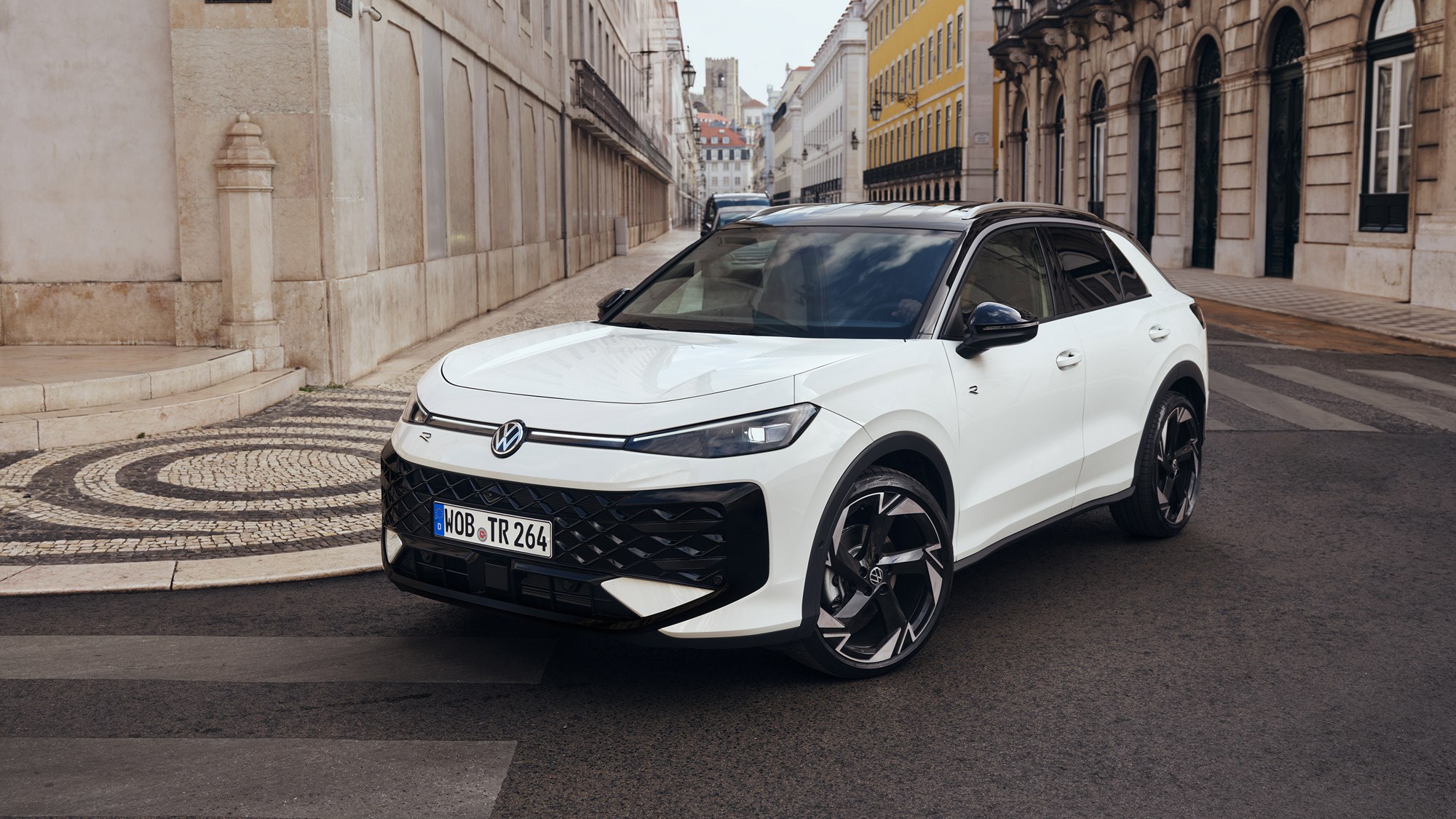
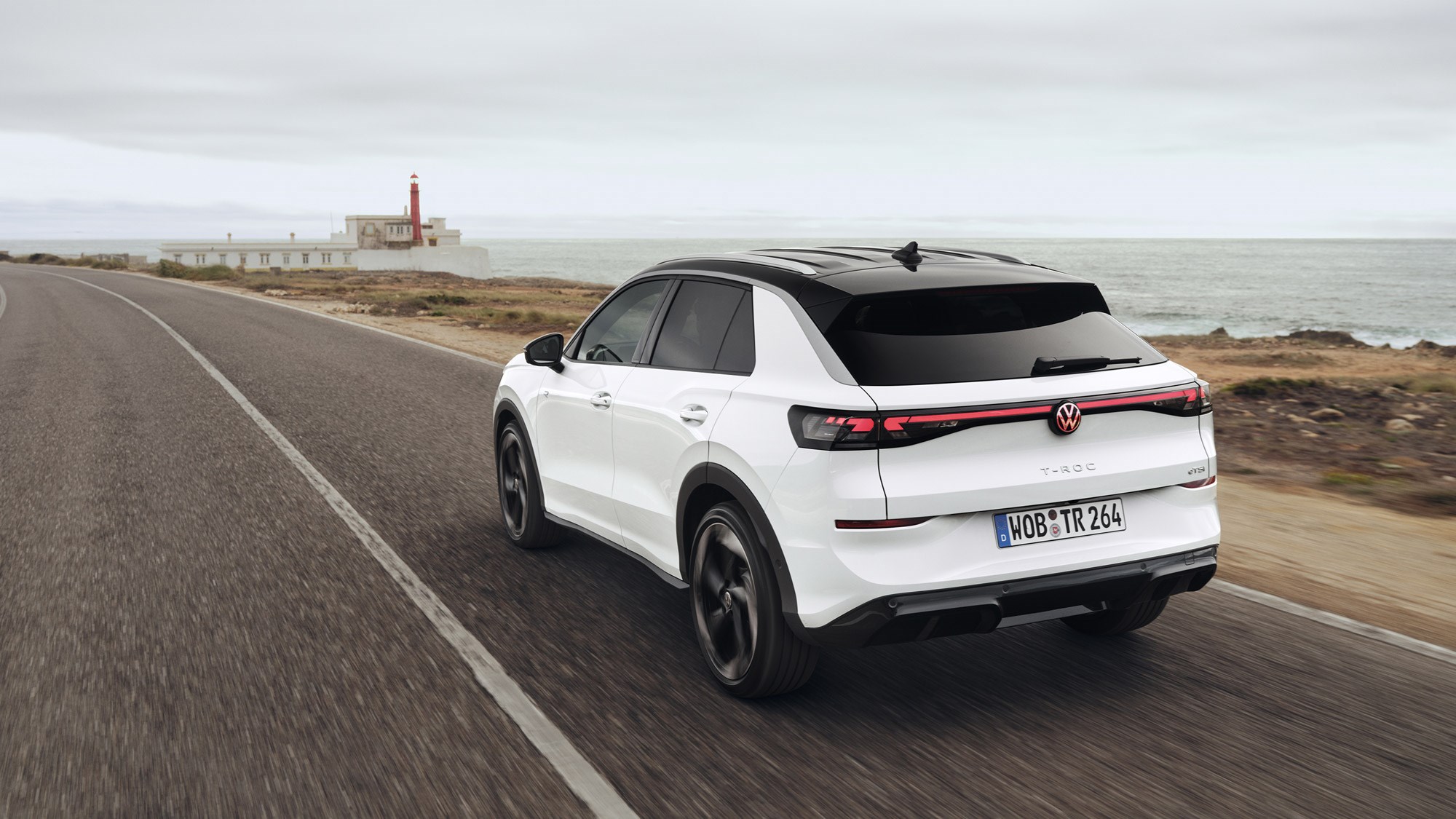
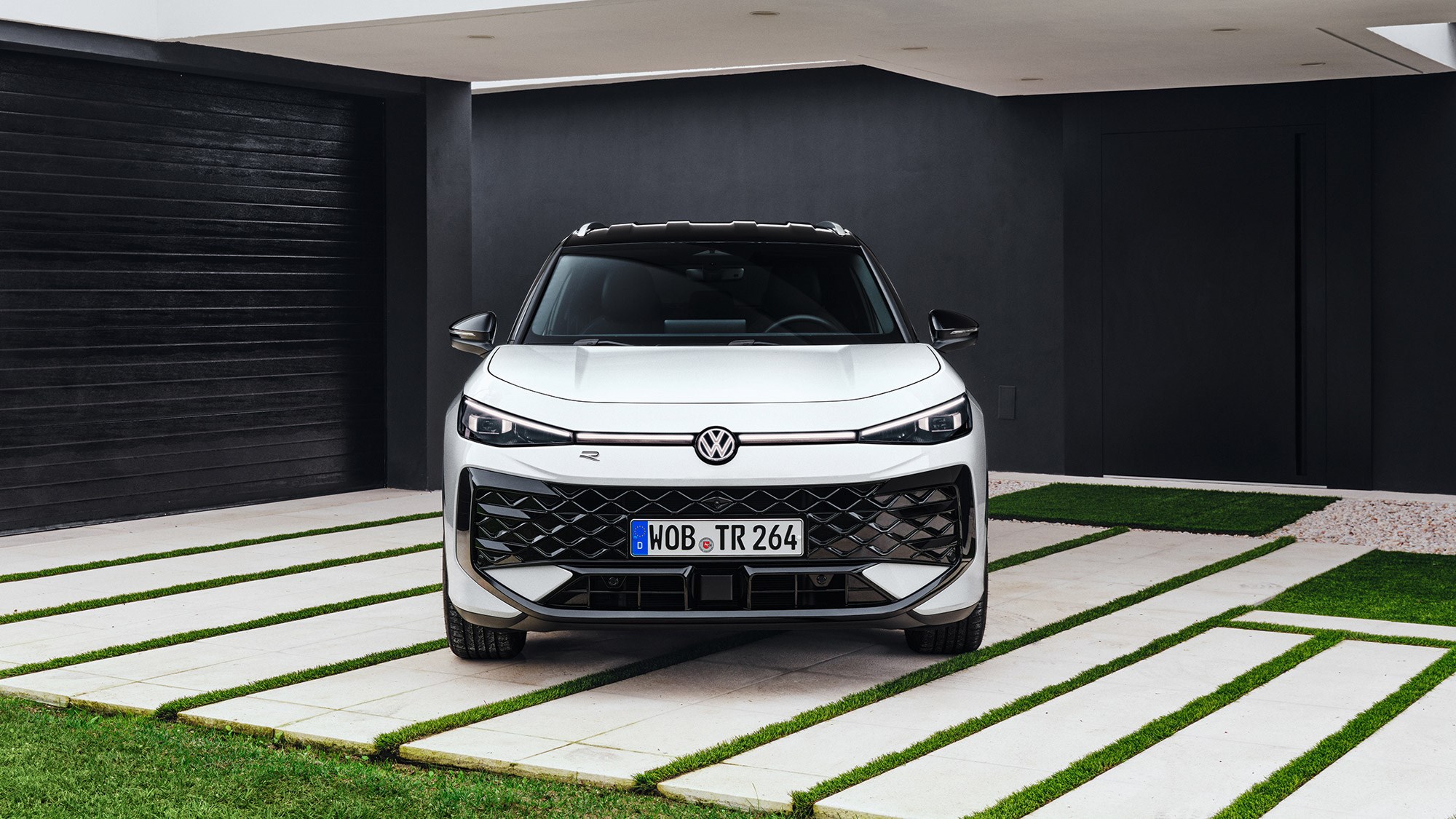
Under the surface it’s still the Golf’s renowned MQB platform, but visually it’s rather different. Yes, the T-Roc’s recognisable chunky C-pillar remains, as does the aluminium ‘hockey stick’ that surrounds the top of the side windows, but its fussy front-end treatment (more obvious on non-R-Line trims) and more coupe-like profile feel like some of the fun has been lost. You can still get it in a bright Canary Yellow, at least.
The T-Roc has also grown in size, being 12cm longer than its predecessor, with that space helping to slightly improve rear-seat and boot space, two elements that previously let the T-Roc down.
What are the specs?
As we’ve already mentioned, the T-Roc will be sold only with hybrid engines. At launch only VW’s tried-and-tested 1.5-litre eTSI petrol engines are available, with outputs of 114bhp and 148bhp available at launch. Each uses an eight-speed automatic gearbox – there is no manual T-Roc any longer – and are front-driven.
As for stats, accelerating to 62mph takes 10.6 and 8.9 seconds in the 116bhp and 148bhp engines respectively. In terms of fuel economy, there’s no difference on paper between the two, with VW claiming 47-51mpg – we were getting slightly less than that lowest figure on our test drive.
But the big news will come next when VW introduces its first full (non PHEV) hybrid engines in more than 15 years – its last was the second-generation Touareg back in 2010. These will be based around the same 1.5-litre engine and, though the technicalities aren’t known just yet, Volkswagen has said they’ll be front-wheel-drive and available with either 134bhp or 168bhp.
Also, later in 2026 the T-Roc will gain four-wheel-drive in the form of a new 201bhp 2.0-litre mild-hybrid petrol – its first outing in a Volkswagen, though a similar setup can be found in cars such as the new Audi Q5. The T-Roc R will also return in 2027 with the same 328bhp output as the latest Golf R. The worst bit – or maybe the best, depending on your view, there is highly unlikely to be a T-Roc Cabriolet.
How does it drive?
The T-Roc has always felt quite grown-up to drive by class standards, and despite its top-heavy looks, didn’t feel much different to the Golf behind the wheel. That hasn’t changed with this new version, which very much continues where the previous model left off.
Refinement is one of its best assets, as wind and road noise are kept to a minimum even at motorway speeds. Volkswagen’s next-generation driver assists also represent a significant step forward, with a top-notch adaptive cruise control setup that is one of the closest I’ve experienced to ‘behaving’ like a normal driver, and taking any strain out of motorway runs. It’s also standard even on entry-level models.
Though teeny-tiny 16-inch alloys are standards, the smallest wheels we’ve tried the T-Roc on so far are 18s, where the ride still proved comfortable on the surprisingly rough roads in and around Lisbon. Go any larger than this, though, and it starts to struggle. Volkswagen is very proud of the fact that the T-Roc can now have 20-inch alloy wheels, but even in combination with VW’s generally excellent adaptive DCC suspension (which, let’s be honest, no T-Roc owner is going to choose), it’s rather pattery. Smaller wheels are best, who knew!
The handling is predictable but good by class standards, with enough weight to the steering once you’ve played about with the settings. It struggles to get its power down in the wet, though, with a tendency to wheelspin, as is the case for almost anything fitted with the 1.5-litre TSI engine. My one gripe with the T-Roc, though, is the brakes, which lack the initial bite you expect because of the changeover between regenerative braking and friction brakes. It’s a problem we’ve encountered with many of the mild-hybrids on the same platform.
What’s it like inside?
The good news is that the previous T-Roc’s haptic climate control panel and steering wheel buttons fitted higher-spec models are no more. The bad news? Well, there are almost no physical buttons, though the central rotary dial that lets you switch between drive mode and volume are useful to have. I still can’t help but feel it would be a lot more useful if it looked after the climate control temperature, though.
At least the new T-Roc arrives at a time when VW has largely ironed out the teething issues of its infotainment – the screen is super-responsive and the most commonly used features have shortcuts. In a lot of ways it feels like a baby Tiguan, and that’s largely a good thing, with features such as a head-up display new to the T-Roc. But I’m not such a fan of the new door handle releases, which work like a lever yet don’t have that solid feel that Volkswagen is so synonymous for.
Though Volkswagen has used lots of soft-touch materials, including fabric on the dashboard, bits of it feel like a poor disguise at the cheaper materials used beneath. Some of the T-Roc’s fun also feels like it’s been lost, too, with a rather monocolour look where bright accents could be found previously. R-Line models fare a bit better with their sports seats and backlit perforated door card trim with 30-colour ambient lighting.
Previously, the T-Roc’s rather tight interior space worked against it, and though this new model is far from being class-leading on the roominess front, it’s a welcome improvement. The boot has increased by 30 litres to 475 litres, while adults will be able to travel more comfortably in the back. But where space is concerned, the VW T-Cross, its smallest SUV, still really isn’t all that far behind.
Before you buy (trims and rivals)
UK pricing for the T-Roc won’t be announced until the start of 2026 when it goes on sale, but expect prices to kick off a few thousand pounds above the £29,650 starting price of the outgoing model.
It will come to the UK in Life, Style and R-Line trim, with the entry-level version expected to be the most popular. Even the Life model will come well-equipped with a 12.9-inch touchscreen, a digital instrument cluster, reversing camera and adaptive cruise control.
Upgrading to the Style brings larger 17-inch alloy wheels, heated front seats, a massage function for the driver, upgraded LED headlights and wireless smartphone charging. At the top of the line-up, the R-Line mainly majors on style with its 18-inch alloys, sports seats and black headlining. It also comes as standard with the more powerful 148bhp engine.
The T-Roc once again sits in a slightly odd middle ground between smaller B-segment crossovers, such as the Ford Puma, and larger C-segment choices like the Nissan Qashqai.
With its more coupe-esque styling than before, we’d put it against the Cupra Formentor, Toyota C-HR and Mazda CX-30, and would fare better than all of those.
Verdict
It’s a testament to just how right VW got its first T-Roc that even in its final years it’s still top of the SUV sales charts in Europe. This new model manages to keep its predecessor’s strengths, including its refined and comfortable driving manners, and generous equipment levels – even in lesser trims, unusual for Volkswagen – but brings with it the welcome improvements needed to keep it at the top.
The interior is now far more spacious and usable as a small family car, while its hybridised engines are right on trend. Whereas previously the T-Roc felt like a grown-up Polo, it now feels more like a baby Tiguan. In many ways, that’s a good thing, but I can’t help but feel some of the T-Roc’s renowned style and sense of fun has been lost in this makeover.
*Specs are for Volkswagen T-Roc 1.5 eTSI 150PS R-Line. Price is an estimate*