► It’s Mazda’s first crack at a proper EV
► We’re sad to say, it isn’t what we were expecting
► Disappointing drive, irritating interior ergonomics
I really like the way Mazda operates. Changing market demands might have forced it to prioritise family SUVs and practical hatchbacks over buzzy sports cars but, despite this, the brand hasn’t ever lost its soul. Mazdas are consistently some of the best-driving and most logical cars on the road. It annoys me more people don’t buy them.
So, you can only imagine how excited I was to drive this – the new Mazda 6e. I hoped it would do to electric family cars what the CX-5 did to SUVs, proving to the world that the segment can produce some true driver’s cars. But, not for the first time in my career, I had my hopes dashed against the jagged rocks of rampant capitalism.
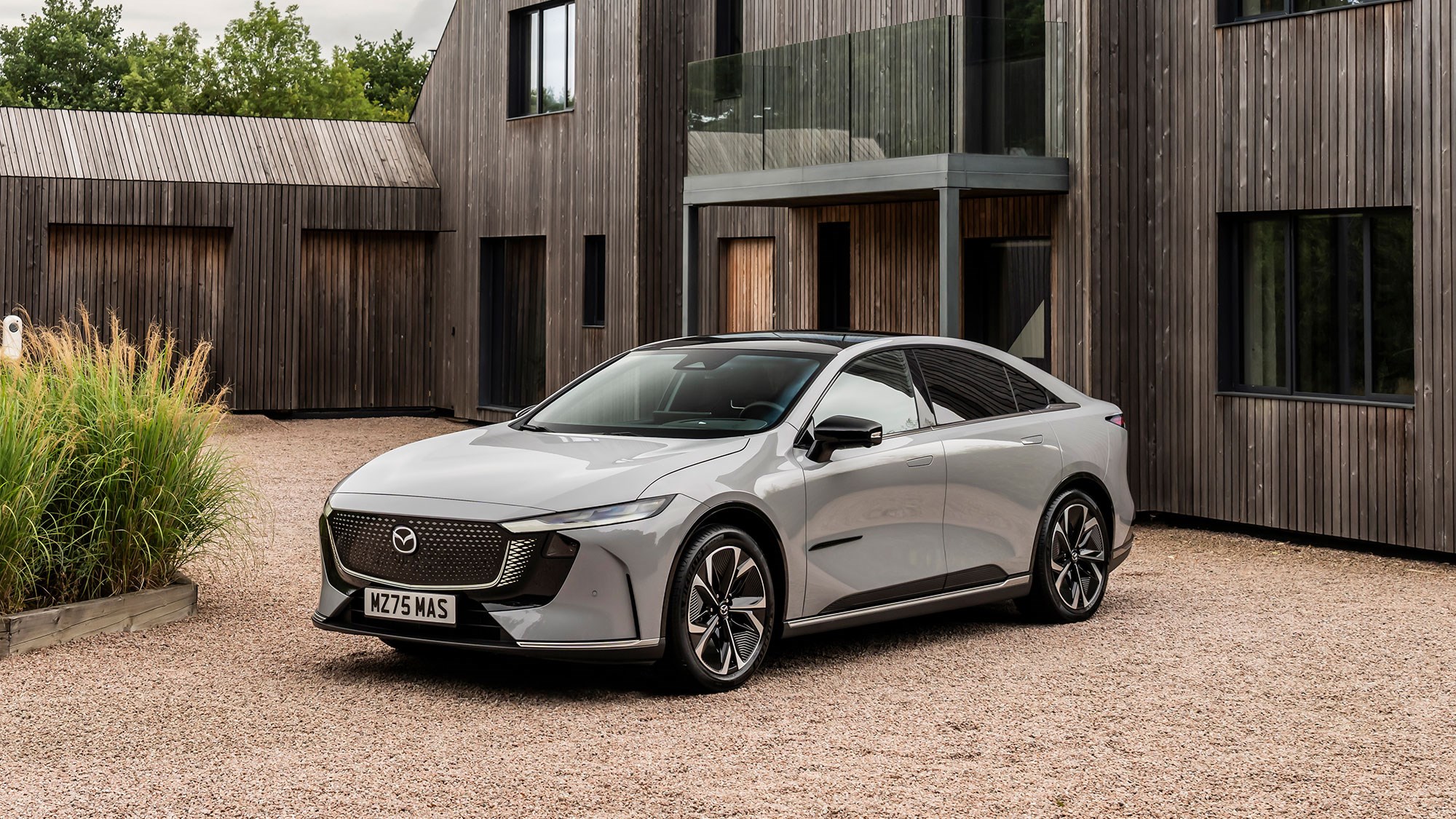
I’ll explain. Electric cars are expensive to develop so, to get the 6e off its drawing boards as cost-effectively as possible, Mazda leant on its Chinese business partner Changan. It nabbed the chassis, battery and motor technology from the Deepal L07, wrapped it in a Mazda-shaped body, did some suspension tuning and chucked on sale.
The result is something quite disappointing, as it doesn’t feel anything like a Mazda. That’s not to say it’s an inherently bad car – but it’s missing all the selling points that draw buyers to the brand. And that feels a little disingenuous to me. Scroll down to find out why I’ve got such a bee in my bonnet about it.
At a glance
Pros: Good interior space, decently comfortable ride, promising efficiency figures
Cons: Uninspiring to drive, infuriating touchscreen-led cabin, sub-par DC charging
What’s new?
Everything. This is Mazda’s second crack at a full EV after the MX-30 and, as much as I liked its first effort, its severely compromised range limited its appeal to city dwellers. So, to try and capture more market share with this new car, Mazda outsourced most of the 6e’s development to a company that already knows how to build EVs – Changan.
Time for a history lesson. Changan is China’s third-largest automotive giant, boasting 14 manufacturing bases and 33 factories globally. The company entered a partnership with Mazda (and Ford) back in 2005 to build the Mazda 3 for its domestic market – and five years later, it was running Mazda’s Chinese production lines.
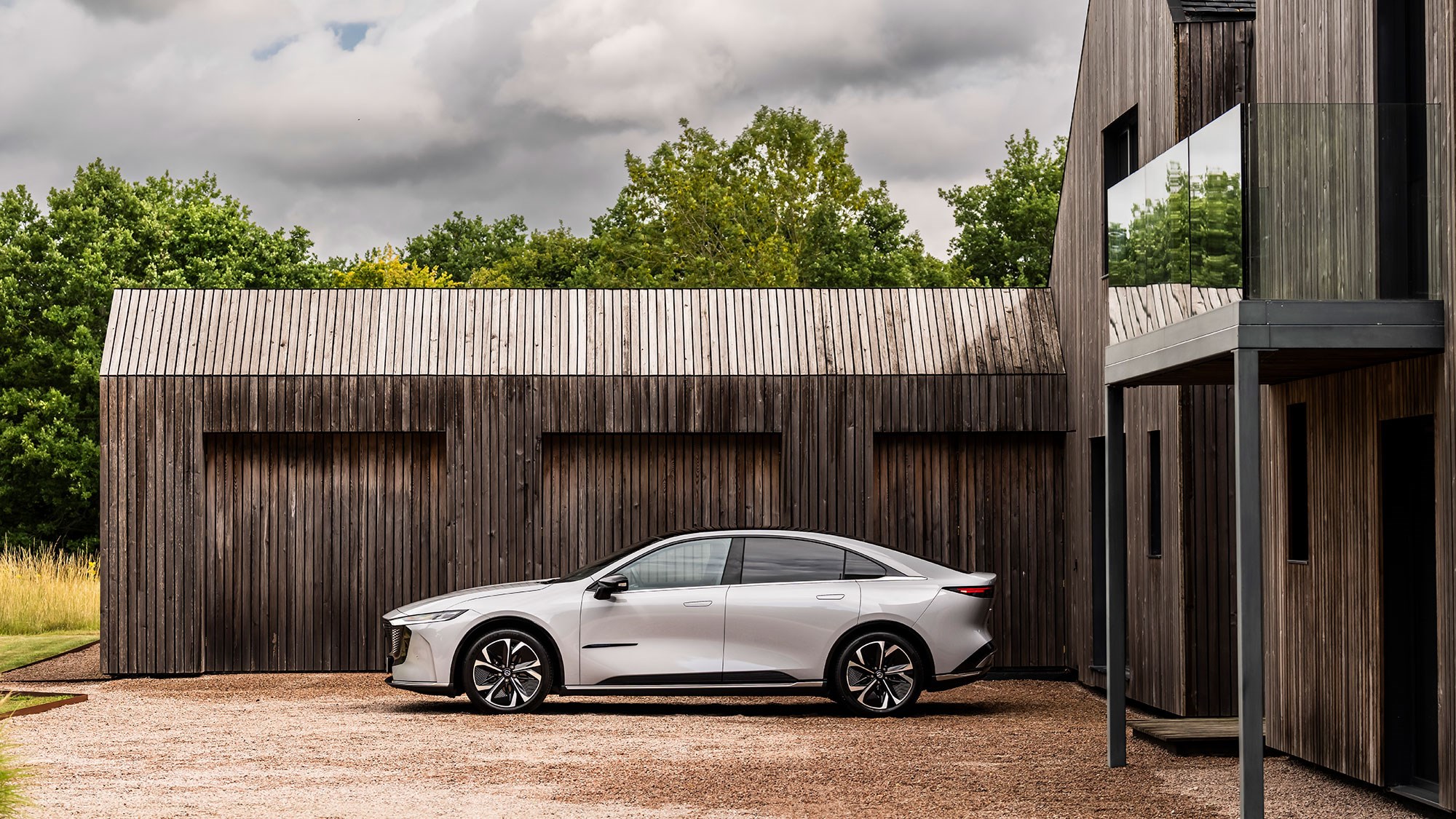
Deepal (which is where the 6e borrows its technology from) is Changan’s EV automotive arm – and that means the 6e is much more than the illicit child of a sake-fuelled one-night stand. Mazda and Changan have been going strong for 30 years. This child was planned.
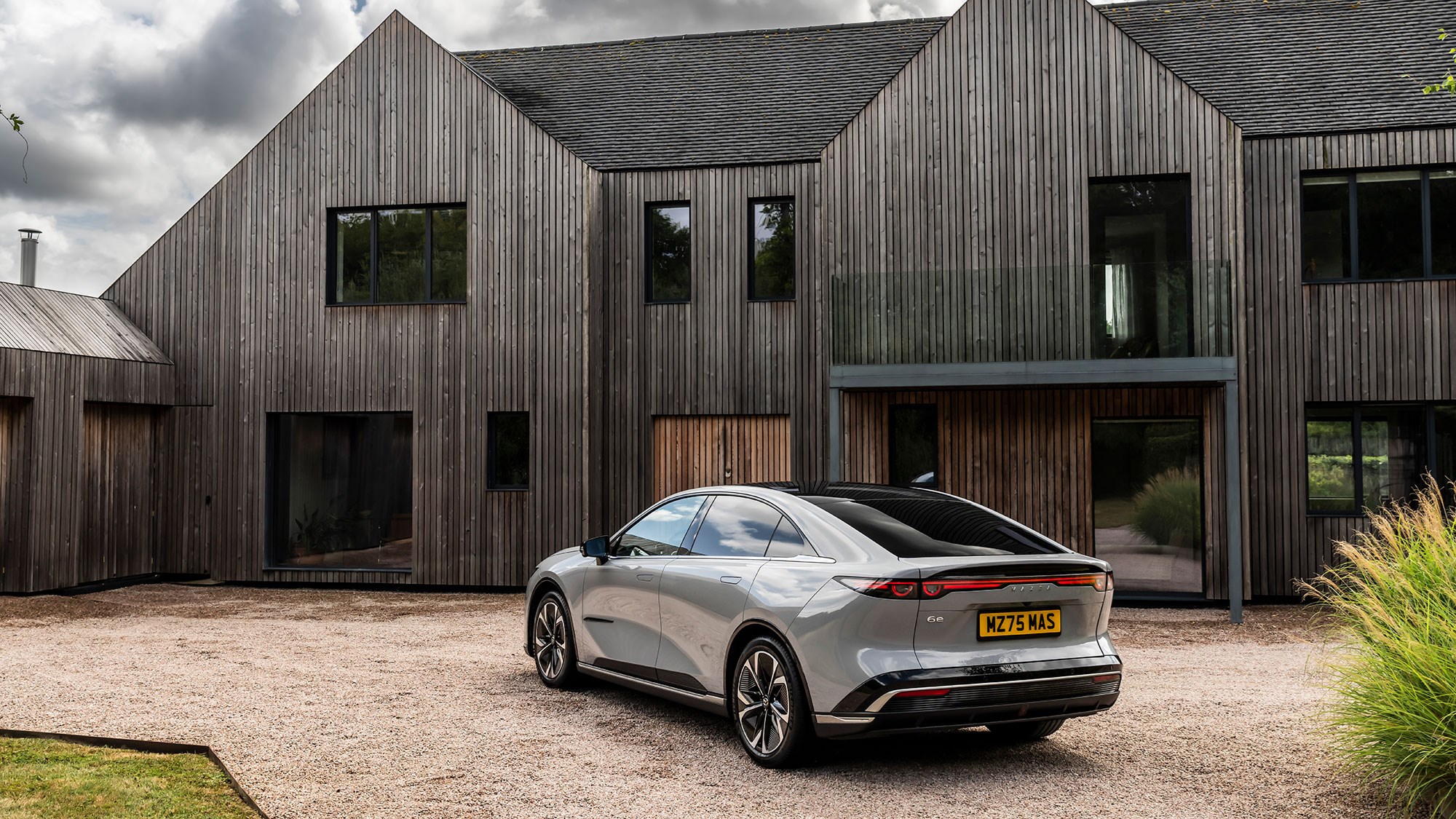
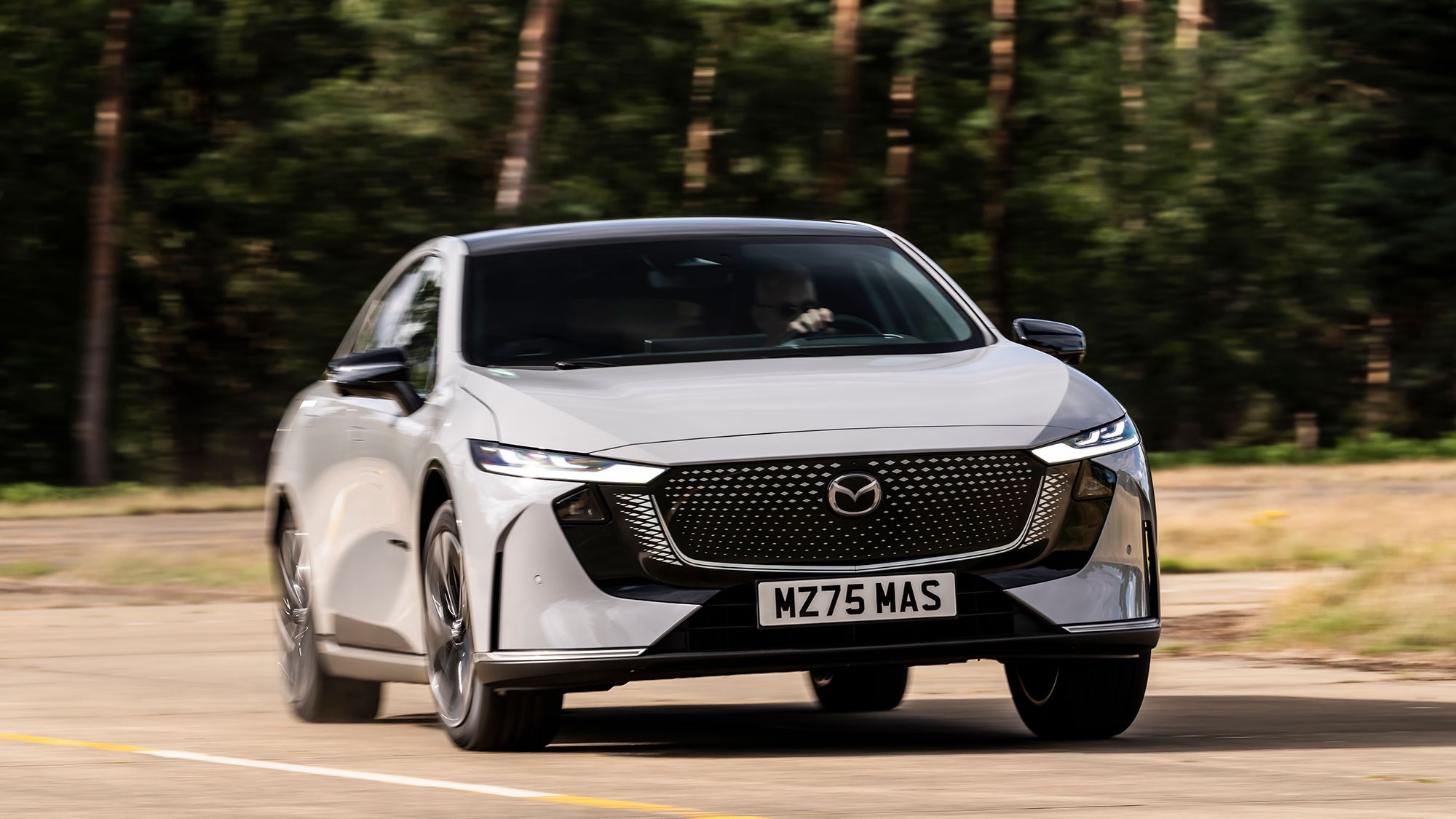
But while the 6e looks like a Mazda at first glance, the more time you spend with it, the more you realise the extent of its Chinese parent’s genetic contribution. It sits in the uncanny valley – its face screams Mazda, but its cabin, driving experience, infotainment system and safety tech prove it’s very much the black sheep of family. For now, at least.
What are the specs?
There are two versions of the Mazda 6e. The short-range model has a 68.8kWh battery pack and a single electric motor on the rear axle with 254bhp and 236lb ft of torque. That, Mazda says, gives the car a 0–62mph time of 7.6 seconds and a top speed of 109mph.
The long-range model gets a larger 80kWh battery and a slightly less potent 242bhp electric motor (although torque remains the same at 236lb ft). Interestingly, both cars weigh the same at 1962kg, so the only thing to dull the long-range model’s 0–62mph time is the power deficit. And even then, it’s only by a couple of tenths.
These specs seem quite cut and dry, but they get weirder when you start digging into their specifics. For starters, the two batteries feature completely different chemistries – the standard car has a lithium iron phosphate battery, while the long-range model has a lithium nickel manganese cobalt oxide unit. That’s odd. Normally car makers just pick one battery chemistry and add more cells to the smaller pack to make larger battery sizes.
There’s also a big difference in charging speeds – but not in the way you’d expect. The long-range model can’t accept as much electricity in one hit, which seems completely counter intuitive for what’s supposed to be a long-legged cruiser. So, the 68.8kWh 6e can DC charge at up to 165kW, while the 80kWh version can only manage 90kW.
That means the short-range 6e can charge from 10 to 80 per cent capacity in just 24 minutes, while the long-range model takes 47 minutes. That’s almost a 100 per cent increase in charge times for a battery that’s only 15% larger.
What’s even weirder is there isn’t much to separate the two cars on driving range. The short range 6e can cover up to 300 miles between charging stops, while the ‘long-range’ model can only limp on for another 45 miles before conking out.
Consequently, if you’re driving huge miles, you’ll probably end up covering more ground per day using the short-range car once you’ve factored in the extra time you’ll spend stationary waiting for the long-range model to recharge. And the cruellest irony of this situation is that UK buyers won’t be offered the 68.8kWh 6e. It’s the 80kWh model or nothing for us.
How does it drive?
Not as well as Mazda’s other cars. But I should have seen that coming a mile off because, as I keep reiterating, this isn’t really a Mazda. I’ll start with the most disappointing part of the experience – the steering.
It’s vague, far too quick for the weight of the car and completely devoid of feedback. It isn’t linear, either. It’s single-finger light for the first eighth of a turn and two-arm firm for the rest of its travel. To top it off, Deepal’s half-baked lane assist is constantly fighting your inputs. These issues combine to create a car that feels both nervous on the motorway and unpredictable on your favourite B-road.
The driving position doesn’t inspire confidence, either. Like almost every skateboard EV on sale, the lowest seat position felt about two inches too high for my six-foot frame. The steering wheel also didn’t telescope far enough out of the dashboard to allow me to set my legs a comfortable distance from the pedals, which meant I had to scrunch myself into the dash to feel adequately in control of the steering. That’s frustrating. I’ve never been uncomfortable in a Mazda until now.
I’m not keen on the brakes, either. They’re very light at the top of their travel, and you don’t find the pads until you’ve waded through half of the pedal’s travel. At least they’re strong when you finally do find the discs.