► Chinese EV brands on UK sale today
► Breakthrough tech at lower prices
► Our guide to the brands to watch
In 2025 China is an automotive powerhouse, and its products being increasingly popular in Europe and the UK. It’s a textbook tale of industrial innovation, as one nation’s car industry uses a significant shift in the automotive industry to kickstart its ambitions to become a producer of the best electric cars.
Increasing numbers of Chinese car brands are targeting Europe as a major source of growth. Already in 2025 around half of the most popular electric cars sold in the UK hail from China. In this article, we will focus on the new Chinese brands arriving on British soil, as opposed to the labyrinthine ownership structures that are accelerating the electrification of existing and new European brands (eg China’s Geely group already owns western car makers such as Volvo, Polestar, Lotus and a good chunk of Smart).
Which Chinese cars are sold in the UK?
In this article we will guide you through the most popular Chinese brands offering electric cars in the UK in 2025. Read on for a quick summary of each brand and their electric offerings on sale today, and what’s to come.
BYD: The one to watch
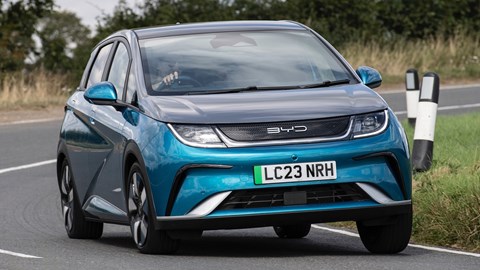
Standing for Build Your Dreams, BYD is one of the world’s biggest manufacturer of electric cars, tussling with Tesla at the top of the EV sales charts. That gives you some idea of how seriously we should take this car maker: BYD is the biggest and most potent new competitor to land in the UK and Europe and veteran investor Warren Buffet’s decision to buy a quarter of its shares for $232 million in 2008 looks smarter by the day. Choose from these BYD electric cars on sale today:
- BYD Dolphin Surf: Breakthrough new cheaper city car EV for £19k
- BYD Dolphin (above): An electric supermini priced from £29k
- BYD Atto 3: Compact electric crossover costing £38k
- BYD Atto 2: a Compact electric SUV, UK price to be confirmed.
- BYD Seal: Powerful Tesla Model 3 rival, from £46k
- BYD Sealion 7: a rakish and sharply-designed crossover that shares a similar footprint to the Audi Q6 e-Tron, Porsche Macan and Polestar 3 costing £47k
- BYD Seal U DM-i hybrid: a plug-in hybrid SUV that’s designed to meet the cooling demand of consumers for EVs for £33k
MG: The rump of MG Rover is now Chinese-owned and offers a variety of powertrains
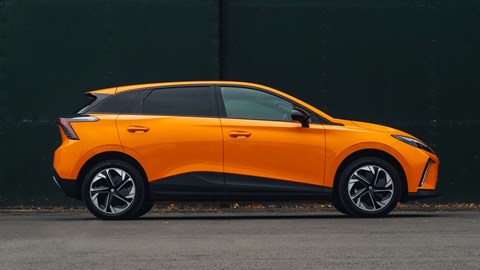
Hard to believe how it’s taken two decades since the collapse of Longbridge for Chinese parent brand SAIC to have turned around its prized British asset into a purveyor of decent and increasingly electrified cars. Remarkably, it’s MG’s centenary in 2025 and it now offers a range of petrol, plug-in hybrid and full battery electric vehicles (BEVs):
- MG 3: The smallest MG on sale today, petrol and hybrid power, costs from £19k
- MG 4 (above): Breakthrough EV – great to drive, cleverly packaged, superb value with prices from £27k
- MG 4 XPOWER: One of the few electric hatchbacks on the market today, costs from £36k
- MG 5: One of the few electric estate cars on sale today. Equally good value at £28k
- MG IM5: A sleek saloon that rivals Tesla’s design. From £39k
- MG IM6: Revealed this year, this all electric SUV is introduced from £48k
- MG ZS: Old-school small crossover – not much cop, but decent price at £22k
- MG HS: Mid-sized SUV in petrol and plug-in hybrid form. From £29k
- MG Cyberster: One of the first electric convertibles on the market from £55k
GWM Ora: Great Wall Motor was one of the first Chinese brands into the UK market
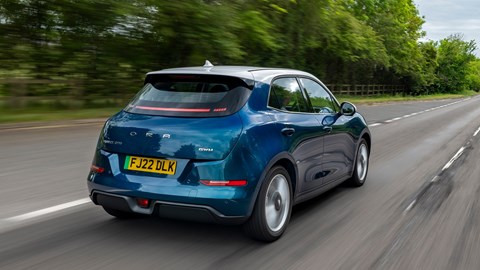
Great Wall launched in the UK years ago and punted the bargain-basement Steed pick-up truck for a while, with little critical success but proved a hit with penny-pinching tradesmen. We sat up and paid attention when GWM launched the smart Ora Funky Cat, since renamed to sound a little less oddball to European ears:
- GWM Ora 03 (above): Retro, Beetle-ish style, some clever design flourishes, fully electric and priced from a reasonable £25k
- GWM Haval Jolion Pro: The Haval Jolion offers a hybrid new design in very sleek packaging for a reasonable £24k
Maxus: SAIC’s electric commercial vehicles
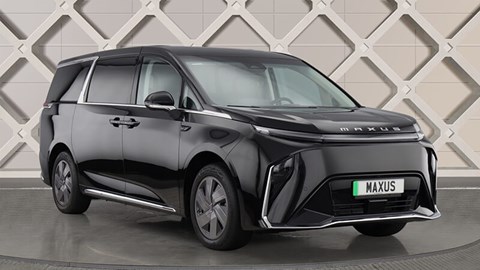
Sister brand to MG, Maxus is also owned by Shanghai-based SAIC, which already sells a growing range of electric vans in the UK. We won’t go into those here, but there are also a few passenger vehicles and a pick-up on sale right here, right now:
- Maxus MIFA 9 (above): Claimed to be the world’s first fully electric MPV – seven seats, a 323-mile range and priced from £54k
- Maxus MIFA 7: Luxury family car with a decent sized boot, available from £40k
- Maxus T90EV: The only electric pick-up offered today in the UK, costs a whisker under £50k (although that excludes VAT)
- Maxus T60 MAX: a mid-size pick up that combines power and style, costing from £35k
Omoda: Chery’s crossover brand eyeing up Qashqai sales
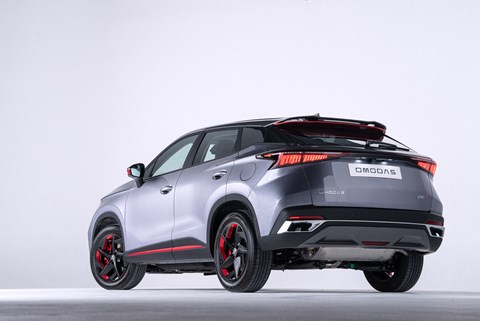
Omoda launched in the UK in March 2024 with a single model, although a range of cars quickly followed, now having a range of four models. Omoda, offer pure electric vehicles and hybrid options, like most of the brands discussed here.
- Omoda 5: (above): It’s a Qashqai-sized crossover available in both EV all-electric or combustion forms
- Omoda E5: the electric version of the Omoda 5. It features relatively similar design to the petrol car, though forgoes the intricate grille of the ICE car for something simpler cleaner
- Omoda 7: The Omoda 7 is coming soon to the market, stationed in the between the Omoda 5 and 9.
- Omoda 9: A luxury electric car with sleek design and middle of the range performance, promised at £45k
Xpeng: cutting-edge tech for sub-Tesla prices
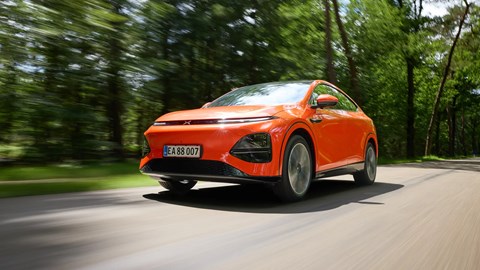
On sale in Europe with a larger range, Xpeng has reached the UK with only one car to offer, the G6. The Xpeng G6 offers bits a well-refined electric SUV that comes at a much better price compared to competitor Tesla.
- Xpeng G6: Launched at the start of this year the G6 offers a fast charging electric SUV for £40k
Leapmotor: the brand with Stellantis support
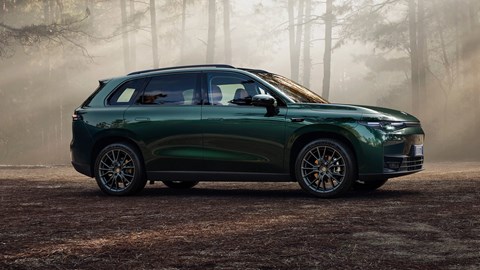
Leapmotor is a bit different to the other Chinese EV makers on this list. Last year, it benefited from a cool €1.5 billion investment from Stellantis that involves partnership in both production and distribution.
Now, a two model range has landed in Europe, including the small T03 and larger C10 SUV. Tariffs loom large for Leapmotor as with all Chinese EV brands, but its Stellantis partnership and Poland-based manufacturer will stand it in good stead.
- T03: The smallest Leap motor has roughly the same footprint as the Fiat 500e, but costs much less at £16k
- C10: The C10 appeals to people in the market for a new electric SUV, available for£37k
Skywell: so far, not so good
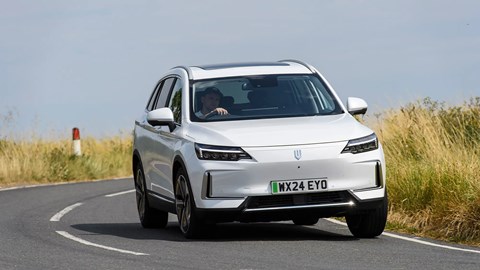
- BE11(ABOVE): Skywell enters the UK market with the BE11, an all new electric SUV that looks that part but leaves room for improvement everywhere else, costs from £37k
- Skywell Skyhome: Skywell’s first saloon that is said to be coming soon, the futuristic interior creates scepticism as to whether or not Skywell can deliver.
- Skywell Q: coming soon is Saywell’s take on a hatchback, expected to launch this year the Skywell Q offers clean interiors and a promise of lots of tech included.
Jaecco: Newest to the UK market, will they live up to standers?
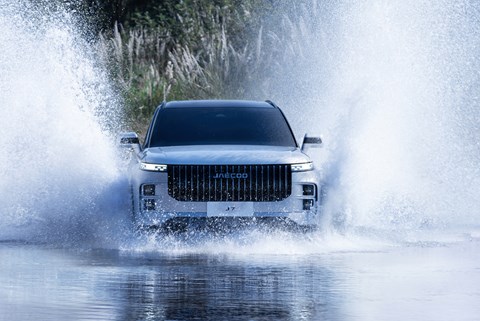
- Jaecco 7 (ABOVE): A massive Range Rover looking SUV that is very new to the UK market, costing £30k
- Jaecco 7 SHS: Built for comfort this Hybrid SUV will not break the bank at £29k
- Jaecco 5: To be released this year the Jaecco 5 offers a car to acompany an outdoor lifetyle by the looks of its campaign, cost to be confirmed
Other Chinese brands planning to launch in the UK soon
The car makers listed above are the tip of the iceberg: there is a queue of other brands waiting to launch here – so look out for the following names and debutants waiting in the wings. We will be sure to update this list in the months ahead as more brands join the fray, so stay tuned:
- Aiways- Aiways are present only in Germany and China as of now.
- Nio– Nio plan to launch in the UK this year.
- Zeekr– Zeekr has a four car range in Europe however have not reached the UK yet.
These brands plan to break into the market in addition to more models from the car makers already here to be sure to keep an eye out!
It’s hard to establish a new brand from scratch, hence some of the optimistic launch schedules announced by many of these brands. Having a proven product from China is one thing; seeking European type approval, appointing a network of dealers, managing the training and personnel and sales systems and back-end support and parts supply, is quite another…
Why are Chinese electric cars becoming popular in Britain?
The Chinese government has pursued a deliberate long-term strategy to support its automotive sector’s lead in EVs, building a geopolitical footprint to enable the raw materials, intellectual property, design and manufacture of batteries at scale at a price to make western car makers weep.
Thanks to this long-term industrial strategy funded by the Communist government, China has cornered supply of raw materials and production of the batteries required for electrification: 70% of global battery cell manufacturing takes place in China and BloombergNEF’s annual lithium-ion battery price survey suggests that China’s production cost of $126 per kWh undercuts production costs in the US by 11% and Europe by 20%. It’s a stark reminder that geopolitics, trade deals and imperial strategy have been deliberately aligned to secure China’s competitive advantage.
It’s this combination of scaled EV know-how and lower-price manufacturing that’s producing the exact cars the market is moving towards at prices that undercut European electric models. It’s a potent mix and if anything the choice of Chinese electric cars is only going to blossom in the months ahead, as new and as-yet unheard-of brands line up to launch over here.
Aren’t such as MG and Volvo Chinese-owned?
On this page we’re concentrating Chinese brands either coming to or poised to come to the UK. However, many of the brands already sold in the UK are either Chinese-owned or partly Chinese-owned. For example, the Chinese giant Geely owns many well-known brands such as Volvo, Polestar and even the Lotus. Similarly, the Chinese company SAIC wholly owns MG Motors.
Why do Chinese cars have tariffs?
The European Union sees China’s increasing influence on its market as a threat, so it’s looking for ways to protect European suppliers and producers of cars – particularly EVs. The EU also states that Chinese firms enjoy subsidies from the Chinese government, making it easier for them to (and unfairly for in the EU’s opinion) undercut competition from within the EU.
With that in mind, the EU’s member states have voted in favour of new tariffs to be applied to electric cars coming in from China. Updated duty rates from findings in August 2024 would see up to 36.3 per cent in additional taxes applied to electric cars from certain Chinese car makers.
The tariffs will affect cars produced In China, so that also includes the likes of Tesla – although it’ll be hit with a reduced rate.
If these tariffs go through, the cost of cars coming into Europe will increase. Their impact on the UK, given it’s not part of the EU single market post-Brexit, remains to be seen.
Read more about the tariffs here.