► Incentivises lower-cost electric cars
► Grants of up to £3,750 available
► Only a handful of EVs get full discount
The initial purchase price of a new electric car has continued to be a barrier stopping many buyers from making the switch to an electric vehicle (EV). But this is starting to change.
Not only is the material cost of pricey components such as batteries and motors coming down, the UK government has introduced an electric car grant for lower-cost EVs that aims to make them more affordable.
It’s working, too. Electric car sales up 30 per cent so far in 2025 (according to year-to-date figures from the SMMT at the start of November), and now account for 22.4 per cent of new registrations. That’s still some way below the 28 per cent EV sales mix laid out in the ZEV mandate, but things are moving in the right direction.
Even so, the grant is somewhat confusing. Keep reading and we’ll give you the full low down.
What is the 2025 UK electric car grant?
The government-backed grant offers up to £3750 off the purchase price of new EVs that have a list price starting under £37,000. But it’s not a blanket grant that applies to all electric cars under that threshold, and the maximum £3,750 is only currently available on a handful of new EVs, with a lesser £1500 sum available to far more. Many EVs are currently excluded entirely.
We’ll explore why shortly, but read on to find out how the grant is decided and what models are currently meet the two standards. We’ll also recommend the EVs that offer the best value and the ones you should consider if looking for a new electric car.
How is the electric car grant decided?
As already mentioned, only a small number of EVs are eligible for the maximum £3750 grant, and some are excluded entirely.
To be eligible for a grant, a car must produce 0g/km, have a minimum WLTP electric range of 100 miles (which all new electric cars now manage), and have a standard three-year warranty alongside a separate eight-year warranty covering the battery.
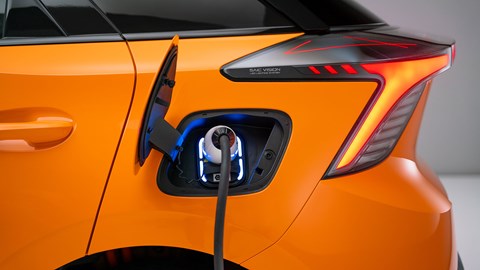
But the crucial element is that a car must meet also sustainability criteria. This is the more confusing aspect as it’s based on an environmental assessment of the cars’ production and that of the battery cells, covering such things as the use of renewable energy sources in the vehicle’s assembly.
A general rule is that it favours EVs made in Europe – currently no models from countries such as China and South Korea qualify for the grant at either level – though there are a few cars built in Japan eligible for the lower £1500 rate.
The grant is applied for by the car’s manufacturer, rather than the buyer.
Which electric cars qualify for the grant?
Eligibility is split into two bands depending on the green credentials of a particular car. Currently there are only a handful that fall into Band 1, which get a discount of £3750; there are far more are in Band 2, which get a £1500 grant applied.
It’s worth noting that although the car’s official price must start under £37,000, as long as the cheapest variant is under the limit, more expensive versions costing up to £42,000 are eligible, as long as they have the same size battery as the cheapest model.
There are exceptions to the £37k rule, however. Including the Skoda Enyaq, which has the same type approval as the smaller Skoda Elroq and qualifies for the grant despite having a starting list price higher than £37,000. See what we mean about confusing?
There are currently 39 EVs eligible for some funding, and more are still being added. At the same time, some manufacturers that have so far not managed to get their cars included in the government scheme have set up their own incentives to try and remain competitive. We’ll explore these in more detail at the bottom of this article.
Before that, here’s a full list of the cars in Band 1 and Band 2.
Band 1 cars – eligible for £3750 grant
The following cars are all eligible for the full Band 1 £3750 UK government electric car grant, in manufacturer order.
Citroen
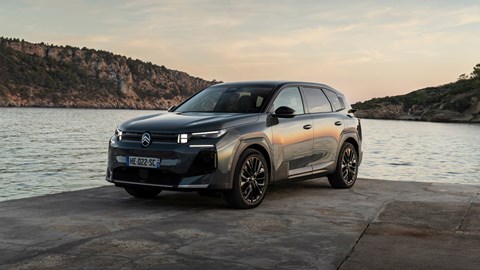
The only Citroen to qualify for the top £3750 grant so far is the new e-C5 Aircross. For reasons that are currently unclear, it’s only the top-spec Long Range model that gets the big discount, with the rest of the line-up getting the £1500 discount.
The full whack brings the e-C5 Aircross Long Range’s price down to £32,935 which, for an EV with a 400-mile range, is remarkably good value. It also means it only costs a few hundred pounds more than the standard Comfort Range model, making it definitely worth spending the extra cash,
Ford
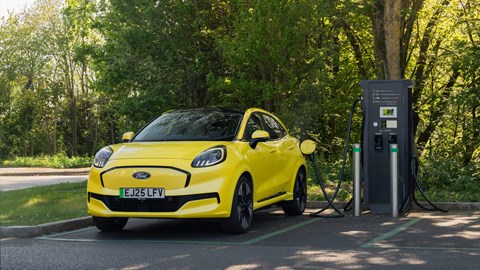
Ford was the first manufacturer to achieve the Band 1 eligibility with its Puma Gen-E and the van-based E-Tourneo Courier. While both were quite hard to recommend previously because of their higher prices, they’re now far more palatable at £26,245 and £29,240 respectively.
Band 2 cars – eligible for £1,500 grant
Again, in manufacturer order, these are the cars eligible for the lower £1500 Band 2 grant.
Alpine
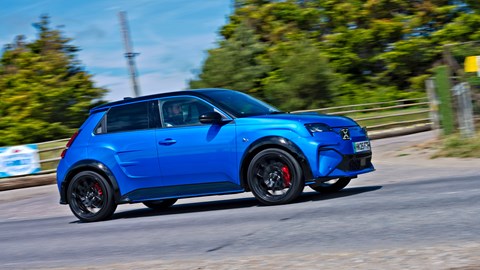
The new Renault 5-based Alpine A290 might angle itself on sportiness and driving pleasure, but that doesn’t stop it getting the £1500 grant. All versions of this electric hot hatch qualify, with prices starting from £32,000 for the GT and rising to £36,000 for the GTS.
Citroen
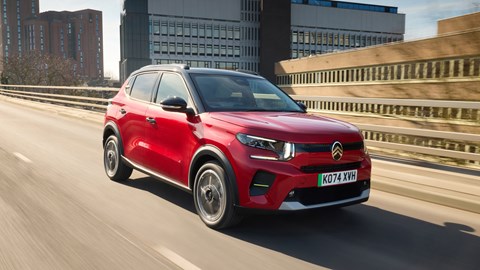
Citroen has the joint-widest range of grant-eligible cars of any manufacturer, with seven models getting Band 2 eligibility and a £1500 discount. These start with the compact e-C3 supermini, priced from just £18,495 (post grant), making it one of the cheapest new electric cars around. At the other end of the scale is the large e-SpaceTourer, which can seat up to nine people and is available from £35,495 after the discount.
Cupra
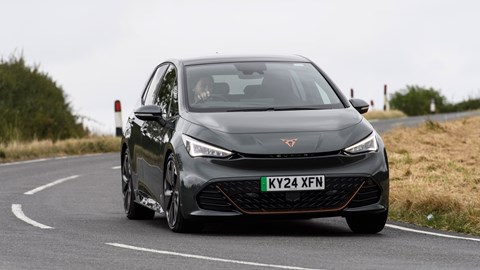
Only one Cupra qualifies for the government’s electric car grant and that’s the Born hatchback. Based on the Volkswagen ID.3, it’s more stylish to look and more engaging to drive, making it one of our recommended choices. All versions except the VZ hot hatch model are eligible, with prices starting from £34,190 after the grant.
DS
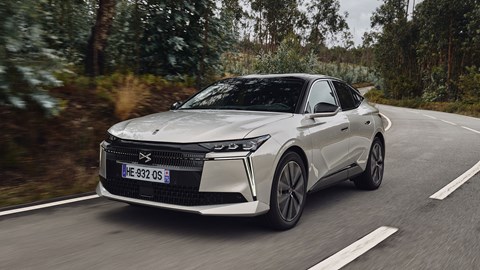
Two DS models are eligible for the £1500 grant – the DS 3 crossover and the newer DS No.4, previously known as the DS4, which is only recently available as an electric car. Bizarrely both the DS3 and No.4 cost the same, each starting from £35,495 after the grant. While we rate the No.4 for its plush interior and comfortable ride, we’d struggle to recommend the smaller DS3 to our worst enemy.
Mini
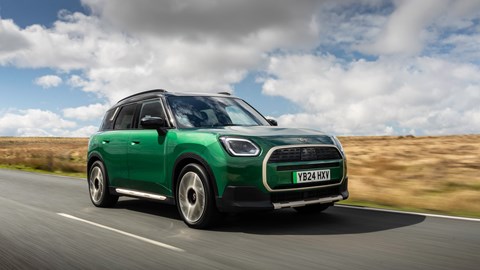
You’d think Mini’s smaller Cooper Electric and Aceman would be ripe for the EV grant, but because both are built in China they miss out on the discount entirely. Instead, the only Mini you can get the saving on is the German-made Countryman Electric. It’s an electric SUV we recommend for its good driving experience and spacious interior. With Mini’s own discounting as well as the grant, it’s also now great value at £31,505.
Nissan
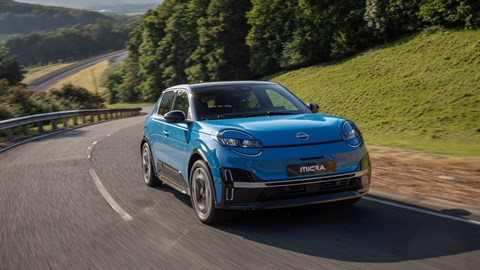
Nissan has been tactical with the pricing for its Ariya SUV, cutting the cost of most versions to ensure they now qualify for the grant. As result, starting from £33,500 makes it more recommendable than it’s ever been. The new Renault 5-based Nissan Micra also gets the £1500 discount, while Nissan is confident that the UK-built new Leaf will get the full £3750 when it goes on sale in early 2026.
Peugeot
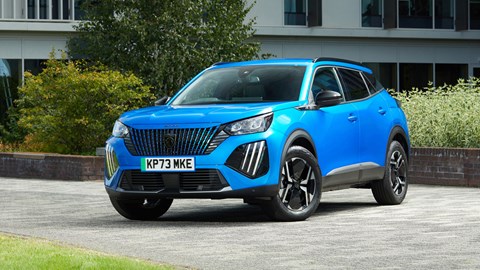
Most of Peugeot’s electric cars qualify for the £1500 grant, ranging from the e-208 supermini right through to the e-Traveller MPV. Peugeot’s EV line-up is far reaching, too, also including the e-308 in hatch and SW estate form and the oddball e-408. The most attainable electric Peugeot is the £28,650 e-208.
Renault
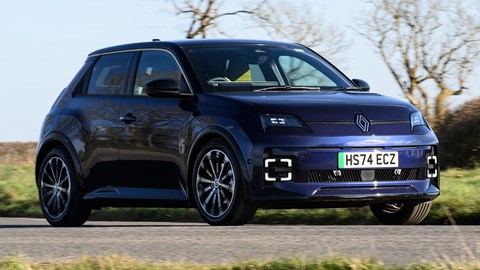
Nobody is making better electric cars than Renault at the moment and the good news is that every electric car it sells qualifies for the £1500 grant. This includes the terrific Renault 5 supermini that has made EVs cool again, as well as the more practical, but no less stylish Renault 4 – the reigning Car of the Year for our sister title, Parkers. If you want a more spacious family vehicle there’s also the Megane and Scenic. We also expect the new Twingo to qualify for the grant, although the fact its battery pack is produced in China could work against it.
Skoda
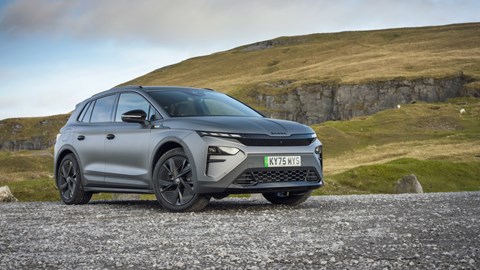
If you want an electric family car you’d struggle to do much better than Skoda, with both its Elroq and Enyaq eligible for the £1500 discount. It makes two good cars seem even better value for money, with the Elroq now available from £30,210 and the Enyaq from £37,510. All versions of the Elroq are included, except for the vRS. As for the Enyaq, only SE L models and the 63kWh battery in the Edition trim are included. No Coupe models are available in the grant
Toyota
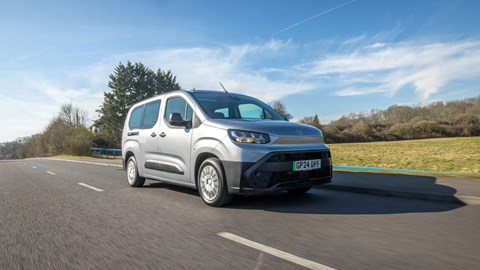
Though Toyota has a growing line-up of electric models, its only EV that gets the grant is probably its least known – the Proace City Verso. Based on a Stellantis vans, it’s an electric MPV offering up to 213 miles of range. We rate above its platform siblings since Toyota is prepared to extend the warranty to up to 10 years as long as you return to the main dealer for servicing.
Vauxhall
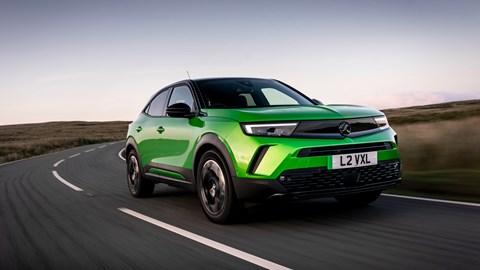
Vauxhall joins Citroen in having the most electric cars eligible for the Band 2 grant, with all its models eligible for the £1500 saving, ranging from the Corsa Electric up to the nine-seat Vivaro Electric. Our pick of the Vauxhall EV line-up is the new Frontera. With its £22,495 starting price following the grant, it’s several thousand pounds cheaper than the hybrid models.
Volkswagen
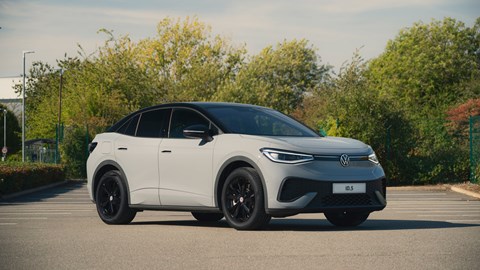
Volkswagen has three models that qualify for the grant – the ID.3, ID.4 and ID.5. The ID.3 is available from £30,860 post grant, while the other two are available from £36,995 (thanks to the same loophole that the Enyaq has gotten through).
What about the rest?
When the EV grant was first announced in July 2025, many manufacturers rushed to launch their own discounts while waiting to qualify for the grant, or perhaps with the knowledge that they wouldn’t qualify at all. No Chinese or South Korean EV yet satisfies the requirements for either band, and that’s unlikely to change. Below we’ll summarise the other discounts available at the time of writing.
While Abarth, Alfa Romeo, Fiat and Jeep from the Stellantis portfolio wait to hear if their EVs qualify, (which it seems they likely will), all those brands are offering their own £1500 discount.
From the Chinese brands, GWM is offering a ‘Green Grant’ equivalent to a £3750 saving, bringing the price of its Ora 03 down to £21,245, and making it far easier to recommend. Leapmotor is offering £3750 off its C10 SUV, along with £1500 off its new B10 crossover and T03 city car, the latter now being the UK’s cheapest new car. MG is also offering a £1500 saving on its MG4 hatchback and MG S5 EV SUV.
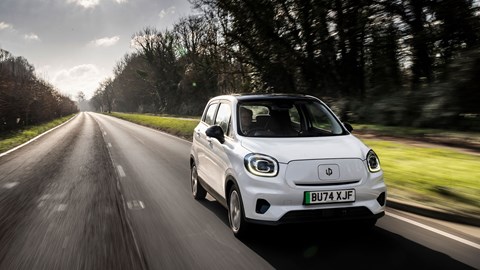
Smart is also giving a £1500 ‘Smart EV Grant’ off its #1 crossover, in addition to other savings, while Volvo is taking £1500 off its EX30. Both of those share a platform developed by Chinese giant Geely.
Moving over the South Korea, Hyundai is also offering its own grant, giving £3750 off the price of the brilliant Inster, as well as £1500 off an Ioniq 5, Ioniq 6 and Ioniq 9. Meanwhile, Japanese brand Suzuki is offering customers £3750 off the price of the new eVitara.
*All offers and prices are correct at the time of writing (11 November 2025)*